What are the main causes of river pollution in India?
Rivers are lifelines, but in India, they are increasingly becoming victims of pollution. Understanding the root causes is the first step towards finding effective solutions. Several factors contribute to the degradation of India’s rivers, impacting ecosystems and human health.
Industrial Waste Discharge
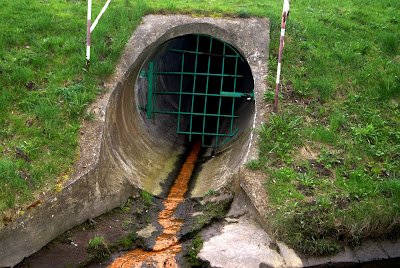
A significant contributor to river pollution is the discharge of untreated industrial waste. Many large factories release effluents directly into rivers. These effluents often contain hazardous chemicals, heavy metals, and radioactive substances that are toxic to aquatic life and can contaminate water sources for human consumption. The Yamuna River is a prime example of a river severely affected by industrial pollution.
Domestic Sewage and Wastewater
Household waste, flushed down drains and sewers, finds its way into rivers. This domestic sewage contains organic matter, pathogens, and other pollutants. When this wastewater enters rivers without proper treatment, it depletes oxygen levels, harms aquatic ecosystems, and increases the risk of waterborne diseases for communities that rely on river water for drinking and other purposes.
Agricultural Runoff
Modern agricultural practices often involve the extensive use of chemical fertilizers and pesticides to protect crops and enhance yield. While these chemicals are effective against pests, they are also toxic. When it rains, these chemicals are washed off from fields into nearby streams and rivers, polluting the water and making it hazardous for both humans and wildlife.
Urban Runoff and Litter
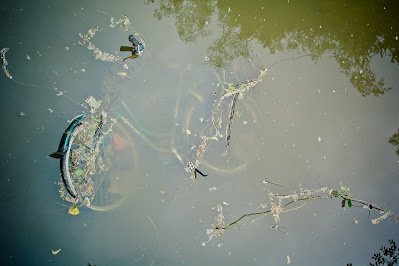
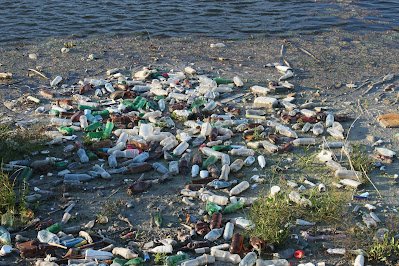
Rainwater in urban areas picks up a variety of pollutants, including litter, oil, grease, and other debris from streets and surfaces. This urban runoff often carries a significant amount of solid waste directly into rivers. In India, where littering is a common practice in many areas, this problem is exacerbated, leading to visible pollution and harm to riverine environments.
Religious Practices and Rituals
India is a land of diverse religious traditions, and many religious ceremonies and festivals are held near rivers. While these events are culturally significant, the aftermath often includes a substantial amount of waste being left behind, which eventually pollutes the rivers. In some traditions, the immersion of ashes and, in certain cases, the disposal of bodies in rivers also contributes to pollution.
Washing of Livestock
While not as significant a pollutant as industrial waste or sewage, the practice of washing livestock in rivers can contribute to localized pollution. This can introduce bacteria and other contaminants into the water, posing health risks if the water is consumed by humans or other animals.
The Need for Public Awareness and Action
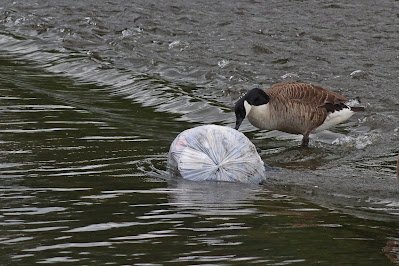
Addressing river pollution requires a multi-pronged approach, with public awareness and participation being crucial. Government initiatives and clean-up drives can only be effective if citizens are conscious of their role in preventing pollution. Without collective responsibility and a change in public behaviour, efforts to clean India’s rivers may fall short. It is essential for everyone to understand the impact of their actions on these vital water bodies and to actively participate in keeping them clean.
Frequently Asked Questions
What are the main pollutants found in Indian rivers?
Indian rivers are polluted by a range of substances including industrial effluents (heavy metals, chemicals), domestic sewage (organic waste, pathogens), agricultural runoff (pesticides, fertilizers), solid waste (plastic, garbage), and religious offerings.
How does industrial waste affect rivers?
Industrial waste can introduce toxic chemicals, heavy metals, and radioactive materials into rivers. These pollutants can kill aquatic life, contaminate drinking water sources, and pose severe health risks to humans, including long-term health problems.
What role does sewage play in river pollution?
Untreated domestic sewage discharged into rivers depletes dissolved oxygen, leading to the death of fish and other aquatic organisms. It also introduces harmful bacteria and viruses, increasing the incidence of waterborne diseases like cholera and typhoid among those who consume the water.
Can agricultural practices cause river pollution?
Yes, agricultural practices contribute significantly through chemical fertilizers and pesticides. When these chemicals are washed into rivers by rain, they can harm aquatic ecosystems and contaminate water supplies, potentially affecting human health.
What can individuals do to help reduce river pollution?
Individuals can help by reducing their use of plastics, properly disposing of waste, avoiding littering, conserving water, and being mindful of the chemicals used in their homes and gardens. Supporting initiatives for water conservation and pollution control also makes a difference.