What is a Phobia?
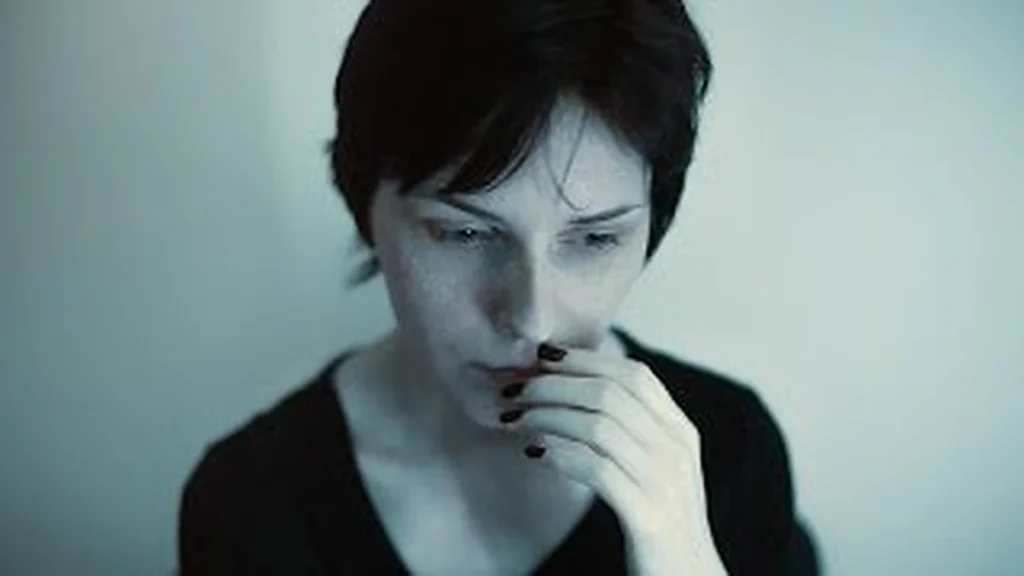
A phobia is an intense, persistent, and irrational fear of a specific object, situation, activity, or person. It’s more than just a simple fear; it’s an anxiety disorder that can significantly interfere with a person’s daily life. When confronted with the feared stimulus, individuals with phobias often experience immediate anxiety or panic attacks. This fear is disproportionate to the actual danger posed by the object or situation.
Common Symptoms of Phobias

The symptoms of a phobia can vary from person to person and depend on the intensity of the phobia. However, common signs and symptoms include:
- Intense feelings of fear or panic when exposed to the phobic stimulus.
- Physical symptoms such as dizziness, nausea, trembling, sweating, rapid heartbeat, and shortness of breath.
- A feeling that something terrible is about to happen.
- Difficulty speaking or a stammering speech when faced with the fear.
- An overwhelming urge to escape the situation or avoid the object.
- A recognition that the fear is irrational, yet being unable to control it.
Types of Phobias
Phobias can be broadly categorized, and they can range from fears of very specific things to more generalized anxieties. Some common types include:
- Specific Phobias: These are intense fears of particular objects or situations. Examples include:
- Animal Phobias: Fear of spiders (arachnophobia), snakes (ophidiophobia), dogs (cynophobia), etc.
- Natural Environment Phobias: Fear of heights (acrophobia), storms (astraphobia), water (aquaphobia), etc.
- Situational Phobias: Fear of enclosed spaces (claustrophobia), flying (aviophobia), driving, or being in a crowd.
- Blood-Injection-Injury Phobias: Fear of seeing blood, receiving injections, or undergoing medical procedures.
- Social Phobia (Social Anxiety Disorder): An intense fear of social situations where one might be judged, embarrassed, or humiliated.
- Agoraphobia: Fear of situations where escape might be difficult or help unavailable, often leading to avoidance of public places, crowds, or even leaving the house.
It’s also common for individuals to develop health-related anxieties, sometimes referred to as illness phobias, where they fear contracting a serious illness like cancer or having a heart attack, even with minimal symptoms like a cough.
Managing and Overcoming Phobias

While phobias can be distressing, they are treatable. Several strategies can help individuals manage and overcome their fears:
- Seek Professional Help: Consulting a mental health professional, such as a therapist or psychiatrist, is the most effective first step. Therapies like Cognitive Behavioral Therapy (CBT) and exposure therapy are highly effective.
- Cognitive Restructuring: Challenge and reframe negative or irrational thoughts associated with the phobia. Understanding the actual risks involved can be helpful.
- Relaxation Techniques: Practices like deep breathing exercises, meditation, and mindfulness can help manage anxiety symptoms when they arise.
- Lifestyle Changes: Incorporate regular physical activity, maintain a balanced diet rich in fruits and vegetables, and ensure adequate sleep. Spending time in nature and fresh air can also be beneficial.
- Avoidance of Stimulants: Limit or avoid caffeine, alcohol, and other substances that can exacerbate anxiety symptoms.
- Gradual Exposure: Under the guidance of a therapist, gradually expose yourself to the feared object or situation in a controlled and safe manner. This helps desensitize you to the fear over time.
Frequently Asked Questions (FAQs)
What is the difference between a fear and a phobia?
A fear is a natural emotional response to a perceived threat. A phobia, on the other hand, is an excessive, irrational, and persistent fear that is disproportionate to the actual danger and can significantly disrupt daily life.
Can phobias be cured?
While phobias are often referred to as manageable rather than curable, effective treatments can significantly reduce or eliminate the symptoms, allowing individuals to lead normal lives. With consistent effort and professional guidance, many people overcome their phobias.
What are the signs of a panic attack related to a phobia?
Panic attack symptoms can include intense fear, rapid heartbeat, chest pain, shortness of breath, dizziness, trembling, sweating, nausea, and a feeling of losing control or impending doom.
How can I help someone with a phobia?
Offer support and encourage them to seek professional help. Avoid dismissing their fears or forcing them into situations they are not ready for. Educate yourself about their specific phobia and be patient.
Are there any lifestyle changes that can help manage phobias?
Yes, maintaining a healthy lifestyle with regular exercise, a balanced diet, sufficient sleep, and avoiding stimulants like caffeine and alcohol can help manage anxiety levels and improve overall well-being, which can be beneficial for phobia management.
Conclusion

Phobias are a common type of anxiety disorder that, while challenging, can be effectively managed with the right approach. Understanding the nature of phobias, recognizing their symptoms, and seeking appropriate professional help are crucial steps towards regaining control and improving one’s quality of life. By implementing coping strategies and making necessary lifestyle adjustments, individuals can learn to live with and overcome their irrational fears.