Imagine receiving a text message from your bank, and before you even realize what happened, your hard-earned money disappears from your account without you ever sharing an OTP. In 2026, cybercriminals in India have devised remarkably clever strategies to trick unsuspecting users and strip them of their savings in seconds. As online transactions become an indispensable part of daily life, understanding how these digital fraudsters operate has become more critical than ever.
The rise of digital payments has made buying groceries, paying utility bills, and sending money to family effortless. However, this convenience has also opened new avenues for fraudsters exploiting vulnerabilities in human psychology and mobile technology. Staying informed about modern upi fraud scams 2026 tactics is your first and strongest line of defense.
Whether you use UPI for small daily expenses or manage major transfers through mobile banking apps, knowing the red flags can save you from catastrophic financial losses. In this detailed guide, we break down the latest tactics used by online scammers, essential preventive measures, and the exact step-by-step procedure to follow if you ever fall victim to financial fraud.
Changing Tactics in 2026: The New Web of Dynamic QR Codes and Fake Refund Links
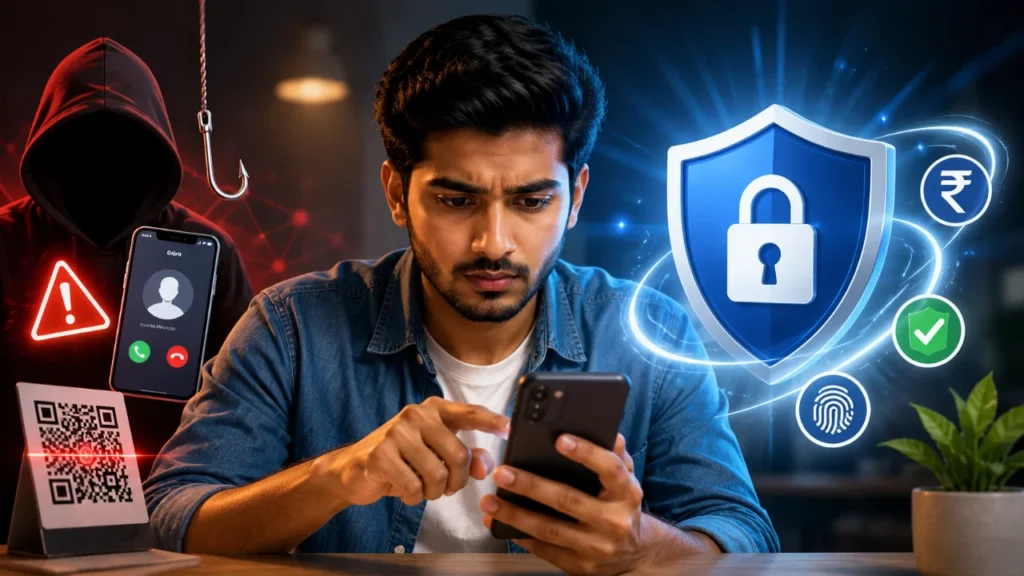
Digital fraudsters have largely abandoned basic phishing attempts in favor of more sophisticated techniques. A prominent trend in upi fraud scams 2026 involves the misuse of dynamic QR codes and fake refund links. Scammers frequently initiate contact by calling a victim and claiming that they accidentally transferred money to the victim’s UPI ID by mistake.
To rectify the alleged error, the scammer sends a QR code or a payment link via WhatsApp or SMS, instructing the victim to scan the code or click the link to “approve the refund.” The moment an unsuspecting user scans the QR code and enters their secret UPI PIN, money is debited from their account instead of being credited.
It is crucial to remember one fundamental rule of UPI payments: you never need to enter your UPI PIN to receive money into your bank account. Entering a PIN is required strictly for sending money or checking your account balance. If anyone asks you to type your PIN to receive funds, it is an immediate signal that a fraud attempt is underway.
The Dangerous Game of Screen Sharing Apps: Unauthorized Access
Another dangerous method gaining traction among cybercriminals involves getting users to install legitimate screen sharing applications under false pretenses. Scammers often impersonate customer support executives, utility bill payment officers, or recruiters offering lucrative job opportunities. During the call, they manipulate the victim into downloading apps like AnyDesk, TeamViewer, or QuickSupport from unauthorized websites or mobile stores.
Once installed, these applications grant the fraudster real-time remote access to view your smartphone screen. When you open your UPI or banking app, the scammer remotely watches you enter your login details and PIN. Furthermore, they can read incoming SMS messages containing sensitive banking codes and transaction OTPs without asking you directly.
Never download any application on your phone based on instructions from an unknown caller. If you realize that you have accidentally installed a screen sharing app under pressure, immediately disconnect your mobile data and Wi-Fi, and uninstall the application without delay.
Digital Arrest and Parcel Scams: Exploiting Fear and Panic
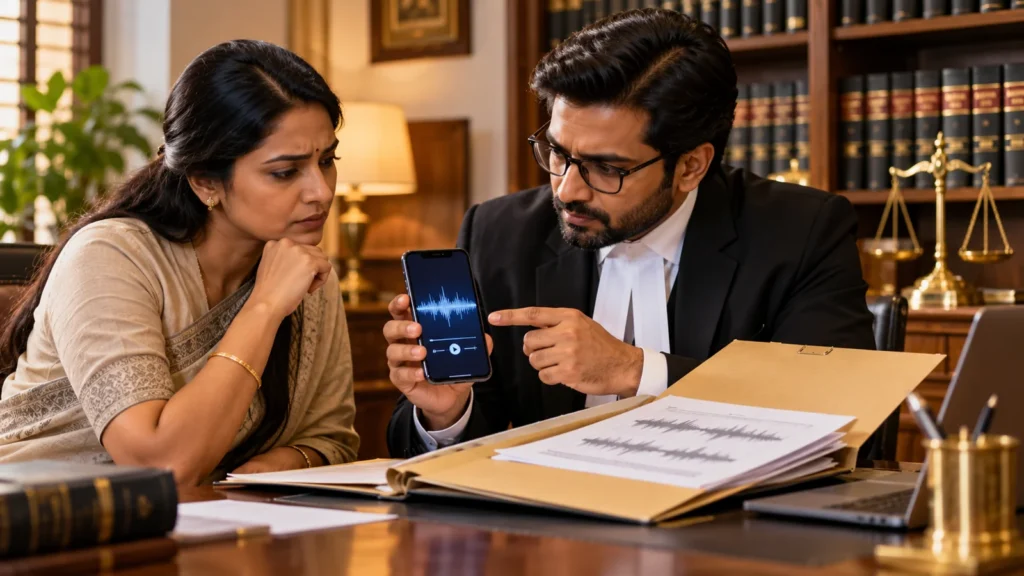
Fear remains one of the most potent weapons in a scammer’s arsenal. Among the most alarming developments in upi fraud scams 2026 are “digital arrest” traps. In these cases, fraudsters pose as senior police officers, customs officials, or representatives from law enforcement agencies like the CBI during video calls.
They falsely inform the victim that an illegal parcel containing contraband or narcotics registered in their name has been intercepted by authorities. To create panic, they keep the victim on an extended video call, threatening legal action or arrest unless an immediate money transfer is made to clear the case or verify assets. Overwhelmed by fear, many victims end up transferring their entire life savings to fraudulent bank accounts.
Key Safety Rules for Digital Arrest Scams:
- No Official Video Interrogations: Police, CBI, and government agencies never conduct video call interrogations or demand money to close legal cases.
- Protect Personal Information: Never share personal details, Aadhaar numbers, or banking credentials with unknown callers on video calls.
- Report Instantly: If you receive a threatening call, remain calm, disconnect the call immediately, and report the incident to the 1930 Cyber Helpline.
SIM Swapping and Malicious APK Files: Hidden Mobile Threats
Scammers also employ technical exploits to compromise devices silently. A common entry point is the distribution of malicious APK (Android Package Kit) files shared through messaging platforms like WhatsApp or Telegram disguised as digital wedding invitations, job offers, or promotional vouchers. Clicking and installing these unverified files injects malware or spyware into your device, allowing attackers to access your text messages and intercept OTPs silently.
In addition, criminals use SIM swapping to duplicate your phone number. By submitting forged KYC documents to telecom service providers, they deactivate your original SIM card and issue a new one to themselves. Once your network signal completely drops, all banking SMS notifications and transaction OTPs are routed directly to the scammer’s device.
If your mobile network abruptly loses signal for an extended period without a clear reason, contact your telecom provider immediately. Always refrain from installing APK files from third-party sources and rely exclusively on official application stores like the Google Play Store or Apple App Store.
FACT BOX: Key UPI Security Facts
- PIN Rule: UPI PIN is strictly required for sending money or checking balance—never for receiving funds.
- National Helpline: You can report cyber financial fraud in India immediately by dialing 1930.
- Official Portal: Online complaints can be officially lodged at cybercrime.gov.in.
- Golden Hour: Reporting financial fraud within the first 1 hour significantly increases chances of freezing stolen funds.
- Screen Access: Apps like AnyDesk or TeamViewer give full remote screen access, exposing your PIN and SMS OTPs live.
- Official Agencies: Police, Customs, and CBI do not conduct video call investigations or demand money online.
Fundamental Digital Hygiene Rules to Prevent Fraud
While cybercriminals continually update their strategies, adhering to basic digital hygiene principles offers robust protection. Regularly updating your banking application passwords and UPI PINs helps safeguard your accounts. Avoid using predictable PIN combinations like your date of birth, vehicle registration numbers, or sequential numbers like 1234.
Another prudent approach is separating your primary savings account from daily online transactions. Keep your major savings in a primary bank account that is not linked to daily UPI apps. For routine daily purchases, use a secondary account or digital wallet with limited funds. This ensures that even if a security breach occurs, your core savings remain safe.
Additionally, avoid conducting mobile banking or UPI transactions while connected to public Wi-Fi networks in places like airports, cafes, or railway stations. Unsecured public networks can be intercepted by hackers to steal your sensitive data.
Emergency Action Plan: What to Do If You Fall Victim to Fraud
If you unfortunately fall victim to financial fraud, taking swift action within the first hour—known as the “Golden Hour” in cybersecurity—can determine whether your money can be recovered. Fast reporting allows authorities and banks to freeze fraudulent accounts before scammers withdraw the stolen funds.
3-Step Emergency Response:
- Call the 1930 Cyber Helpline: Immediately dial 1930 to lodge an official complaint with the National Cyber Crime Reporting Portal. Provide details of the transaction so law enforcement can initiate account freezing.
- Notify Your Bank Immediately: Call your bank’s emergency customer care number to block your debit cards, internet banking access, and UPI services to prevent further unauthorized transactions.
- Lodge a Complaint at cybercrime.gov.in: Register a formal complaint on the official portal (cybercrime.gov.in) with relevant transaction screenshots, SMS notifications, and fraud details.
Vivek Bhai ki Advice
In the digital transaction world, your most powerful defense is a cautious and alert mind. Whenever an unexpected phone call creates sudden panic or offers unbelievable financial rewards, take a deep breath and pause for 5 seconds. Decisions made in panic or haste are precisely what scammers rely on to carry out upi fraud scams 2026 tactics.
Whether the person on the line claims to be a bank manager, a courier officer, or a senior police official, do not transfer a single rupee without thorough verification. Never download unknown applications on your phone or grant screen sharing access to anyone claiming to offer support or refunds.
Look, the rule is simple: banks and law enforcement authorities will never ask for your PIN, OTP, CVV, or password over a phone call. If you ever feel suspicious about an unexpected request or transaction, immediately hang up the call and visit your nearest bank branch to verify the information. Stay alert, keep your credentials confidential, and help spread awareness among friends and family.
FAQ
Is a UPI PIN required to receive money into a bank account?
No. A UPI PIN is only required to deduct money from your account or to check your account balance. You never need to enter a PIN to receive payments into your account.
Can I recover my money if I fall victim to a UPI scam?
Yes, recovery is possible if reported quickly. By calling the 1930 Cyber Helpline and informing your bank during the “Golden Hour” (within the first hour of fraud), authorities can freeze the scammer’s bank account and initiate recovery procedures.
How can I distinguish between a genuine bank call and a scam call?
Genuine bank representatives will never ask you for confidential details like your UPI PIN, OTP, CVV, or password over the phone. Any caller demanding such information is definitely a fraudster.
What should I do if I receive a digital arrest video call?
Do not panic. Legitimate law enforcement agencies like the police or CBI do not arrest people or demand money via video calls. Disconnect the call immediately and report the incident to 1930 or your local police station.
Disclaimer: The information provided in this article is for general educational and awareness purposes only. Readers are advised to verify official guidelines and consult their respective financial institutions or law enforcement agencies for official legal or financial matters.