Meta angle: Salary, stability और mental health के बीच 2026 में Indian professionals किस तरह अपने career choices को फिर से define कर रहे हैं—Job Hugging, Micro Retirement और Burnout को समझने की practical guide.
शुरुआत: नौकरी छोड़ना ही हमेशा solution नहीं
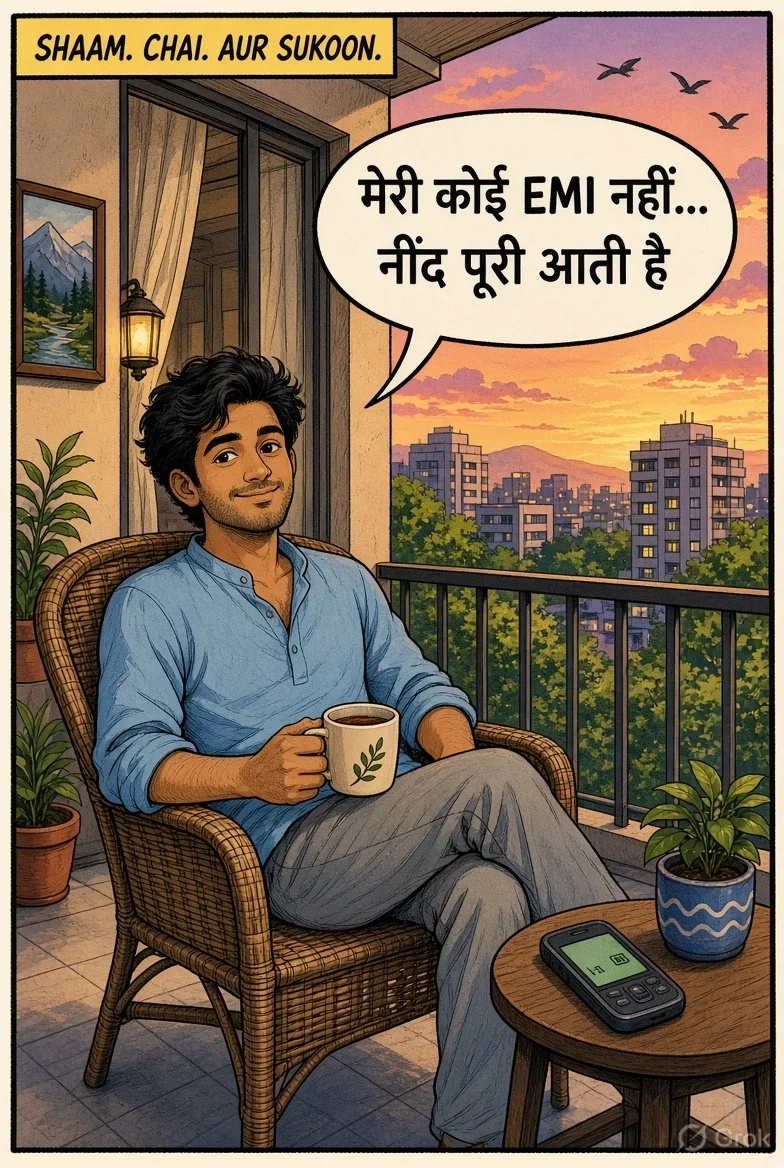
2026 का Indian workplace एक साथ कई दिशाओं में बदल रहा है। AI tools काम का तरीका बदल रहे हैं, hybrid work ने office और घर की boundary blur कर दी है, और living cost, rent, EMI, family responsibilities तथा uncertain hiring ने “बस resign कर दो” वाली सलाह को बहुत simplistic बना दिया है। इसी environment में तीन terms बार-बार सुनाई दे रही हैं—Job Hugging, Micro Retirement और Burnout।
इनका मतलब केवल internet trend नहीं है। ये labels उस emotional और financial reality को भाषा देते हैं जिसमें कोई employee role से खुश नहीं है, फिर भी उसे छोड़ नहीं पा रहा; कोई व्यक्ति full retirement तक इंतजार करने के बजाय छोटे planned breaks चाहता है; और कोई लगातार stress के बाद energy, focus तथा hope खो रहा है। तीनों अलग हैं, लेकिन कभी-कभी एक chain बनाते हैं: व्यक्ति खराब-fit job को hug करता रहता है, recovery के लिए micro-break का सपना देखता है, और boundaries न बना पाने पर burnout का सामना करता है।
इस guide का उद्देश्य diagnosis करना नहीं, बल्कि awareness और action देना है। हर tired employee burnt out नहीं होता, और हर job-hugger lazy नहीं होता। Context, health, manager, money और personal priorities को साथ देखकर फैसला लेना जरूरी है।
> FACT BOX | एक नजर में
> – Job Hugging: ऐसी नौकरी से चिपके रहना जिसे व्यक्ति छोड़ना चाहता है, क्योंकि security, salary, visa, benefits, family needs या weak job market उसे रोकते हैं।
> – Micro Retirement: career के बीच छोटे, पहले से plan किए गए unpaid या low-work breaks, जिनका उद्देश्य rest, travel, care, learning या identity reset हो सकता है।
> – Burnout: लंबे समय के unmanaged workplace stress से जुड़ी exhaustion, काम से mental distance/cynicism और reduced effectiveness का pattern। WHO इसे medical diagnosis नहीं, occupational phenomenon मानता है।
> – तीनों terms interchangeable नहीं हैं: break burnout का इलाज हो सकता है, पर toxic system या untreated health issue को अकेला break solve नहीं करता।
Job Hugging क्या है?

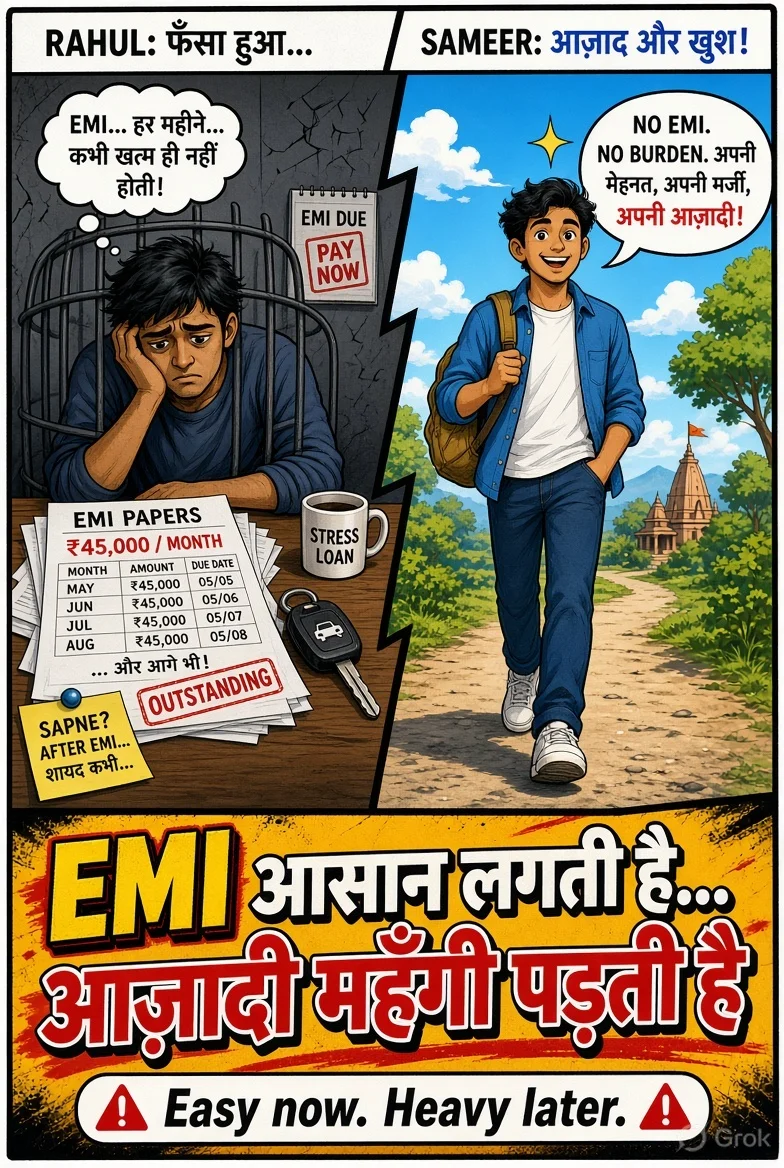
Job Hugging का literal अर्थ है नौकरी को पकड़कर रखना। यह “job hopping” का opposite जैसा दिखता है, पर असली कहानी motivation की है। कोई employee role में इसलिए नहीं रुका है कि वह genuinely grow कर रहा है; वह इसलिए रुका है क्योंकि बाहर जाना financially या emotionally risky लग रहा है। Salary regular है, insurance है, PF या gratuity है, home loan चल रहा है, parents या बच्चों की responsibility है—इसलिए unpleasant job भी safety net बन जाती है।
India में यह behaviour खास तौर पर उन लोगों में दिख सकता है जिनका career pandemic, layoffs, automation या family commitments से प्रभावित हुआ। Tier-2 और Tier-3 शहरों से metro में आए professionals के लिए relocation cost और rent बड़ा factor हैं। कुछ women employees caregiving और location flexibility के कारण imperfect लेकिन manageable role को hold करती हैं। कुछ mid-career workers notice करते हैं कि senior position के बाद comparable salary वाली openings कम हैं। इसलिए “मैं unhappy हूँ” और “मैं resign कर सकता हूँ” दो अलग statements हैं।
Job Hugging को समझने का useful test है: अगर salary, benefits और external risk हट जाएं, तो क्या मैं यही job चुनूंगा? अगर जवाब बार-बार “नहीं” है, तो attachment security-driven हो सकता है। यह shame की बात नहीं; यह signal है कि employee को exit runway, skill refresh या role redesign चाहिए।
Job Hugging के common causes
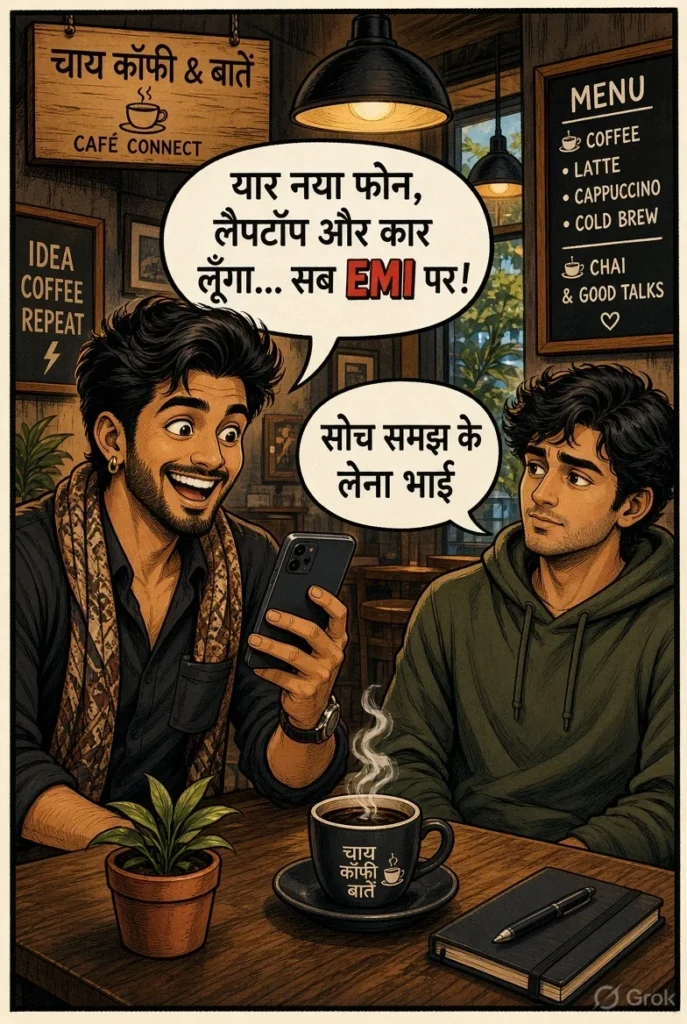
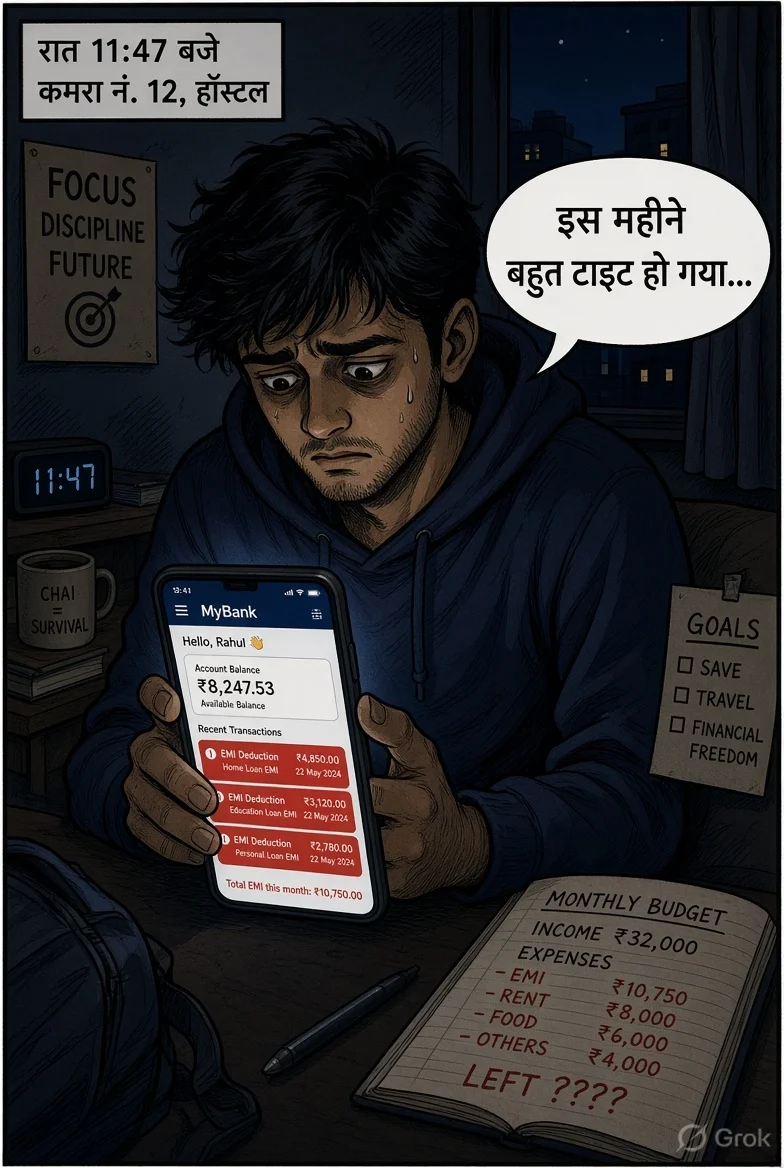
1. Financial lock-in: EMI, rent, school fees, medical expense या dependent family के कारण income gap लेना संभव नहीं। Emergency fund न होना dependence बढ़ाता है।
2. Uncertain market: layoffs, AI-led restructuring और selective hiring के बीच current job known risk है; नया employer unknown risk।
3. Benefits का loss: health insurance, ESOP vesting, PF, bonus cycle, parental leave और remote arrangement छोड़ना कठिन लगता है।
4. Identity और status: designation, brand-name employer या “stable job” का social approval व्यक्ति को रोक सकता है।
5. Low confidence: लंबे समय तक same process में रहने से portfolio, interview practice और market salary की समझ कमजोर हो सकती है।
6. Care duties और geography: हर opportunity family location, spouse career या elder-care के साथ fit नहीं बैठती।
7. Temporary hope: manager बदलने, promotion आने या project खत्म होने से स्थिति ठीक होने की उम्मीद—जो कभी सही भी हो सकती है।
Signs कि holding pattern unhealthy हो रहा है
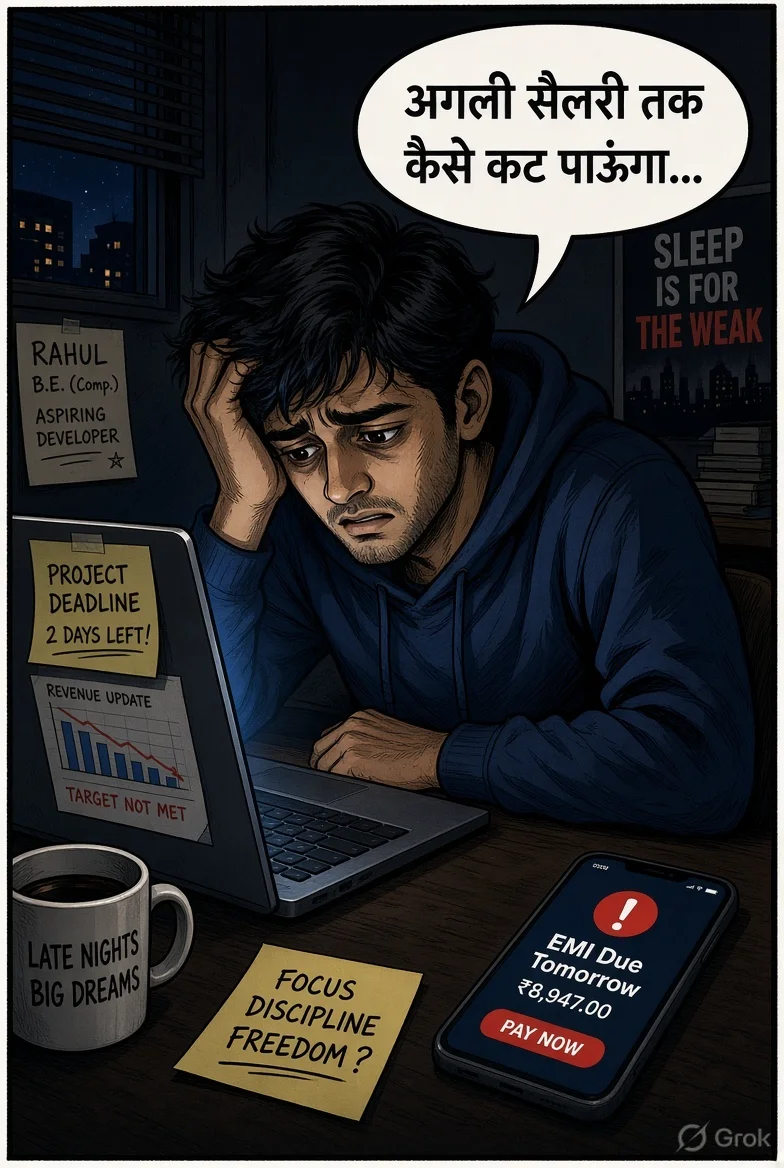
Sunday anxiety, लगातार irritability, हर discussion में cynicism, learning का बंद हो जाना, promotion के बाद भी emptiness, और “बस किसी तरह दिन खत्म हो” जैसी सोच warning signs हैं। अगर व्यक्ति interviews, networking या leave लेने से भी डर रहा है, और body symptoms—नींद, headaches, appetite changes—बढ़ रहे हैं, तो इसे केवल career decision न समझें। Trusted doctor या mental-health professional से बात करना sensible है।
Micro Retirement: full stop नहीं, छोटे commas
Micro Retirement का idea यह है कि traditional career में एक ही long retirement का इंतजार न किया जाए। व्यक्ति working life के बीच छोटे planned sabbatical या “mini-retirement” ले सकता है—कुछ हफ्ते, कुछ महीने, या कभी-कभी recurring low-work season। इस दौरान travel, rest, parenting, elder care, volunteering, creative work, health recovery या re-skilling किया जा सकता है।
यह paid leave, sabbatical, career break और vacation से overlap कर सकता है, लेकिन intent अलग है। Vacation अक्सर work से temporarily disconnect है; micro retirement identity और priorities को फिर से arrange करने का deliberate phase हो सकता है। यह हर व्यक्ति के लिए paid luxury नहीं। किसी के लिए six-month break, किसी के लिए हर quarter का long weekend, और किसी के लिए weekend में phone-free half-day भी recovery का practical version है।
Micro Retirement को realistic कैसे बनाएं?
सबसे पहले romantic fantasy को budget में translate करें। Break की duration, monthly essential expense, insurance, debt payments, dependents और re-entry plan लिखें। India में health insurance को employer से अलग arrange करना खास महत्वपूर्ण है। कम-से-कम emergency buffer, liquid savings और high-interest debt plan clear रखें। Partner/family से पहले बात करें: caregiving, school calendar और travel expectations hidden conflict बन सकते हैं।
दूसरा, break को measurable purpose दें—“थक गया हूँ” valid reason है, लेकिन recovery में sleep, medical check-up, fitness, course या portfolio project में से क्या priority है, यह लिखना confidence देता है। तीसरा, re-entry बनाए रखें: industry newsletter, two professional conversations per month, updated CV और skills evidence helpful हैं। हर break को productivity project बनाना जरूरी नहीं; rest का भी outcome होता है। फिर भी, return date, target roles और financial stop-rule तय करना anxiety घटाता है।
Employer से पूछें कि unpaid leave, sabbatical, compressed week, part-time return या internal mobility available है या नहीं। Verbal promise पर निर्भर न रहें; policy, benefits और role status लिखित में समझें। अगर formal option न हो, तो “micro” version अपनाएं—earned leave को एक साथ लेना, meeting-free evening, no-contact weekend, या monthly personal day।
Burnout: थकान से आगे की स्थिति
Burnout ordinary tiredness नहीं है। एक busy week के बाद नींद और weekend से energy लौट सकती है। Burnout में stress लंबे समय तक unresolved रहता है और व्यक्ति की energy, attitude तथा effectiveness तीनों पर असर पड़ता है। WHO के occupational definition में तीन dimensions महत्वपूर्ण हैं: energy depletion/exhaustion, काम से बढ़ती mental distance या negativity, और professional efficacy में कमी। इसे self-diagnosis label की तरह नहीं, signal की तरह लें। Depression, anxiety, thyroid issues, sleep disorders या अन्य medical conditions भी similar symptoms दे सकती हैं—इसलिए persistent symptoms पर professional help लें।
Burnout के signs
- सुबह उठते ही काम की dread और छुट्टी में भी recovery न होना।
- Small tasks disproportionate लगना, focus और memory slip होना।
- Colleagues/customers से emotional numbness, sarcasm या unusually short temper।
- Mistakes बढ़ना, decisions टालना और creativity खत्म लगना।
- Sleep disturbance, frequent headaches, muscle tension, पेट की समस्या या appetite change।
- “मेरे काम का कोई मतलब नहीं” या “मैं कितना भी करूँ, कम है” वाली persistent feeling।
एक sign अपने-आप में proof नहीं। Pattern, duration और functioning देखें। Burnout को केवल individual resilience की कमी कहना unfair है, क्योंकि workload, staffing, role ambiguity, unfair treatment, unpredictable shifts और always-on communication organisational factors हैं।
2026 workplace trends: India lens
2026 में AI adoption से कुछ repetitive tasks तेज होंगे, पर transition के दौरान employees को नई tools सीखने, output verify करने और कभी-कभी same time में अधिक context संभालने का दबाव हो सकता है। “AI ने time बचाया” का अर्थ तभी meaningful है जब saved time को endless extra work से न भर दिया जाए। Managers को workload redesign, training और realistic capacity planning करना होगा।
Hybrid work का दूसरा side boundary problem है। घर से काम करने वाला employee commute बचाता है, पर late-night pings, camera fatigue और invisible work के कारण availability prove करने की जरूरत महसूस कर सकता है। दूसरी ओर, office return policies commute, childcare और disability access को अलग-अलग प्रभावित करती हैं। Fairness का मतलब सबको एक ही schedule देना नहीं, बल्कि role और need के हिसाब से transparent flexibility देना है।
Gig, contract और platform work में autonomy दिखती है, लेकिन income volatility और benefits gap stress बढ़ा सकते हैं। Young professionals side hustle, creator work या freelancing से optionality बनाना चाहते हैं; मगर side work यदि sleep और main job दोनों खा जाए तो micro retirement के बजाय दूसरा burnout engine बन जाता है। Gen Z और millennials values, mental health और learning को salary के साथ weigh कर रहे हैं, फिर भी inflation और family expectations stability को powerful बनाते हैं। यही tension Job Hugging को 2026 का understandable pattern बनाती है।
Practical playbook: आज से क्या करें?
Employee के लिए
1. Signal log बनाएं: दो हफ्ते तक energy, sleep, workload, trigger और recovery लिखें। इससे “मैं weak हूँ” की जगह specific pattern दिखेगा।
2. Job को तीन buckets में बांटें: non-negotiables (salary, location, insurance), fixable issues (meeting load, unclear priorities) और exit reasons (harassment, unsafe conduct, no learning)।
3. Workload conversation करें: manager से “बहुत काम है” के बदले current tasks, hours, deadlines और trade-offs लेकर जाएं। पूछें: “इन चार priorities में इस week कौन-सी दो पहले हों?”
4. Boundary को visible बनाएं: calendar में focus blocks, response window और end-of-day status लिखें। Emergency definition और escalation path team के साथ तय करें।
5. Exit runway बनाएं: monthly essential cost निकालें, emergency fund target तय करें, CV/LinkedIn/portfolio update करें, और हर महीने एक market conversation करें। Resign करना immediate लक्ष्य नहीं; choice बनाना लक्ष्य है।
6. Recovery को schedule करें: daily walk, sleep routine, lunch away from screen, phone-free block और real leave लें। Leave में भी inbox check करते रहना leave नहीं है।
7. Help जल्दी लें: trusted colleague, manager, HR, EAP, doctor या therapist से बात करें। Self-care structural harm का replacement नहीं, support layer है।
Managers और organisations के लिए
Burnout रोकने के लिए pizza, mindfulness session या motivational mail काफी नहीं। Headcount और workload का audit करें; priorities limit करें; after-hours norms लिखें; leave लेने पर penalty न दें; managers को listening और psychologically safe feedback सिखाएं। Performance को online presence से नहीं, agreed outcomes से measure करें। Return-from-break employees को quietly punish न करें। Career mobility, learning budget, predictable scheduling और confidential mental-health support retention से भी आगे, basic workplace quality हैं।
कब Job Hugging छोड़ने की तैयारी जरूरी है?
हर difficult quarter में exit नहीं। लेकिन harassment, discrimination, unsafe conditions, wage violations, retaliation, लगातार health deterioration या values के गंभीर टूटने को “थोड़ा और सह लो” कहकर normalise नहीं करना चाहिए। ऐसे cases में documentation, trusted support, legal/HR advice और financially safe exit plan बनाएं। यदि तत्काल safety risk हो, तो safety first—career optics बाद में।
दूसरी तरफ, केवल boredom के कारण impulsive resignation भी महंगा हो सकता है। पहले role redesign, internal transfer, leave, coaching, skill-building और market testing के options देखें। Decision matrix में money, health, learning, location, manager और family impact को 1–5 score देकर compare करें। Perfect job नहीं मिलेगी; better-fit और sustainable job मिल सकती है।
FAQ: पांच जरूरी सवाल
1) क्या Job Hugging का मतलब व्यक्ति कामचोर है?
नहीं। अक्सर यह rational risk management है—income, insurance, family और weak market के कारण employee रुकता है। समस्या तब है जब holding pattern health और future options दोनों को लगातार नुकसान पहुँचाने लगे।
2) क्या Micro Retirement लेने के लिए बहुत पैसा चाहिए?
लंबे break के लिए buffer जरूरी है, पर micro retirement का scale flexible है। Planned leave, short sabbatical, recurring no-work days या low-cost local reset भी version हो सकते हैं। Budget, insurance और return plan पहले बनाएं।
3) क्या एक छुट्टी burnout ठीक कर देती है?
कभी temporary relief मिलता है, पर workload, abusive manager, low control या staffing issue जस का तस रहे तो symptoms लौट सकते हैं। Recovery के साथ work redesign और medical/mental-health support भी जरूरी हो सकता है।
4) Manager से burnout की बात कैसे शुरू करें?
Facts और request के साथ: “पिछले तीन हफ्तों में X deadlines, Y late hours और Z errors हुए हैं। Quality बचाने के लिए priorities reduce करें या deadline move करें; मेरी प्रस्तावित priority list यह है।” Personal details उतनी ही साझा करें जितनी comfortable हों।
5) कब professional help लेनी चाहिए?
जब symptoms कई हफ्तों तक रहें, sleep/functioning प्रभावित हो, panic/depression जैसा लगे, substance use बढ़े, या self-harm thoughts आएं। Doctor या mental-health professional से संपर्क करें। Self-harm का immediate risk हो तो local emergency service या trusted person से तुरंत मदद लें।
निष्कर्ष: career को endurance test न बनाएं
Job Hugging हमें बताता है कि stability और satisfaction के बीच gap हो सकता है। Micro Retirement याद दिलाता है कि life को केवल final retirement तक postpone करना जरूरी नहीं। Burnout चेतावनी देता है कि लगातार overwork को ambition का नाम देने की कीमत health और relationships हो सकती है। 2026 की smart career strategy impulsive quitting नहीं, बल्कि informed optionality है: money buffer, portable skills, honest boundaries, meaningful recovery और समय पर support।
Advice note: यह general educational information है, personal medical, legal या financial advice नहीं। अपने context के अनुसार qualified professional से सलाह लें।
डिस्क्लेमर: ये शैक्षिक करियर/वेलनेस जानकारी है। मानसिक स्वास्थ्य लक्षणों पर योग्य प्रोफेशनल से सलाह लें।