Indian Government Blocks 22 YouTube Channels for Fake News
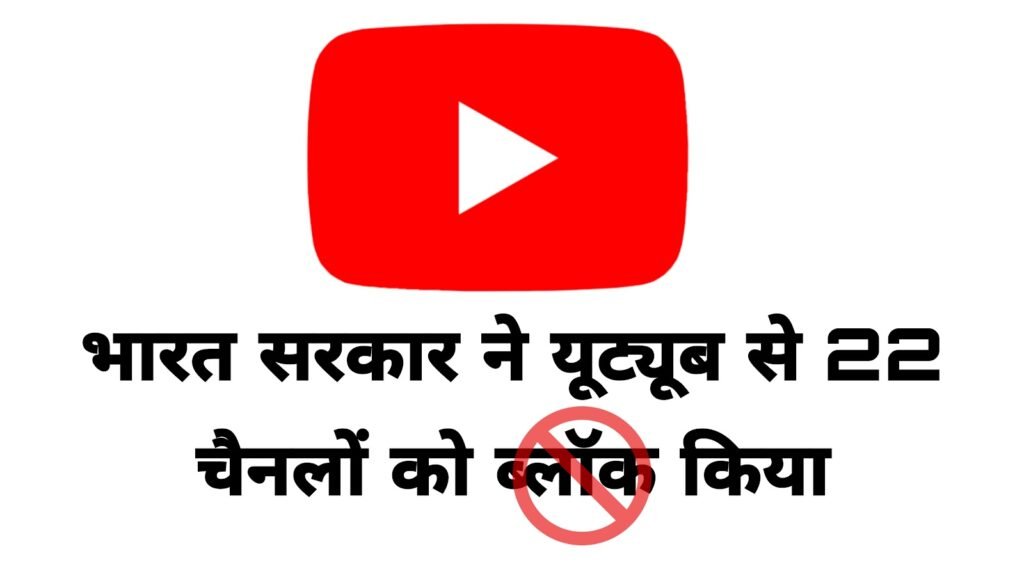
The Indian government has recently blocked 22 YouTube channels for allegedly spreading fake news and engaging in anti-India propaganda. This move highlights the government’s commitment to combating misinformation and ensuring that digital platforms are not used to incite hatred or mislead the public. Many of these channels were found to be publishing false narratives, particularly concerning India’s national security, foreign relations, and social harmony.
Why Were These YouTube Channels Blocked?
The primary reason cited for blocking these channels is their consistent dissemination of fabricated content and deliberate attempts to mislead viewers. The government’s assessment indicated that these channels were not providing accurate information and were actively trying to provoke or incite certain sections of the population. Such activities are considered detrimental to the country’s stability and social fabric. A significant portion of the blocked channels were based in Pakistan, accused of spreading false news about India.
List of Blocked YouTube Channels
The following 22 YouTube channels have been completely blocked by YouTube India following the government’s directive:
Indian YouTube Channels Blocked:
- ARP News
- AOP News
- LDC News
- SarkariBabu
- SS ZONE Hindi
- Smart News
- News23Hindi
- Online Khabar
- DP news
- PKB News
- KisanTak
- Borana News
- Sarkari News Update
- Bharat Mausam
- RJ ZONE 6
- Exam Report
- Digi Gurukul
Pakistan-based YouTube Channels Blocked:
- DuniyaMeryAagy
- Ghulam Nabi Madni
- HAQEEQAT TV
- HAQEEQAT TV 2.0
Combating Misinformation in the Digital Age
The blocking of these channels is part of a broader effort by the Indian government to regulate content on digital platforms and prevent the spread of harmful misinformation. In an era where information can spread rapidly online, it is crucial to have mechanisms in place to identify and counter false narratives. The government relies on intelligence and analysis to identify channels that violate content guidelines and pose a threat to national security or public order. While this action targets specific channels, it underscores the challenges of content moderation and the ongoing battle against fake news.
Frequently Asked Questions
Q1: Why did the Indian government block these YouTube channels?
The Indian government blocked these 22 YouTube channels because they were found to be spreading fake news, misinformation, and content that could incite hatred or disturb public order. Some channels were also accused of publishing anti-India propaganda.
Q2: How many YouTube channels were blocked in total?
A total of 22 YouTube channels were blocked by the Indian government.
Q3: Were any of the blocked channels based outside India?
Yes, out of the 22 blocked channels, four were based in Pakistan and were found to be spreading false information about India.
Q4: What kind of content was being spread by these channels?
The channels were reportedly spreading fabricated news, misleading information, and propaganda, often related to sensitive topics like national security, foreign policy, and social issues.
Q5: What action can users take if they encounter fake news on YouTube?
Users who encounter fake news or misleading content on YouTube can report the video or channel directly to YouTube. Additionally, they should exercise critical thinking and verify information from multiple credible sources before believing or sharing it.
The government’s decision to block these channels reflects a growing concern over the impact of misinformation on society. While the intent is to safeguard citizens, such actions also raise discussions about freedom of speech and content regulation in the digital space. It is essential for users to remain vigilant and consume online content responsibly.