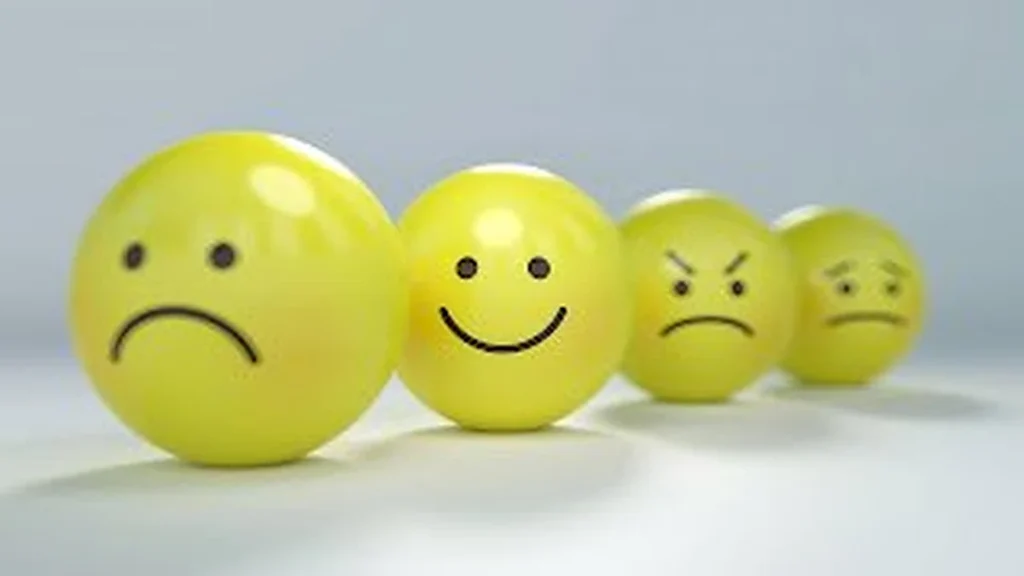
What is Mental Stress and Its Symptoms?
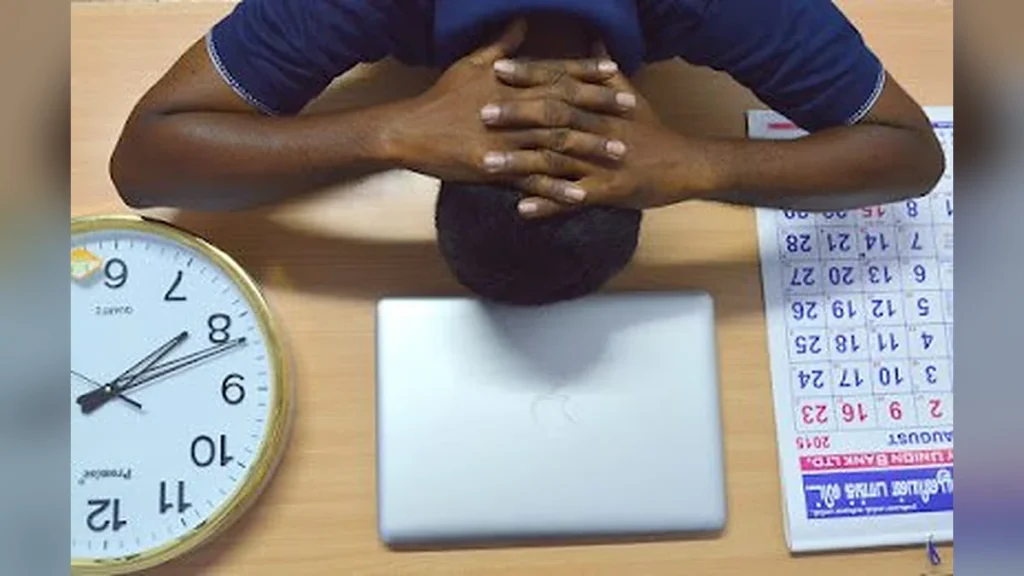
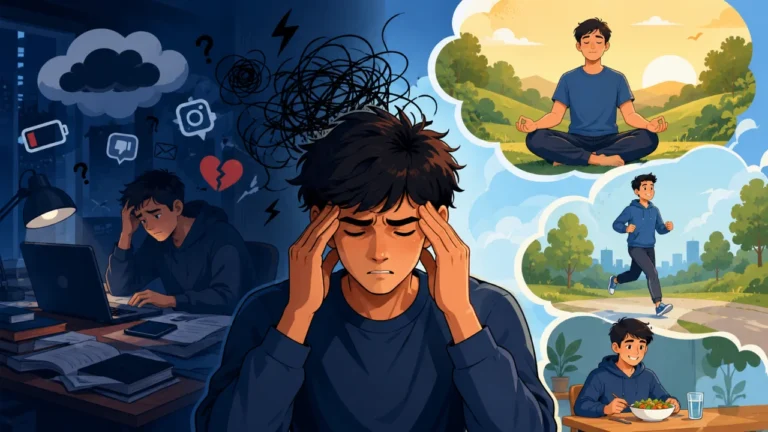
Mental stress is a state where an individual feels pressure or challenge due to surrounding circumstances or internal thoughts. It’s a natural response that helps us deal with threats, but it can become harmful if it persists. Common signs of stress can manifest physically, mentally, and behaviorally.
Common Stress Symptoms:
- Physical: Headaches, muscle pain, fatigue, insomnia or excessive sleep, digestive issues, changes in appetite.
- Mental: Anxiety, irritability, difficulty concentrating, negative thoughts, hopelessness, memory problems.
- Behavioral: Social withdrawal, anger, increased alcohol or smoking consumption, lack of motivation at work.
Common Causes of Mental Stress

Modern lifestyles have introduced new stressors, while traditional ones remain. Understanding these is crucial for effective management:
- Workplace Pressure: Heavy workload, deadlines, difficult relationships with colleagues or superiors.
- Financial Problems: Debt, job loss, income instability.
- Relationship Challenges: Conflicts with family, friends, or partners; loneliness.
- Health Concerns: Personal illness or that of loved ones, chronic conditions.
- Major Life Changes: Marriage, divorce, childbirth, relocation.
- Social Pressure and Social Media: Comparison with others, pressure to appear perfect, online harassment.
- Information Overload: Constant exposure to news and information.
Effective Ways to Reduce Mental Stress
While eliminating stress entirely might be impossible, managing and reducing it is certainly achievable. Here are some methods to help you find relief:
1. Mindfulness and Meditation

Mindfulness means living fully in the present moment, accepting your thoughts and emotions without judgment. Regular meditation practice calms the mind, improves concentration, and lowers stress levels. Even 10-15 minutes of daily meditation can be highly effective. Find a quiet spot and focus on your breath.
2. Physical Activity
Exercise is an excellent stress reliever. It triggers the release of endorphins, hormones that improve mood and reduce pain. Engaging in 30 minutes of brisk walking, yoga, cycling, or any sport daily can make you feel lighter mentally. It benefits not only physical health but also provides mental clarity.
3. Balanced and Nutritious Diet

Your diet directly impacts your mood and energy levels. A balanced diet rich in fruits, vegetables, whole grains, and protein supports optimal brain function. Avoid excessive sugar, caffeine, and processed foods, as they can increase stress and anxiety. Stay hydrated by drinking plenty of water.
4. Adequate and Quality Sleep
Sleep deprivation is a major contributor to stress. Aim for 7-9 hours of quality sleep each night. Reduce screen time before bed, and avoid caffeine and heavy meals. Create a relaxing sleep environment and try to maintain a consistent sleep-wake schedule, even on weekends.
5. Time Management and Prioritization

A disorganized lifestyle can cause stress. Prioritize your tasks, create daily or weekly plans, and learn to say ‘no’ to commitments that don’t align with your priorities or feel overwhelming. Completing small goals boosts confidence and reduces stress.
6. Social Connection and Support
Spending time with friends and family, and sharing your feelings can significantly reduce stress. Loneliness can exacerbate stress. Connect with people who understand and support you. Talking to a trusted individual can lighten your mental load.
7. Hobbies and Recreation

Dedicate time to activities you enjoy, such as reading, listening to music, gardening, painting, or learning a new skill. These activities distract the mind and bring joy. Making time for recreation and relaxation is as important as working.
8. Digital Detox
Social media and constant online presence can increase mental pressure. Practice regular digital detoxes by taking breaks from your phone and the internet. Spend time in nature or focus on real-world experiences.
9. Acceptance and Letting Go
Some things are beyond our control. Learning to accept them and release worries associated with them is vital. Instead of dwelling on what cannot be changed, focus your energy on aspects you can influence.
10. Professional Help
If stress becomes overwhelming and unmanageable on your own, do not hesitate to seek help from a mental health professional, such as a therapist or counselor. They can teach you effective strategies and suggest appropriate treatments if needed.
Conclusion
Mental stress has become an integral part of modern life, but this doesn’t mean we must succumb to it. The methods outlined above can help you cope with stress and lead a calmer, happier life. Remember, this is a journey, not a one-day fix. Start with small changes and gradually incorporate them into your routine. Taking care of your mind is as crucial as taking care of your body. So, prioritize your mental health today and take a step towards a stress-free life.
Frequently Asked Questions
- How can I reduce mental stress quickly?
For immediate relief, try deep breathing exercises, a short walk in nature, listening to calming music, or practicing a quick mindfulness technique. - What are the best long-term strategies to manage chronic stress?
Long-term management involves consistent practices like regular exercise, a balanced diet, sufficient sleep, mindfulness meditation, effective time management, and maintaining strong social connections. - Can lifestyle changes significantly reduce stress?
Absolutely. Adjusting your diet, ensuring adequate sleep, incorporating physical activity, and practicing relaxation techniques are powerful lifestyle changes that can profoundly reduce stress. - When should I consider seeking professional help for stress?
If stress is significantly impacting your daily functioning, relationships, or overall well-being, and self-help methods aren’t sufficient, it’s time to consult a mental health professional. - How does social media contribute to mental stress?
Social media can contribute to stress through social comparison, fear of missing out (FOMO), cyberbullying, and the constant pressure to present an idealized version of oneself, leading to anxiety and dissatisfaction.