Why Good Sleep is Essential
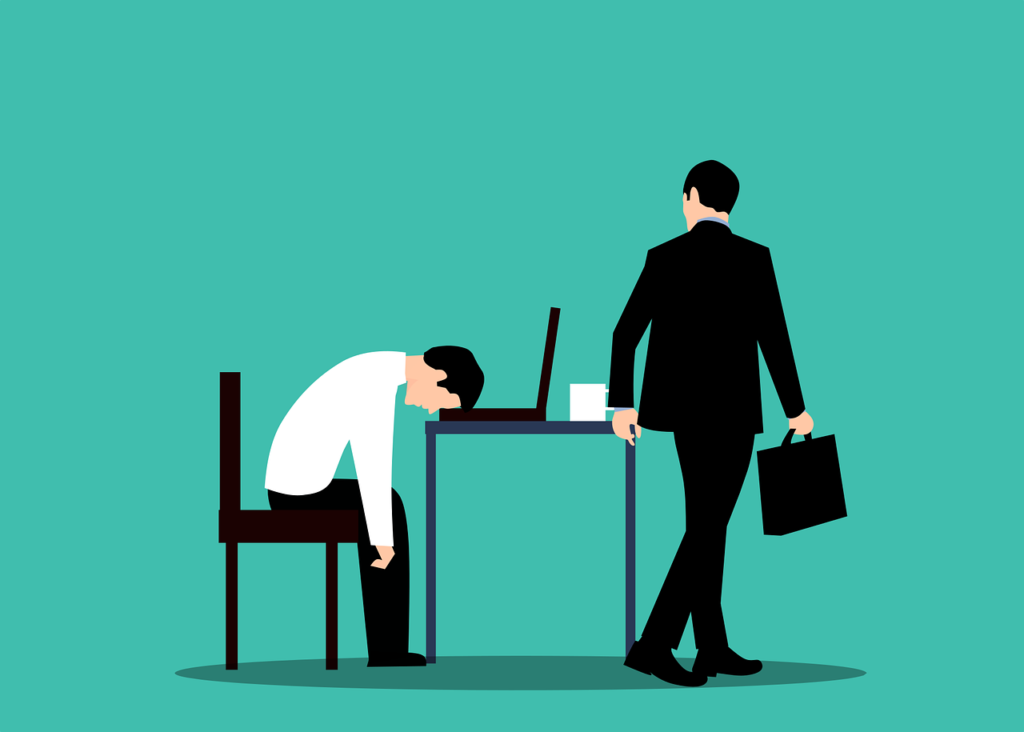
In today’s fast-paced world, sleep often takes a backseat. Many studies show that people are getting significantly less sleep than they need, which can lead to various health issues. Experts recommend 8-9 hours of sleep per night, but modern lifestyles make this difficult for many. Insufficient sleep can cause daytime drowsiness, reduced concentration, and irritability, impacting both personal well-being and professional performance.
Consequences of Sleep Deprivation
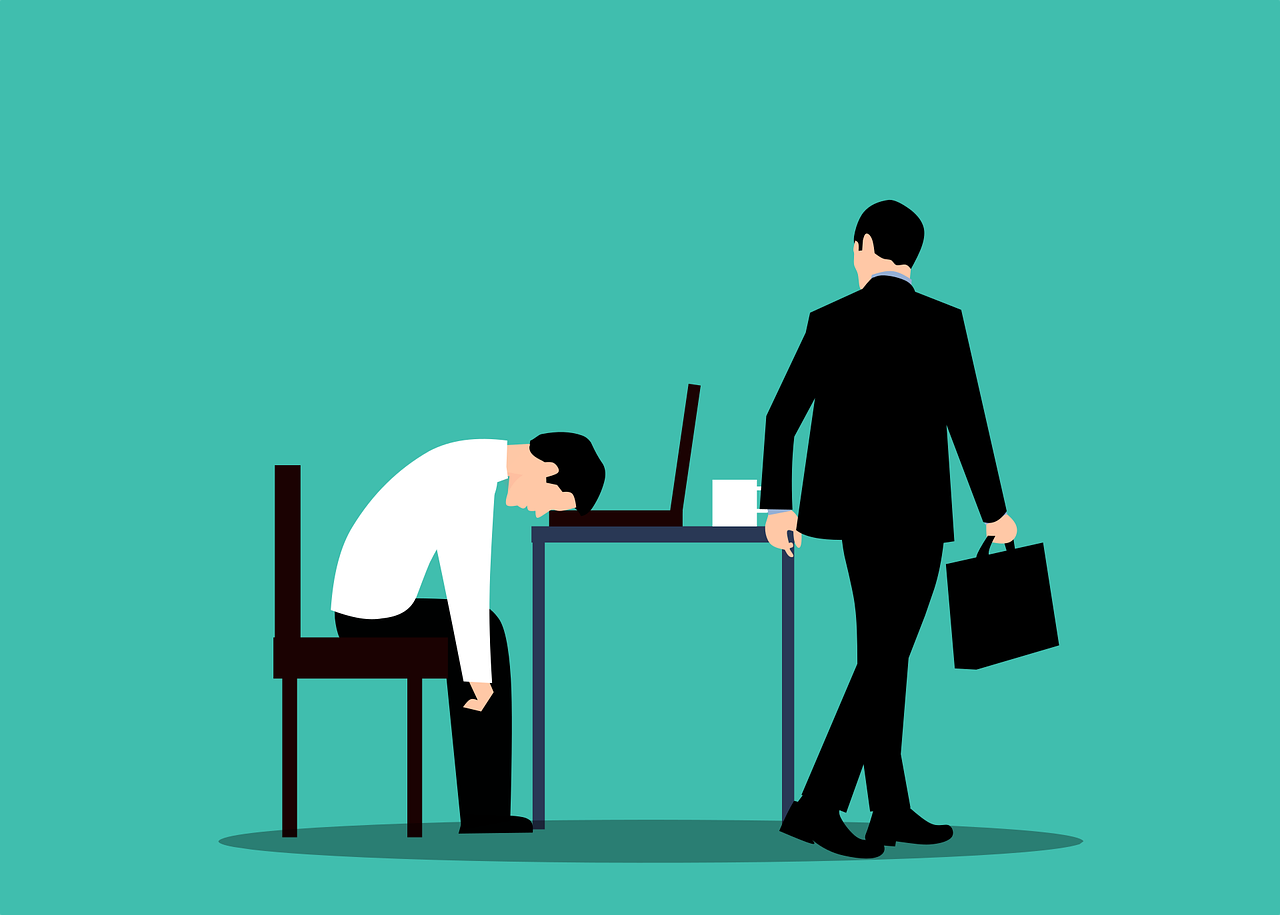
Not getting enough sleep can have a profound impact on your physical and mental health:
- Increased Stress and Irritability: Lack of sleep prevents your brain from resting, leading to increased stress, reduced cognitive function, and a tendency towards moodiness or even depression.
- Weakened Memory: Chronic sleep deprivation can impair memory, making it difficult to recall everyday information and affecting decision-making abilities.
- Digestive Issues: Inadequate sleep disrupts the digestive system, leading to indigestion, bloating, and irregular bowel movements.
- Weight Gain and Heart Problems: Poor sleep is linked to an increased risk of obesity, high blood pressure, diabetes, and other cardiovascular issues.
- Reduced Immunity: Sleep is crucial for immune function. When you don’t sleep enough, your body’s ability to fight off infections diminishes, making you more susceptible to common illnesses like colds and coughs.
- Blood Sugar Imbalance: Even one night of poor sleep can raise blood sugar levels. Prolonged sleep deprivation increases the risk of developing diabetes.
- Hormonal Imbalance: Lack of sleep can disrupt hormone regulation, potentially leading to issues like thyroid problems, irregular periods, mood swings, and weight gain, particularly in women.
- Eye Strain: Your eyes need rest to function properly. Insufficient sleep can lead to eye fatigue and a gradual weakening of vision.
- Body Aches: Sleep allows your body to recover. Without adequate rest, you might experience persistent aches and pains, especially in the neck and back.
Effective Home Remedies for Better Sleep
Achieving restful sleep doesn’t always require complex solutions. Incorporating these simple home remedies can significantly improve your sleep quality:
1. Maintain a Consistent Sleep Schedule
Set a regular bedtime and wake-up time, and stick to it as closely as possible, even on weekends. This helps regulate your body’s natural sleep-wake cycle (circadian rhythm).
2. Avoid Stimulants Before Bed
Steer clear of caffeine (found in tea, coffee, and some soft drinks) and nicotine for at least 4-6 hours before you plan to sleep. These substances can interfere with your ability to fall asleep.
3. Limit Alcohol Intake
While alcohol might make you feel drowsy initially, it disrupts sleep patterns later in the night, leading to fragmented sleep and waking up feeling unrested.
4. Create a Relaxing Sleep Environment
Ensure your bedroom is quiet, dark, and cool. Use earplugs or an eye mask if necessary. A peaceful environment signals to your brain that it’s time to wind down.
5. Disconnect from Electronics
The blue light emitted from screens (TVs, smartphones, tablets) can suppress melatonin production, making it harder to fall asleep. Avoid using electronic devices for at least an hour before bedtime.
6. Engage in Light Physical Activity
A short, gentle walk or some light stretching 15-20 minutes before bed can help relax your body and mind, promoting better sleep. Avoid strenuous exercise close to bedtime.
7. Eat a Balanced Diet
A nutritious diet rich in essential vitamins and minerals supports overall health, including sleep regulation. Ensure your meals are balanced and avoid heavy foods close to bedtime.
8. Consider a Warm Bath or Herbal Tea
A warm bath can help relax your muscles and lower your body temperature slightly, which can induce sleepiness. Certain herbal teas, like chamomile, are known for their calming properties.
When to Seek Professional Help

While these home remedies are effective for many, persistent sleep problems might indicate an underlying issue. If you’ve tried these methods consistently and still struggle with sleep, it’s advisable to consult a healthcare professional. Chronic insomnia can have significant health implications, and a doctor can help identify the cause and recommend appropriate treatment.
Frequently Asked Questions (FAQs)
- What should I do if I can’t fall asleep?
Try implementing the home remedies mentioned above, such as maintaining a consistent sleep schedule, avoiding stimulants, and creating a relaxing sleep environment. Gentle exercise and disconnecting from electronics before bed can also help. - How many hours of sleep do I really need?
Most adults require 7-9 hours of quality sleep per night for optimal health and cognitive function. - When should I see a doctor for sleep problems?
If you consistently have trouble sleeping despite trying various home remedies, or if your sleep issues are significantly impacting your daily life, it’s time to consult a doctor. - Can I take sleep medication?
Sleep medications can be effective for short-term use, but they should always be taken under the guidance of a doctor. Self-medicating can lead to dependency and other health risks.