 Vista

When is Birsa Munda Jayanti in 2026? It falls on Sunday, November 15, 2026, marking the 151st birth anniversary of Birsa Munda, a prominent tribal freedom fighter and social-religious leader from the Chotanagpur region. India also observes Janjatiya Gaurav Divas, or Tribal Pride Day, on November 15. His birth took place in Ulihatu, in present-day Khunti district, Jharkhand, on November 15, 1875. He died in Ranchi Jail on June 9, 1900. Those are different commemorative dates: his birthday is in November; his death anniversary is in June.
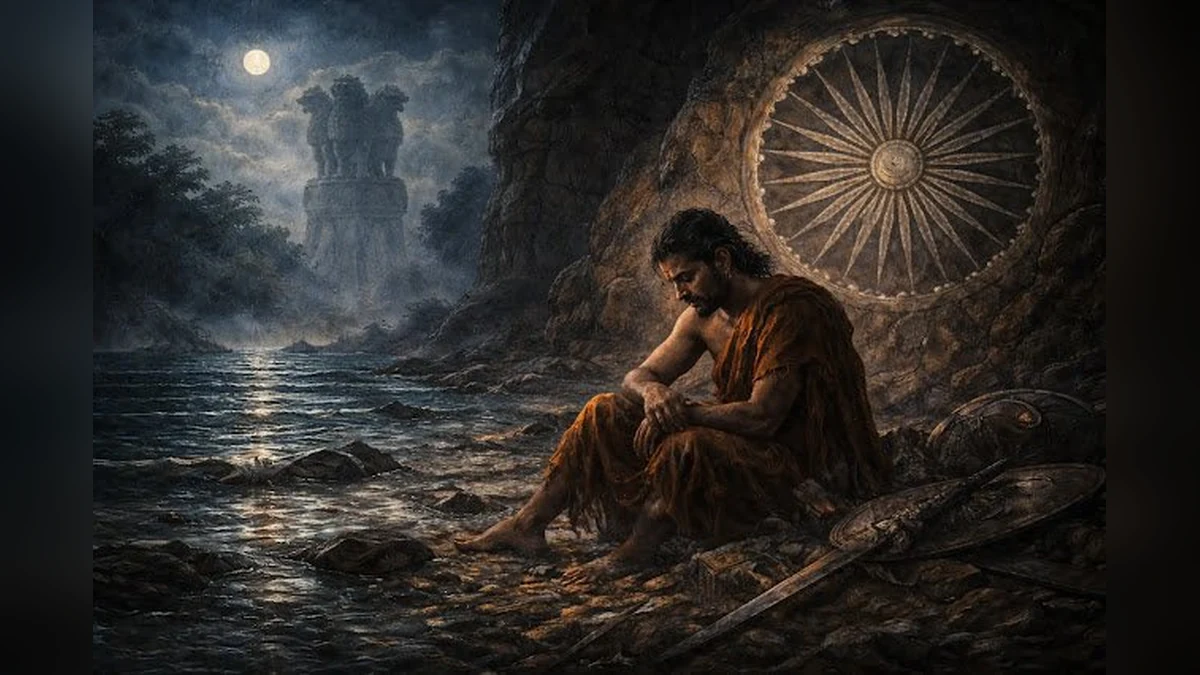
This guide explains his life, the Ulgulan movement of 1899–1900, why land rights mattered, what Janjatiya Gaurav Divas means, what the 2026 programme covers, and how students can prepare a short speech. It also clarifies an important regional question: Birsa Munda was from the Munda community in the Chotanagpur region, not from Madhya Pradesh, although Gond and other Adivasi communities across India may respectfully celebrate his legacy. The images on this page include artistic interpretations, informational graphics and photographs of statues. They are not presented as original battlefield photographs.

Share this article on WhatsApp
Birsa Munda Jayanti 2026: The date and what the 151st anniversary means
Subtracting his birth year, 1875, from 2026 gives 151 years. This is why 2026 is the 151st birth anniversary and not the 150th. Posters from November 2025 may say “150th”; reproducing that text for the 2026 occasion would be misleading. The calendar date is fixed at November 15 and does not depend on a festival lunar date or a religious muhurat. Families, schools and community organisations can observe it on the day or organise an educational event at a convenient time.
The Indian government designated November 15 as Janjatiya Gaurav Divas in 2021 to recognise the contribution of tribal freedom fighters and celebrate their cultural heritage. The observance is linked to Birsa Munda’s birthday but has a broader national purpose. It offers a chance to learn about many Adivasi communities and their distinct histories rather than treating all communities as culturally identical. In 2026 the Union Ministry of Tribal Affairs announced a countrywide Janjatiya Gaurav Pakhwada from November 1 to 15, culminating in the anniversary observance.
Where was Birsa Munda born, and who was he?
Birsa Munda was born in Ulihatu, a village in what is now Jharkhand. Today the site is associated with the reverential name Dharti Aaba, commonly rendered “Father of the Earth”. His life unfolded against major changes to landholding and local authority in the nineteenth-century Chotanagpur plateau. The history of the Munda people is inseparable from community agriculture, local networks, forests, and customary relationships with land. In his youth, these relationships were under severe pressure from landlords, moneylenders, contractors, colonial revenue rules and forced-labour practices.
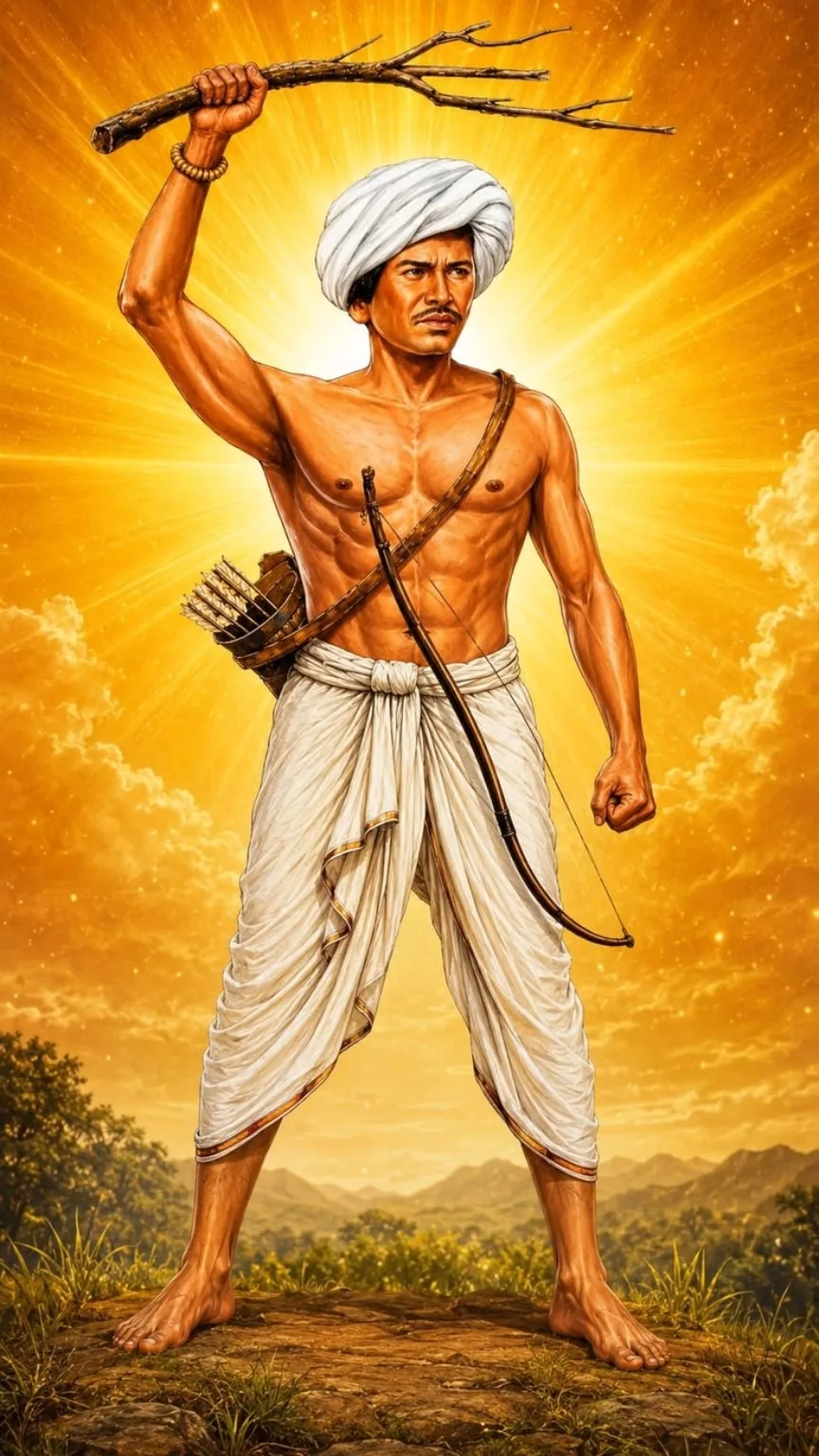
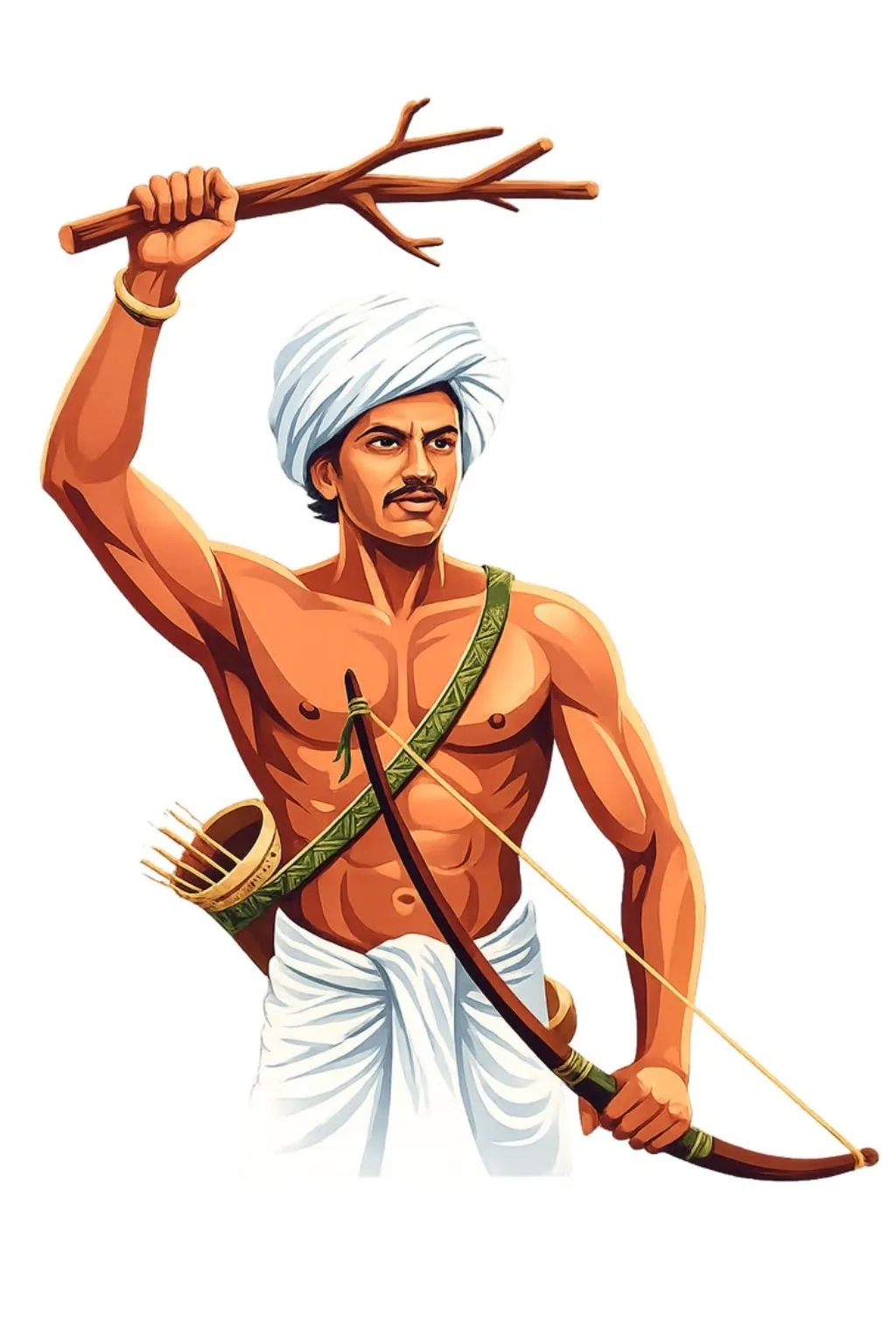
Descriptions of Birsa Munda as a freedom fighter and reformer are closely connected. He was recognised by followers as a spiritual leader and inspired forms of social organisation as well as resistance to colonial authority. His story should not be reduced to a portrait with a bow and arrows. Those are familiar symbols in modern artwork, but the historical movement involved questions of tenure, labour, dignity and self-rule. Reliable research distinguishes what historical records establish from the imagery later generations use to honour him.
Why land and customary rights were central to the movement
To understand Birsa Munda’s rebellion, it helps to know the Khuntkatti system, a form of customary lineage-based landholding among the Mundas. Land was not merely an individual commodity detached from community life. Rights and responsibilities could be shaped through kinship, village membership, cultivation and inheritance. The expansion of intermediary landlords, outside revenue claims and powerful moneylenders contributed to land alienation and growing uncertainty for local cultivators.
Beth-begari, or coercive labour obligations, was another grievance. Different local groups experienced these pressures in different ways, so a single slogan cannot capture the complexity of the entire region. Nevertheless, customary land rights, extraction of dues, labour obligations and a desire for collective control were central themes. These issues help explain why Birsa Munda could mobilise followers beyond a purely religious or personal campaign. His leadership became connected with broader challenges to colonial rule and its local structures.
What was the Ulgulan movement of 1899–1900?
The term Ulgulan is frequently translated as a “Great Tumult” or major uprising. It refers to the resistance associated with Birsa Munda that reached an intense phase in late 1899 and early 1900. The movement grew from decades of social and economic changes rather than appearing overnight. It challenged colonial authority and the conditions under which many Munda villagers were losing control over land and labour. There were attacks and confrontations, followed by forceful colonial suppression and prosecutions of participants.
Historians examine Ulgulan alongside other tribal and agrarian resistance movements in nineteenth-century India. That context matters: the struggle involved politics, land, local culture and beliefs, not only a scene of a heroic individual defeating uniformed soldiers. Some illustrations depict a spectacular battlefield with dramatic lighting and imagined details. Such artwork may communicate a feeling of resistance, but it is not a photograph, and it cannot prove the precise course of an encounter. In educational writing, a map, timeline or carefully labelled symbolic image is often more useful than a supposedly “rare original photo” that has not been authenticated.

“Abua Dishom, Abua Raj”: Meaning and historical context
A phrase associated with self-rule in Chotanagpur is “Abua Dishom, Abua Raj”, often explained as “our land, our rule” or “our country, our governance”. Different local spellings and transliterations can be found. For learners, the important point is the aspiration to assert control over one’s homeland and community affairs. Avoid presenting a modern decorative banner as a verbatim transcript from a nineteenth-century meeting unless a reliable source supports that attribution.
Contemporary greetings such as “Jai Johar”, “Jai Seva” and “Jai Gondwana” may appear in community gatherings and image searches, particularly in parts of Madhya Pradesh. They can be respectful expressions of identity and solidarity. However, a greeting used today is not automatically a documented personal quotation from Birsa Munda. Similarly, “Jal, Jangal, Jameen” is an important modern shorthand in discussions of land, forests and water, but it should not be carelessly attributed as his exact recorded sentence.
Arrest, death in Ranchi Jail and the long-term legacy
Birsa Munda was arrested as the uprising came under colonial suppression, and he died in Ranchi Jail on June 9, 1900, at approximately twenty-five years of age. Contemporary colonial accounts referred to illness; later popular accounts sometimes offer different explanations. Without conclusive evidence it is more responsible to state the established date and place than to announce an unverified cause or dramatic conspiracy as fact. His death came before some of the later legal reforms commonly discussed with the movement’s legacy.
The Chotanagpur Tenancy Act of 1908 is significant in the history of land protection in this region. Historians connect the Act and preceding land settlement reforms to longstanding conflict over customary rights, including the wider background of Munda resistance. It would be incorrect to say Birsa Munda personally drafted the Act, because he died eight years before it was enacted. The strength of historical explanation lies in showing both the movement’s limitations during his lifetime and the continuing political and legal importance of the issues it raised.

Janjatiya Gaurav Divas 2026: National programmes and state-level checks
The Ministry of Tribal Affairs announced a nationwide Janjatiya Gaurav Pakhwada from November 1 to 15, 2026, with plans involving educational awareness, government programmes and events across states. The ministry’s announcement is a verified national framework. It does not establish the exact time, venue or chief guest for every district. An event in Mandla or Shahdol, for example, must be checked against the district administration or the organising institution before listing a definite schedule.
In Madhya Pradesh, the government’s 2026 holiday list names November 15 as National Janjatiya Gaurav Divas/Bhagwan Birsa Munda Jayanti. It falls on a Sunday. That does not mean every school, private employer or bank is automatically given an additional Monday holiday. Operating rules and official institutional notices matter. Reports about celebrations held in Jabalpur or Alirajpur in 2025 must not be republished as confirmed 2026 programmes. The date on a source is just as important as the place it mentions.
The Madhya Pradesh and Gondwana connection
Why is Birsa Munda commemorated in Madhya Pradesh if he was born in today’s Jharkhand? A historical figure can hold significance far beyond the geographical place of birth. Many Gond, Bhil and other Adivasi communities in Madhya Pradesh have their own histories of resistance, art, language and social organisation. They may also regard Birsa Munda as a symbol of wider Adivasi dignity. Respecting that shared admiration does not require claiming that he was ethnically Gond or that he was born in Mandla.
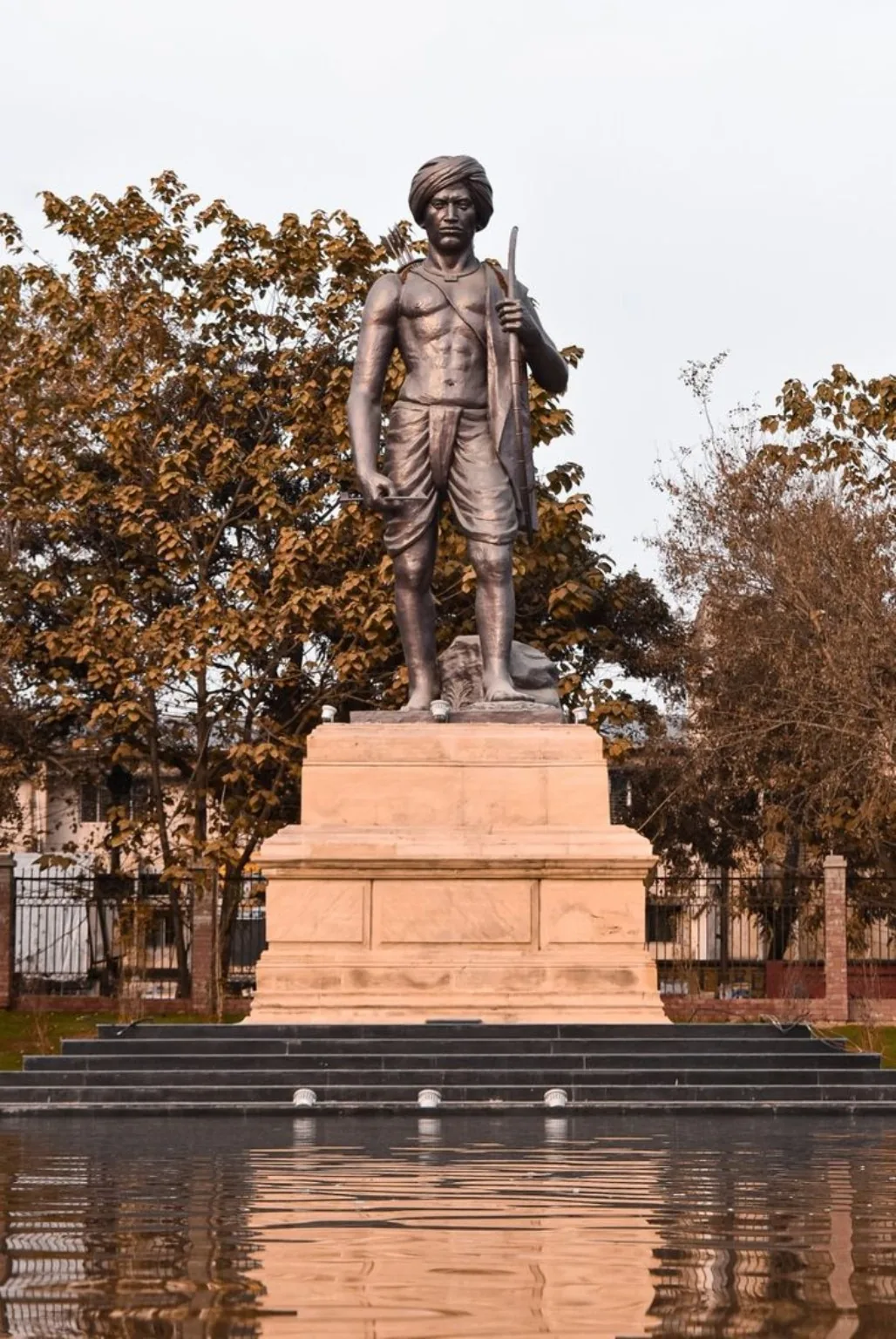
For local reporting, these distinctions are useful. A headline can accurately say “Birsa Munda Jayanti in Mandla” when describing an event held in Mandla, without implying it was his birthplace. Captions should name a photographed memorial only when its location is known. Educational explainers can connect the broader Janjatiya Gaurav Divas observance to local tribal heritage while retaining clear facts about the Munda community and the Chotanagpur movement.
An easy Birsa Munda Jayanti 2026 speech in English
“Respected principal, teachers and dear friends, today we remember Bhagwan Birsa Munda on his birth anniversary, November 15. Born in Ulihatu in 1875, he became an important leader of tribal resistance in Chotanagpur. He stood against exploitation, loss of land rights and injustice. The Ulgulan movement of 1899–1900 reminds us that dignity and community rights have played a major role in India’s history. We also observe November 15 as Janjatiya Gaurav Divas to honour the contributions of tribal freedom fighters and the rich heritage of different communities. Let us learn history carefully, respect cultural diversity and value education and equality. Thank you. Jai Johar.”
This is an original short school speech, not a historical quotation. Students can adapt the greeting to their school and add an accurately sourced fact about their own local community. A school assembly is a good place to learn both shared national history and the differences between communities. Avoid treating a dramatic AI image or a social-media slogan as the only basis for an essay or presentation.
Birsa Munda Jayanti images and why accurate captions matter
People searching for Birsa Munda Jayanti images HD, wallpapers, posters and tributes may want simple portraits, community greetings or factual infographics. The illustrations included here are labelled according to what they show. Some of the attached educational posters have text in Hindi, even though this article is written in English. Readers should not be told that the lettering inside a Hindi infographic is English. For a shareable English message, use the English text in this page’s caption or a text-free image instead.
The downloadable images retain their original useful pixel dimensions in WebP format. A responsive display in a narrow phone reading column is not necessarily a lower-resolution file: tapping the picture should open the actual full file. Good image SEO is descriptive, not repetitive. The ALT text for a drawing should say “illustration”; the ALT for a statue photograph should say “statue” rather than “rare historical photograph”. Every image should carry a truthful title and caption, with internal links to relevant galleries for visitors who want more options.
Quick timeline and key facts for students
1875: Birsa Munda is born on November 15 in Ulihatu. Late nineteenth century: social mobilisation develops amid land and labour grievances in Chotanagpur. 1899–1900: the Ulgulan uprising reaches its decisive phase. 1900: Birsa dies in Ranchi Jail on June 9. 1908: the Chotanagpur Tenancy Act is enacted in the context of enduring land-rights struggles. 2021: November 15 is designated Janjatiya Gaurav Divas. 2026: India observes his 151st birth anniversary on Sunday, November 15.
A timeline is a starting point, not the whole story. The movement’s spiritual dimensions, customary institutions, colonial administration and local responses need context. For exams, memorise the few dates that are consistently documented and then explain their significance in your own words. This produces a more accurate answer than memorising an elaborate but unverified internet account.

Frequently asked questions
Is Birsa Munda Jayanti a holiday in Madhya Pradesh in 2026?
November 15 is listed as a holiday in the Madhya Pradesh 2026 government calendar and falls on Sunday. Do not assume a compensatory Monday closure without a separate official order.
How old would Birsa Munda be in 2026?
The 2026 commemoration marks 151 years since his birth in 1875. He died in 1900 at approximately twenty-five years of age.
Was Birsa Munda a Gond tribal leader?
He belonged to the Munda community. Gond communities and many other groups may honour him; that respect does not change his documented identity.
What does Ulgulan mean?
It is commonly interpreted as a great upheaval or rebellion. It refers to the 1899–1900 movement associated with Birsa Munda in the Chotanagpur region.
Is Dharti Aaba another name for Birsa Munda?
Yes. Dharti Aaba is a widely used reverential name, usually translated as “Father of the Earth”.
Are the pictures in this article historical photographs?
Some are contemporary illustrations and some show statues. They should not be treated as documentary photographs of the 1899–1900 uprising.
Conclusion and trustworthy references
Birsa Munda Jayanti 2026 is an opportunity to commemorate a young leader whose legacy concerns community land rights, resistance to exploitation, social mobilisation and dignity. His life is best understood through the history of the Munda people in Chotanagpur, while Janjatiya Gaurav Divas invites us to study the contributions of tribal communities across India. Accurate dates, careful image labels and genuine local event verification make a stronger tribute than recycled headlines.
References: Ministry of Tribal Affairs, 2026 announcement; Madhya Pradesh government holidays 2026; Jharkhand Tourism, Ulihatu; PIB on the Birsa Munda museum and Ulgulan; INFLIBNET, tribal resistance.
This article is an educational explainer, not an official notice of local event timings or additional holidays. The artworks include modern historical interpretations rather than authenticated event photographs.


















Share Your Opinion
Comments are closed on this post.