Moti Mahal Ramnagar Mandla: History, Photos and a Practical Visit Guide
Moti Mahal in Ramnagar is a place to explore slowly. The courtyard, central water tank, old gateways and repeating arches invite questions about the people who once used them. Local stories add another layer: a brief shower of gold, a secret escape passage and treasure hunters searching around the palace. This guide separates those stories from published history and explains the photographs without promising more than they show.
Where is Moti Mahal, and who built it?
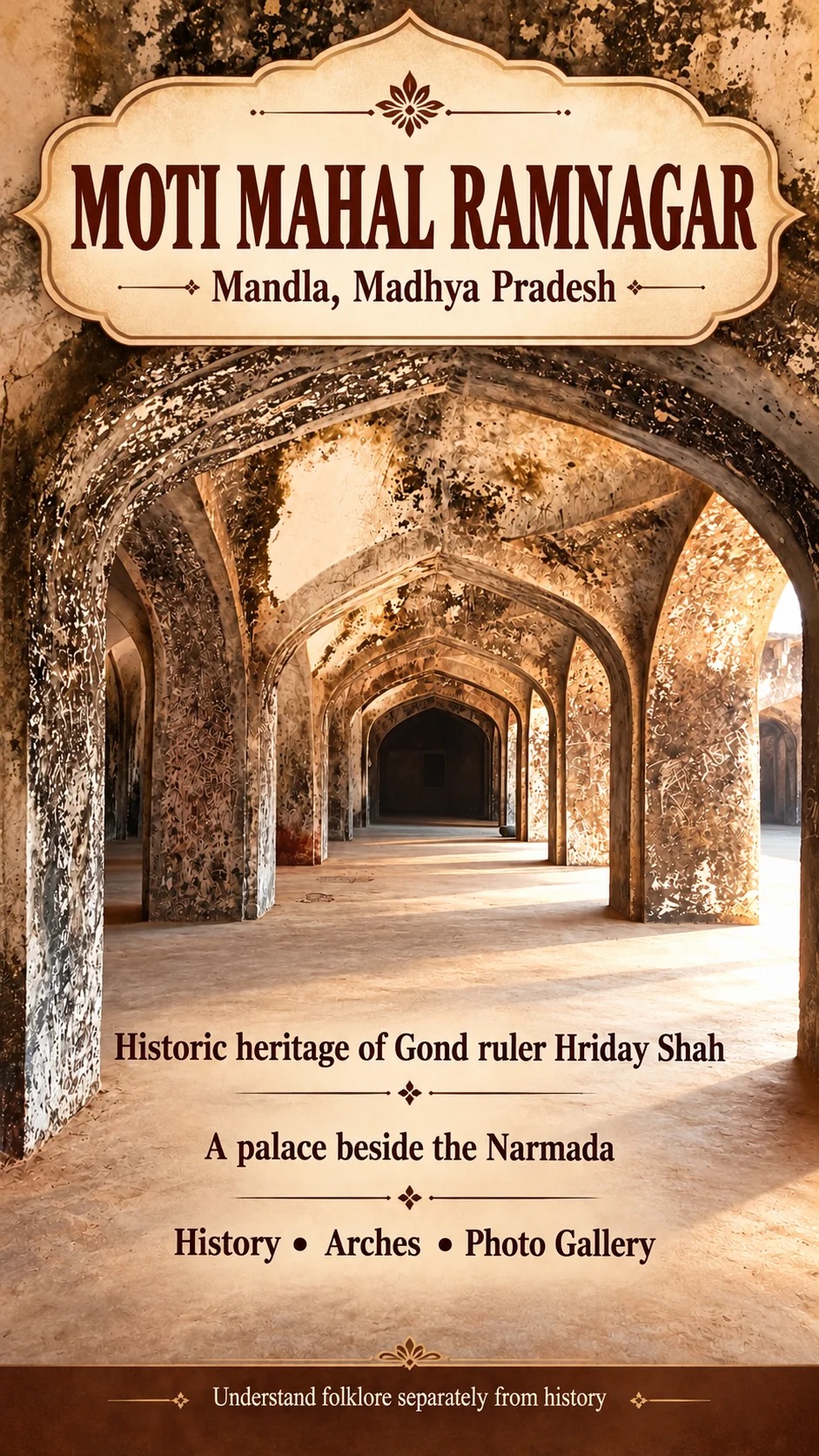
Moti Mahal stands beside the Narmada in Ramnagar, Mandla district, Madhya Pradesh. Search for “Moti Mahal Ramnagar Mandla” when checking directions. The full name matters because a search for Moti Mahal alone can return places outside this area.
A travel account published on the MP Tourism website attributes the palace to Gond ruler Hriday Shah. It gives 1651 as the beginning of construction and 1667 as the completion year. These details provide a useful starting point for understanding the monument without treating every story told about it as established history.
Visitors also encounter the name Ramnagar Fort for Moti Mahal. When planning a journey, distinguish this location from the fort in Mandla town. Check the destination on the map instead of assuming that every result mentioning a Mandla fort points to the same building.
What can you see inside the palace?
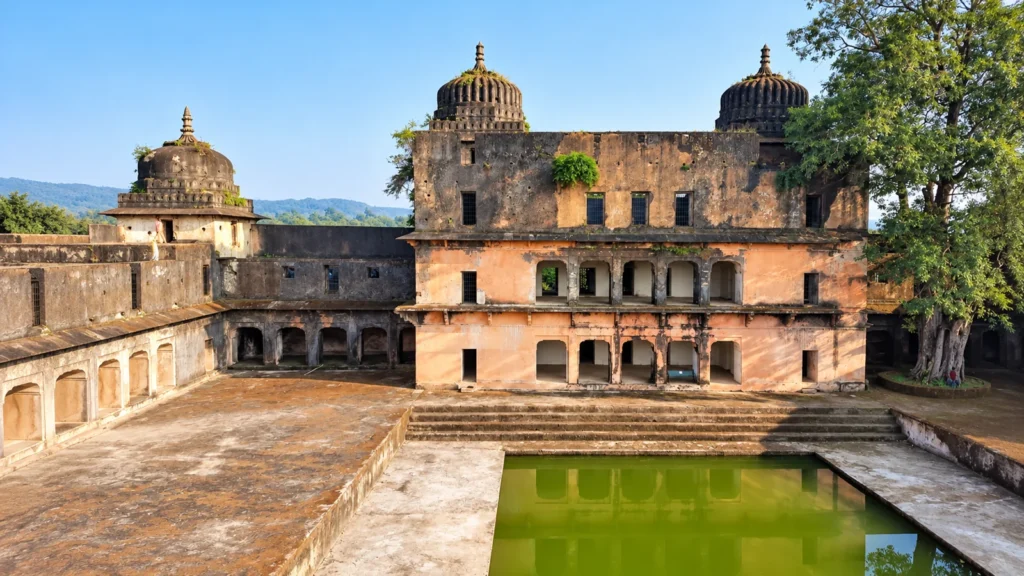
The photographs show several different features: domed sections, gateways, rooms opening into courtyards and corridors supported by arches. A visit can be more rewarding when you pay attention to those relationships rather than searching only for a single famous viewpoint.
The rectangular tank in the main courtyard is especially recognisable. Steps and open spaces surround it, and some photographs show the palace reflected in the water. Keep a sensible distance from the edge while taking pictures. Water colour in a photograph does not tell you whether it is suitable for bathing.
The corridor photograph shows a sequence of arches and changing light across the floor. It is a useful illustration of the palace architecture. A long corridor should not automatically be labelled a secret tunnel. An archway, a staircase and an underground opening can have different purposes.
Local people identify the open enclosure with arched sections as an area associated with keeping elephants and horses. The caption retains that attribution. It does not claim that every visible bay housed a particular animal or that the photograph alone proves its original use.
Moti Mahal Ramnagar photo gallery
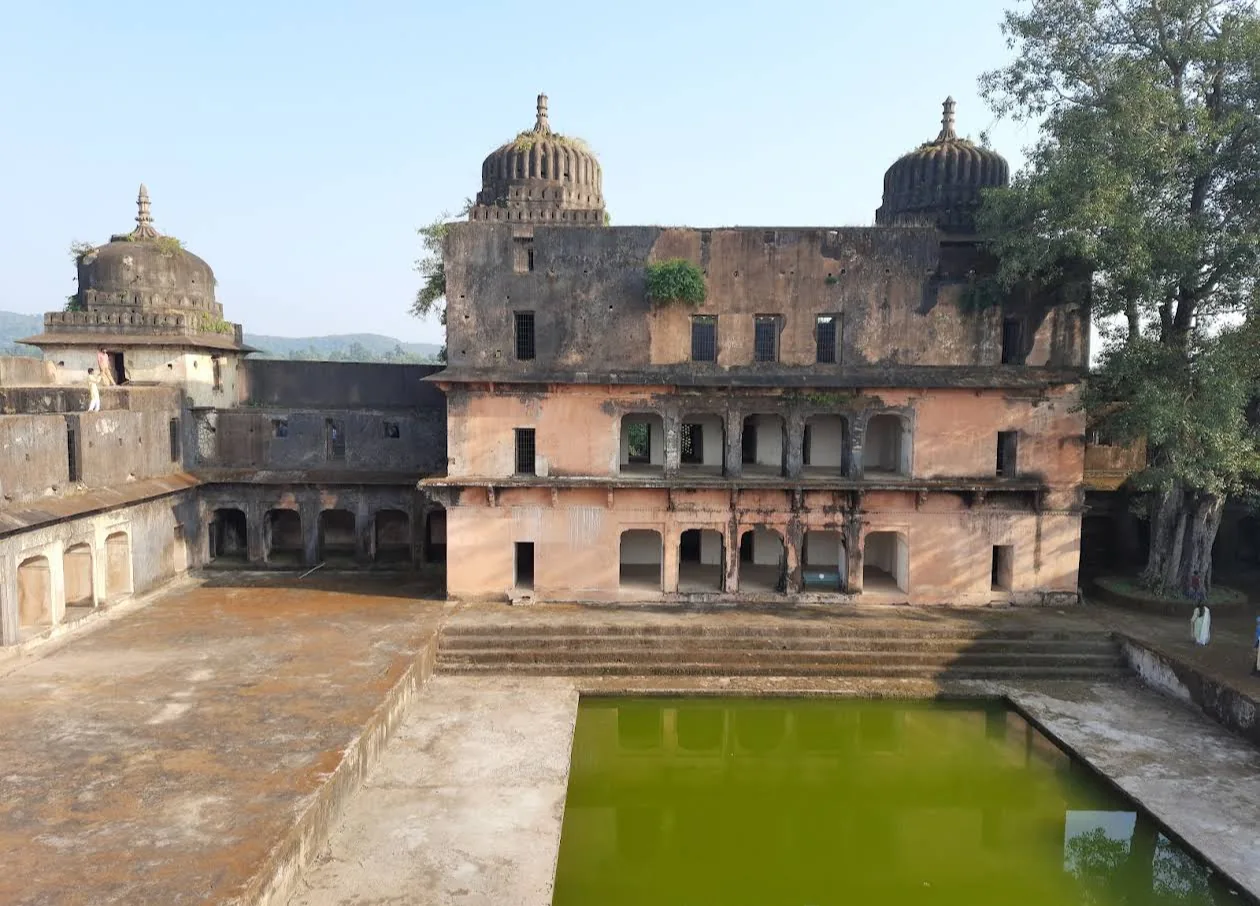
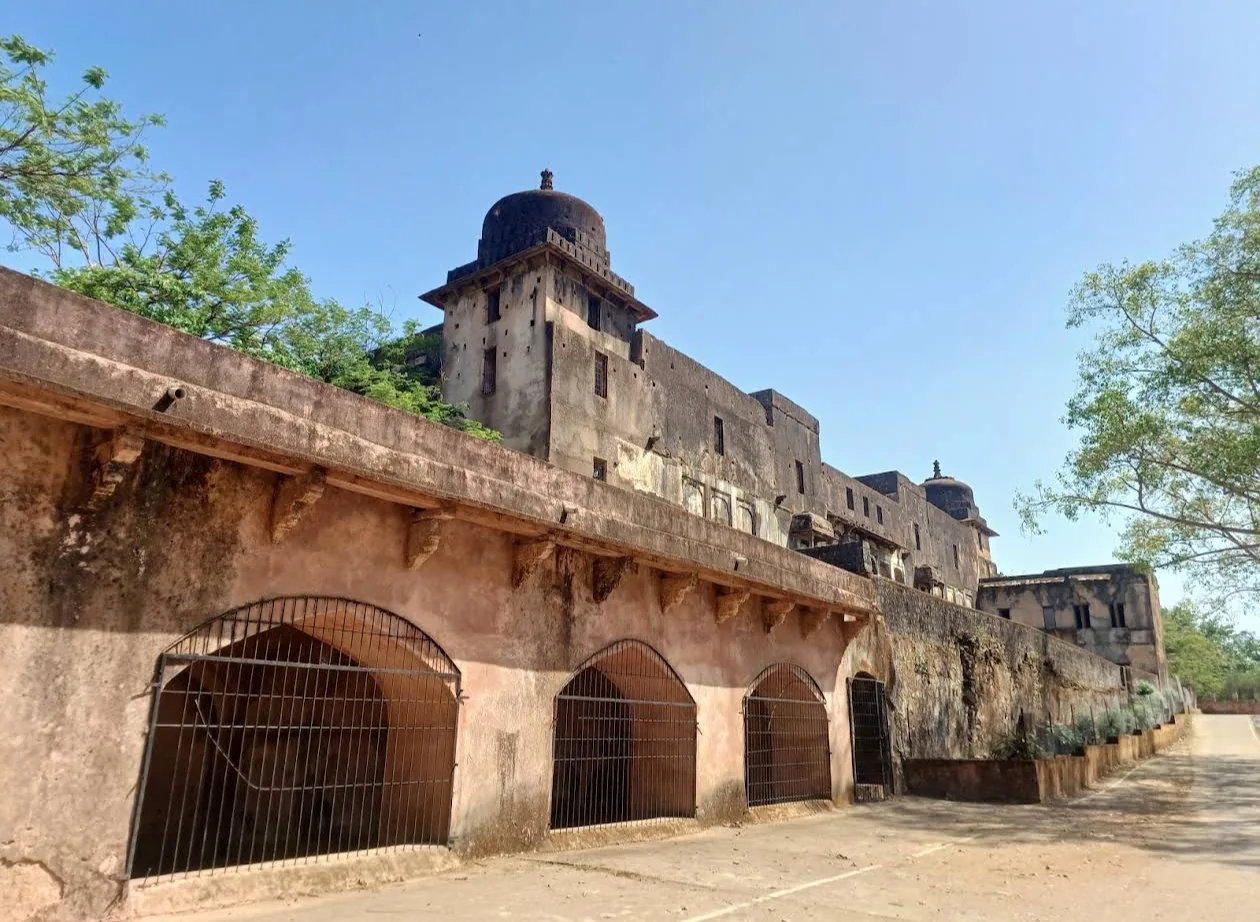
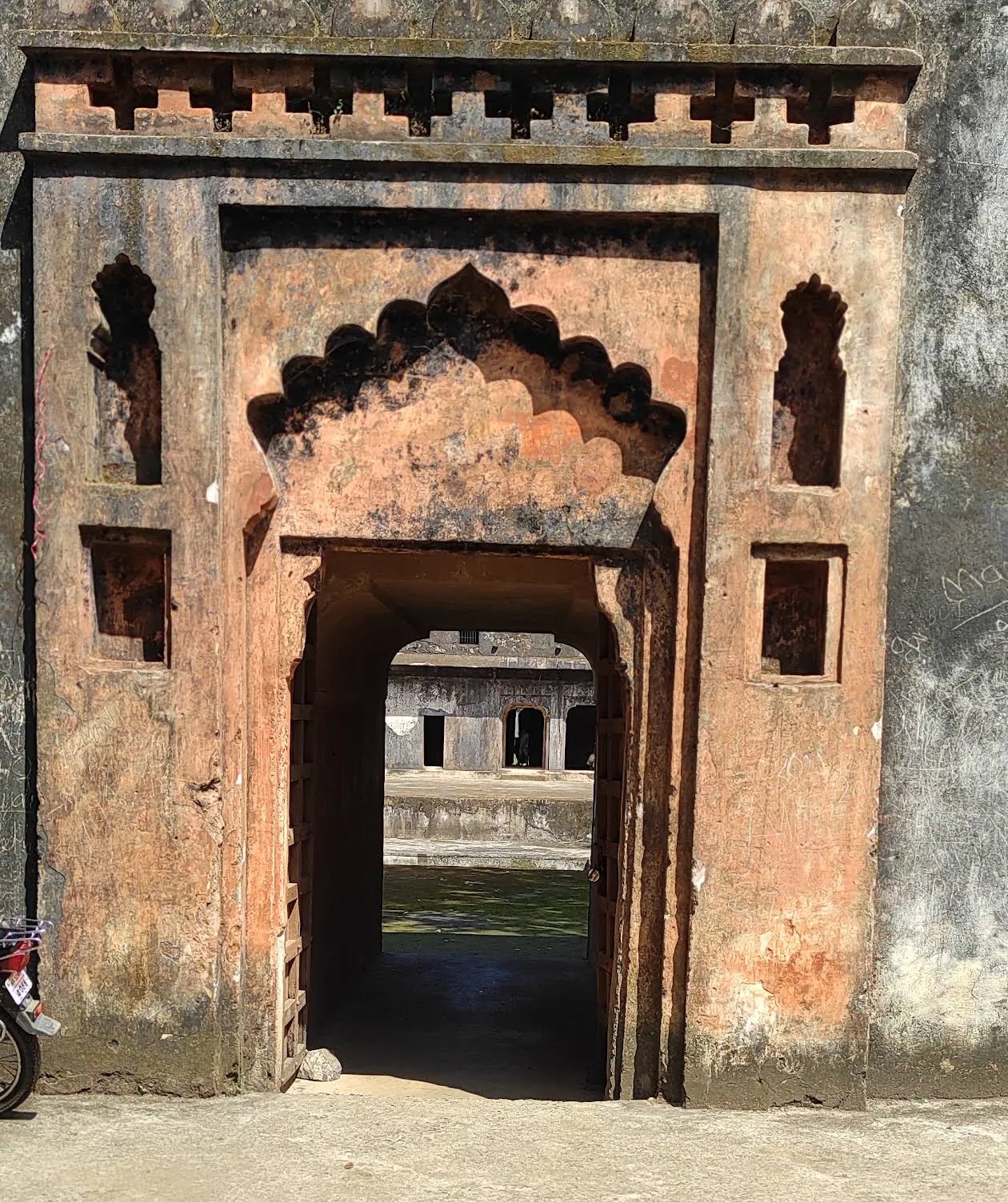
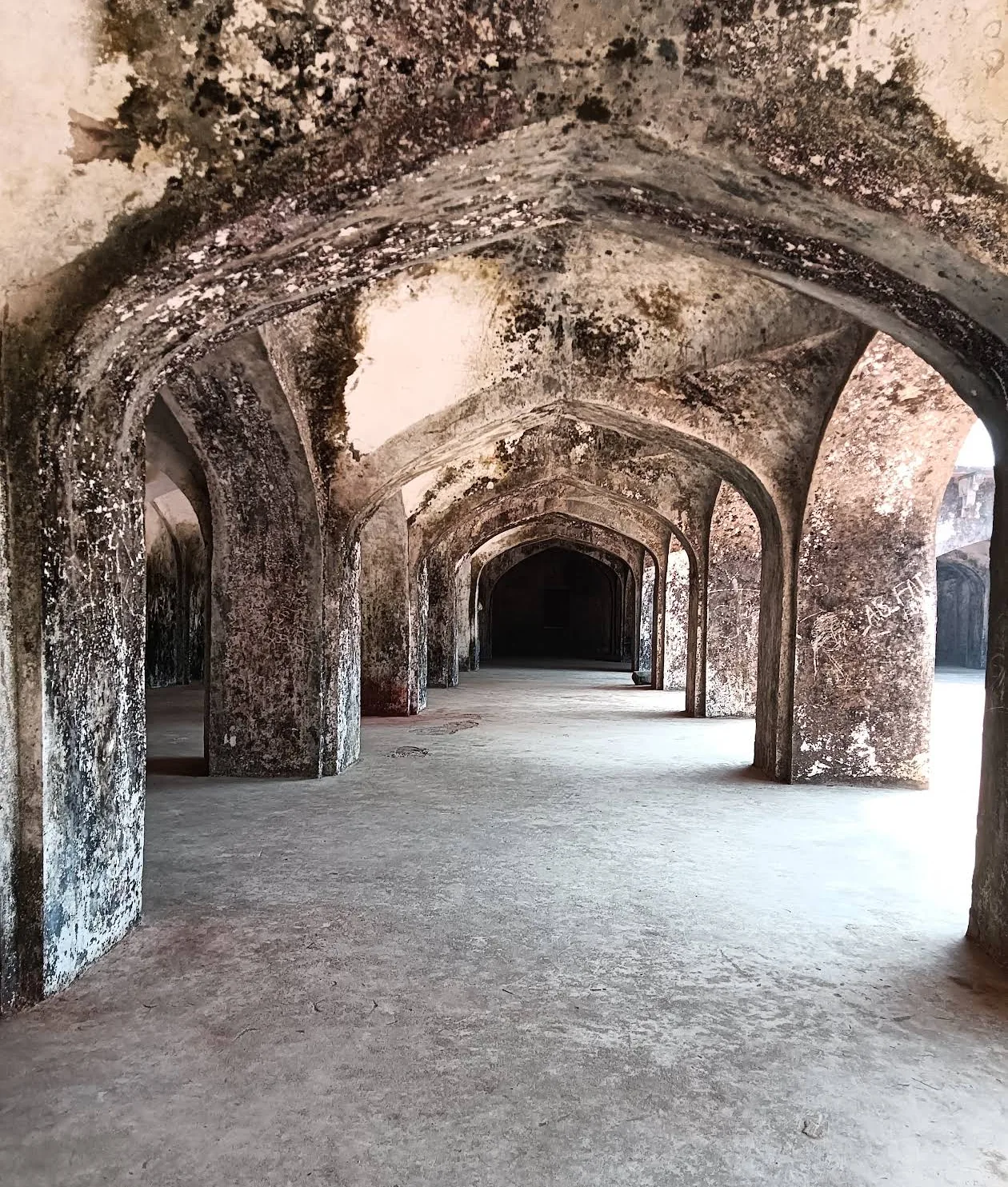
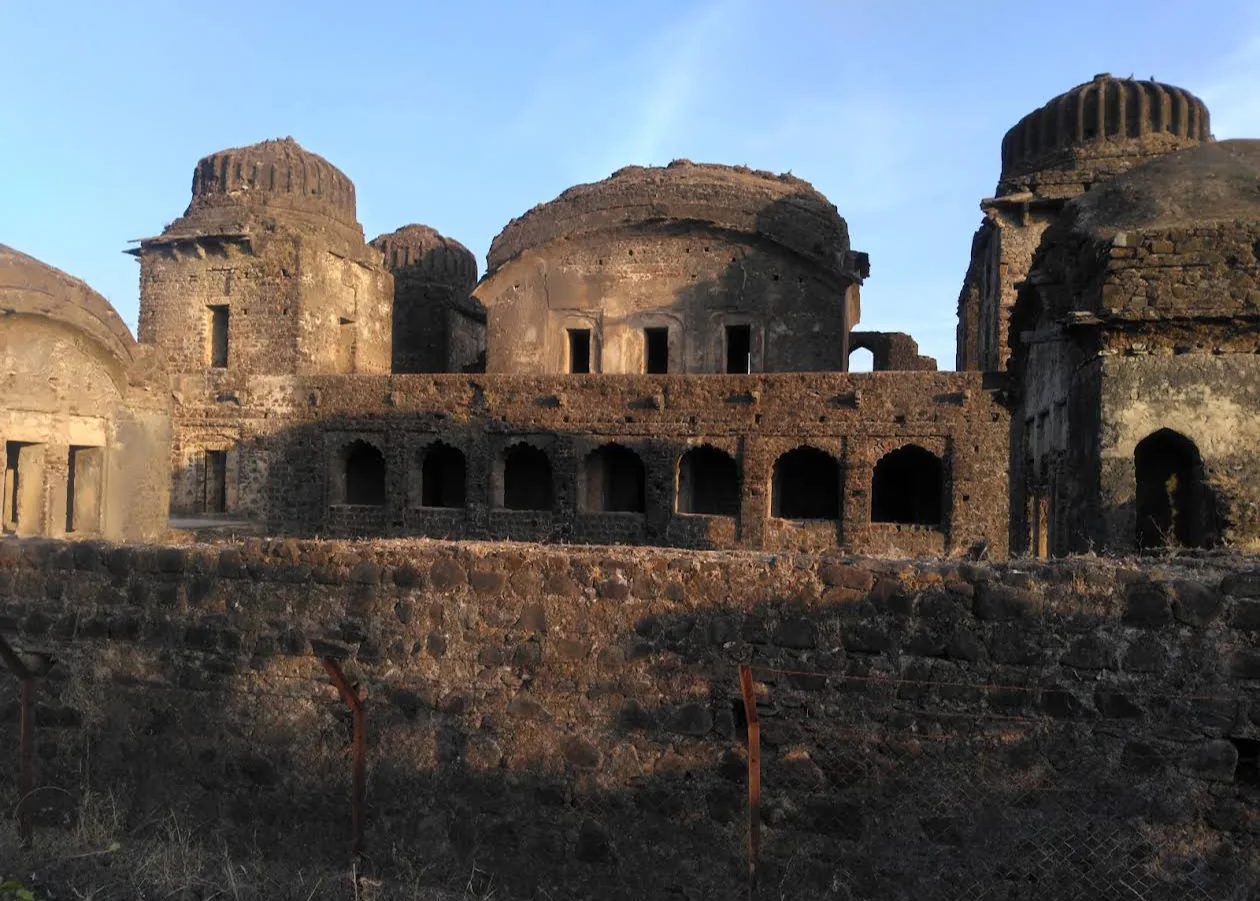
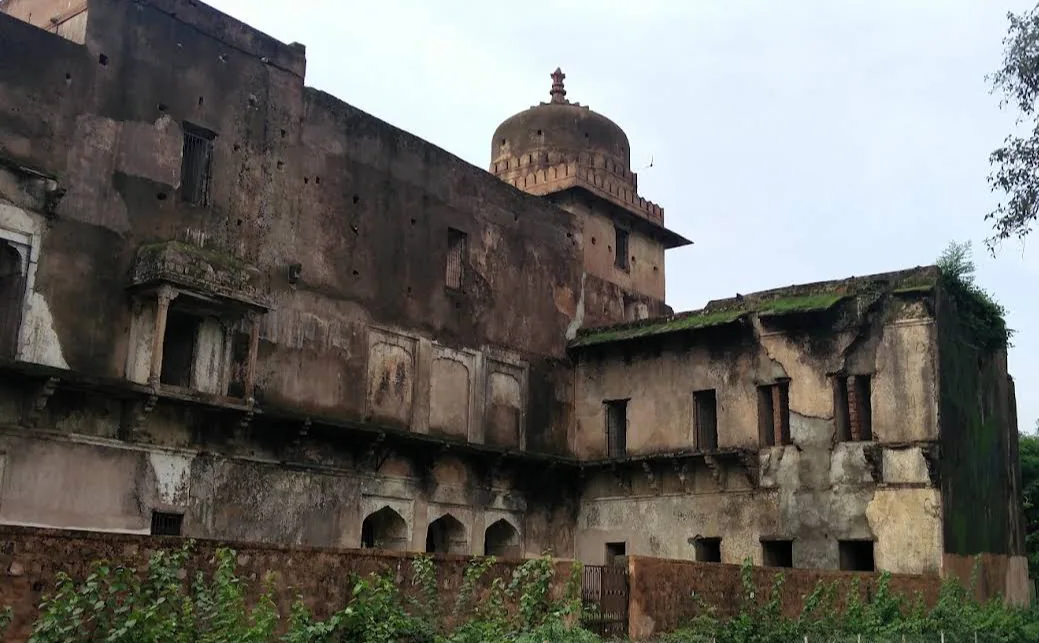
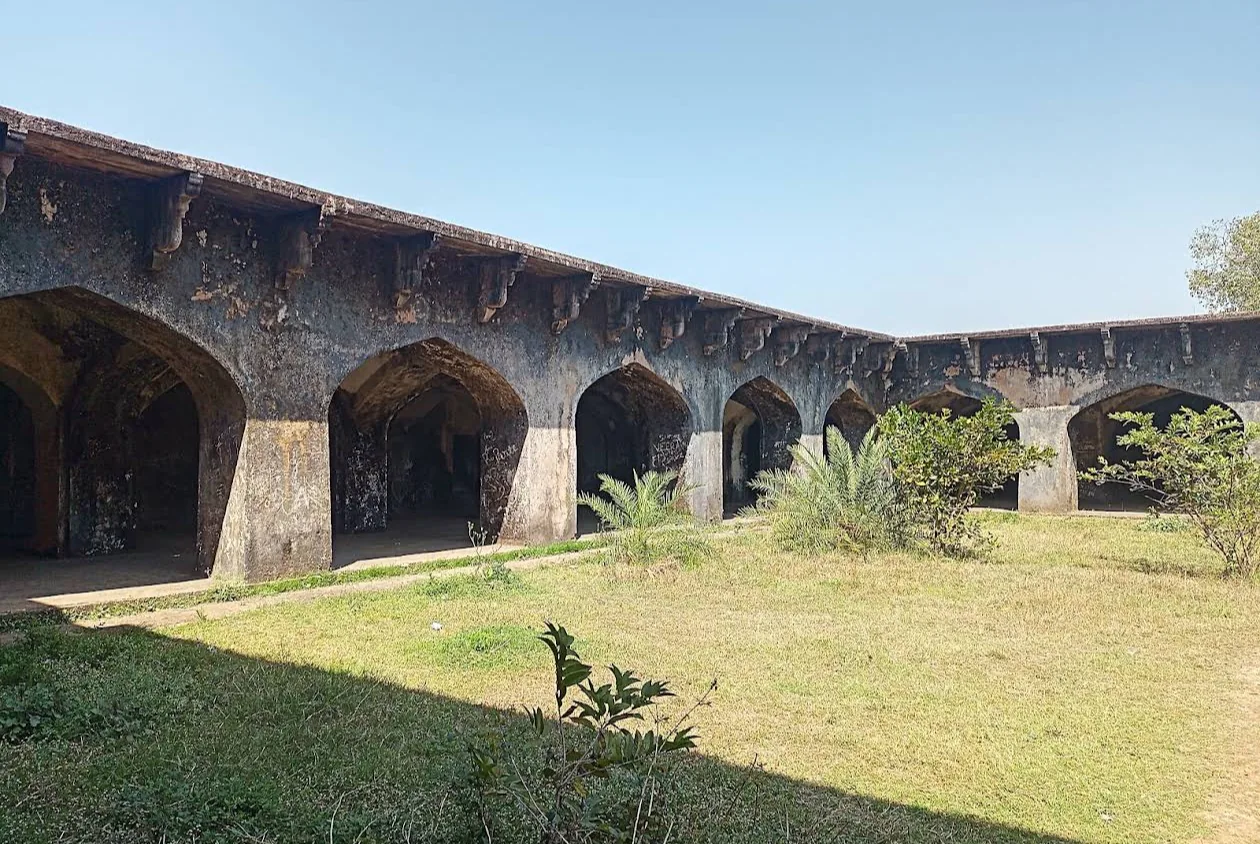
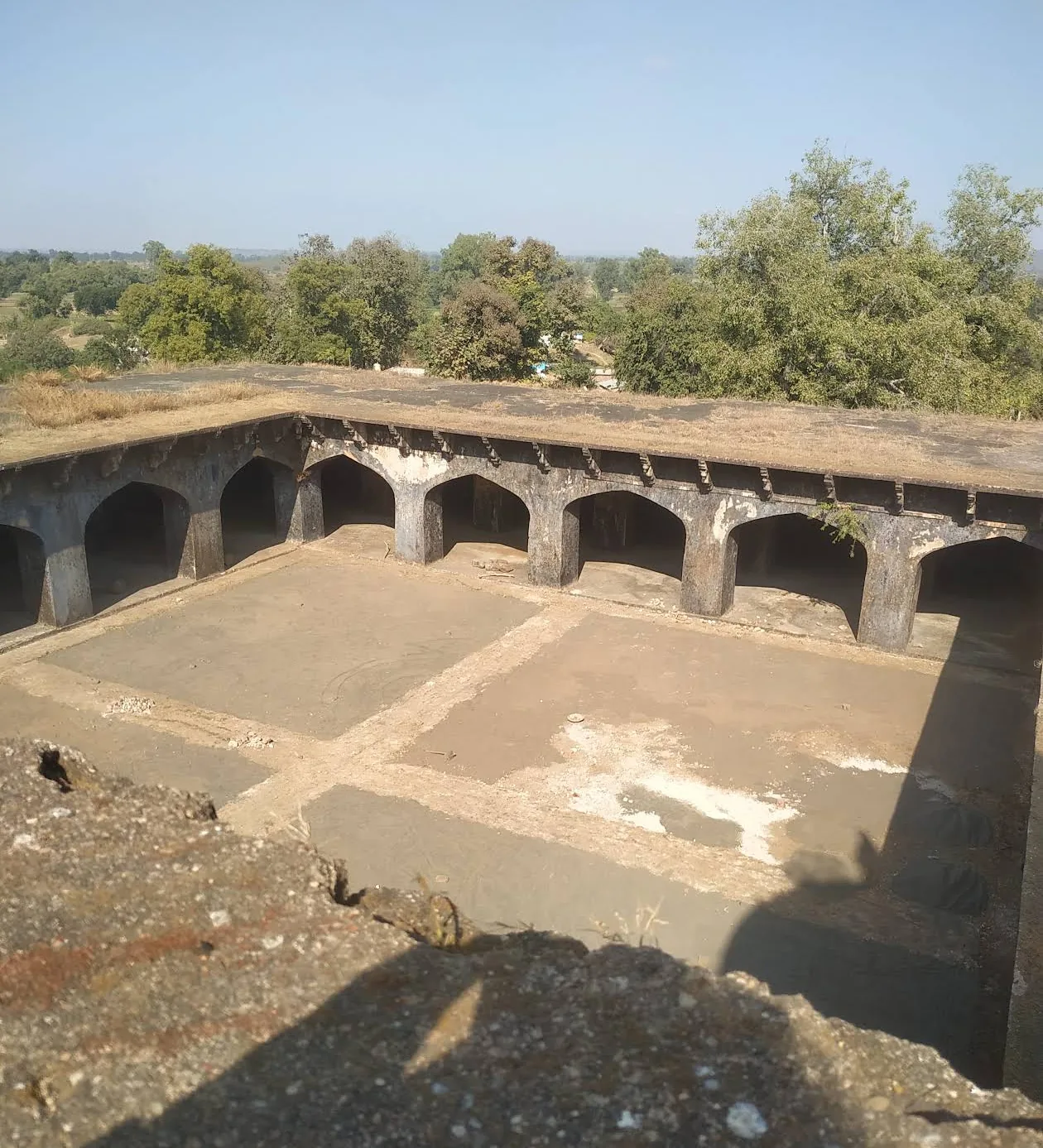
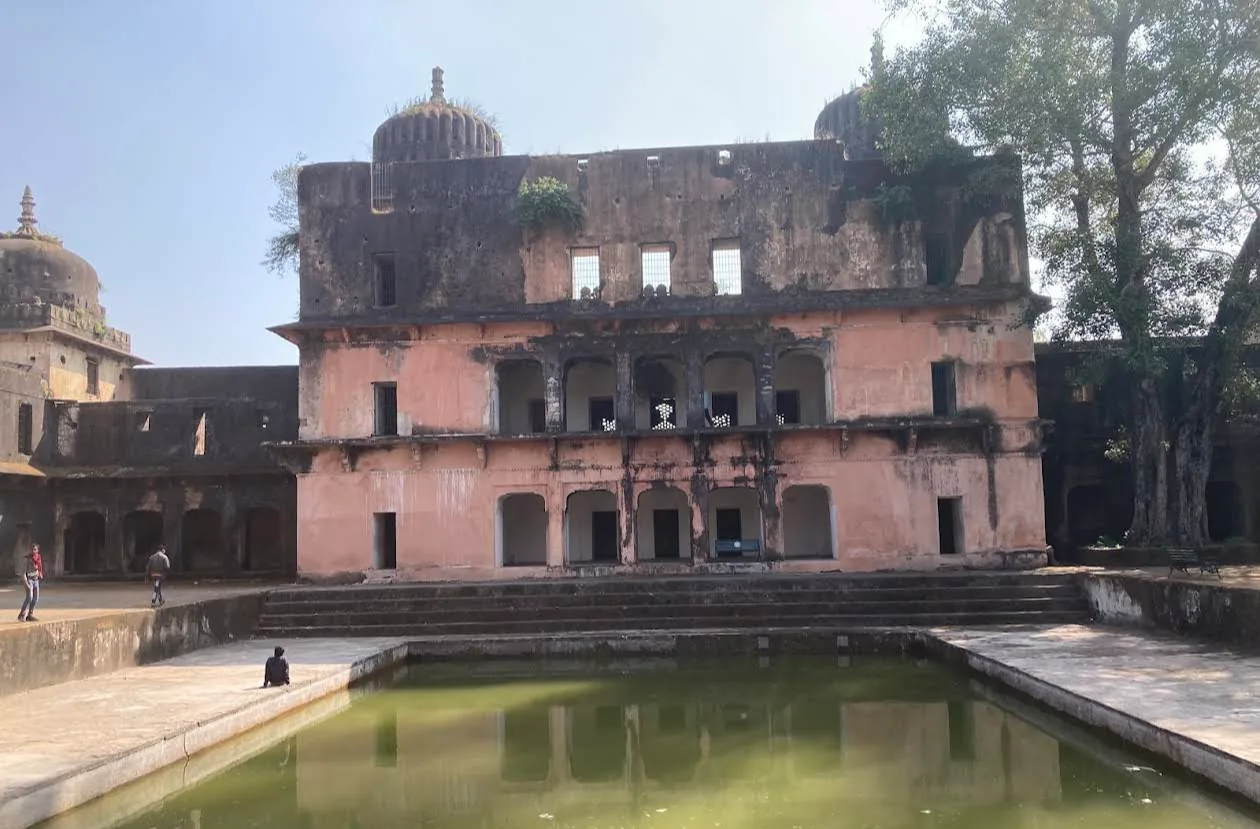
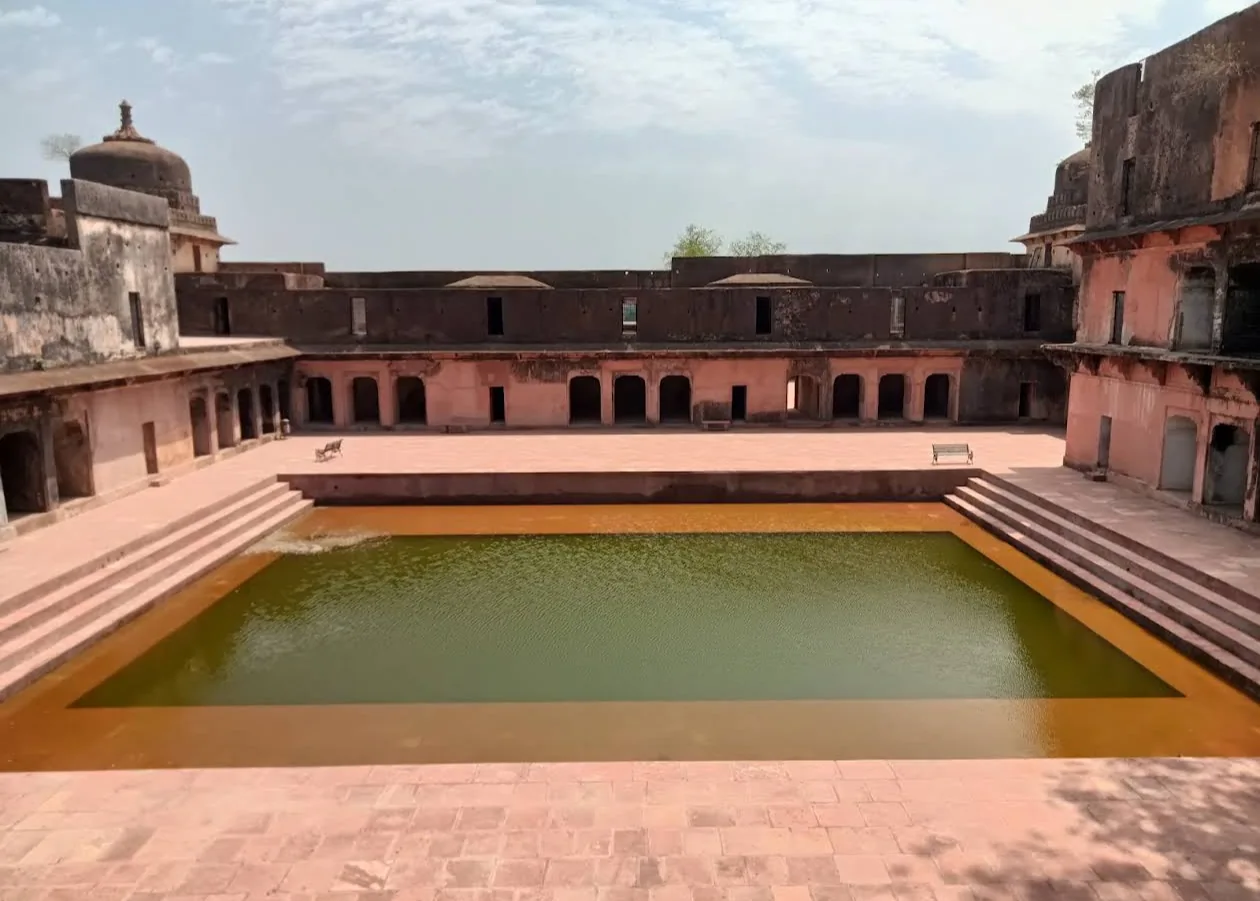
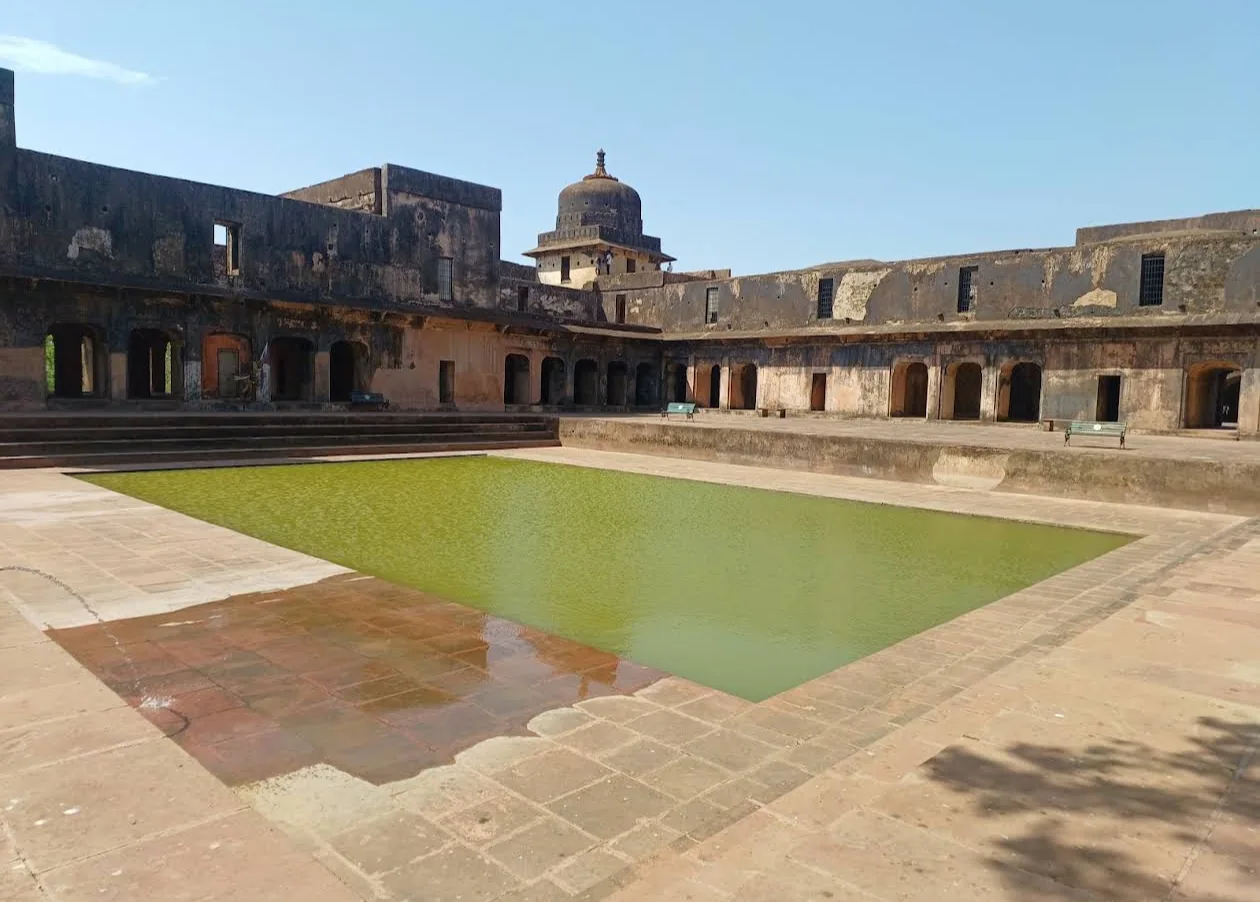
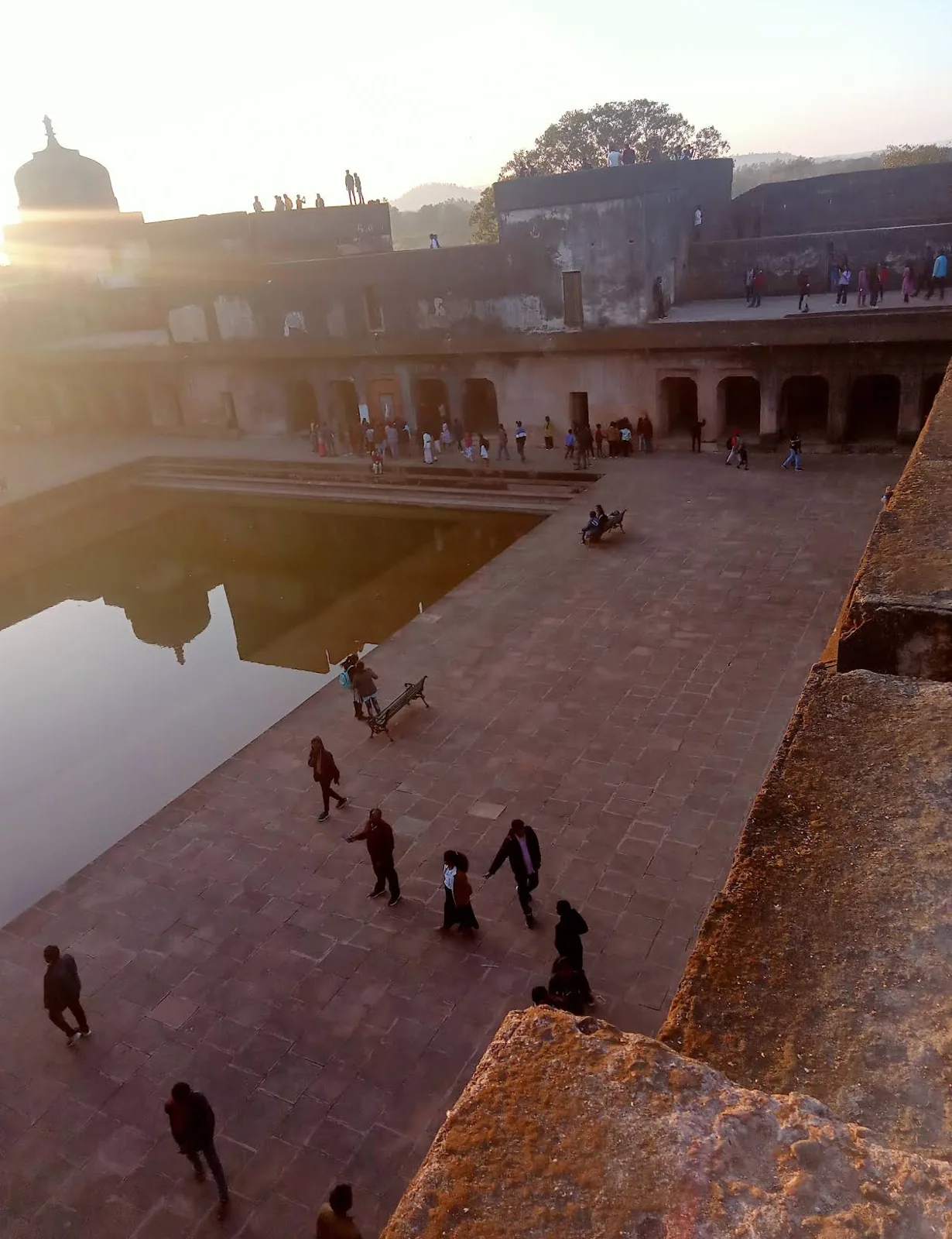
The gallery brings together views of the exterior, entrance, corridor, courtyard, central tank and the opening locally identified as a secret passage. It also includes a photograph supplied as a view after repair work. Together, the images help explain the site more clearly than a single photograph could.
These pictures should not be treated as a dated survey of the palace today. They show differences in surfaces, vegetation and the treatment of the courtyard. Capture dates were not provided. Captions describe visible features and any specific identification supplied with the picture.
Start with the main courtyard photographs, then look at the entrance and corridor. Finally, examine the underground opening. This sequence makes it easier to distinguish the visible building from claims about what may extend beneath it.
On a phone, open an individual image to inspect the full composition. The gallery keeps useful views in their natural proportions instead of forcing every photograph into the same crop. Similar photographs are selected carefully so that repeated angles do not overwhelm the page.
The gold-rain story and the secret passage
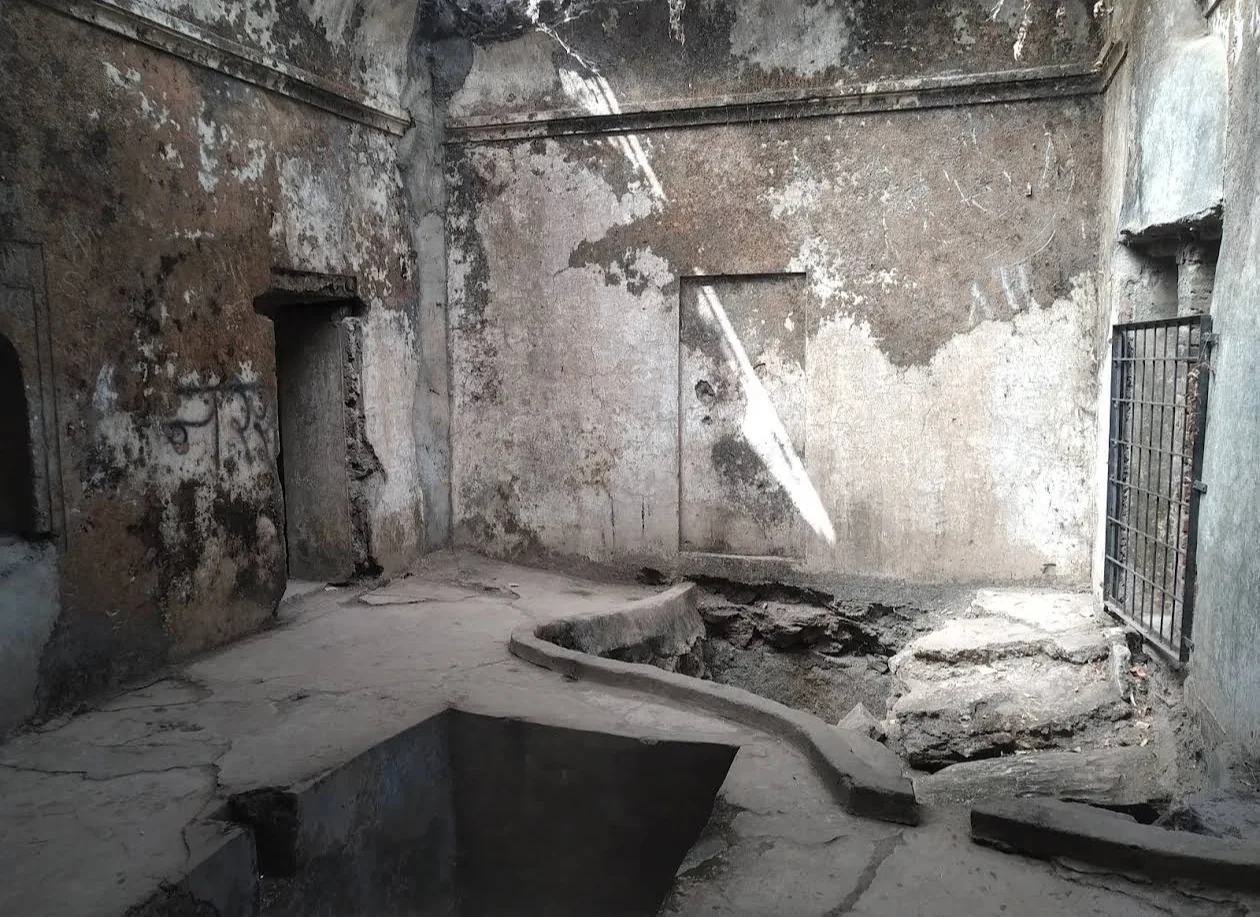
Vivek, who shared local information and identified the photographs, describes a story told in Ramnagar that gold rained down for roughly two minutes. It is an intriguing piece of local folklore. Reliable historical evidence establishing such an event was not found for this article, so it is presented as a story rather than a recorded occurrence.
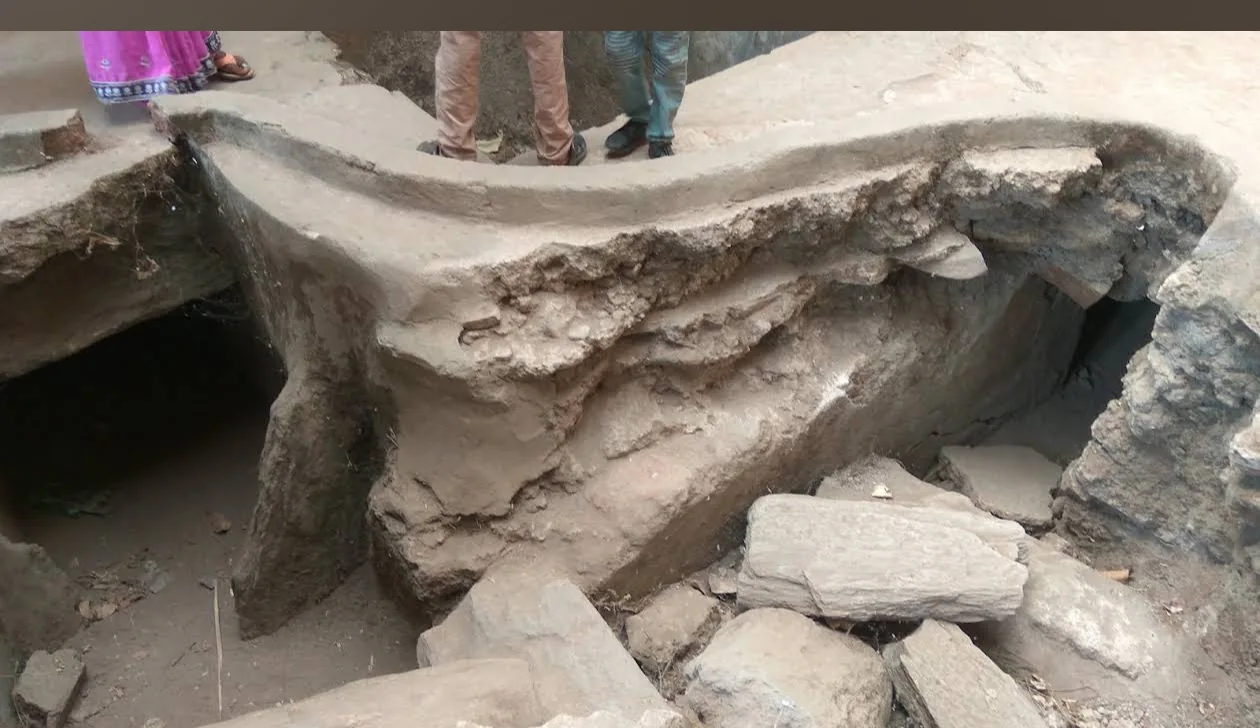
Another local account concerns the route leading down inside the palace. Residents describe it as a secret passage used by the king. Some say that it continued as far as Mandla. The photographs show an opening and damaged surrounding masonry, but cannot establish the passage's total length or destination.
The local account also says that lightning caused the passage to collapse. The cause and date have not been independently verified. The image therefore does not receive a caption stating that lightning damage has been proven.
Vivek also reports local stories of digging and damage by people searching for treasure in earlier times. This is attributed information, not a documented allegation against an identified person. The article does not claim that gold was recovered or that treasure remains accessible.
FACT BOX: Published tourism information supports the palace's location and association with Hriday Shah. The gold shower, the route reaching Mandla and the explanation for its collapse remain local accounts. Reading them separately lets visitors appreciate folklore without confusing it with evidence.
Repair work and Makar Sankranti visitors
The photograph identified as “after repair” shows the main courtyard, tank, steps and paved surrounding area. That description is retained in its caption. One picture cannot establish that every part of the palace is accessible or structurally safe. Follow signs and directions from staff during your visit.
According to the local experience shared for this guide, Ramnagar and Moti Mahal attract many visitors around Makar Sankranti. This may appeal to people who enjoy a lively atmosphere. A regular day may suit those hoping to spend more time looking at the architecture or taking photographs with fewer people in the frame.
Check local arrangements before travelling during the festival. Traffic, parking, permitted access and any event programme can vary. Do not assume that arrangements from a previous year will apply to your visit. Families can agree on a meeting point before entering a busy area.
How to reach Moti Mahal Ramnagar: Advice
Plan the journey to Mandla first, then the onward trip to Ramnagar. The tourism travel account gives approximately 17 kilometres from Mandla. Your actual road distance depends on the starting point and route, so check directions before leaving rather than treating that figure as an exact measurement from every part of town.
If travelling without your own vehicle, ask locally about transport to Ramnagar and the return journey. Confirm the fare and timing before setting off. A trip planned for late afternoon should include a clear return arrangement rather than relying on an unverified last-bus time.
Current official opening hours and ticket prices were not verified for this article. No guessed entry fee or fixed schedule is supplied. Ask site staff, the local tourism office or district authorities before making a journey based on a particular opening time.
Wear comfortable shoes, carry drinking water and keep your phone charged. Avoid closed underground sections and damaged edges. Take photographs from stable, permitted areas. Do not scratch names onto the walls or move loose material around an opening to investigate it.
If you have additional time, ask about other heritage sites in Ramnagar and whether they are accessible that day. Keep the wider Mandla sightseeing guide as a separate resource for planning a longer outing. This page stays focused on Moti Mahal and its photographs.
FAQ: Moti Mahal Ramnagar Mandla
Where is Hriday Shah's palace?
Moti Mahal is in Ramnagar, Mandla district, Madhya Pradesh, beside the Narmada. Search with the district name to identify the right location.
Who built Moti Mahal Ramnagar?
The published tourism account attributes it to Gond ruler Hriday Shah and gives 1667 as the completion year.
Did the tunnel reach Mandla?
Some local accounts say so. The entire route and its destination were not verified for this guide.
Did gold really rain in Ramnagar?
A local story describes a brief shower of gold. It should be read as folklore because reliable historical confirmation was not found.
Is it crowded at Makar Sankranti?
Local experience describes substantial visitor activity. Check the arrangements for the particular year before travelling.
Information note: Published tourism sources inform the historical details. Local contributions inform the folklore and specific photo identifications. Capture dates were not supplied. Check current access, fees and conditions before visiting.
Sources: MP Tourism: Moti Mahal Ramnagar · District Administration Mandla