Remember the old fable about two quarrelling cats and the clever monkey who stepped in to divide their bread, only to eat every crumb himself? That childhood story holds the entire mechanics of divide and rule—a timeless psychological blueprint that conquered ancient empires and still quietly dictates your workplace dynamics today.
The Core Mechanics Behind Divide and Rule
Stripped of diplomatic jargon, divide and rule is an engineered psychological trap. A dominant power or authority deliberately fosters friction, suspicion, or competition between two connected groups. As both parties exhaust their resources fighting each other, the instigator comfortably maintains absolute control without breaking a sweat.
History proves that a minority cannot govern a massive population through sheer brute force alone. Instead, rulers seek out existing fault lines—faith, caste, regional identity, or simple professional jealousy. By amplifying minor grievances into bitter hostility, the orchestrator sits back while the population tears itself apart from within.
This tactic is rarely confined to high-level geopolitics. You encounter it in toxic family squabbles, neighbourhood disputes, and corporate boardrooms. The most dangerous aspect of this manipulation is that the combatants genuinely believe they are fighting for their own dignity, completely blind to the puppeteer reaping the profits behind closed doors.
How the British Raj Mastered the Playbook in India
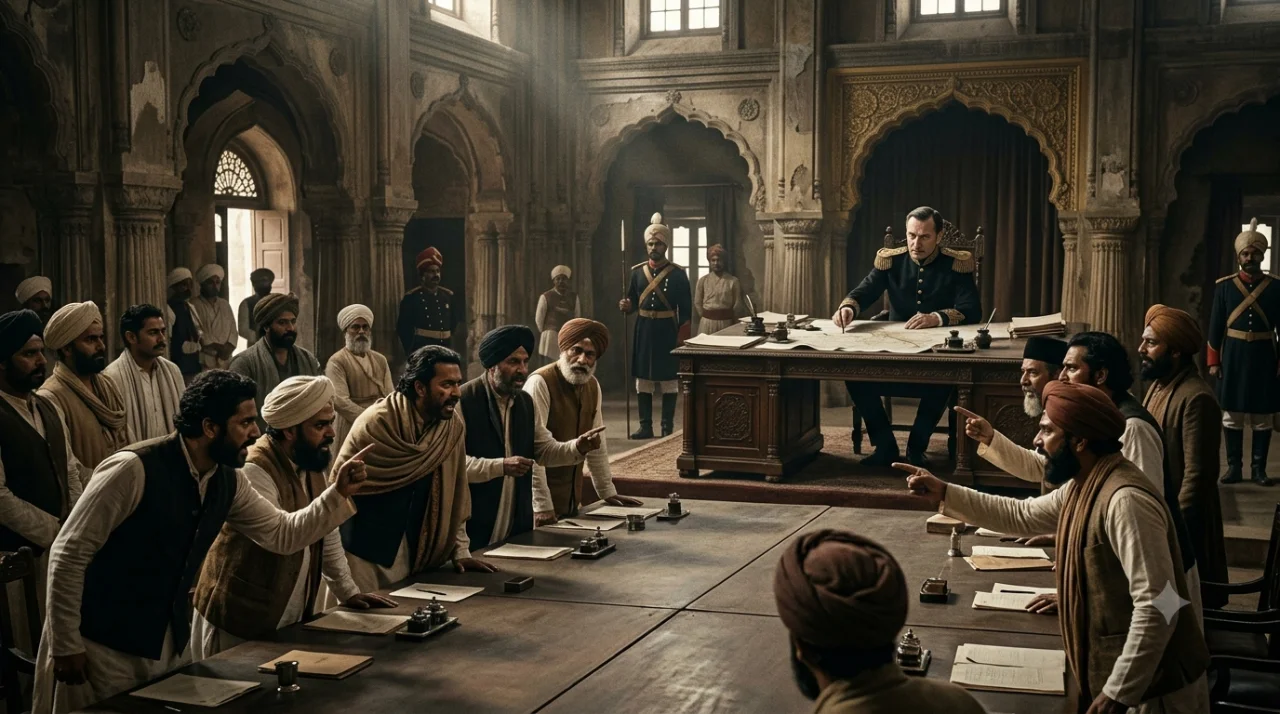
The 1857 revolt terrified the British administration. When Hindu and Muslim soldiers, peasants, and regional royals stood shoulder-to-shoulder under a common banner, colonial officers realised their grip on the subcontinent hung by a fragile thread. In response, administrative policy shifted from direct conquest to systematic internal fragmentation.
Lord Curzon’s partition of Bengal in 1905 was publicly framed as an administrative convenience, yet internal state documents revealed its true intention: breaking the spine of a unified nationalist momentum. This was cemented in 1909 through the Morley-Minto reforms, which introduced separate electorates along religious lines, institutionalising political separation permanently.
Colonial officials routinely stoked rivalries between princely states. They dangled lavish gun salutes, honorary titles, and false security pacts to turn neighbour against neighbour. Local rulers traded away long-term collective autonomy simply to settle petty, short-sighted scores against their rivals across the river.
Mahatma Gandhi’s Counter-Strategy: Radical Solidarity
Mahatma Gandhi understood that the British Empire’s greatest asset was not the strength of its artillery, but the chronic fragmentation of Indian society. He repeated tirelessly that the moment ordinary citizens set aside artificial divisions, colonial authority would collapse under its own weight.
Throughout the Non-Cooperation Movement and later campaigns, Gandhi positioned communal harmony and social cohesion as prerequisites for political freedom. He argued that genuine self-rule was meaningless if it merely swapped foreign rulers for homegrown oppressors while leaving internal prejudices untouched.
His philosophy placed the mirror firmly in front of the populace. Before blaming the foreign ruler for meddling, people had to examine the internal vulnerabilities that welcomed manipulation. Outside forces can only exploit division if the seeds of distrust are already nurtured from within.
The Modern Arena: Corporate Desks and Digital Feeds
The British East India Company is long gone, but the playbook has simply migrated to corporate corridors and mobile screens. In dysfunctional workplaces, an insecure manager often prevents top performers from collaborating. By whispering private criticisms to one and offering exaggerated praise to the other, the manager fosters artificial workplace rivalries to protect their own fragile seat.
Algorithms on modern social platforms operate on the very same incentives. Digital feeds are engineered to maximise emotional arousal, and nothing generates comments, shares, and watch time quite like moral outrage and tribal conflict. Online hostility translates directly into platform engagement and ad revenue.
When you find yourself typing furious replies to an anonymous stranger at two in the morning, you are participating in a digital divide-and-rule cycle. The swords have been replaced by smartphone screens, but the extraction of your time and emotional energy remains identical.
Historical Methods vs Modern Psychological Tactics
While the underlying goal remains total control, the tools of division have evolved dramatically. Colonial powers relied on official declarations and military reorganisations, whereas modern operators use invisible behavioural nudges and narrative warfare.
In the past, the orchestrator stood visibly at the centre of the dispute as an arbiter or imperial authority. Today, the third party operates behind algorithmic curtains, shadow PR agencies, and automated bot networks, leaving participants unaware that their resentment was deliberately manufactured.
Recognising these differences is vital. Modern division rarely targets borders on a map; it targets the ideological and emotional boundaries inside your head, making critical thinking your primary line of defence.
Breaking the Cycle: Practical Defences for Daily Life
The quickest way to disarm an engineered conflict is to pause when your temper spikes. Whenever a piece of news or an office rumour provokes sudden fury, ask yourself one crucial question: ‘Who actually profits from my outrage?’ The moment you follow the incentives, manipulative narratives unravel fast.
Eliminate intermediaries in your personal and professional communications. If friction arises with a colleague, friend, or relative, address it directly through a calm, private conversation. Third-party hearsay is the primary vehicle through which misunderstandings turn into permanent hostility.
Real resilience begins with accepting that differences in opinion do not make someone an enemy. When communities refuse to allow external provocations to dictate their relationships, the power of divide and rule vanishes completely.
Personal advice
Whenever you feel drawn into a dispute that seems to escalate out of nowhere, take a step back from the heat. In almost every manufactured conflict, the person stoking the fire has no stake in the collateral damage; they are merely waiting to harvest the spoils once both sides have exhausted themselves.
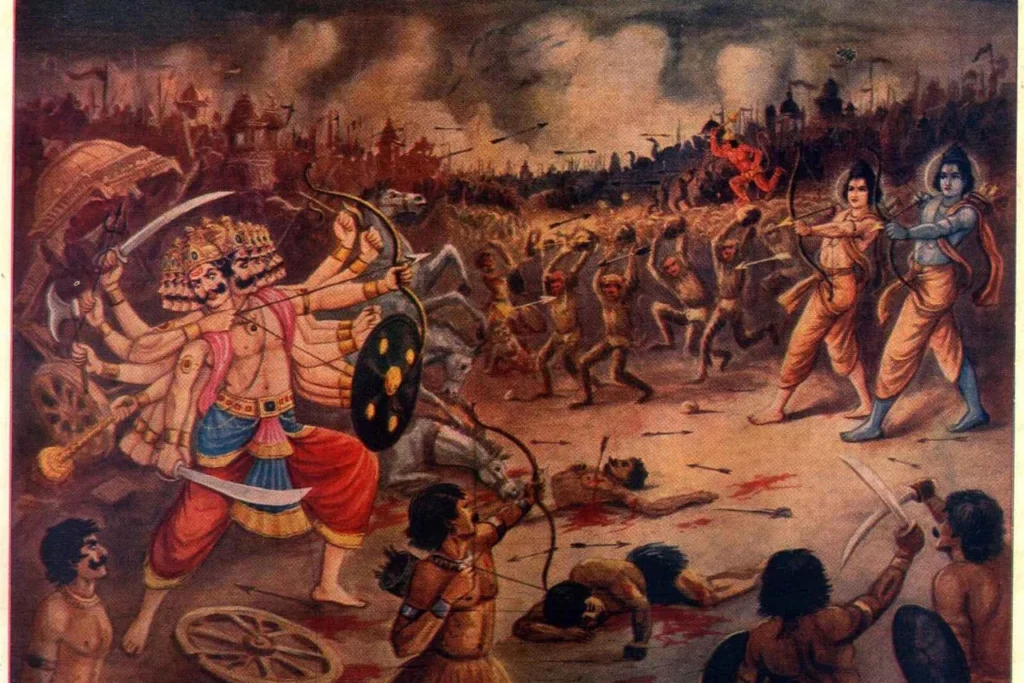
In classical literature and real-world history, catastrophic conflicts often began with tiny, unverified suspicions planted by opportunistic advisers. When communication breaks down and pride takes over, rational assessment goes out the window. Strong emotions make us incredibly predictable and easy to steer.
Protecting your peace requires rigorous emotional discipline. Treat your attention as valuable property, verify controversial claims at the source, and never let an outside party dictate who you should mistrust.
Frequently asked questions
Who originally created the divide and rule strategy?
The concept originated in ancient warfare and statecraft, notably codified in the Roman maxim ‘Divide et Impera’. It was used extensively by Julius Caesar and Philip II of Macedon before being adopted by colonial powers like the British Empire.
What primary actions did the British use to divide India?
The British colonial government reorganised army regiments along caste lines post-1857, partitioned Bengal along religious demographics in 1905, and enacted separate communal electorates through the 1909 Morley-Minto reforms to prevent unified resistance.
How can you identify modern divide and rule tactics?
Look for patterns where an outside party highlights differences, stokes unverified suspicions, or profits through attention and power while two sides fight. If an issue creates intense outrage without constructive solutions, it is likely manufactured division.
How should one handle divide and rule tactics at work?
Maintain direct, transparent communication with your peers and document important project discussions in writing. Avoid acting on unverified third-party gossip, and resolve professional differences face-to-face rather than through intermediaries.
Disclaimer: The information in this article is for general awareness only.