Looking for a printable 50/30/20 budget rule worksheet PDF? This free Vista Hub download explains the split, helps you calculate targets from take-home pay, and gives fillable tables for needs, wants, and savings. The examples below are in rupees; just write your own numbers in the sheet.
What is the 50/30/20 budget rule?
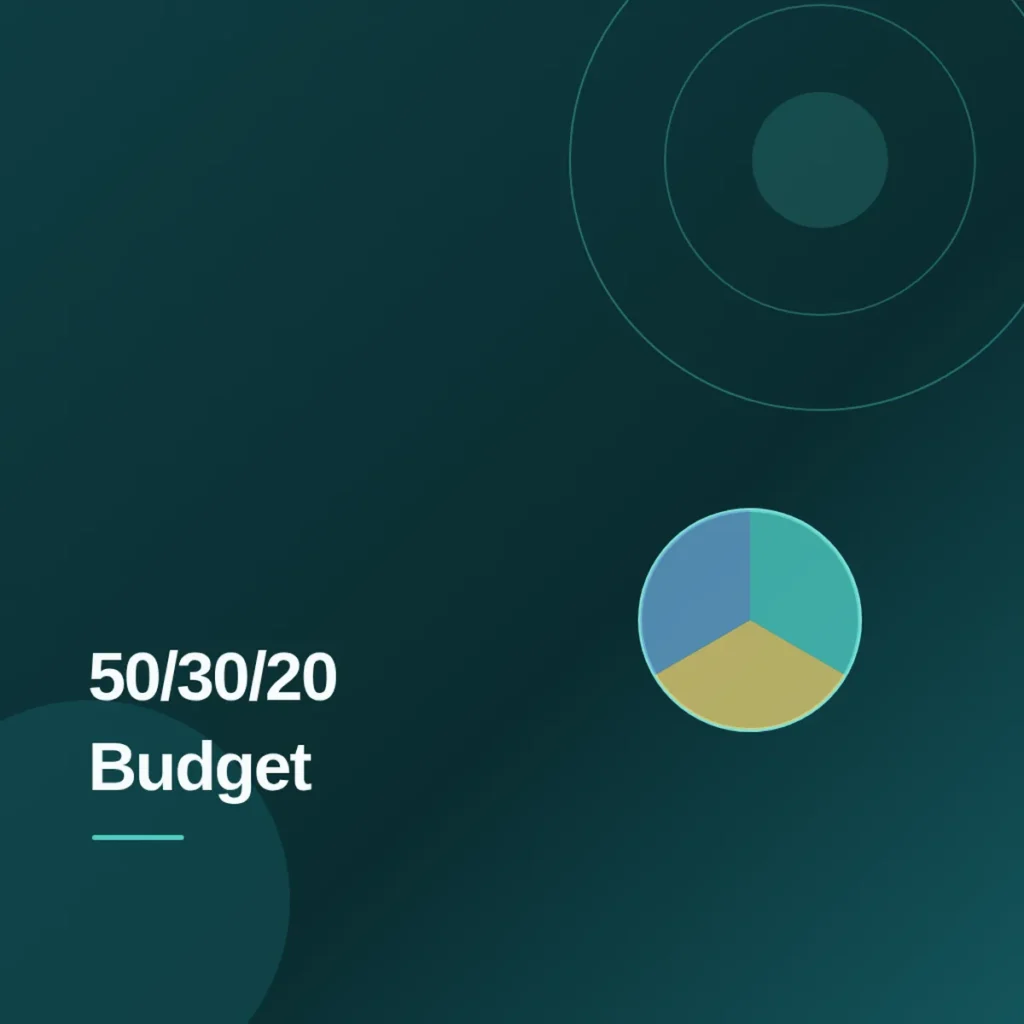
The 50/30/20 rule is a simple way to split your monthly take-home pay. Put about 50% toward needs, 30% toward wants, and 20% toward savings or extra debt payments. It is a starting point, not a strict law. Many people in India adjust it because rent and family costs can be higher.
Example with ₹50,000 take-home pay: ₹25,000 for needs, ₹15,000 for wants, ₹10,000 for savings. For ₹25,000: ₹12,500 / ₹7,500 / ₹5,000. For ₹1,00,000: ₹50,000 / ₹30,000 / ₹20,000.
What is inside the free worksheet PDF
The PDF is 4 pages. It has:
- A short explanation of the rule.
- A place to enter your take-home income and see the 50/30/20 targets.
- Tables for needs and wants (budgeted, actual, difference) — rent, groceries, transport, dining out, subscriptions, and more.
- A savings section and a month-end balance check.
Print it or fill it on your phone. Use it every month to see where money goes.
Who it’s for and how to use it
This worksheet is for anyone who wants a simple paper or phone-based budget. Students, single-income families, or people in high-rent cities can start with 50/30/20 and then shift to 60/20/20 or 70/10/20 if needs are higher. Fill the income first, then list real expenses. At the end of the month, compare budgeted vs actual and adjust next month.
Needs include rent, groceries, basic transport, minimum loan payments, and school fees. Wants include eating out, OTT, and shopping. Savings can go to an emergency fund, extra loan prepayment, or regular SIP. This sheet only tracks your money; it does not promise any returns.
Start with one month. Write down every expense for a few days if you are not sure. Then fill the worksheet. At month end, see the difference between budgeted and actual. Small changes next month add up.
FAQ
What is the 50/30/20 rule in simple words?
Split take-home pay into 50% needs, 30% wants, and 20% savings. Adjust if your city or family costs are higher.
Does the 50/30/20 rule work on a ₹20,000 salary?
You can try it, but needs may take more than 50%. Many people use 60/20/20 or 70/10/20 instead. The worksheet still helps you track.
Is EMI a need or a want?
Minimum EMI payments are usually needs. Extra prepayment can count as savings.
Useful tools (Amazon): Budget binder · Desk calculator · Pastel highlighters · Cash envelope system
Also read:
This worksheet is for personal education only. It is not financial, tax, or investment advice. Consult a qualified advisor for your own plan. Sources: RBI Financial Education, SEBI Investor portal.