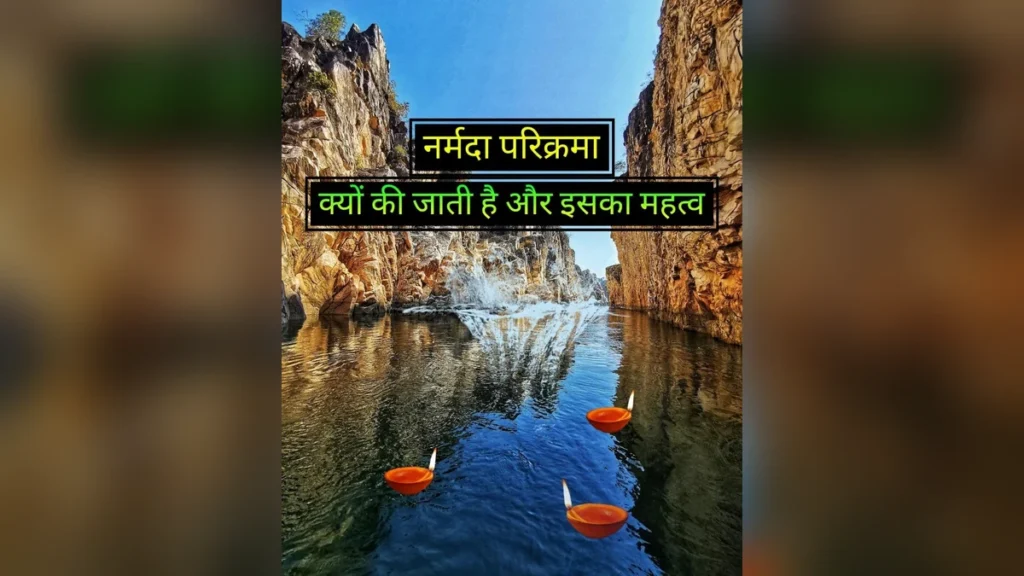
What is Narmada Parikrama?
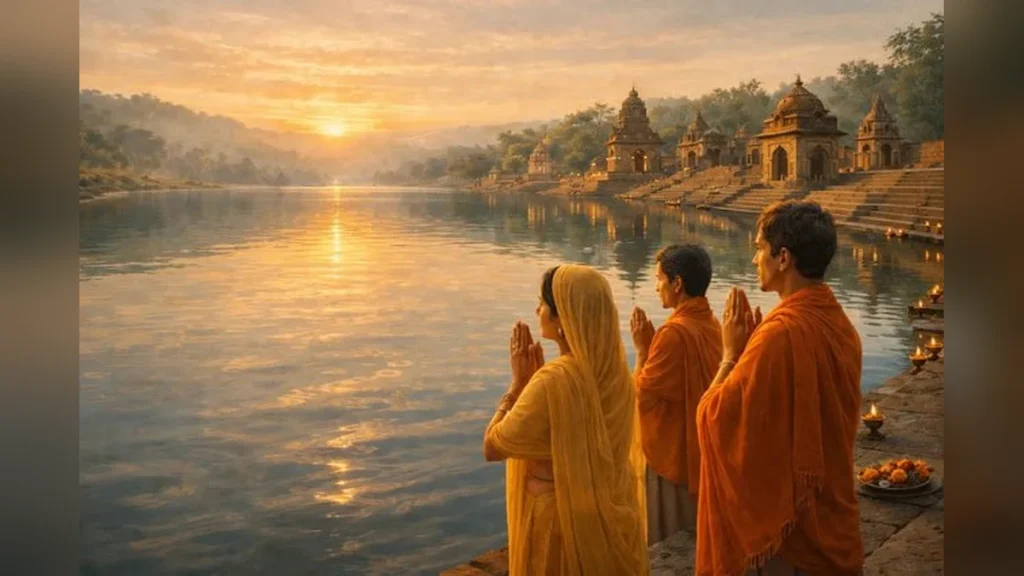
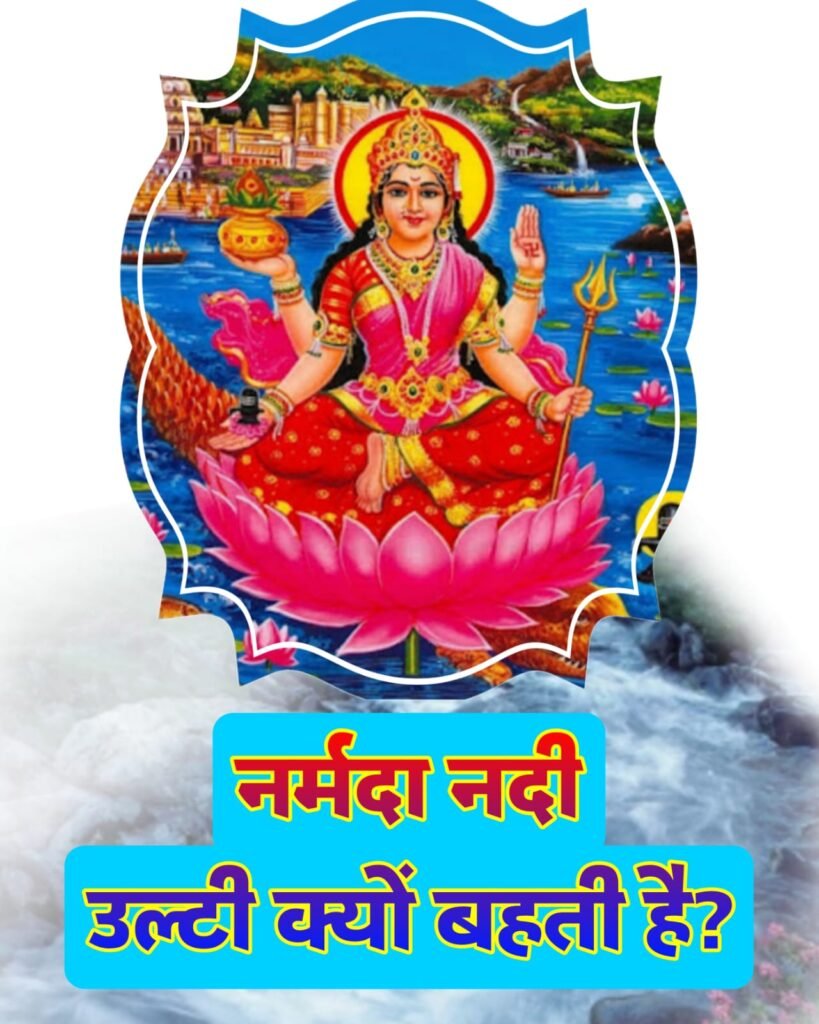
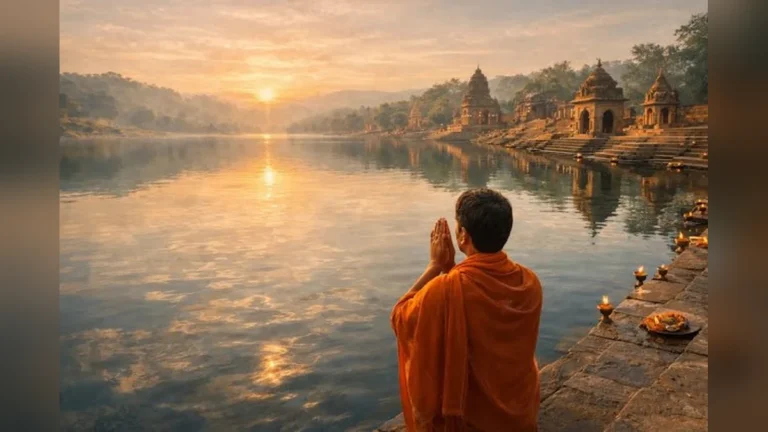
The Narmada Parikrama is a circumambulation of the Narmada River, one of India’s holiest rivers, often referred to as ‘Mother Narmada’ or ‘Reva’. This ancient pilgrimage involves walking along both banks of the river, starting from its source in Amarkantak and proceeding to its confluence with the Arabian Sea near Bharuch, and then returning along the opposite bank. Traditionally, the parikrama is believed to take 3 years, 3 months, and 13 days to complete, covering over 3,500 kilometers on foot through diverse terrains including mountains, forests, and rural landscapes.
Spiritual Significance of Narmada Parikrama
The Narmada Parikrama is deeply rooted in spiritual beliefs and practices, offering a path to purification and divine connection.
1. Liberation from Sins and Attainment of Moksha
According to Hindu scriptures, undertaking the Narmada Parikrama can cleanse individuals of sins accumulated over lifetimes. This arduous journey is seen as a means to spiritual purification, guiding the pilgrim towards the path of ‘moksha’ (liberation from the cycle of birth and death). Devotees believe that Mother Narmada removes obstacles and bestows spiritual freedom.
2. Self-Purification and Inner Peace
The parikrama demands adherence to a simple, sattvic lifestyle, including celibacy and strict discipline. This asceticism helps pilgrims transcend material desires and cultivate self-control. Walking in solitude amidst nature provides an opportunity for introspection, leading to inner peace and mental stability.
3. Deepening Connection with the Divine
The Narmada River’s banks are dotted with numerous ancient temples, Jyotirlingas (like Omkareshwar and Mahakaleshwar), and hermitages of saints. Visiting these sacred sites, engaging in prayers, and chanting ‘Narmade Har’ (a devotional salutation) fosters a profound connection with the divine. The journey reinforces the belief in the omnipresence of God.
4. Basis in Puranic Narratives
The parikrama is associated with various Puranic tales, including the penance of sage Markandeya and the belief that Ashwatthama, son of Dronacharya, continues to perform the Narmada Parikrama. Recalling these legends instills courage and perseverance in the pilgrims.
Scientific and Psychological Benefits of Narmada Parikrama
Beyond its spiritual dimensions, the Narmada Parikrama offers tangible benefits from a modern, scientific, and psychological perspective.
1. Physical and Mental Health
The extensive walking involved significantly enhances physical stamina, strengthens muscles, and improves overall bodily health, serving as a natural form of exercise. Facing the challenges of the journey and maintaining patience in adverse conditions builds mental resilience, boosts self-confidence, and strengthens willpower.
2. Profound Connection with Nature
Traversing through dense forests, mountains, waterfalls, and serene rural settings connects pilgrims deeply with the beauty and power of nature. Spending time in natural environments reduces stress and calms the mind, which is particularly beneficial in today’s fast-paced lifestyle. The journey also fosters an awareness of environmental conservation.
3. Cultural and Historical Insights
The Narmada basin has been home to ancient civilizations. During the parikrama, pilgrims interact with people from diverse cultures and backgrounds, and visit ancient temples, forts, and historical sites. This exposure provides deep insights into India’s rich heritage and history.
4. Social Harmony and Service
The parikrama transcends social barriers of wealth and status; all pilgrims are considered equal. They support each other, share food, and walk together, strengthening the spirit of social harmony and brotherhood. Local communities often extend hospitality and service to the pilgrims, fostering a sense of selfless service.
Rules and Traditions of the Parikrama
Certain fundamental rules govern the Narmada Parikrama, enhancing its significance and the pilgrim’s experience:
- Walking on Both Banks: Ensures the completion of the entire circumambulation.
- Living on Alms (Bhiksha): Pilgrims rely on the generosity of others, which helps reduce ego and cultivate humility.
- Sattvic Lifestyle: Abstinence from non-vegetarian food, alcohol, and other intoxicants.
- Respecting the River: A key tradition is to never cross the Narmada River, symbolizing respect for its flow and sanctity.
These rules impart lessons in discipline, renunciation, and contentment, which are valuable in all aspects of life.
Narmada Parikrama in Today’s Context
In the hustle and bustle of modern life, amidst stress and loneliness, the Narmada Parikrama offers a unique opportunity for self-discovery, connection with nature, and attainment of inner peace. The continuous chant of ‘Narmade Har’ and remembrance of Mother Narmada infuse pilgrims with spiritual energy. Participating in Narmada Aarti and chanting mantras brings calmness and focus to the mind.
Conclusion
The importance of the Narmada Parikrama extends far beyond mythological tales or religious beliefs. It is a transformative journey that purifies the body, mind, and soul. It teaches us to connect with nature, understand our cultural roots, and find inner peace. Whether viewed from a spiritual or scientific standpoint, the Narmada Parikrama possesses the power to positively transform human life. It is truly a precious confluence of spirituality, science, and life, leaving a profound and lasting impact on every pilgrim’s life.
Frequently Asked Questions
Q1: What is the main purpose of the Narmada Parikrama?
The main purpose of the Narmada Parikrama is spiritual purification, seeking liberation from sins, attaining inner peace, and deepening one’s connection with the divine. It is also undertaken for physical and mental well-being, and to gain cultural and historical insights.
Q2: How long does the Narmada Parikrama typically take?
Traditionally, the Narmada Parikrama is said to take 3 years, 3 months, and 13 days. However, many pilgrims complete it in shorter periods, ranging from a few months to over a year, depending on their pace and circumstances.
Q3: What are the essential rules for Narmada Parikrama?
Key rules include walking along both banks of the river, maintaining a sattvic diet, practicing celibacy, living on alms, and showing respect by not crossing the river. Discipline, humility, and contentment are central tenets.
Q4: Can anyone undertake the Narmada Parikrama?
While the parikrama is physically demanding, it is undertaken by people from all walks of life, ages, and backgrounds. It requires strong determination and faith. Those with physical limitations may seek alternative ways to participate or support the pilgrimage.
Q5: What does ‘Narmade Har’ mean?
‘Narmade Har’ is a devotional salutation and chant used by pilgrims. ‘Narmade’ refers to Mother Narmada, and ‘Har’ is often interpreted as a call to Lord Shiva or as an exclamation of reverence and surrender. It is a constant reminder of the divine presence during the journey.