Makar Sankranti: An Introduction
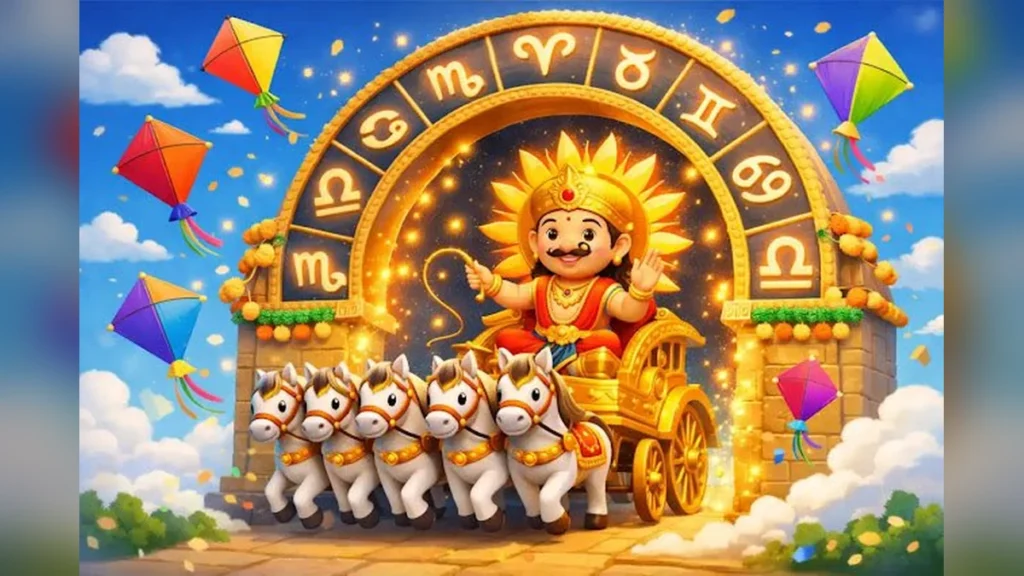
Makar Sankranti is a major Hindu festival celebrated across India with diverse names and traditions. It marks the transition of the Sun from Sagittarius (Dhanu Rashi) to Capricorn (Makar Rashi). Astrologically, on this day, the Sun begins its northward journey, known as Uttarayan, moving from the Southern to the Northern Hemisphere. This celestial shift heralds an era of increased energy, light, and new beginnings.
Why is Makar Sankranti Celebrated?
The celebration of Makar Sankranti is multifaceted, encompassing scientific, mythological, and cultural dimensions.
Scientific Reasons
Makar Sankranti is directly linked to the Sun’s movement and astronomical phenomena.
The Sun’s Uttarayan Journey
Makar Sankranti signifies the day the Sun begins its journey northwards from the Southern Hemisphere. This period, Uttarayan, is considered auspicious in religious beliefs. Scientifically, after Uttarayan begins, the Sun’s rays fall more directly on Earth, reducing the intensity of cold and lengthening the days. This transition brings a natural increase in warmth and daylight.
Changing Day and Night
With the onset of Uttarayan, days gradually become longer, and nights shorter. This change invigorates nature, signaling the arrival of new harvests for farmers and a general sense of renewed energy in daily life.
Seasonal Transition and New Energy
Post-Makar Sankranti, the harshness of winter begins to wane, leading to milder weather. The increasing warmth of the Sun infuses the atmosphere with positive energy, benefiting both physical and mental well-being. Ayurveda suggests that consuming sesame seeds and jaggery during this period provides internal warmth and energy.
Mythological and Spiritual Reasons
Makar Sankranti holds deep significance in Hindu scriptures and folklore.
Worship of Surya Dev
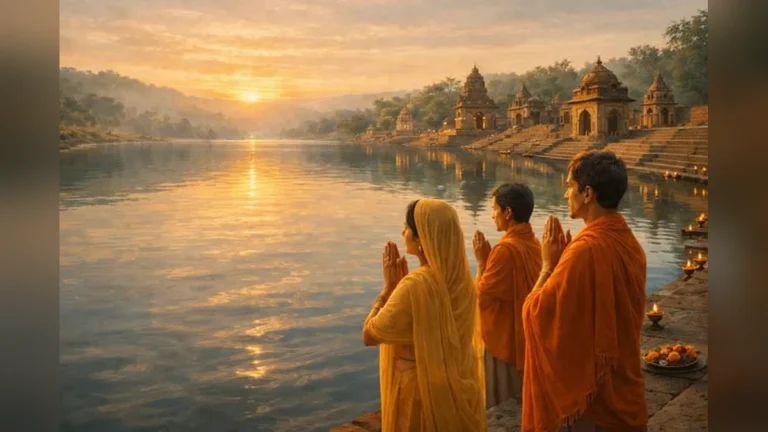
The Sun is revered as a visible deity, the source of life, energy, and light. Makar Sankranti is dedicated to Surya Dev. Worshipping the Sun on this day is believed to bestow health, wealth, and prosperity. Many take a holy dip in rivers, offer water to the Sun (Arghya), and pray for peace and well-being.
Descent of the Ganges
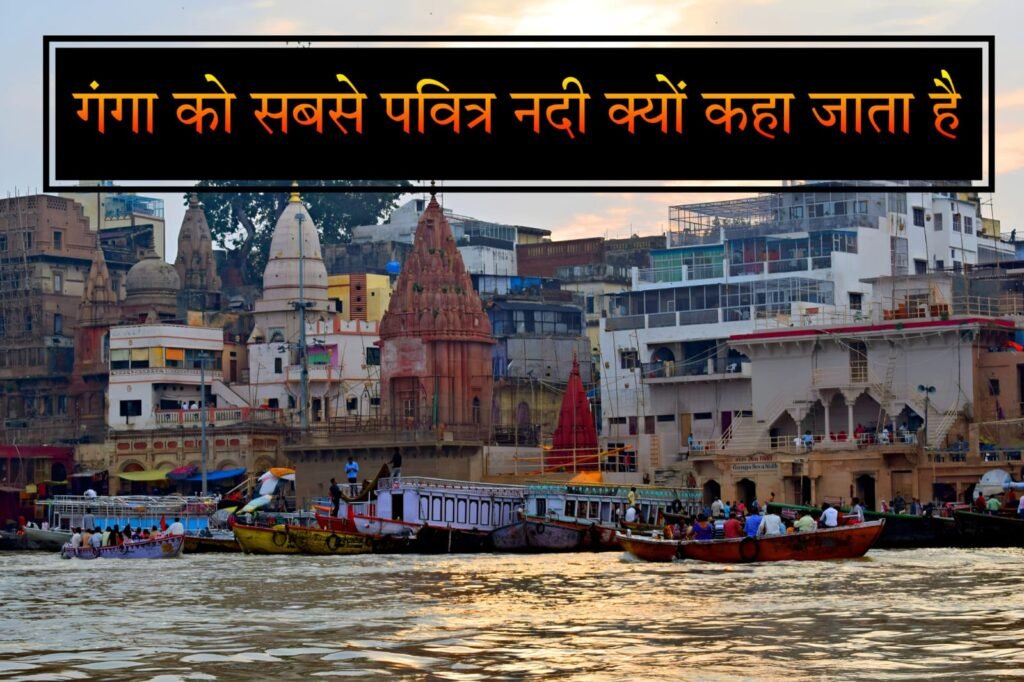
According to mythology, on this day, Goddess Ganga descended to Earth after the rigorous penance of King Bhagirath, eventually merging with the ocean at Sage Kapil’s ashram. Ganga’s arrival is considered a great boon to humanity, making a dip in the Ganges on Makar Sankranti exceptionally sacred.
Bhishma Pitamah’s Moksha
The Mahabharata recounts that Bhishma Pitamah, lying on a bed of arrows after the Kurukshetra war, waited for the Sun to begin its Uttarayan journey before relinquishing his life. It is believed he passed away on Makar Sankranti, attaining liberation (Moksha). Therefore, this day is also considered auspicious for ancestral rituals and seeking liberation.
Commencement of Auspicious Deeds
The Hindu almanac marks the end of Kharmas (an inauspicious period) with Makar Sankranti, after which auspicious events like weddings, housewarmings, and naming ceremonies recommence. It symbolizes new beginnings and good fortune.
Importance of Charity (Daan-Punya)
Charity holds special importance on Makar Sankranti. Traditions include donating sesame seeds, jaggery, खिचड़ी (khichdi – a rice and lentil dish), blankets, and warm clothing. Such acts of charity are believed to yield manifold rewards and lasting merit. This practice fosters social equality and a spirit of service.
Cultural and Social Reasons
Makar Sankranti is significant not just religiously but also culturally and socially.
Harvest Festival
Across India, Makar Sankranti is celebrated as a harvest festival, marking the end of the Rabi crop season and the beginning of the Kharif sowing. It is known by different names: Lohri in Punjab, Bihu in Assam, Pongal in Tamil Nadu, and Uttarayan in Gujarat. It’s an occasion for farmers to celebrate their hard work and express gratitude to nature.
Consumption of Sesame and Jaggery
Sweets made from sesame seeds and jaggery are central to the festivities. Both ingredients provide warmth, protecting the body from winter ailments. A social message is embedded in the tradition: ‘Til-gud khao, meetha-meetha bolo’ (Eat sesame and jaggery, speak sweetly), encouraging sweetness and affection in relationships.
Kite Festival
In states like Gujarat and Rajasthan, Makar Sankranti is celebrated with a vibrant kite festival. People fly kites from rooftops, symbolizing joy and celebration. Kite flying also exposes the body to sunlight, a natural source of Vitamin D beneficial during winter.
Gratitude Towards Nature
This festival brings us closer to nature, offering a chance to express gratitude for life’s essentials: the Sun, rivers, and harvests. Makar Sankranti reminds us of their importance.
Significance in Modern Times
Even today, Makar Sankranti retains its relevance. It connects us to our roots, helps us understand nature’s cycles, and promotes social cohesion. The tradition of charity inspires us to help others, while consuming til-gud reminds us of a healthy lifestyle. The festival teaches that every ending signifies a new beginning, much like the Sun’s Uttarayan journey symbolizes a move from darkness to light.
Conclusion
Makar Sankranti is not merely a holiday; it’s a confluence of science, spirituality, and culture. It allows us to appreciate the Sun’s energy, the sanctity of the Ganges, and the importance of harvests. It teaches us to embrace positive changes and live in harmony with nature. So, the next time you celebrate Makar Sankranti, remember its deeper meanings and embrace the festival with devotion and enthusiasm.
FAQs
What is the main reason for celebrating Makar Sankranti?
Makar Sankranti is celebrated primarily to mark the Sun’s transition into the Capricorn zodiac sign (Makar Rashi), signifying the beginning of Uttarayan, the Sun’s northward journey. This celestial event is linked to scientific changes like longer days and warmer weather, as well as mythological beliefs and cultural harvest celebrations.
What is the scientific importance of Makar Sankranti?
Scientifically, Makar Sankranti marks the day the Sun enters its Uttarayan phase. This leads to a gradual increase in daylight hours and a decrease in the intensity of cold. The changing solar radiation patterns influence weather and agriculture, bringing a sense of renewal and increased energy after winter.
What is the mythological significance of Makar Sankranti?
Mythologically, Makar Sankranti is associated with the descent of the River Ganges to Earth, the attainment of Moksha by Bhishma Pitamah, and is considered an auspicious day for worshipping Surya Dev (the Sun God). It also signifies the end of an inauspicious period, allowing auspicious ceremonies to resume.
Why is donating til (sesame seeds) and gud (jaggery) important on Makar Sankranti?
Donating til and gud is a significant tradition on Makar Sankranti. These ingredients are believed to provide warmth, which is beneficial during winter. The act of charity on this day is considered highly meritorious, and the combination of til and gud symbolizes sweetness and harmony in relationships, encouraging people to speak kindly to one another.
How is Makar Sankranti celebrated in different parts of India?
Makar Sankranti is celebrated with regional variations. It is known as Pongal in Tamil Nadu (a harvest festival), Lohri in Punjab (celebrated the day before Sankranti), Bihu in Assam (marking the start of the agricultural year), and Uttarayan in Gujarat (famous for its kite festival). Despite different names and customs, the underlying theme of celebrating the Sun’s transition and the harvest remains common.