Gautam Buddha: From Prince to Enlightened Sage
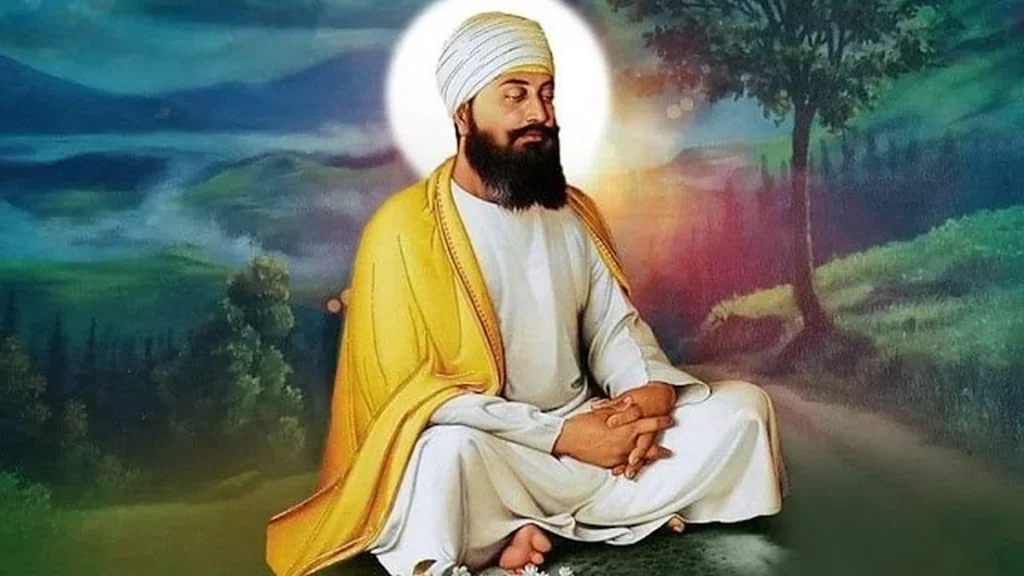
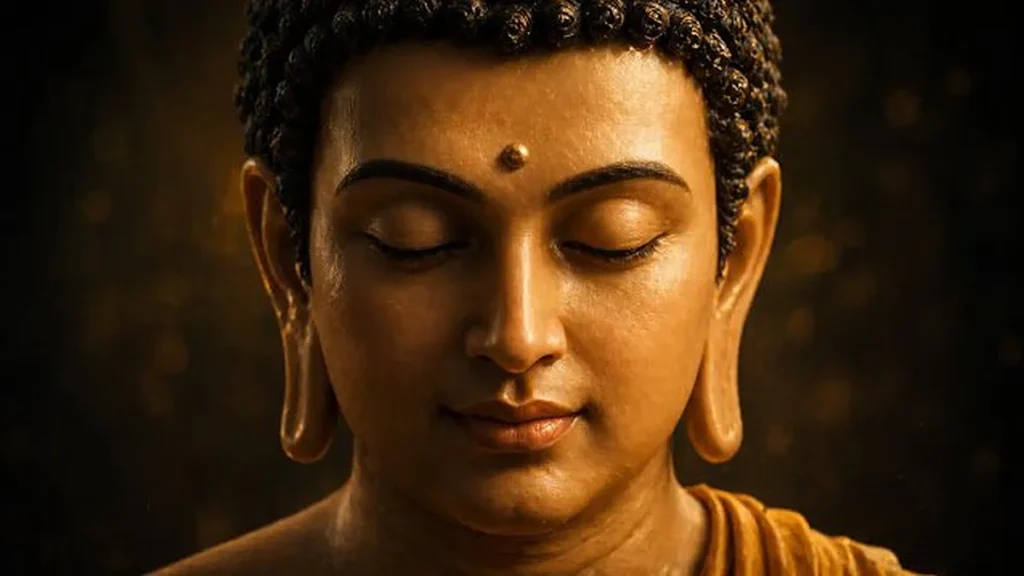
Born Siddhartha Gautama into a royal family in Kapilavastu (modern-day Nepal), Buddha’s life journey is a testament to the pursuit of truth. Prophesied to be either a great emperor or a spiritual leader, his father shielded him from the world’s suffering. However, witnessing an old man, a sick man, a corpse, and a renunciate profoundly impacted young Siddhartha. He realized the impermanence of wealth, status, and youth, and the inevitability of aging, sickness, and death. At 29, he renounced his princely life, wife, and son to seek enlightenment, an event known as the ‘Great Renunciation’ (Mahabhinishkraman). After years of harsh asceticism, he adopted the ‘Middle Way,’ avoiding extremes. Meditating under the Bodhi tree in Bodh Gaya, he attained enlightenment and became known as the ‘Buddha’ (the Enlightened One).
Gautam Buddha’s Profound Thoughts for Inner Peace

Buddha’s teachings are simple yet deeply profound, capable of transforming lives. His wisdom offers solace and guidance for navigating the complexities of existence.
- On Anger: “Holding onto anger is like drinking poison and expecting the other person to die.” This teaches that anger harms us first, disturbing our peace and wasting our energy.
- On Mind Power: “The mind is everything. What you think you become.” Our thoughts shape our reality. Positive and calm thoughts lead to a peaceful life, while negative thinking attracts suffering.
- On True Happiness: “Peace comes from within; do not seek it without.” Genuine happiness and peace are not found in external possessions, people, or circumstances, but in our own state of mind.
- On Victory: “It is better to conquer yourself than to win a thousand battles.” The greatest victory is self-mastery – controlling our desires, cravings, and negative emotions, leading to inner peace over external conflicts.
- On Suffering and Pain: “Suffering is inevitable, but pain is optional.” While suffering is a part of life, our reaction to it is within our control. We can choose to let suffering become pain or accept it and move forward.
- On Living in the Present: “Do not dwell in the past, do not dream of the future, concentrate the mind on the present moment.” This emphasizes the importance of living in the now, as the past is gone and the future is uncertain.
The Inspiring Story of Kisa Gautami and Mustard Seeds
Buddha’s parables effectively convey life’s deepest truths. The story of Kisa Gautami illustrates the universality of death and suffering.
Kisa Gautami’s only child died, and she desperately sought someone to revive him, unable to accept death. Advised to see Buddha, she pleaded with him. Buddha agreed to help, but on one condition: she must bring a handful of mustard seeds from a home where no one had ever died – not a child, spouse, parent, or friend. Kisa Gautami eagerly searched, but every household had experienced loss. Gradually, she realized that death is a universal truth, and everyone faces this sorrow. She returned to Buddha, not with seeds, but with a calm mind, having accepted the reality of mortality. She cremated her child and became Buddha’s disciple. This story teaches that while suffering is inherent to life, we are not alone in our grief. Seeing our sorrow in a universal context helps us accept it rather than cling to it.
Buddha’s Life-Changing Teachings: The Path to Freedom from Suffering
After his enlightenment, Buddha taught humanity the path to liberation from suffering, primarily through the Four Noble Truths and the Eightfold Path.
1. The Four Noble Truths (Chatvari Āryasatyāni)
- The Truth of Suffering (Dukkha): Life inherently involves suffering – birth, old age, sickness, death, separation from loved ones, and encountering the unpleasant are all forms of suffering.
- The Truth of the Origin of Suffering (Samudaya): Suffering arises from craving, desire, and attachment. When our desires are unfulfilled, suffering occurs.
- The Truth of the Cessation of Suffering (Nirodha): Suffering can cease. When craving and attachment are relinquished, suffering ends, leading to Nirvana.
- The Truth of the Path to the Cessation of Suffering (Magga): There is a path to end suffering, known as the Noble Eightfold Path.
2. The Noble Eightfold Path (Āryāṣṭāṅgika Mārga)
This is a practical guide to right living, helping one achieve liberation from suffering. It is also called the ‘Middle Way,’ avoiding extremes of indulgence and asceticism.
- Right Understanding (Samyak Dṛṣṭi): Comprehending the Four Noble Truths correctly.
- Right Thought (Samyak Saṃkalpa): Cultivating wholesome intentions – thoughts of non-violence, compassion, and selfless service.
- Right Speech (Samyak Vāc): Speaking truthfully, kindly, and constructively, avoiding gossip and hurtful words.
- Right Action (Samyak Karmānta): Engaging in ethical conduct – abstaining from killing, stealing, and sexual misconduct.
- Right Livelihood (Samyak Ājīva): Earning a living in a way that does not harm others.
- Right Effort (Samyak Vyāyāma): Preventing unwholesome states and cultivating wholesome ones.
- Right Mindfulness (Samyak Smṛti): Being aware of one’s thoughts, feelings, and bodily sensations (mindfulness).
- Right Concentration (Samyak Samādhi): Developing mental focus and deep meditative states.
Relevance of Buddha’s Teachings Today
Buddha’s teachings remain remarkably relevant, offering solutions to modern challenges like stress, anxiety, depression, relationship issues, and the pursuit of materialism. Practicing mindfulness and meditation (Right Mindfulness and Right Concentration) can bring mental peace. Principles of compassion and non-violence (Right Thought and Right Action) improve relationships. Understanding the causes of suffering and following the Eightfold Path provides practical tools for managing stress and anxiety. Ethical conduct (Right Action and Right Livelihood) guides us toward a moral and responsible life.
Conclusion
Gautam Buddha was more than a religious figure; he was a profound philosopher and psychologist who deeply understood the human mind and the nature of suffering. His timeless thoughts, inspiring stories, and transformative teachings guide us toward becoming better individuals and finding inner peace and contentment. By embracing his Middle Way and Eightfold Path, we realize that freedom from suffering is possible, and true happiness resides within us. Buddha’s wisdom continues to remind us that a peaceful, compassionate, and enlightened life is achievable.