Understanding Rooftop Noises at Night
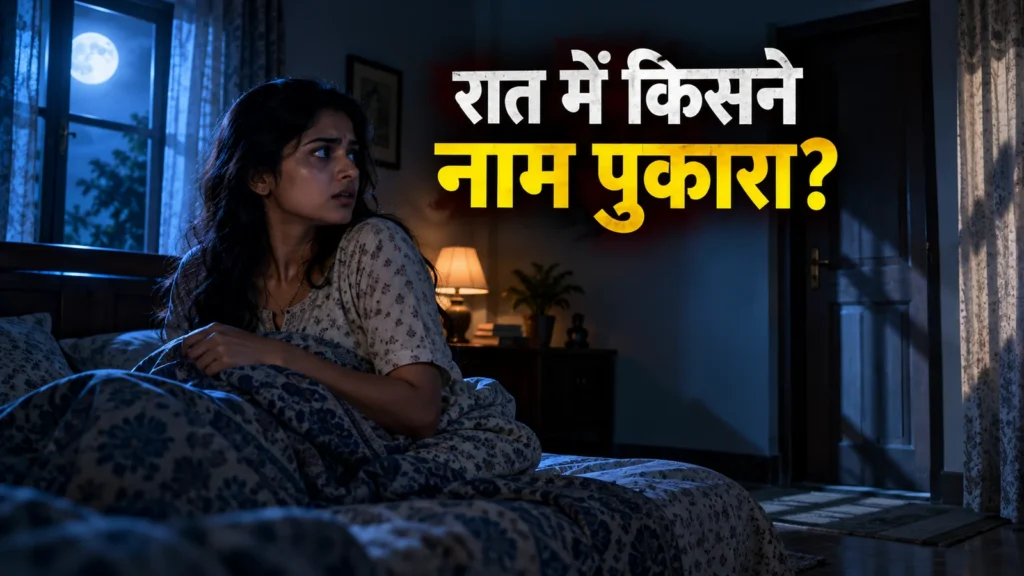
Imagine this: everyone in the house is asleep, and suddenly you hear a faint ‘tick-tick’ from above. A little later, it sounds like someone is walking slowly, perhaps with the jingle of anklets. There’s no one living upstairs, so your fear grows. Each new sound seems to confirm a frightening story. This scenario is purely illustrative. Hearing sounds on your rooftop at night doesn’t automatically prove someone is walking there or that it’s a ghost. The actual source of the sound and the interpretation given to it can be very different. First, ensure your home’s security, then investigate to identify potential causes.
If you notice signs like sparks, smoke, a burning smell, a collapsing part of the roof, or new, large cracks, do not dismiss the sound as normal. Move to a safe location and seek appropriate trained assistance. In India, for serious threats, contact 112 or your local emergency services.
Potential Sources: Rooftop, Pipes, or Nearby Structures?

Loose objects, sheets or doors moved by wind, water pipes, rooftop equipment, and animals can all be potential sources of sound. The noise might even be heard from a different part of the building. It can be hasty to assume, “I heard it from above, so someone must be there” without investigation. Every home’s construction and surroundings are unique; a source found in one house may not apply to another.
Note the direction from which the sound seems to come, whether it was continuous or intermittent, and if it was associated with any normal activity. A loose part visible during a safe daytime inspection can be a useful clue, but not definitive proof. If necessary, consult a plumber, electrician, or building professional in your area for an inspection. The structural integrity of your roof cannot be certified by an internet article.
Temperature and Building Materials: Possibilities, Not Guarantees
Building materials can be affected by changes in temperature and moisture. The movement of certain components might be a possibility when investigating sounds. However, it’s inaccurate to definitively attribute every nighttime ‘tick-tick’ to the contraction of an RCC (Reinforced Cement Concrete) roof. Thermal and volume changes in concrete are real engineering subjects. This doesn’t prove that the ‘anklet-like’ sound in your home originates from this phenomenon.
The source of the sound can be confirmed through a site inspection, not just by a technical term. If the sound is accompanied by new cracks, sagging, or falling debris, prioritize a safety assessment. Don’t dismiss structural indicators by saying, “Old houses make noises.” Decisions about repairs should be made by a qualified person after assessing the actual situation.
FACT: “Anklet-like” Sounds vs. Actual Anklets
The mind might interpret a regular, indistinct noise as a familiar pattern. A fan’s rattle or small impacts might sound like anklets – this is a potential interpretation. This isn’t necessarily auditory pareidolia in every instance. People can hear different words or patterns from the same recording. Therefore, it’s better to describe the sound without labeling it initially: “three light tapping sounds” rather than “three footsteps of a ghost.” Changing the description keeps the investigative path open.
What to Do and What Not to Do at Night
There’s no need to climb onto the roof alone in the dark, peer over the edge, or look into water tanks. Observe the general situation from a safe room and inform a household member if necessary. If you suspect a genuine intrusion, seek appropriate help instead of confronting it yourself. If there are no signs of electrical issues or gas leaks, and the area feels safe, you might take a short recording. Don’t call it a ghost detector test. Use it to document the time of the sound and suggest ordinary sources.
Do not go near a dangerous area to record. Do not repeatedly switch electrical appliances on or off for testing if you suspect electrical burning or a gas smell. If there are any signs of danger, it’s not advisable to stop to find the source. Call for help from a safe distance outside and let a trained person investigate. If you hear sounds, it’s best to stay calm and assess the situation from a safe place.
A Simple Daytime Inspection Plan
Inspect from normal access points to your home, with adequate lighting. You can check for loose windows, doors, visible pipes, or nearby objects. Tampering with wires, heavy loose items, roof slabs, or equipment is not part of a typical household check; a trained professional might be needed. It’s useful to note when the sound occurs in relation to activities like water pumps, device operation, wind, or neighborhood activities. Even if a connection is apparent, don’t assume it’s the final cause immediately. Provide this clue to a technician and have them conduct a safe investigation. Note any changes in sound after repairs. A single quiet night doesn’t prove a permanent solution. Follow up if the problem persists or if new safety indicators appear. Listen to the experiences of family members; don’t pressure them to accept your theory.
Advice: Distinguish Home Noises from Individual Experiences
Hearing sounds only when falling asleep or waking up, especially by one person, might raise sleep-related questions. If you experience new or frequent sounds while fully awake, seek medical advice. This is not a diagnosis of a mental health condition at home. If others also hear the same sounds, investigating external sources is useful; however, even if everyone agrees, it doesn’t prove a ghost. Not hearing anything doesn’t solely prove an illness either. Timing and safe inspection both matter. A family consensus can be reached: ensure nighttime safety, conduct daytime inspections, and seek health assessments when needed. There’s no need to put anyone at risk to uncover a frightening mystery. If prayer brings comfort, it’s a personal choice; it’s not a substitute for checking wires, pipes, or health.
Frequently Asked Questions
Is the sound of footsteps on the roof a sign of a ghost?
Such sounds alone are not proof of that cause. Investigating parts of your home and normal activities is useful.
Are all ‘tick-tick’ sounds caused by RCC contraction?
No. There are many possibilities; assessing the structural condition requires a real inspection.
Can a mobile recording catch a ghost?
A recording can capture sound, but it doesn’t prove a supernatural cause.
Should I go upstairs at night to check?
Do not climb onto a dark or unsafe roof alone. General inspection should be done during the day and with trained help if needed.
What if only I can hear it?
Note the context of sleep. For sounds heard while awake, consult a doctor.