The Enduring Mystery of Sanatan Hindu Dharma: Its History and Unique Features
In today’s world, when global religions are discussed, Hindu Dharma is often mentioned with great respect. It’s not just a religion but a lifestyle, a culture, and a philosophy that has guided millions for centuries. As the world’s third-largest religion, it boasts over a billion followers. However, questions often arise regarding its antiquity and unique characteristics. Unlike religions with known founders and specific establishment dates, Hindu Dharma presents a different narrative. How old is this Sanatan Dharma? Who founded it? And what makes it so special? Let’s unravel these mysteries based on historical accounts, traditions, scriptures, and scholarly opinions.
The Ancient Roots of Hindu Dharma: A Timeless Journey
Hindu Dharma is also referred to as ‘Sanatan Dharma,’ meaning ‘eternal’ or ‘that which has always been.’ This is why its origin is difficult to tie to a single person or a specific date. It wasn’t established by a single founder but is a vast confluence of beliefs, traditions, philosophies, and lifestyles that evolved over thousands of years.
Why No Single Founder?
Unlike many other religions, Hindu Dharma does not have a single central founder. Its roots are so deep and widespread that it is not based on the teachings of one individual. It is the result of the collective wisdom and experiences of Rishis, Munis, saints, and philosophers who sought truth at different times and shared it with society.
Historical Evidence and the Vedic Period
It is believed that the roots of Hindu Dharma extend back at least 4,000-5,000 BCE, or possibly even earlier. According to historians and archaeologists, evidence of religious practices similar to modern Hinduism has been found in the Indus Valley Civilization (circa 2500-1900 BCE), such as figures like Pashupati Mahadeva, yogic postures, and water worship. However, the clearest and written evidence of Hindu Dharma is found in the Vedas. The composition of the Vedas is estimated to be between 1500 BCE and 500 BCE, a period known as the ‘Vedic Period.’ These Vedas (Rigveda, Samaveda, Yajurveda, and Atharvaveda) are the oldest and most sacred texts of Hindu Dharma, containing hymns, prayers, philosophical thoughts, and descriptions of rituals. Many traditions and customs from the Vedic period remain an integral part of Hindu Dharma even today. Thus, Hindu Dharma is not an ‘establishment’ but a continuous process of ‘evolution.’
Key Features of Hindu Dharma: What Makes It Unique?
Hindu Dharma possesses numerous characteristics that distinguish it from other religions worldwide. Here are some of its prominent features:
1. Unity in Diversity and Polytheism
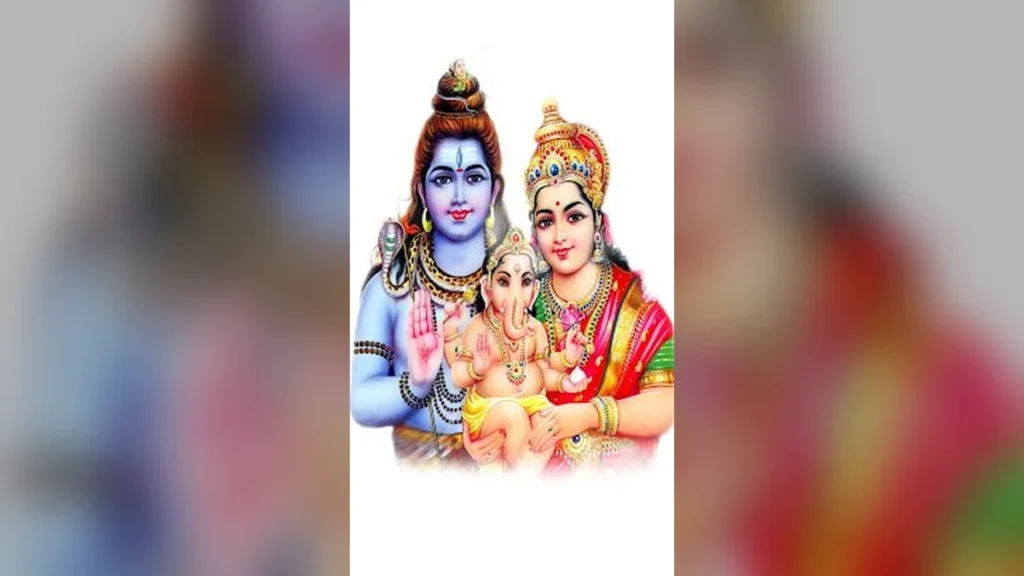
While many deities are worshipped in Hindu Dharma, it is not polytheism but an expression of the various forms of the one Supreme Being (Brahman). According to Hindu philosophy, God is one, but known by different forms and names. It believes in the principle of ‘Ekam Sat Vipra Bahudha Vadanti’ (Truth is one, the wise call it by many names). This diversity is its greatest strength.
2. The Principle of Karma and Reincarnation
The principle of ‘Karma’ holds central importance in Hindu Dharma. According to this, every individual reaps the fruits of their actions. Good deeds yield good results, and bad deeds yield bad results. This principle is linked to the concept of reincarnation, where the soul transmigrates from one body to another until it attains Moksha. Moksha signifies liberation from the cycle of birth and death.
3. Purusharth: The Four Goals of Life
Hindu Dharma speaks of four primary goals or ‘Purusharthas’ in human life:
- Dharma: Moral and religious duties.
- Artha: Wealth and material prosperity (earned through righteous means).
- Kama: Desires and pleasures (within the bounds of Dharma).
- Moksha: Liberation of the soul and attainment of supreme bliss.
This framework inspires individuals to lead a balanced life.
4. Ahimsa and Sarvadharm Samabhav
Ahimsa (non-violence, causing no physical or mental harm to any being) is a fundamental principle of Hindu Dharma. It teaches compassion and respect for all living creatures. The spirit of ‘Vasudhaiva Kutumbakam’ (the whole world is one family) and ‘Sarvadharm Samabhav’ (equal respect for all religions) reflects the liberality of Hindu Dharma.
5. Guru-Shishya Tradition and the Importance of Knowledge
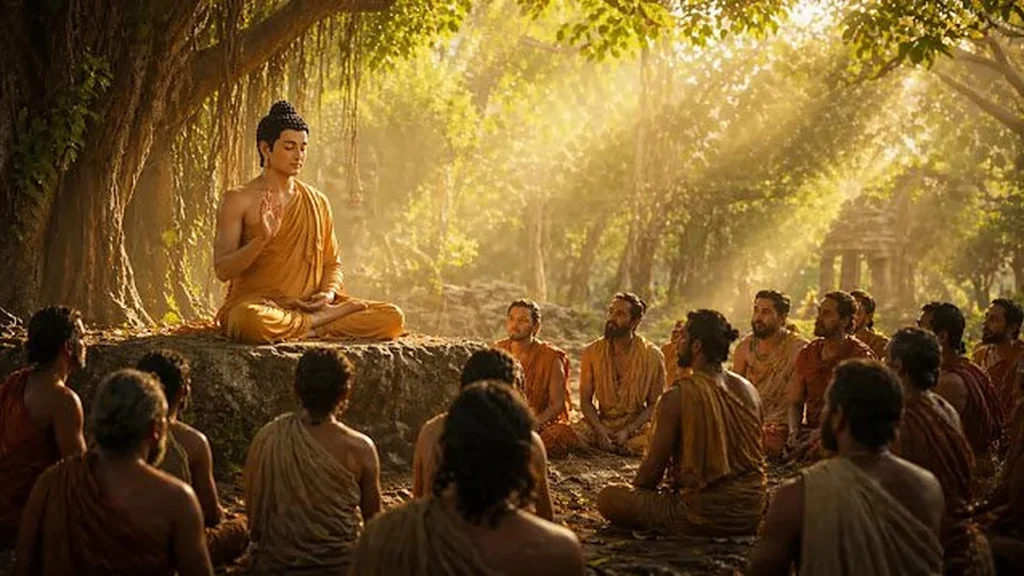
In Hindu Dharma, the Guru (teacher) holds special significance for imparting and receiving knowledge. The Guru-Shishya tradition has been in practice for centuries, where Gurus impart spiritual and worldly knowledge to their disciples. Sacred texts like the Vedas, Upanishads, Bhagavad Gita, and Puranas are immense sources of knowledge.
6. Significance of Festivals, Sanskaras, and Rituals
Hindu Dharma observes numerous festivals and sixteen Sanskaras (rituals related to birth, marriage, death, etc.). These festivals and Sanskaras are not just part of cultural heritage but also connect individuals spiritually and socially through various life stages.
7. Sanatanata and Adaptability
Another remarkable feature of Hindu Dharma is its Sanatanata (eternality) and adaptability. It has evolved by adapting to changing circumstances and societal needs over time. It possesses the capacity to assimilate new ideas and philosophies, which has kept it relevant for thousands of years.
Relevance of Hindu Dharma in Today’s Context
Even in today’s modern and fast-paced life, the principles of Hindu Dharma remain highly relevant. Yoga and meditation, integral parts of Hindu philosophy, are adopted worldwide for mental peace and physical well-being. Teachings on environmental conservation, respect for family values, and social harmony continue to inspire us to become better human beings. It shows us the path to introspection and understanding the deeper meanings of life.
Conclusion
Hindu Dharma is indeed a remarkable and complex tradition with roots stretching back thousands of years. It is not merely a mode of worship but a comprehensive life philosophy that inspires us to follow the paths of Karma, Dharma, knowledge, and Moksha. Its flexibility, diversity, and profound philosophical insights make it a timeless and universal religion, capable of guiding humanity in every era.