Hook: Online hitman ads look shocking, but the reality is very different
The internet is full of strange claims, and few topics sound as dramatic as online hitman advertisements. Some posts, videos, or stories create the impression that people can easily find illegal services online. But the reality is usually far less like movies and far more connected to scams, fake identities, fraud attempts, or investigations. Understanding the truth helps people avoid fear, confusion, and online manipulation.
Why are online hitman ads usually fake?
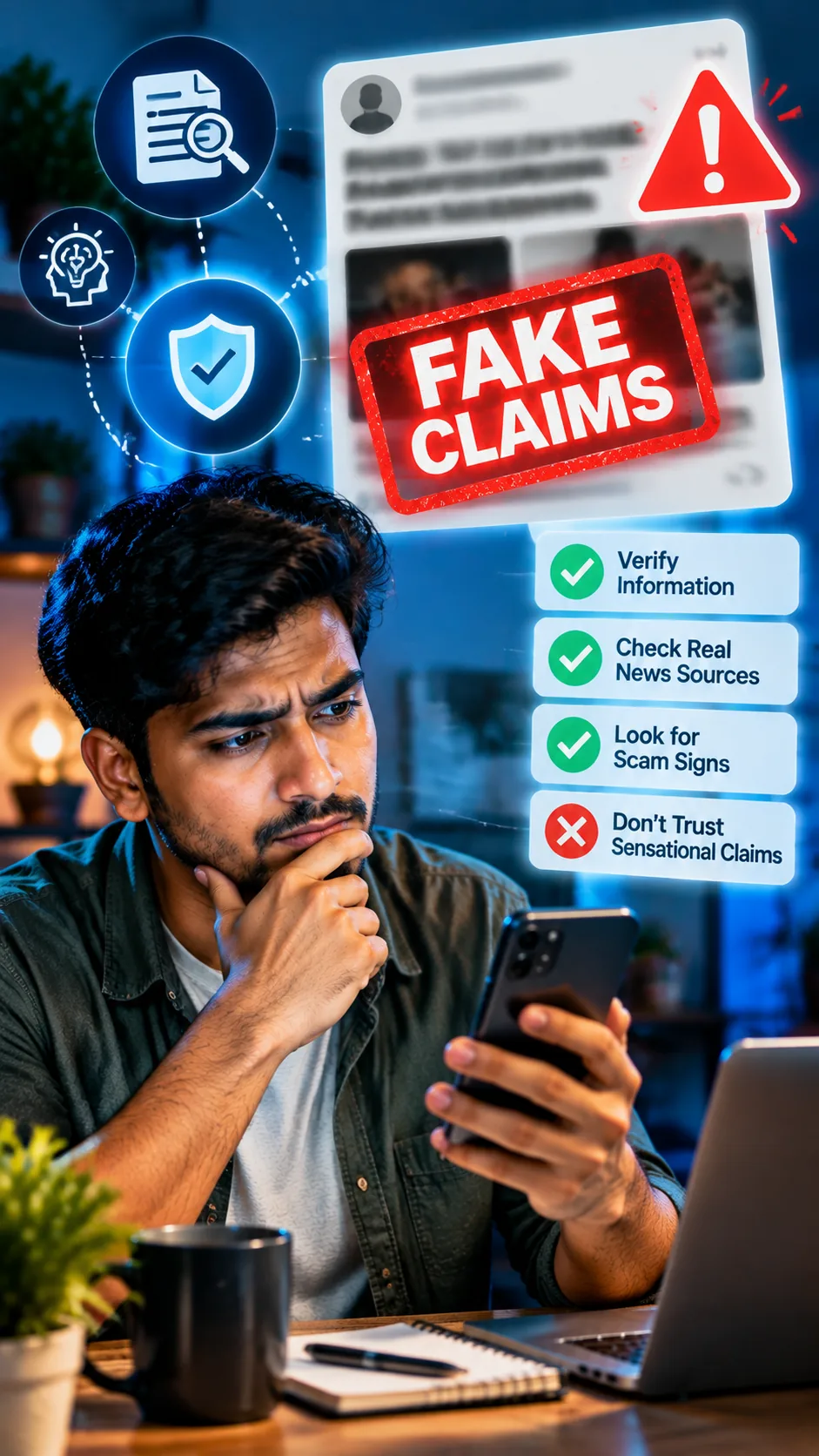
When people see a shocking online claim, the first question should not be “how real does it look?” but “what is the purpose behind it?” Many online hitman advertisements are created to create fear, attract attention, or trick people. They often depend on the mystery surrounding the topic rather than any real service.
Scammers understand that people are naturally curious about hidden or secret things. A dramatic advertisement with serious language can make something fake appear believable. Fake profiles, made-up stories, edited images, and false promises can create an illusion that something dangerous and organized exists.
The internet allows people to publish content quickly, but being online does not automatically make something trustworthy. A professional-looking page, a convincing story, or a collection of fake comments can all be created to mislead viewers.
Many fake criminal-related claims work because they feel like something from a movie. Popular culture has created many fictional ideas about secret criminals and hidden networks. Some online fraudsters simply use those ideas to make their stories appear more believable.
The important point is simple: an online claim is only a claim. Evidence, reliable sources, and proper investigation matter more than a dramatic presentation.
How do fake hitman advertisements trap people?
Most online scams work by targeting human emotions. Fear, curiosity, urgency, and excitement can influence decision-making. Fake hitman advertisements often use the same psychological tricks seen in other types of online fraud.
A person may become interested because the topic sounds unusual or secret. The scammer may try to create a feeling that the person has discovered something rare. This false sense of exclusivity can make people less likely to question the information.
Another common trick is creating pressure. Many scams try to stop people from thinking carefully. They want quick reactions instead of careful decisions. This pattern appears in many online fraud situations, whether the topic involves fake investments, fake jobs, or other false services.
People can also be influenced by stories shared on social media. When a claim is repeated many times, some users start believing it simply because it appears popular. But popularity does not prove truth.
Digital awareness means understanding that online content can be designed to manipulate emotions. Before believing any extreme claim, it is better to check the source and look for reliable information.
FACT: A shocking online claim is not proof that something is real
FACT:
Anyone can create misleading online content using fake names, edited visuals, and false information. The presence of a website, post, or advertisement does not automatically prove that the person, service, or claim behind it is genuine.
Why do people create fake hitman ads?
There can be several reasons behind fake hitman advertisements. The most common reason is financial fraud. Some criminals create false stories to convince people that they are connected to a secret service and then try to take money through deception.
Another reason is attention. On the internet, shocking content often gets more views and discussions. Some creators use extreme topics because they know unusual claims attract curiosity.
In some situations, fake criminal advertisements become part of investigations. Law enforcement agencies may examine online claims to understand whether they represent a genuine threat, a fraud attempt, or another type of illegal activity.
There is also a difference between fictional content and real-world information. Some websites, videos, or posts may be created purely for entertainment, storytelling, or online engagement. Problems happen when fictional ideas are presented as reality.
The internet has made information easier to share, but it has also made misinformation easier to spread. This is why users need to look beyond the appearance of a post and think about the evidence behind it.
How movies and internet myths created the hitman advertisement idea
Movies, television shows, and online stories often show fictional characters who operate in secret worlds. These stories are designed for entertainment and usually include dramatic situations that do not represent everyday reality.
Because people are familiar with these fictional ideas, some online scams borrow similar themes. A fake advertisement may use mysterious language, dramatic descriptions, or unrealistic promises because those things attract attention.
Social media can make these myths stronger. A strange claim can spread quickly because people share it before checking whether it is true. Sometimes the discussion around a fake story becomes larger than the original content itself.
This is a common challenge in the digital age. The internet contains facts, opinions, jokes, fiction, and misinformation together. Users have to separate entertainment from reality.
A good digital habit is to ask simple questions: Who created this information? What evidence supports it? Are trusted sources reporting the same thing? These questions help reduce the impact of online manipulation.
What is the connection between fake hitman ads and police investigations?
When online content appears to involve serious criminal claims, authorities may examine it. The purpose of investigation is to understand what happened, who created the content, and whether there is any genuine risk.
Some fake advertisements become part of investigations because they may involve fraud, threats, or attempts to deceive people. Online activity is not automatically outside the reach of law enforcement.
A common misunderstanding is that anonymous-looking online activity means someone cannot be identified. In reality, digital investigations can involve many legal and technical processes depending on the situation.
For ordinary internet users, the key lesson is not to panic when seeing shocking claims. Instead, users should remain careful, avoid spreading suspicious content, and seek proper help if they encounter a genuine concern.
Fear often helps scammers succeed. Calm thinking and awareness are much stronger protections.
How can you recognize sensational online crime claims?
Many misleading online claims follow similar patterns. They may use extreme language, create a sense of mystery, or suggest that viewers have discovered hidden information. These emotional triggers are designed to attract attention.
A useful habit is checking whether the information comes from reliable sources. A claim that exists only in random posts or anonymous content should be treated carefully.
Another warning sign is unrealistic storytelling. Real-world events are usually complicated, while fake content often presents simple and dramatic explanations. Scammers prefer easy stories because they are easier to sell.
People should also avoid sharing shocking information immediately. Every share can help false information spread further.
Digital safety is not only about technology. It is also about judgment. Understanding how misinformation works helps people make better decisions online.
Advice
The internet gives everyone access to huge amounts of information, but not all information deserves trust. When a topic involves crime, fear, or secret activities, careful thinking becomes even more important.
If you see an online claim that feels shocking, take a moment before reacting. Ask whether the information is supported by reliable sources or whether it is simply designed to create curiosity.
Many scams succeed because they create strong emotions. A person who feels afraid or excited may make decisions without proper checking. Staying calm is one of the simplest ways to avoid manipulation.
Protecting yourself online also means maintaining good digital habits. Use strong account security, avoid suspicious links, and do not share personal information with unknown sources.
If you see content that appears to involve serious threats or criminal activity, reporting it through appropriate channels is better than engaging with it.
💡 Remember: The internet rewards attention, and sometimes the most shocking stories are created because they attract attention, not because they are true.
FAQ
Are online hitman ads real?
Most online hitman advertisements that people encounter are linked to scams, fake claims, or misleading content. An online advertisement alone does not prove authenticity.
Why do people make fake hitman advertisements?
Common reasons include financial fraud, attention seeking, misinformation, or attempts to create fear and confusion.
Are movie-style hitman stories realistic?
Movies and entertainment often use fictional situations for drama. Real-world crime and investigations are much more complex.
What should someone do after seeing a suspicious online crime claim?
Avoid sharing it immediately, check reliable sources, and report suspicious content when appropriate.
Does hiding online mean someone cannot be investigated?
Digital investigations can use legal and technical methods depending on the situation. Each case is different.
Disclaimer
This article is created for digital awareness and online scam education only. It does not support or encourage illegal activity. For safety, legal, or criminal matters, rely on official information and qualified authorities.