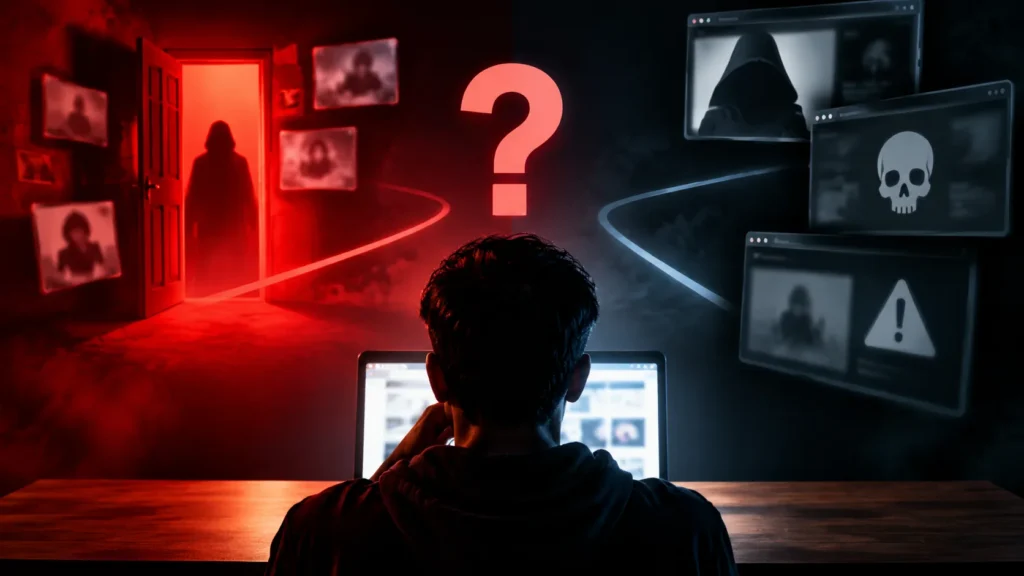
Can You Watch a Red Room? The Simple Answer You Need to Know
The internet has always been full of mysterious stories. Some are entertaining, some are scary, and some become so popular that people start wondering if they are actually real. “Red Room” is one such topic. Many people search questions like “Can you watch a red room?” or “Is a red room real or fake?” because online stories make it sound like there is a secret place where people can watch hidden live events.
The simple answer is this: claims about real online red rooms are not something you should trust. The idea is mostly connected with internet myths, horror stories, and fake claims designed to attract attention. Pages promising secret red room access are often trying to trick curious users.
Scammers understand human curiosity. When people see words like “secret,” “hidden,” or “live,” they naturally want to know more. This curiosity can be used against them. A fake page may create excitement or fear and then try to collect personal details, push suspicious actions, or demand money.
The internet contains a lot of information, but not everything online is true. A story being viral does not make it a fact. A shocking title does not mean there is real evidence behind it.
So, can you watch a red room? The safer and more accurate understanding is that these claims are generally myths or scam attempts, not a normal online service or hidden entertainment platform. The right approach is not curiosity-driven clicking but digital awareness.
Why Did the Red Room Story Become So Popular?

The red room concept became popular because it combines several things that naturally attract attention: mystery, fear, technology, and the idea of a hidden internet world. Human beings have always been interested in unknown places and secret stories. The internet simply gave these stories a faster way to spread.
Over the years, many online legends have appeared about secret websites and hidden communities. Some stories were created as fiction, some were exaggerated, and some were shared without checking facts. With time, repeated sharing made some people believe these stories must be real.
The red room myth became especially interesting because it was connected with the idea that the internet has hidden layers. Many people hear about unknown parts of the internet and imagine a completely secret world full of unbelievable activities. In reality, online spaces are much more complicated than movie-style stories suggest.
Movies, videos, and fictional content also play a role in making these ideas popular. Entertainment often uses mystery to create suspense. Problems happen when fictional ideas are treated as confirmed reality.
Another reason these stories spread is social media. A dramatic post with a shocking claim can get more attention than a normal educational article. Some people share such content for reactions without checking whether it is true.
The lesson is simple: popularity and truth are different things. A story can be famous and still be false. Red room searches are a good example of why online information needs careful thinking.
FACT: What Should You Understand About Red Room Claims?
FACT:
There is no reliable evidence that “red rooms” exist as the live online experiences often described in internet rumors. Many red room claims are linked with myths, fake stories, or scam attempts that use fear and curiosity to attract users.
How Do Fake Red Room Pages Try to Scam People?
Fake online pages often work by creating strong emotions. Fear, curiosity, and excitement can make people act quickly without thinking. Scammers know this and use dramatic claims to catch attention.
A fake red room page may use attractive headlines or mysterious language to make users believe they have discovered something hidden. The goal is often not to provide real information but to keep the user engaged and push them toward unsafe decisions.
Some scam pages may attempt to collect personal information. Others may use fake warnings, fake countdowns, or exaggerated claims to create pressure. The user may feel that they need to act immediately, but that pressure itself can be a warning sign.
A trustworthy website usually provides clear information and does not depend on fear or secrecy. When a page says something like “only a few people can see this” or “do not tell anyone,” it is worth becoming more careful.
Online scams are not always about advanced technology. Many scams succeed because they understand human behavior. They use emotions more than technical tricks.
Red room scams are a reminder that curiosity should be balanced with caution. Wanting to learn about unusual topics is normal, but protecting your privacy is more important.
A simple habit can help: before trusting a shocking online claim, ask yourself who created it, why they created it, and what they want from you.
How to Stay Safe From Red Room Scams and Fake Claims?
Digital safety is not only about installing security software. It is also about making smart decisions while browsing. Many online problems begin with a simple click made without checking.
If you see a page claiming to show a “real red room,” do not immediately believe it. Look at the information carefully. Ask whether the claim comes from a reliable source or only from a random post trying to get attention.
Avoid sharing personal information with unknown websites. Your email address, passwords, phone number, or other details can become valuable information for scammers.
Another important point is avoiding emotional pressure. Scam pages often try to make users feel afraid or excited so they stop thinking clearly. A safe online decision usually comes from taking time and checking facts.
Parents and teachers can also help younger internet users understand that online stories are not always real. Young users are especially attracted to mysterious content, and early digital awareness can prevent many problems.
The best protection against red room scams is simple awareness. You do not need to chase every mysterious claim you see online. Sometimes the smartest internet decision is knowing when not to click.
Movies, Horror Stories, and Reality Are Not the Same
One reason red room stories continue to attract attention is because movies and fictional content create powerful images in people’s minds. A well-made story can feel realistic even when it is completely imaginary.
Entertainment uses mystery because mystery keeps audiences interested. Writers and filmmakers create hidden worlds, secret groups, and unusual situations because they make stories exciting.
The problem begins when fiction becomes mixed with reality. A fictional idea may be repeated online so many times that some people start believing it is a documented fact.
The internet makes this confusion easier because anyone can create and share content. A dramatic video title or edited image can make an ordinary rumor look like a major discovery.
This is why digital literacy matters. People need the ability to separate entertainment, speculation, rumors, and verified information.
The red room topic is a good example of how internet myths work. The more mysterious a story sounds, the more people want to discuss it. But interest does not automatically create evidence.
Instead of focusing on fear, users should focus on understanding how online misinformation spreads. Learning how scams work is much more useful than searching for impossible mysteries.
What Should You Do If Someone Shares a Red Room Claim?
If someone sends you a message claiming they have a real red room link or secret video, the first step is simple: do not panic and do not react quickly.
Many scams depend on people acting emotionally. They want users to click before thinking. Taking a moment to question the claim can prevent many problems.
Do not send money to unknown people promising access to secret content. Do not provide personal information to suspicious websites. If something looks unusual, treat it carefully.
You can also help others by not spreading unverified claims. Sharing a fake story can increase fear and confusion among more users.
The internet is a powerful tool, but it requires responsibility. Not every mystery needs to be solved, and not every shocking claim deserves your attention.
The real lesson from the red room myth is about online awareness. The safest users are not those who know every internet rumor. They are those who know how to question information.
Advice
The internet is full of interesting topics, strange stories, and unanswered questions. Exploring information is a good habit, but curiosity should always be combined with common sense.
Red room stories teach an important digital lesson: mystery can attract attention, but attention is not proof. When something sounds too shocking, secret, or unbelievable, it deserves extra checking.
If a website tries to scare you, rush you, or make you feel like you are missing a once-in-a-lifetime opportunity, slow down and think. Reliable information does not need panic or pressure.
Build simple online habits. Use strong passwords, avoid unknown links, check sources before believing claims, and protect your personal information.
💡 Remember: your best online security tool is not only technology. It is your ability to think before you click.
The internet becomes safer when users understand how manipulation works. Scammers may change their stories, but human emotions like fear and curiosity remain the same.
Learning to identify fake claims is a valuable skill. It helps you avoid scams, protect your privacy, and use the internet with confidence.
FAQ:
FAQ
Can you watch a real red room online?
There is no reliable evidence supporting the idea of real online red room experiences as described in internet rumors. Many claims are linked to myths or scams.
Are red room websites trustworthy?
You should be very careful with websites making red room claims. Some may be created to collect information or mislead users.
Why do people search for red rooms?
The topic became popular because of internet myths, horror stories, and curiosity about hidden online spaces.
What should I do if someone sends me a red room claim?
Do not rush to click or share it. Check the information carefully and avoid sharing personal details.
Are all mysterious internet stories fake?
Not every unusual story is automatically false, but every claim should be checked using reliable information.
Disclaimer: This article is written for digital awareness and online safety education. Always be careful with suspicious websites, links, and online claims. Protect your privacy and verify information before trusting it.