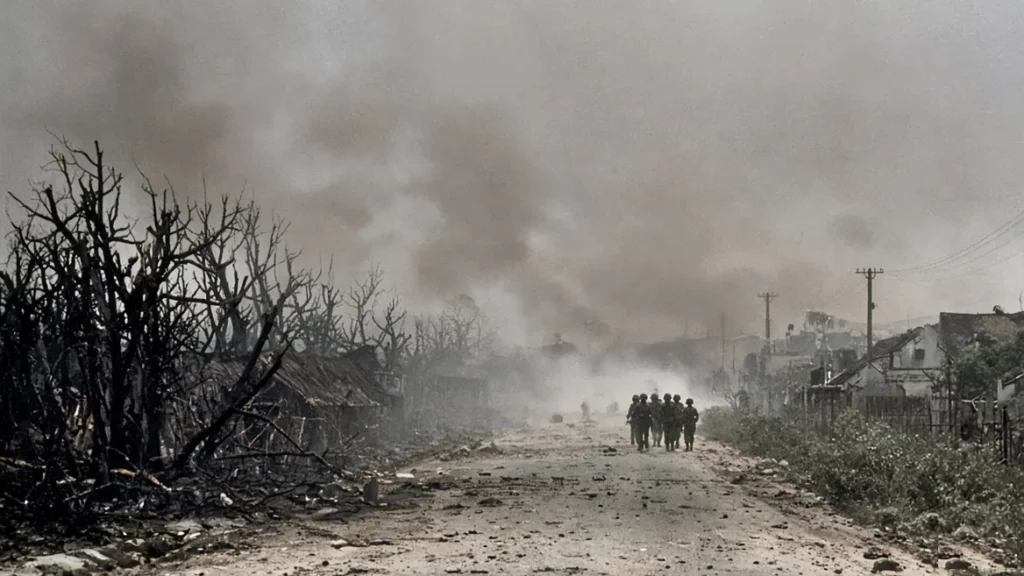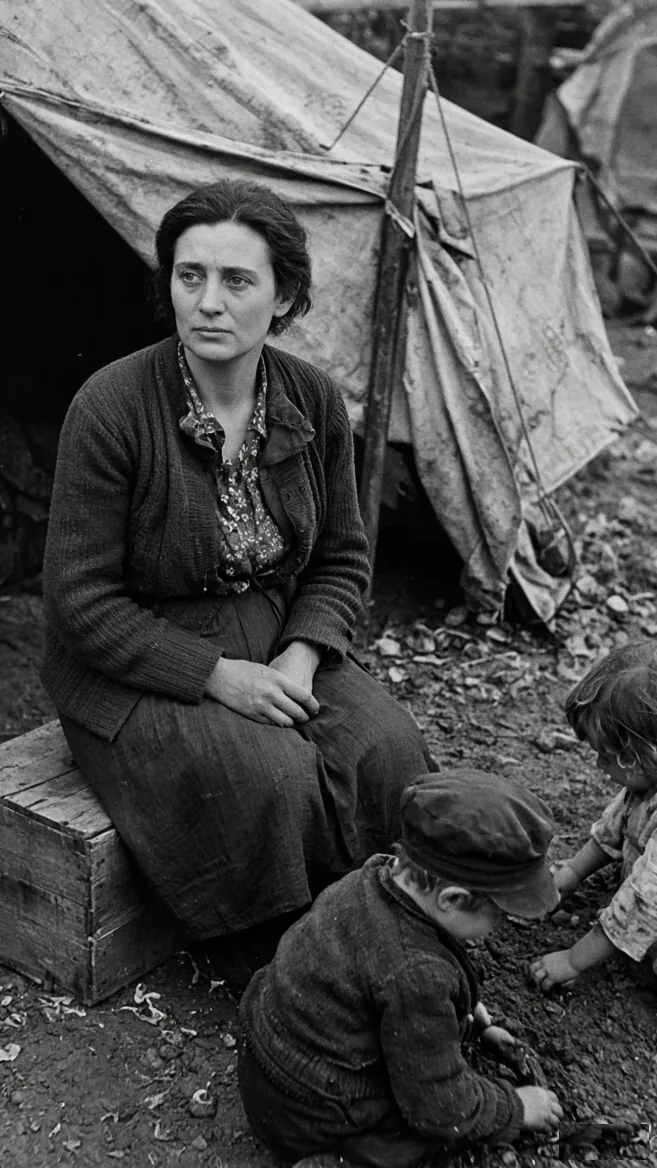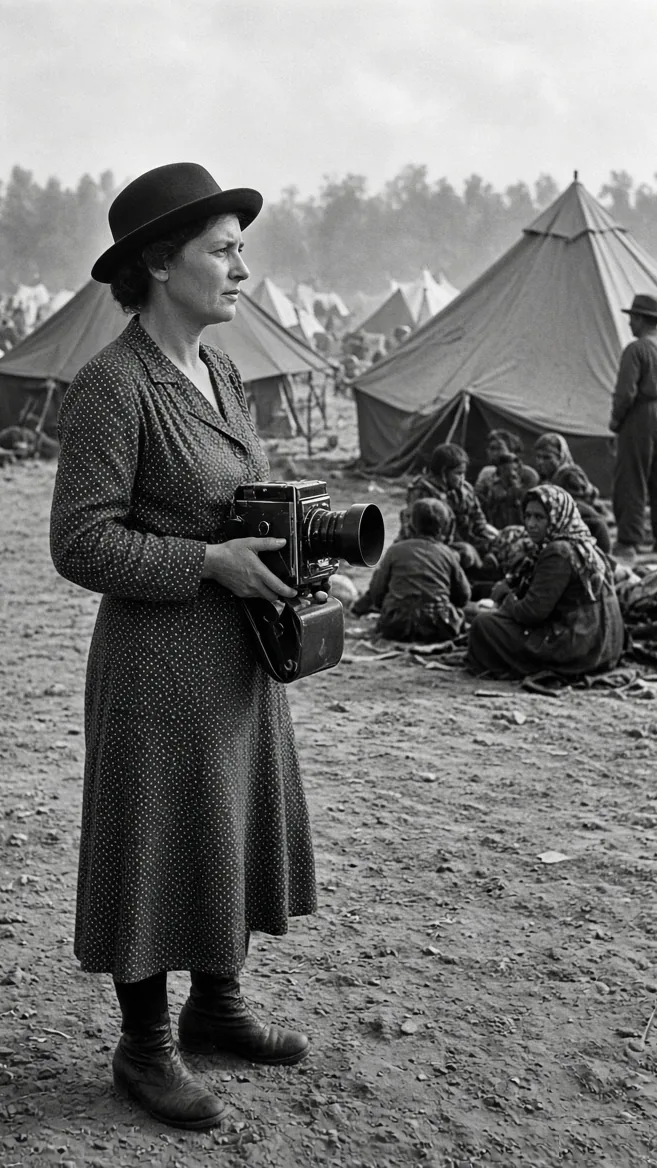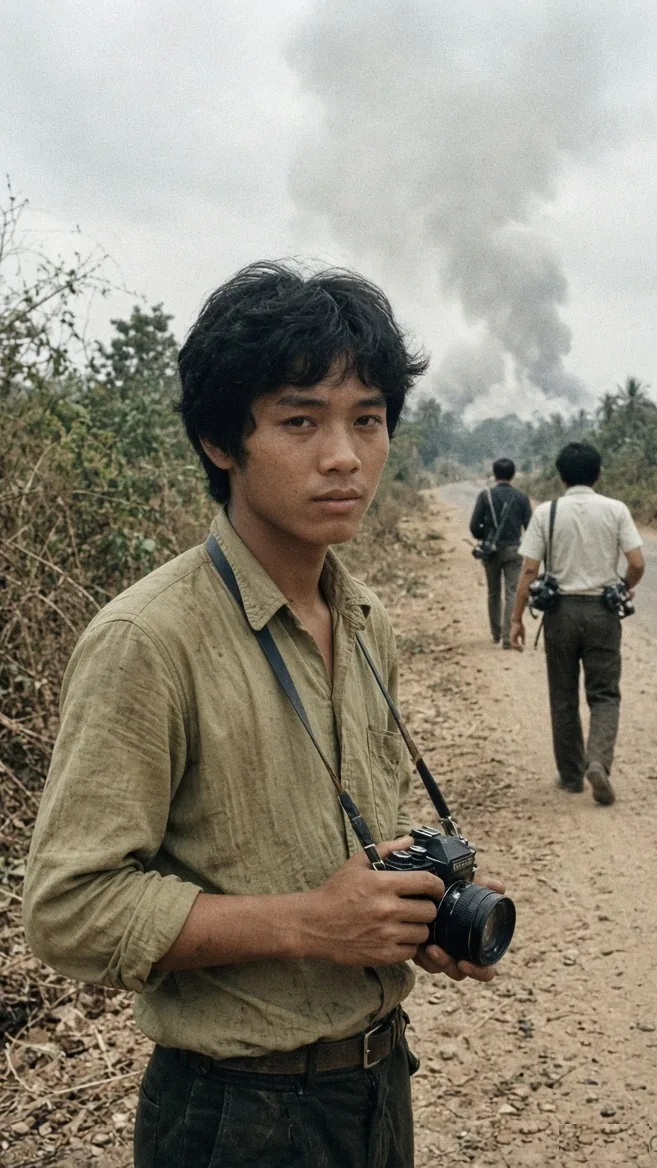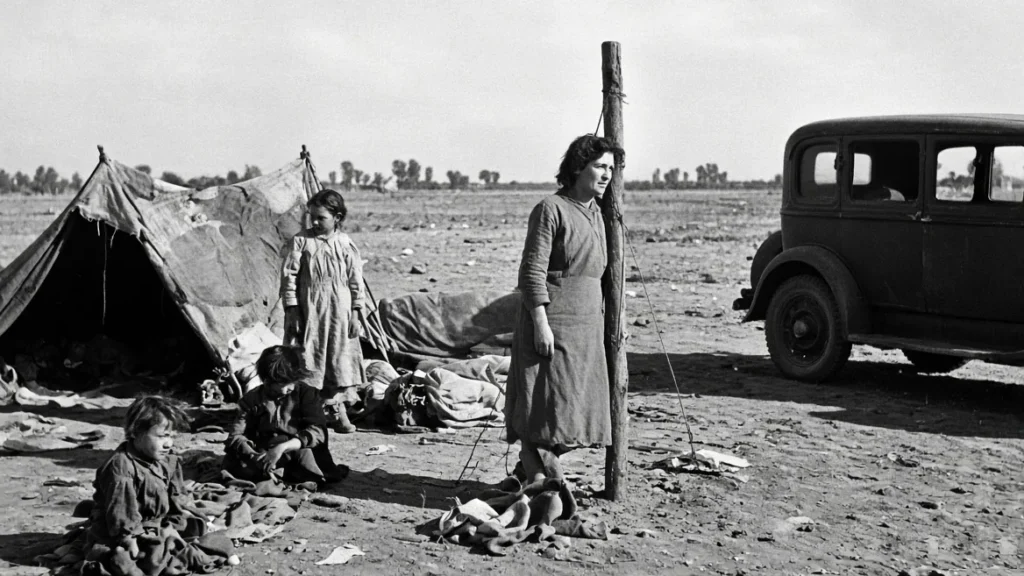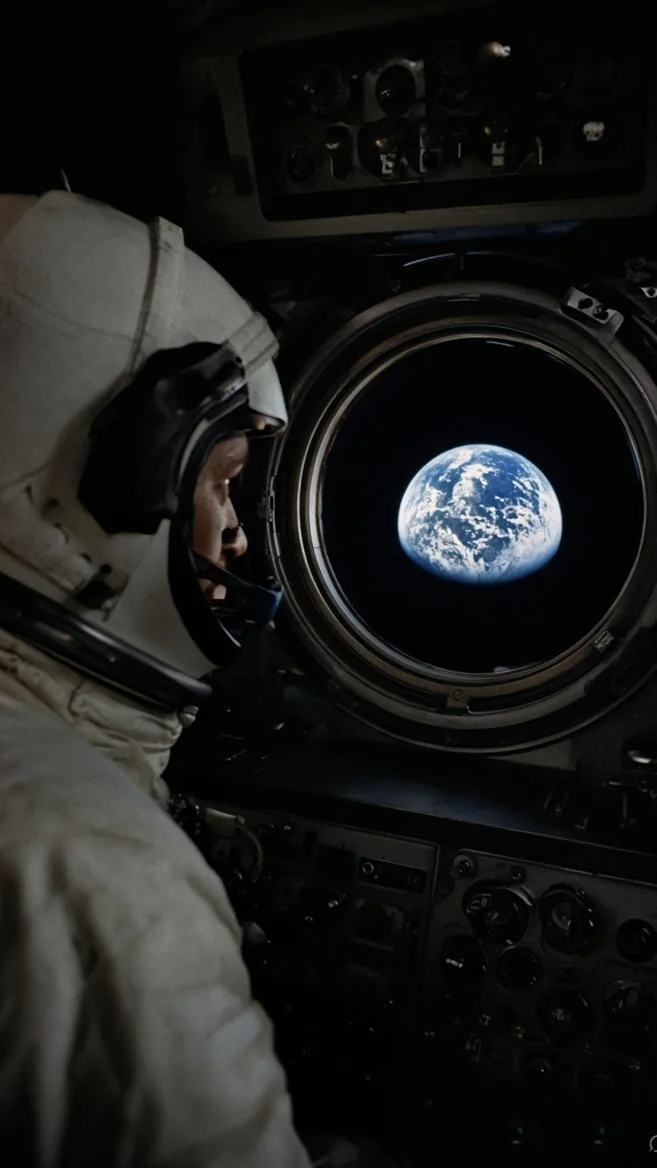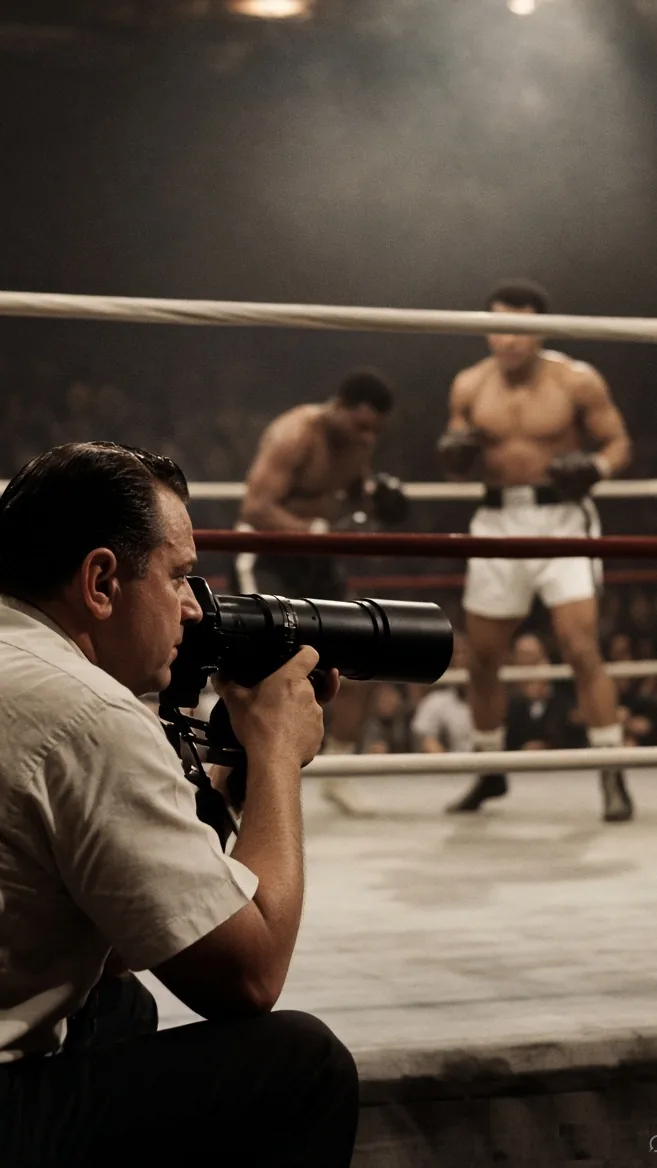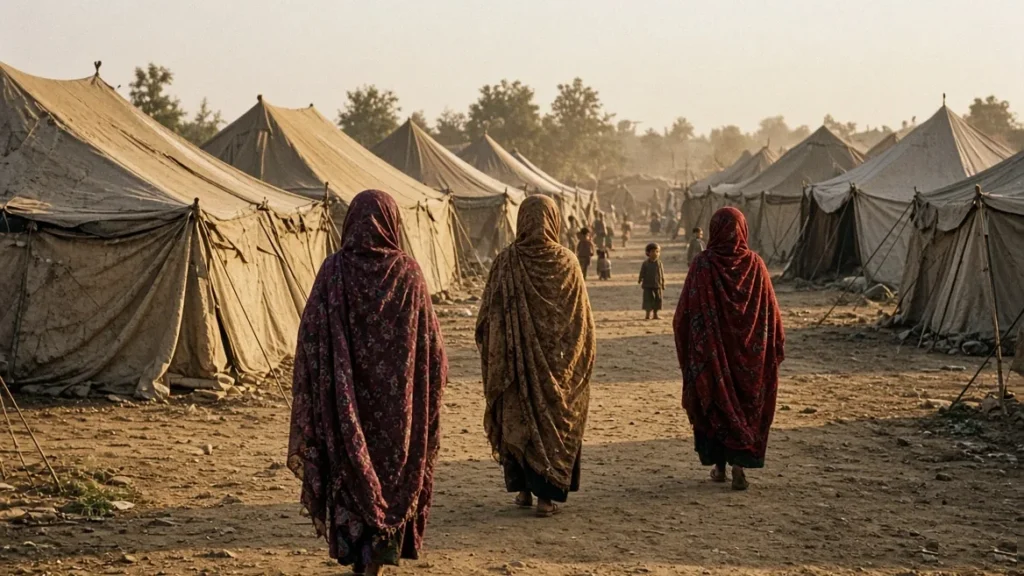
In 1984 Nasir Bagh sat near Peshawar — an Afghan refugee camp filled by the Soviet war. Families had walked the mountains into Pakistan. Steve McCurry moved through an informal school. A Pashtun girl looked at the lens. The frame became the June 1985 cover of National Geographic. No one printed her name. The world called her Afghan Girl.
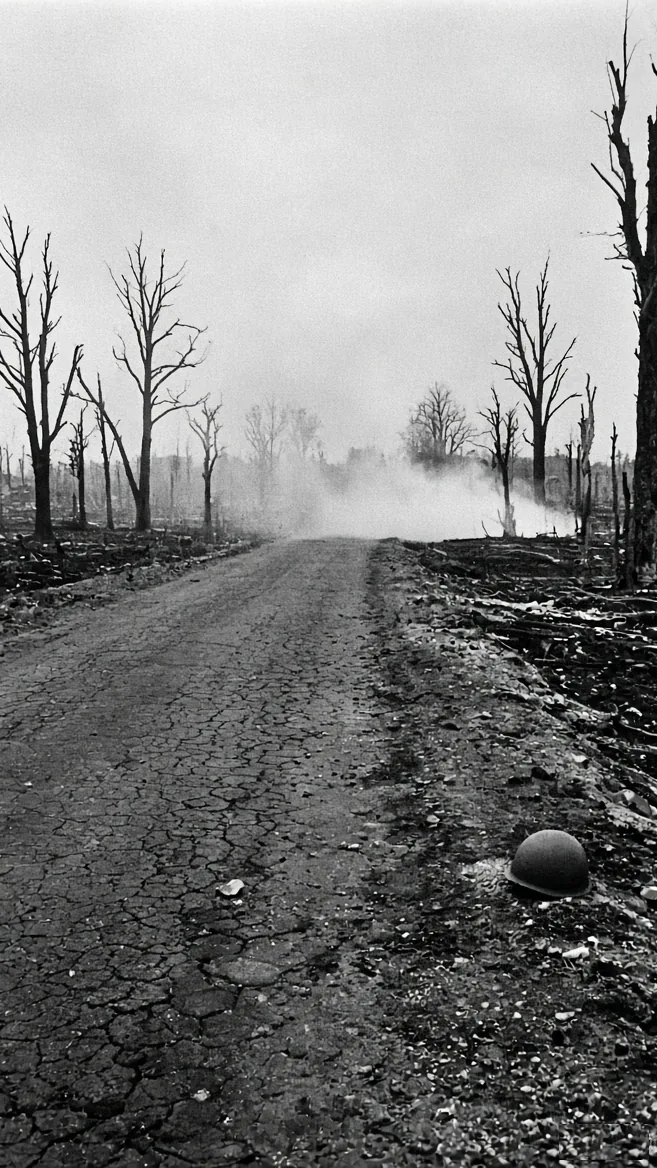
We do not copy the green-eyed cover face. The picture is protected, and so is the person. This article is the camp, the year, the war — without repeating that portrait.
Where Afghan Girl was made
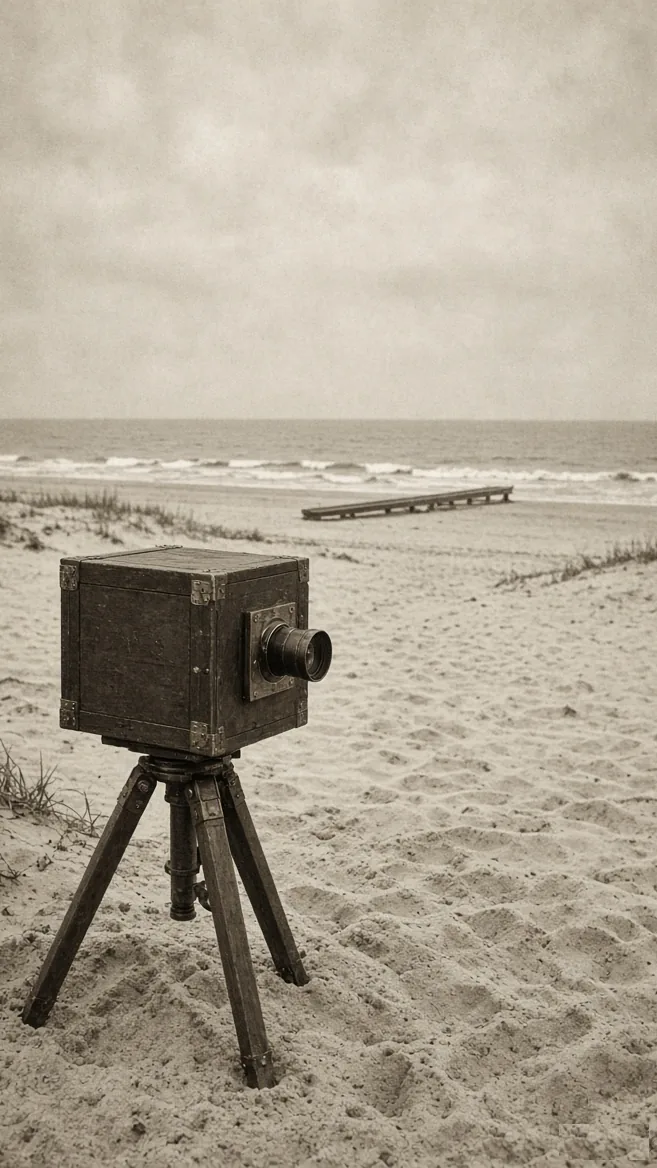
Place: Nasir Bagh, near Peshawar. Year: 1984; some notes say December. Camera: Nikon FM2, Nikkor 105mm, Kodachrome 64. She was about twelve. The family had left Nangarhar after the bombing and crossed on foot.
McCurry later said that morning was dust and a crowd and other frames, and film is not a screen. When the roll came back the picture was different. An editor hesitated, then took the cover. It became the magazine’s most traveled cover and returned three times — 1985, 2002, 2013.
For seventeen years there was no name. In 2002 a National Geographic team walked the same camp with the picture. The woman was Sharbat Gula. Iris recognition was used to confirm it. Pashtun, not a symbol first — a person the world turned into a symbol.
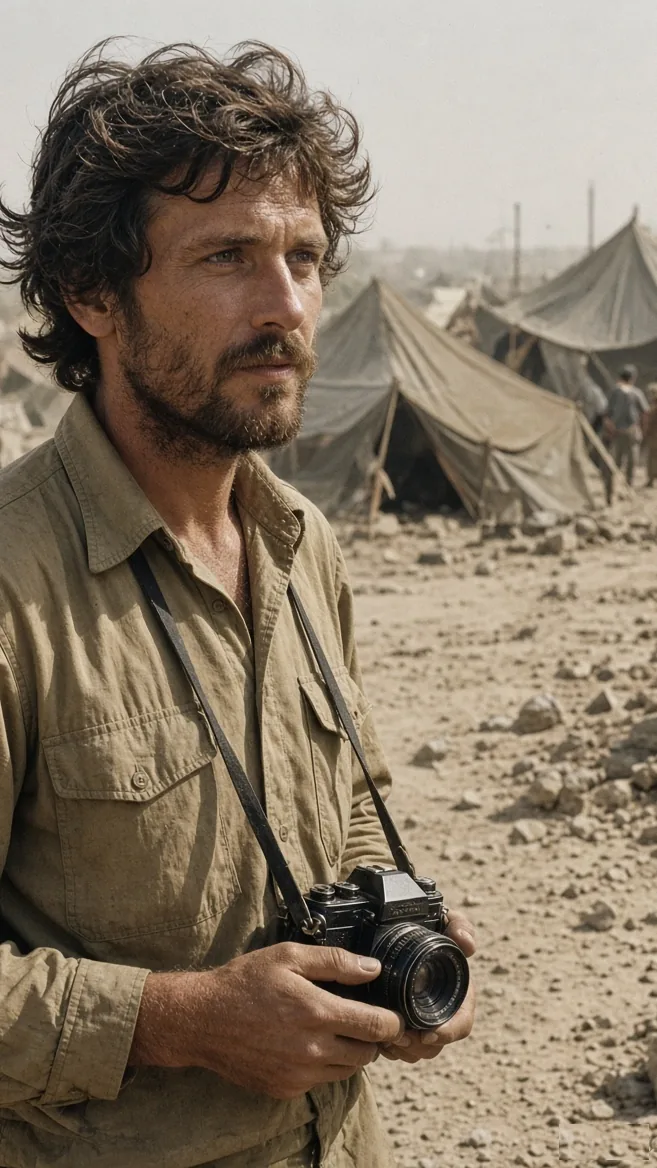
Steve McCurry did not think that morning that one frame would become a cover.
The consent problem
In Pashtun custom a girl’s face is not an easy gift to a man outside the family. Later reporting asked whether permission was clean. She was in a school. The camera was a stranger. The cover arrived a year later. The photograph pulled eyes and money toward the camps. It also made a child into a poster. Both sentences are true.
After 2002 Gula’s life fell into cameras again. The magazine returned. The eyes were measured again. A person is heavier than a symbol. This piece does not try her later cases in public. The point is how long one frame can own a name.
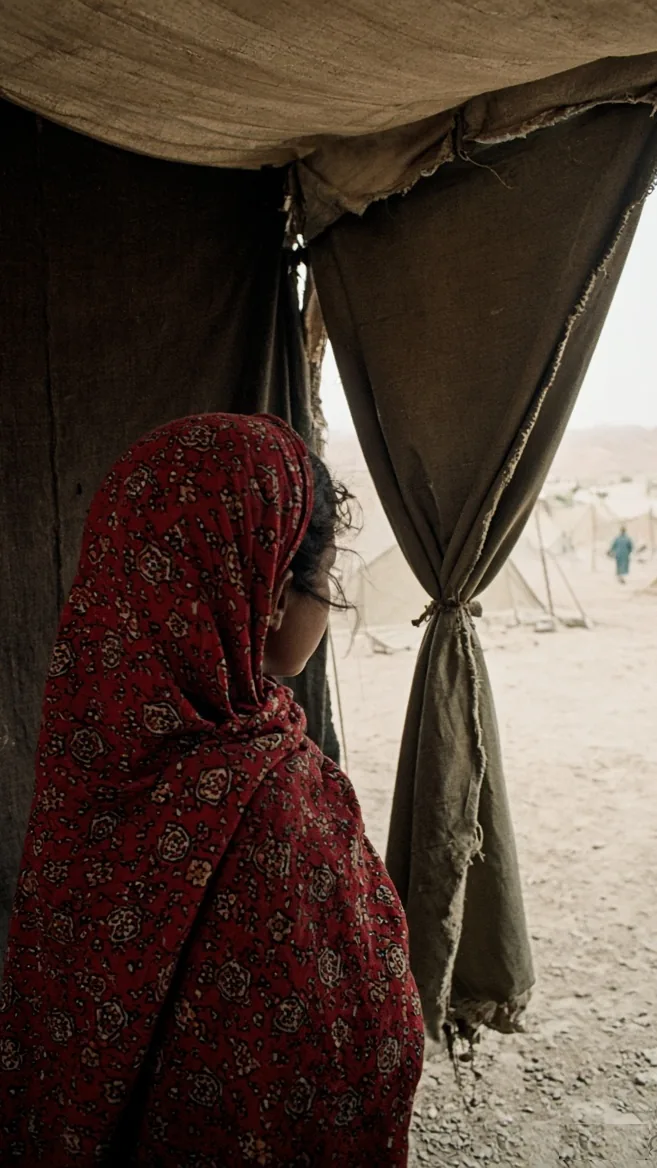
We do not repeat the face. The story is still that camp and that year.
Why the search still wants those eyes
People type Afghan Girl 1984, Steve McCurry, Sharbat Gula. All three open one cover. Wars changed. Camps emptied. The magazine dimmed. The frame did not.
This article withholds the face because the face has already been given too often without asking. Dust, tents, a camera — those are enough to remember where the picture came from. Afghan Girl lasts because a look outran a policy brief. A name paid for that, seventeen years late.