Human beings have always tried to read the next hour before it arrives. Curiosity about the future and fear of sudden loss sit close together, and that mix is where omens are born. In India, those omens have two everyday names: shakun for a good sign and apshakun for a bad one. Even now, in homes that use smartphones and bank apps, someone still pauses if a cat crosses the road or smiles if a cow appears at the gate. This article explains shakun apshakun Indian superstitions as cultural beliefs, not as proven forecasts, and asks what they still do to the mind.
The promise here is simple. You will see what these signs are said to mean, where the tradition comes from, which popular examples the Hindi source lists, and how modern psychology talks about hope and fear without inventing studies, crime figures, or extra omens. Belief is treated as belief. Coincidence is treated as coincidence. That line matters, because omen talk can comfort a family or freeze a person at the door.
What Shakun and Apshakun Mean in Everyday Life
In plain language, a shakun is treated as a good omen: a hint of success, safety, or a clean start. An apshakun is treated as a bad omen: a hint of delay, quarrel, loss, illness, or some unnamed trouble. The source does not present these as laboratory facts. It presents them as readings people attach to nature, animals, household accidents, and sudden sounds.
A shakun is the kind of moment that fills the mind with hope. The Hindi article’s own examples include seeing a cow when you leave for an important task, or hearing a temple bell. An apshakun is the kind of moment that fills the mind with worry: a cat cutting across the path as you start a journey, or a mirror breaking inside the house. The same event can look ordinary to one person and loaded to another. That difference is not in the cat or the glass. It is in the story the mind already knows.
These ideas are not unique to India. The source notes that many cultures keep some form of good-sign and bad-sign thinking. What is special in the Indian setting is how tightly the signs are woven into family speech, wedding timing, housewarming, the first day of a shop, and the moment someone steps out of the door. The belief is social as much as personal. A grandmother does not only warn you for your sake. She warns you because the family has used that language for a long time.
It also helps to separate three layers that often get mixed. First, the event itself: a bird calls, milk boils over, a pigeon nests on a ledge. Second, the cultural label: lucky, unlucky, keep going, wait. Third, the later story: if the trip goes well, the cow is remembered; if the trip fails, the cat is blamed. Only the first layer is an observed fact. The second is tradition. The third is memory choosing a cause.
How Indian Tradition Built a Language of Signs
The Hindi source places the roots of these beliefs deep in Indian culture. It says descriptions appear across Vedas, Puranas, jyotish texts, and folk tales. It does not quote a verse, name a single author, or give a date for when a particular omen entered common speech. That limit should stay in view. The claim is cultural depth, not a catalogue of scripture citations.
The older setting described in the article is a life lived close to weather, animals, and the sky. People watched how cattle moved, how birds called at dawn, how jackals cried at night, and how seasons turned. Those observations were then joined to hopes about harvest, travel, marriage, and health. Over time the joining became a habit. The habit passed by mouth from one generation to the next until it sat inside ordinary conversation.
The source lists the life moments when families still pause for signs: marriage, entering a new house, starting a journey, opening a trade. In that frame, omen-watching was not only fear. It was also treated as a kind of caution and as a way of staying in step with nature. Whether that caution was useful is a separate question. The tradition itself treated the pause as respect, not as a joke.
Oral transmission matters here. A written rule can be checked. A spoken rule changes with the village, the language, and the elder who tells it. One house may treat a sneezing fit as lucky if it comes twice. Another house may tell you to sit down and wait. The source’s own lists are popular examples, not a national code. Calling them “Indian superstitions” is fair as a family of beliefs. Calling every item binding Hindu law would go beyond what the source supports.
There is also a quiet social use. Shared signs give people a common script when the future feels thin. Before a son leaves for work, before a daughter’s wedding car starts, before a new lock is put on a shop, the family wants a sentence that says the day is clean. Shakun talk supplies that sentence. Apshakun talk supplies the opposite sentence, which can delay a plan or become an excuse after a plan fails. Both sentences are powerful even when they are not evidence.
Good Signs in Shakun Apshakun Indian Superstitions
The source’s good-omen list is specific. These are folk meanings, not measured outcomes. Each item below stays inside that list.
- Birdsong early in the morning. Folk belief treats the first chatter of birds as a clean start and a sign of positive energy for the day.
- A pigeon entering the house or nesting there. This is read as peace, prosperity, and household ease.
- Seeing a cow when you set out, especially with her calf. The journey is then said to carry success and auspiciousness.
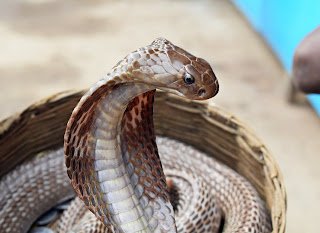
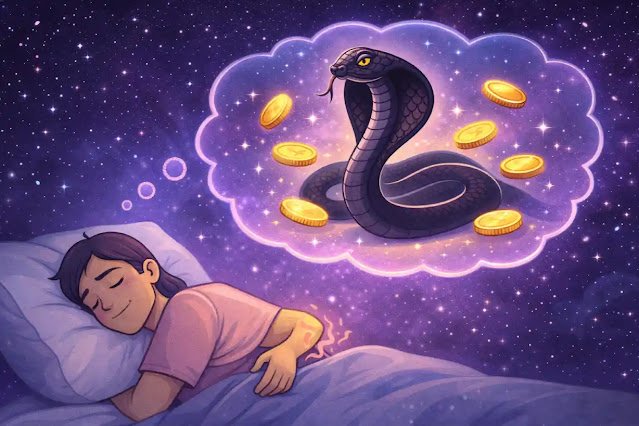
- A snake in a dream, in a lucky reading. If the snake is calm, or if it is seen in a Shiva temple in the dream, the source records meanings of money, spiritual progress, or a wish coming true. The same dream animal can be read as frightening in other contexts; the article flags the “auspicious reading” only.
- A cat giving birth inside the house. Some beliefs treat this as coming joy and the blessing of children.
- Sneezing twice before an important task. Two sneezes, in this list, are taken as a good sign for the work ahead.
- Seeing a peacock, above all a dancing peacock. The bird is linked with wealth, splendour, and good fortune.
- Seeing a falling star and making a wish. The wish is treated as more likely to be fulfilled.
Notice the pattern. Most lucky signs are gentle, living, or sky-borne: birds, a cow and calf, a peacock’s display, a wish thrown at a breaking star. They ask the mind to start the day as if the world has already nodded. That nod can change posture, voice, and effort. It cannot, by itself, prove that the cow caused the deal to close.
The dream-snake item needs extra care. The source does not say every snake dream is lucky. It limits the lucky reading to a calm snake or a temple setting linked with Shiva. Presenting that as a general dream manual would be an invention. Presenting it as one folk branch is faithful.
FACT BOX
The Hindi source defines shakun as a good omen and apshakun as a bad omen. Its lucky list includes dawn birdsong, a pigeon’s nest, a cow with her calf at the start of a journey, two sneezes before important work, a dancing peacock, and a wish on a falling star. Its unlucky list includes broken glass or a mirror, a cat crossing the path, milk boiling over, heavy spider webs, a bat in the house, unexplained howling of dogs or jackals, and an owl that keeps sitting on the roof and calling. Modern science, in the same article, does not endorse these as predictions. It treats most of them as coincidence plus human interpretation, and names placebo and nocebo as the psychological effects of believing a sign is good or bad.
Bad Omens That Still Stop People at the Door
Where a shakun lifts the room, an apshakun tightens it. The source’s unlucky list is also fixed. These are alleged meanings in folk speech, not documented proof that the event causes harm.
- Breaking glass, especially a mirror. Read as coming misfortune, a crack in a relationship, or negative energy in the house.
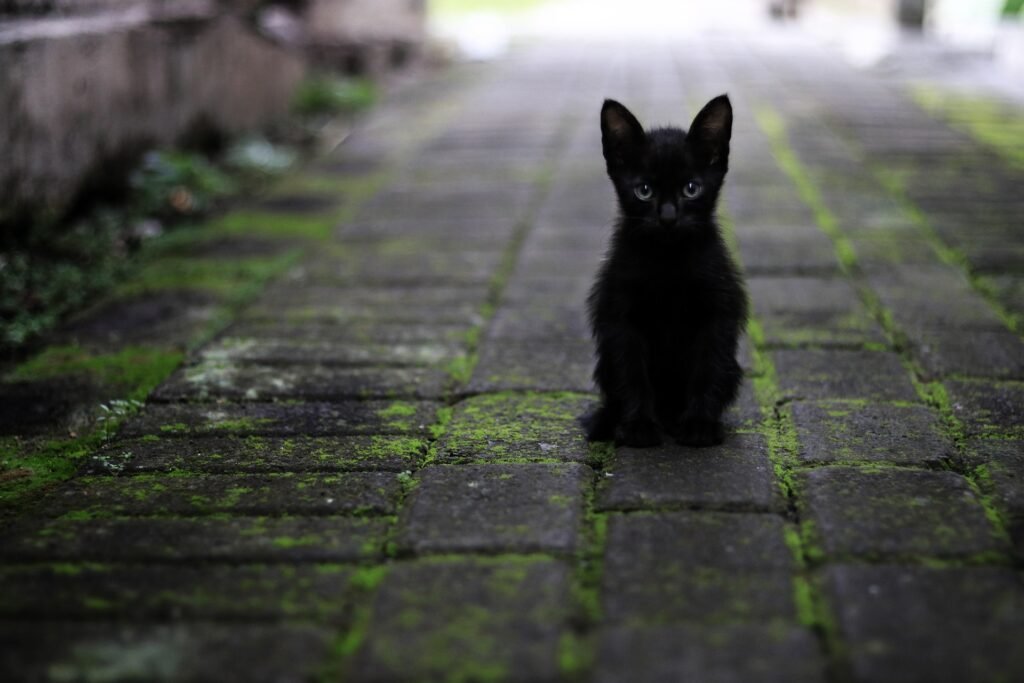
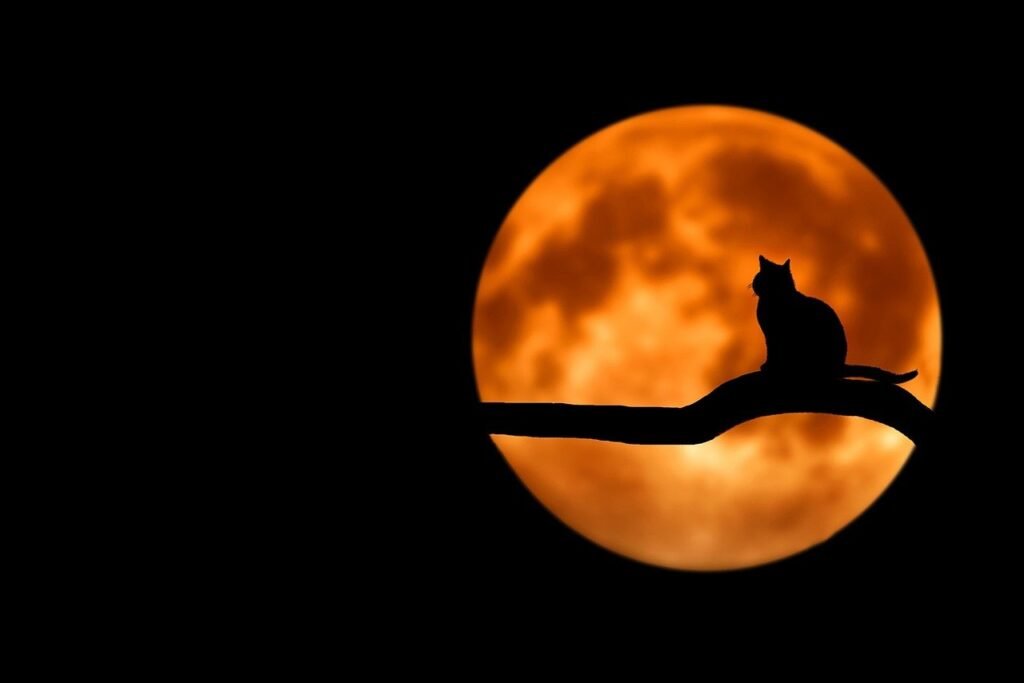
- A cat crossing the path as you leave. Read as obstacle or failure in the work you are going to do. This is one of the most repeated travel taboos in Indian omen talk.
- Milk boiling over and spilling. Read as money trouble or quarrel at home.
- Thick spider webs and many spiders in the house. Read as laziness, negative energy, and loss of wealth.
- A bat entering the house or nesting there. Read as inauspicious, and in the source’s wording linked with illness or death. That last pairing is a belief claim, not a medical finding.
- Dogs or jackals howling without a clear reason. Day or night, the long unused cry is treated as a sign of calamity or death.
- An owl sitting on the roof for a long time and calling. The source notes that some cultures treat the owl as wisdom. In the Indian beliefs it records, repeated rooftop presence and harsh calls are read as trouble or bad news.
These signs cluster around breakage, interruption, night animals, and things that feel “out of place” in a living room. A spilled pot is messy. A bat in a room is startling. A mirror in pieces is ugly and sharp. The body already flinches. Folk speech then gives the flinch a future tense: this is not only a mess, this is a message.
Taboo is the right word for some of these. A taboo is a line you are told not to cross, or a moment you are told not to ignore. The cat on the road is a classic example. People may wait, change shoes, go back inside, or start again after a pause. The wait can be harmless. It can also make a student late for an exam or a worker late for a bus. The cost is real even when the omen is not.
Death and disease meanings attached to bats, howling, and owls deserve the clearest label. They are traditional associations. They are not a substitute for a doctor, a police report, or a grief ritual. Treating a night sound as a death sentence can spread panic in a joint family. Treating it as an old story the ear still knows is closer to the source’s later, cautious tone.
Why Science Treats Most Omens as Coincidence
The source is direct on the scientific side. Modern science, it says, does not support most omen beliefs. It treats them as chance events plus human interpretation. The cat-crossing example is the article’s own illustration: if an accident happens after a cat crosses the road, people join the two events. The real cause of the accident may be speed, a broken light, weather, or another driver’s mistake.
That joining has a plain name: after-the-fact storytelling. The mind is good at drawing a line from an odd moment to a later result, and poor at counting all the days when a cat crossed and nothing followed. Those quiet days do not make family lore. The one bad day does. Over years, the family memory fills with “proof” that was selected, not sampled.
None of this requires an insult to elders. People who lived by seasons and animals were watching real things. A howling pack can mean a predator, a fire, or unrest in a village. A cow with a calf is a picture of continuity. Milk boiling over is wasted food. Spider webs can mean a room is not cleaned. Those observations can be practical. The leap from “the room is neglected” to “wealth will leave the house because of spiders” is the omen leap. Science stops before that leap.
The source also refuses a second leap that internet writing loves: secret cosmic machinery behind every sneeze. It does not name hidden planets as the cause of a broken glass. It does not invent a survey of how many travellers turned back after a cat. It leaves the scientific position as skepticism toward prediction, and moves the interesting part to psychology.
Placebo, Nocebo, and the Psychology of Belief
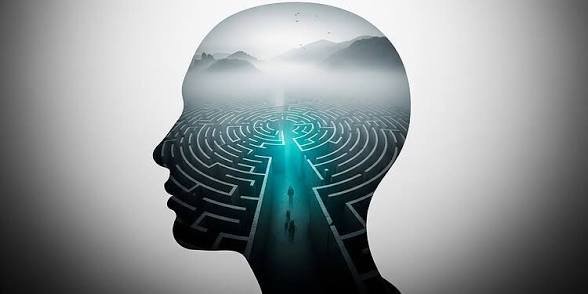
Here the Hindi article uses two exact terms: placebo and nocebo. If you treat a sign as lucky, the mind brightens and you may perform better. That is the placebo side of omen belief. If you treat a sign as unlucky, the mind darkens, worry grows, and performance can actually drop. That is the nocebo side. Both are effects of belief on the person, not proof that the bird or the cat changed the outside world.
The source adds a further claim that stays inside psychology rather than physics: the brain can bend events to fit what it already believes. Fear and hope push people to see patterns that may not be there. A student who thinks the day is cursed will notice every small delay. A trader who thinks the day is blessed will notice every small yes. The delays and the yeses may have been equal. Attention was not.
This is why omen talk can feel true from the inside. The person is not always inventing the later result. They may study less after a “bad” start, speak sharply after spilled milk, or walk into a meeting already defeated. The omen did not smash the deal. The mood that followed the omen helped smash it. That is still a real mechanism. It is just not the mechanism folk speech names.
The same engine works in the lucky direction. Two sneezes, a peacock on a wall, a cow at the turning — if these lift the chest, the person may greet the clerk with more ease, wait in the queue without snapping, and try one extra time. Effort rose. The falling star did not sign a contract. The person did. Keeping that distinction is the honest modern reading of the source’s psychology paragraph.
How to Read Old Signs Without Letting Them Drive You
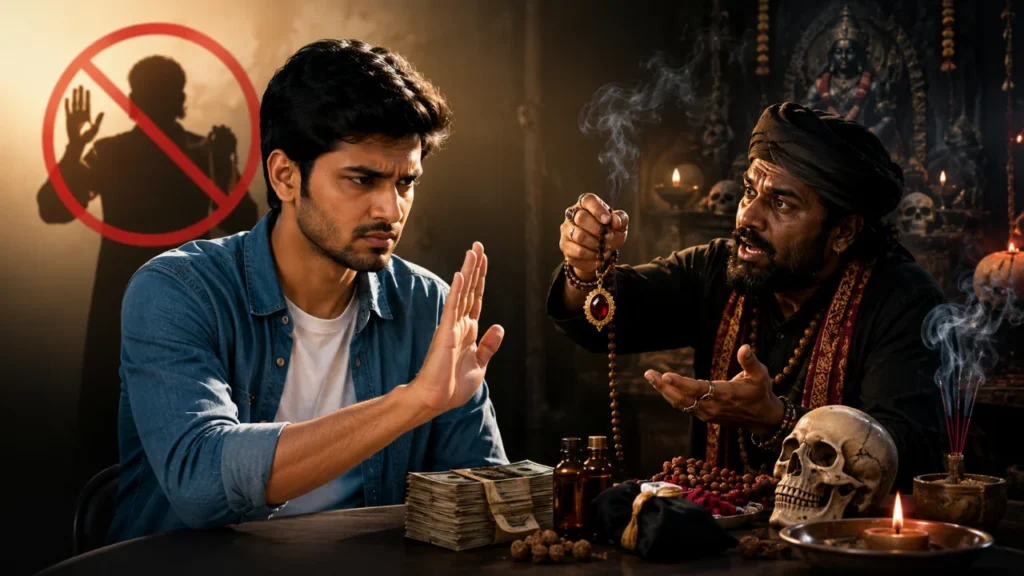
The source’s modern section is a balance, not a roast. It asks readers to respect tradition without becoming ruled by it. The signs can stay as cultural inheritance. They should not sit on the steering wheel of a life.
Five points from that section, restated as cultural notes rather than a sermon:
- Respect the inheritance, refuse the spell. Knowing why a grandmother feared a broken mirror is part of family history. Letting that fear cancel a hospital visit or a job interview is something else.
- Treat a clear mind as the strongest shakun the article names. The source says positive thinking and self-trust are the largest good sign. Starting a task with a steady head raises the chance of doing it well. That is effort talking, not a peacock talking.
- If a so-called apshakun happens, read it as a nudge to look again, not as a curse. Spilled milk can mean the flame was too high. A house full of webs can mean the room needs cleaning. Those are useful notices.
- Put more weight on work than on fate-talk. The article’s line is that action and labour matter more than luck-speech.
- Keep the mind quiet enough to choose. Needless fear makes poor decisions. A still mind is what the source says helps a person choose well.
That is as far as a dharmik-adjacent piece should push. No ritual is being sold. No counter-charm is being taught. The cultural note is only this: the old signs can stay in stories, songs, and family jokes. They do not have to become a veto on adult life. Your inner steadiness, in the source’s own closing language, is what carries a person through an obstacle.
The conclusion of the Hindi essay stays in the same key. Shakun and apshakun are called an interesting and deep strand of Indian culture. They can connect people to nature, make them think about what comes next, and add a little mystery to an ordinary morning. The same essay then says fortune is in one’s own hands, and that hard work, a clear view, and viveka — discernment — should lead. The signs may be kept as tradition or even as entertainment. They should not be the base of a decision that affects health, money, or another person’s safety.
FAQ
1. What is the difference between shakun and apshakun?
In the source’s definition, shakun is a good omen — a sign people read as success, peace, or a clean start. Apshakun is a bad omen — a sign people read as obstacle, quarrel, loss, illness, or coming trouble. Both are cultural readings of ordinary events, not laboratory results.
2. Are shakun apshakun Indian superstitions found only in India?
No. The source says similar omen thinking exists in many cultures, in different shapes. The Indian lists and the family occasions attached to them — marriage, housewarming, travel, new trade — give the local form its particular weight.
3. Does seeing a cow or a cat actually change what happens on a journey?
Folk belief says a cow, especially with her calf, is lucky at the start of a trip, and a cat crossing the path is unlucky. Science, in the same article, does not accept that link as cause and effect. If a later mishap is blamed on the cat, the real cause may be something else. Mood after the sign can still change how carefully a person walks.
4. Why do broken glass, spilled milk, bats, owls, and howling animals scare people?
Because tradition has stored those images as warnings. Broken glass is tied to household rupture, spilled milk to money or conflict, bats to illness or death, rooftop owls and unexplained howls to bad news. Those are belief claims. A startling sound or a mess can also shake the body on its own, which makes the old label easy to stick.
5. Is there any psychological truth in omen belief even if the omen is not a predictor?
Yes, inside the limits the source names. A believed good sign can work like a placebo and lift performance. A believed bad sign can work like a nocebo and increase fear, which can then spoil performance. The brain also hunts for patterns that match hope or dread. That is a fact about attention. It is not a fact about the peacock causing wealth.
Disclaimer: This English rewrite explains popular Indian omen beliefs as recorded in the Hindi source. Regional and family lists differ. Meanings attached to animals, dreams, sneezes, and household accidents are cultural claims, not medical, legal, or astrological advice, and not proof that an event predicts success, illness, or death. No extra omens, studies, or statistics have been added.