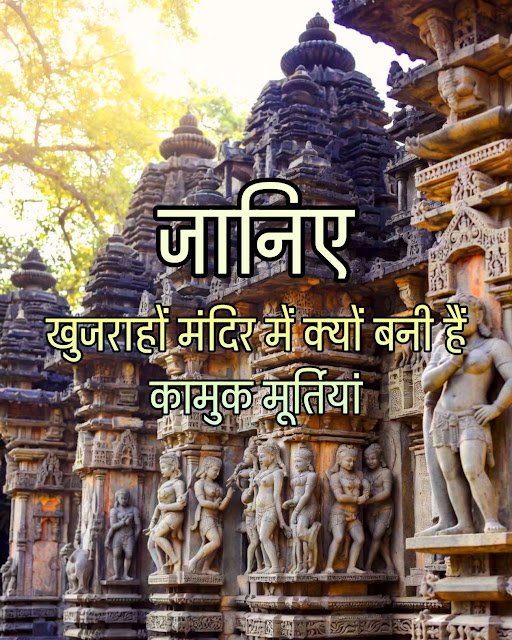
When travelers and history enthusiasts first encounter the world-renowned UNESCO World Heritage site of Khajuraho, the conversation almost always centers around its sensationalized exterior carvings. For decades, popular media has branded these medieval monuments as simply ‘erotic temples.’ However, stopping at this surface-level observation misses the true architectural genius, spiritual depth, and philosophical framework left behind by ancient Indian civilization. Unlocking the khajuraho temple secrets requires looking past modern taboos and examining these majestic structures through the lens of history, art, and classical philosophy.
Situated in the Chhatarpur district of Madhya Pradesh, India, the Khajuraho group of monuments represents one of the finest surviving examples of Nagara-style temple architecture. Built during the peak of the Chandela dynasty, these temples are not a celebration of vulgarity or mere sensuality. Instead, they depict a holistic vision of human existence, where physical desire, worldly duties, moral righteousness, and ultimate spiritual liberation co-exist in perfect harmony. In reality, romantic and sensual themes (known as mithuna) constitute less than ten percent of the total relief sculptures adorning these outer walls, with the remaining ninety percent depicting gods, warriors, musicians, daily life, and intricate cosmic patterns.
To truly comprehend the khajuraho temple secrets, one must peel back multiple historical, cultural, and spiritual layers. By distinguishing between documented texts, local folklore, Tantric traditions, and modern internet claims, we can appreciate how these sacred monuments guide a seeker from outer material illusions to inner spiritual peace.
Historical Origins & Architectural Roots of the Chandela Temples
The story of Khajuraho begins during a flourishing era of art, literature, and religious patronage in central India. Documented historical evidence confirms that the majority of the Khajuraho temples were constructed between 950 CE and 1050 CE under the reign of the Chandela dynasty. Monarchs such as Yashovarman, Dhanga, and Vidyadhara commissioned these grand stone structures as physical representations of divine cosmic energy, royal power, and cultural prosperity.
Architecturally, the Khajuraho complex belongs to the North Indian Nagara tradition. Each temple is built on an elevated granite platform (jagati) and designed to mirror the sacred mountain peaks of the Himalayas, particularly Mount Kailash. The structures ascend rhythmically through a sequence of halls—starting from the entrance porch (ardhamandapa), moving through the main assembly hall (mandapa), and culminating in the soaring spire (shikhara) directly above the innermost sanctum (garbhagriha).
Historically, Khajuraho was an important spiritual hub that embraced religious pluralism. Rather than being dedicated to a single sect, the complex housed major monuments for Shaivism (such as the famed Kandariya Mahadev Temple), Vaishnavism (such as the Lakshmana Temple), and Jainism (such as the Parsvanatha Temple). This harmonious coexistence demonstrates that the artwork across all these traditions shared a unified aesthetic and philosophical vocabulary, reflecting a sophisticated society that viewed art as a medium for divine expression.
Core Symbolic Layers: Deconstructing the Sculptures
To understand why explicit artwork was placed on the exterior walls of sacred temples, art historians and scholars examine several distinct layers of interpretation. Below are the primary perspectives that explain the true khajuraho temple secrets:
1. The Four Purusharthas (Life Goals in Classical Philosophy)
In classical Indian philosophy, human life is governed by four primary pursuits, known as the Purusharthas:
- Dharma: Moral duty, ethics, and cosmic order.
- Artha: Wealth, economic prosperity, and security.
- Kama: Desire, love, aesthetic pleasure, and sensory fulfillment.
- Moksha: Spiritual liberation and freedom from the cycle of rebirth.
Under this philosophical model, physical desire (Kama) is not viewed as inherently sinful or forbidden; rather, it is recognized as a natural and essential stage of human experience. The Chandela artisans carved depictions of Kama on the outer walls to signify that physical pleasure is a legitimate aspect of worldly life, but one that must be experienced with awareness, integrated responsibly, and ultimately transcended to achieve Moksha within the inner sanctum.
2. Tantric & Yogic Interpretations: The Journey to Inner Purification
According to ancient Tantric and Yogic traditions, creation is the continuous interplay of masculine and feminine energies—often represented as Shiva and Shakti, or Purusha and Prakriti. In Tantric practice, physical form is not suppressed; instead, it is recognized and transformed into higher consciousness.
The placement of sculptures on the temple walls serves a deliberate psychological function for the visiting devotee:
- Recognizing Desire: As pilgrims perform circumambulation (pradakshina) around the exterior of the temple, they encounter representations of worldly temptations, emotions, and physical attachments.
- Mindful Transcendence: The physical figures test the mind of the seeker. If a devotee remains distracted by external physical forms, their mind is not yet quieted. True spiritual maturity requires recognizing these worldly illusions without falling prey to mental attachment.
- Entering the Sanctum: Once the seeker moves inward from the vibrant, bustling outer walls toward the dark, unadorned, and tranquil garbhagriha, all worldly desires fall away. In this quiet sacred core, only the unadorned deity remains, symbolizing the transition from outer physical form (sthula) to subtle inner divinity (sukshma).
3. Auspicious Symbolism and Architectural Tradition
In traditional Indian architectural texts like the Shilpa Shastras, loving couples or mithuna figures are considered highly auspicious (mangala). These representations were believed to attract divine blessings, symbolize vitality, and celebrate the reproductive and creative power of nature. Far from being private or secret, these motifs were integrated into temple entranceways and outer facades across many regions of ancient India as symbols of life-force and protection.
4. Educational Visual Art in Ancient Society
In an era long before mass printing or digital media, temple walls served as open-air visual galleries and educational centers. Scholars suggest that the outer reliefs provided visual instruction regarding human anatomy, courtly life, military discipline, dance, music, and the artistic principles outlined in classical texts like the Kamasutra. It reflected a culturally open society that discussed relationships, art, and science with intellectual honesty rather than shame.
Myth vs. Reality: Separating Internet Rumors from History
Over the years, numerous urban legends and internet rumors have obscured the genuine history of Khajuraho. It is essential to distinguish modern claims from documented reality:
- Myth 1: The temples were built as an exclusive manual for erotic arts.
Reality: Over 90% of the thousands of carvings depict non-erotic themes, including deities, celestial maidens (apsaras), musicians, dancers, battle scenes, and daily chores. Erotic panels represent a small, contextualized fraction of the total narrative art. - Myth 2: Erotic statues were placed to protect temples from lightning strikes.
Reality: While local folklore sometimes attributes protective warding qualities to these figures, historical and architectural texts explain their presence through Purushartha philosophy, mithuna auspiciousness, and Tantric symbolism. - Myth 3: The Chandela kings lived hedonistic lives disconnected from religion.
Reality: Inscriptions show that the Chandela rulers were deeply devout followers of Shaivism, Vaishnavism, and Jainism. They commissioned these complex monuments to celebrate divine grace, state stability, and sophisticated theological concepts.
FACT BOX: Khajuraho Temples Myth vs. Reality
- Dynasty & Era: Built by Chandela Rajputs between 950 CE and 1050 CE in Madhya Pradesh.
- Architectural Style: Nagara-style stone temples with intricate, mountain-like spires (shikharas).
- Carving Proportion: Less than 10% of sculptures are erotic; 90%+ feature gods, celestial beings, warriors, and daily life.
- Core Philosophy: Represents the four goals of life—Dharma, Artha, Kama, and Moksha.
- Spatial Meaning: Outer walls celebrate physical world and desire; inner sanctum houses pure spiritual silence.
- UNESCO Status: Designated as a World Heritage Site celebrating medieval Indian art and architecture.
Respectful Visitor Tips: How to Experience Khajuraho
If you are planning a visit to Khajuraho, approaching the site with cultural respect and historic curiosity will transform your experience from a superficial sightseeing tour into a deeply enriching journey.
- Adopt an Art-History Perspective: View the stone carvings as masterworks of medieval craftsmanship. Pay attention to the expressive faces, delicate attire, musical instruments, and complex poses carved into hard sandstone over a thousand years ago.
- Follow the Sacred Architecture Path: Begin by exploring the outer precincts, observing the complex narratives on the exterior walls, before entering the serene interior halls. Notice how the atmosphere shifts dramatically from energetic outer detail to quiet inner reverence.
- Explore All Three Groups: While the Western Group of temples features the largest and most famous structures (such as Kandariya Mahadev and Lakshmana), do not miss the Eastern Group (featuring serene Jain temples) and the Southern Group (featuring Duladeo temple).
- Engage Certified Guides or Audio Tours: To avoid relying on sensationalized rumors, hire official, certified heritage guides who can explain specific architectural panels, royal inscriptions, and iconography correctly.
- Maintain Sanctuary Decorum: Remember that several temples in the region remain active places of worship (such as the Matangeshwar Temple). Dress respectfully, follow local guidelines, and honor the sanctity of the grounds.
FAQ
1. What is the true meaning behind Khajuraho’s erotic sculptures?
The sculptures reflect classical Indian philosophy, specifically the concept of Kama (desire and love) as one of the four essential goals of human life (Purusharthas). They also carry Tantric symbolism, illustrating the union of cosmic energy and the journey from physical attraction on the outer walls to spiritual enlightenment inside the sacred sanctum.
2. Who built the Khajuraho temples and when?
The temples were constructed by the rulers of the Chandela dynasty between 950 CE and 1050 CE in the Chhatarpur region of present-day Madhya Pradesh, India.
3. Are all the carvings in Khajuraho centered on erotic themes?
No. Erotic artwork accounts for less than 10% of the thousands of stone carvings. The vast majority portray Hindu and Jain deities, celestial dancers (apsaras), musicians, royal processions, warriors, animals, and scenes of everyday medieval life.
4. What is the spiritual significance of moving from the outer walls to the Garbhagriha?
The progression represents an intentional spiritual journey. The outer walls depict worldly experiences, sensory desires, and social activities. As a devotee moves inside toward the dark, unadorned inner sanctum (garbhagriha), worldly distractions disappear, leaving only pure devotion and connection with the divine deity.
5. Can families and heritage travelers visit Khajuraho respectfully?
Yes, Khajuraho is a globally respected UNESCO World Heritage Site visited by scholars, families, and international tourists. The site is celebrated for its remarkable architectural engineering, artistic excellence, and historical value.
Disclaimer: This article provides historical, cultural, and architectural analysis for educational and travel purposes. Temple traditions, local regulations, and visitor access guidelines may change over time; visitors should verify current details locally with heritage authorities. This content does not constitute religious instruction, medical, or legal advice.