> Quick answer: SIP और FD एक-दूसरे के exact substitutes नहीं हैं। SIP एक investing method है—आम तौर पर mutual fund में नियमित निवेश—जबकि FD एक deposit product है जिसमें बैंक/संस्था के साथ तय अवधि रखी रकम पर interest मिलता है। 2026 में सही चुनाव आपके goal, time horizon, liquidity need, risk capacity, tax slab और inflation पर depend करेगा। इस लेख में दिए सभी return numbers उदाहरण/अनुमान हैं, market या bank की guarantee नहीं।
SIP और FD का मतलब क्या है?
SIP यानी Systematic Investment Plan। इसमें आप हर महीने या चुनी हुई frequency पर mutual fund scheme में एक fixed amount लगाते हैं। SIP खुद कोई asset class नहीं है; underlying fund equity, debt, hybrid या index fund हो सकता है। Equity SIP में units market price पर मिलती हैं—कम NAV पर ज्यादा units और ऊंची NAV पर कम units—इसे rupee-cost averaging कहा जाता है। यह averaging profit की guarantee नहीं देती, लेकिन निवेश की habit और disciplined cash-flow बनाती है। Mutual fund returns market-linked होते हैं, इसलिए value बीच में काफी ऊपर-नीचे हो सकती है।
FD यानी Fixed Deposit। आप bank, small finance bank या अन्य eligible institution में lump sum जमा करके tenure चुनते हैं। Interest rate opening के समय तय हो सकती है और maturity पर principal plus interest मिलता है, subject to product terms, premature withdrawal rules और issuer की safety. Cumulative FD में interest अंत में compound होकर मिलता है; non-cumulative FD में periodic payout हो सकता है। FD की predictability उसकी ताकत है, पर fixed rate का अर्थ यह नहीं कि inflation के बाद real return हमेशा positive रहेगा।
ध्यान रखें: SIP में risk fund के portfolio का है, FD में credit risk, reinvestment risk और inflation risk अलग रूप में आते हैं। “SIP” को “12% return वाला product” और “FD” को “risk-free in every sense” कहना misleading है।
एक नज़र में तुलना

| पहलू | SIP (खासकर equity/index SIP) | Fixed Deposit |
|---|---|---|
| Product nature | नियमित investing route; mutual fund units खरीदना | Deposit product; तय tenure पर interest |
| Return source | Underlying securities की market performance, dividends/interest और expenses | Contracted interest rate, product terms के अनुसार |
| Return certainty | नहीं; NAV रोज बदल सकती है | Rate और maturity amount अधिक predictable, पर terms लागू |
| Capital fluctuation | Short term में high हो सकती है | सामान्यतः market-price fluctuation नहीं; issuer/terms risk रहता है |
| Liquidity | Open-ended fund में redemption संभव; exit load/settlement हो सकता है | Premature closure पर penalty या lower interest हो सकता है |
| Inflation chance | Long horizon में inflation beat करने की संभावना, guarantee नहीं | Real return inflation से कम भी हो सकता है |
| Tax | Fund type, purchase date और holding period पर निर्भर | Interest आम तौर पर income में taxable; TDS नियम लागू हो सकते हैं |
| Best fit | 7+ साल के wealth goals, volatility सहने वाला investor | Capital stability, known date, short/medium goals |
| Effort | Goal के अनुसार fund selection और review | Rate, issuer, tenure और laddering की जाँच |
Return comparison: केवल illustrative उदाहरण/अनुमान
Return comparison करते समय सबसे बड़ी गलती अलग cash-flow को मिलाना है। ₹5,000 monthly SIP और ₹6,00,000 one-time FD same investment नहीं हैं। इसलिए नीचे दो simplified illustrations हैं। ये उदाहरण/अनुमान हैं—न कोई forecast, न guaranteed return, न 2026 का promised rate। Actual result fees, tax, market return, bank rate, compounding, timing और behaviour पर depend करेगा।
उदाहरण 1: ₹5,000 हर महीने, 10 साल
मान लीजिए investor हर महीने ₹5,000 डालता है। Total contribution ₹6,00,000 है। केवल समझाने के लिए SIP के लिए 10% annualised illustration और FD-equivalent saving के लिए 6.5% annualised illustration लेते हैं। SIP calculation monthly compounding assumption पर और FD figure regular monthly saving के approximate comparison पर आधारित है; real products में outcome अलग होगा।
| विकल्प | कुल जमा (लगभग) | Illustrative pre-tax value | अर्थ |
|---|---|---|---|
| Equity SIP, 10% annualised assumption | ₹6,00,000 | लगभग ₹10.3 लाख | market-linked; actual value कम या ज्यादा हो सकती है |
| FD-like 6.5% annualised assumption | ₹6,00,000 | लगभग ₹8.3 लाख | rate/terms और tax के बाद value बदलती है |
यह table SIP को automatically superior नहीं बनाती। अगर market में खराब sequence आया और goal के समय गिरावट हुई, तो SIP value illustration से नीचे हो सकती है। FD में rate locked होने से uncertainty कम हो सकती है, पर tax और inflation purchasing power घटा सकते हैं।
उदाहरण 2: ₹2,00,000 lump sum, 5 साल
अब उसी principal को पाँच साल के लिए देखें। SIP lump sum नहीं है, इसलिए fair comparison के लिए कोई व्यक्ति ₹2,00,000 को चरणों में invest करे तो उसका पैसा पूरे समय market में नहीं रहेगा। फिर भी concept समझाने के लिए FD 6.5% annualised assumption और market-linked fund 8% annualised assumption दिखा रहे हैं।
| विकल्प | समय | Illustrative pre-tax amount | सावधानी |
|---|---|---|---|
| FD, 6.5% assumption | 5 साल | लगभग ₹2.74 लाख | actual bank rate और compounding अलग हो सकती है |
| Market-linked fund, 8% assumption | 5 साल | लगभग ₹2.94 लाख | यह return तय नहीं; loss भी हो सकता है |
महत्वपूर्ण: 8%, 10% और 6.5% सिर्फ गणना के inputs हैं। इन्हें “SIP से इतना मिलेगा” या “FD हमेशा इतना देगा” न समझें। Past performance future outcome की guarantee नहीं है। अगर illustration को tax के बाद देखें, तो FD interest slab के अनुसार घटेगा; equity-oriented fund में capital-gains rules अलग होंगे।
Risk को सही तरीके से समझें
SIP का risk
SIP में volatility दिखाई देती है क्योंकि units market-linked हैं। Equity-heavy SIP में company, sector, valuation, interest-rate, global event और behavioural risk होता है। पाँच साल का horizon equity के लिए कभी-कभी छोटा पड़ सकता है; goal पास आते ही अचानक correction corpus को नुकसान पहुँचा सकता है। SIP instalment जारी रखने पर गिरते market में more units मिल सकती हैं, लेकिन recovery निश्चित नहीं और investor को fund quality भी देखनी होती है। Small-cap या thematic fund को “SIP” कहने भर से risk कम नहीं होता।
Debt या hybrid SIP में equity risk कम हो सकता है, मगर interest-rate movement, credit quality, duration और liquidity risk खत्म नहीं होते। Fund factsheet, portfolio concentration, expense ratio, exit load और benchmark को देखें। SIP बंद करना, pause करना या switch करना goal-based review के बाद करें, panic में नहीं।
FD का risk
FD का principal market में mark-to-market नहीं होता, मगर इसे बिल्कुल risk-free कहना सही नहीं। सबसे पहले issuer risk है—bank या संस्था की financial health कमजोर होने पर recovery और process कठिन हो सकती है। Eligible bank deposits पर DICGC insurance limit लागू होती है और उसके rules/coverage को current official source से verify करें; बड़े amount को एक ही issuer में blindly concentrate न करें। अलग-अलग bank/tenure में laddering concentration और reinvestment risk को manage कर सकती है।
दूसरा risk reinvestment है। आज का rate maturity पर available न भी हो। तीसरा liquidity risk है: premature closure पर penalty, reduced rate या restrictions हो सकती हैं। Tax और inflation risk भी हैं—यदि post-tax interest महंगाई से कम है तो nominal balance बढ़कर भी real purchasing power घट सकती है। Senior-citizen rates, callable/non-callable terms, sweep FD और corporate FD को एक जैसा न मानें।
Horizon के हिसाब से चुनाव
| Goal horizon | प्राथमिक प्रश्न | संभावित approach |
|---|---|---|
| 0–3 साल | पैसा किस तारीख को चाहिए? loss की कितनी गुंजाइश है? | FD/short-duration low-volatility options; emergency fund liquid रखें |
| 3–5 साल | goal date कितनी fixed है? market गिरा तो क्या करेंगे? | mix; equity exposure सीमित रखें, goal पास आते de-risk करें |
| 5–10 साल | क्या temporary fall सह सकते हैं? | diversified SIP + stable allocation, annual review |
| 10+ साल | inflation और growth का क्या plan है? | goal-based equity SIP की भूमिका बढ़ सकती है; धीरे-धीरे de-risking |
यह कोई one-size-fits-all prescription नहीं। House down payment छह साल दूर है तो पूरा corpus aggressive equity में रखना और retirement 20 साल दूर है तो पूरा पैसा low-yield FD में रखना—दोनों extremes हो सकते हैं। Goal bucket बनाइए: near-term bucket stability और liquidity के लिए, long-term bucket growth के लिए।
Tax: 2026 में किन बातों पर ध्यान दें?
FD tax
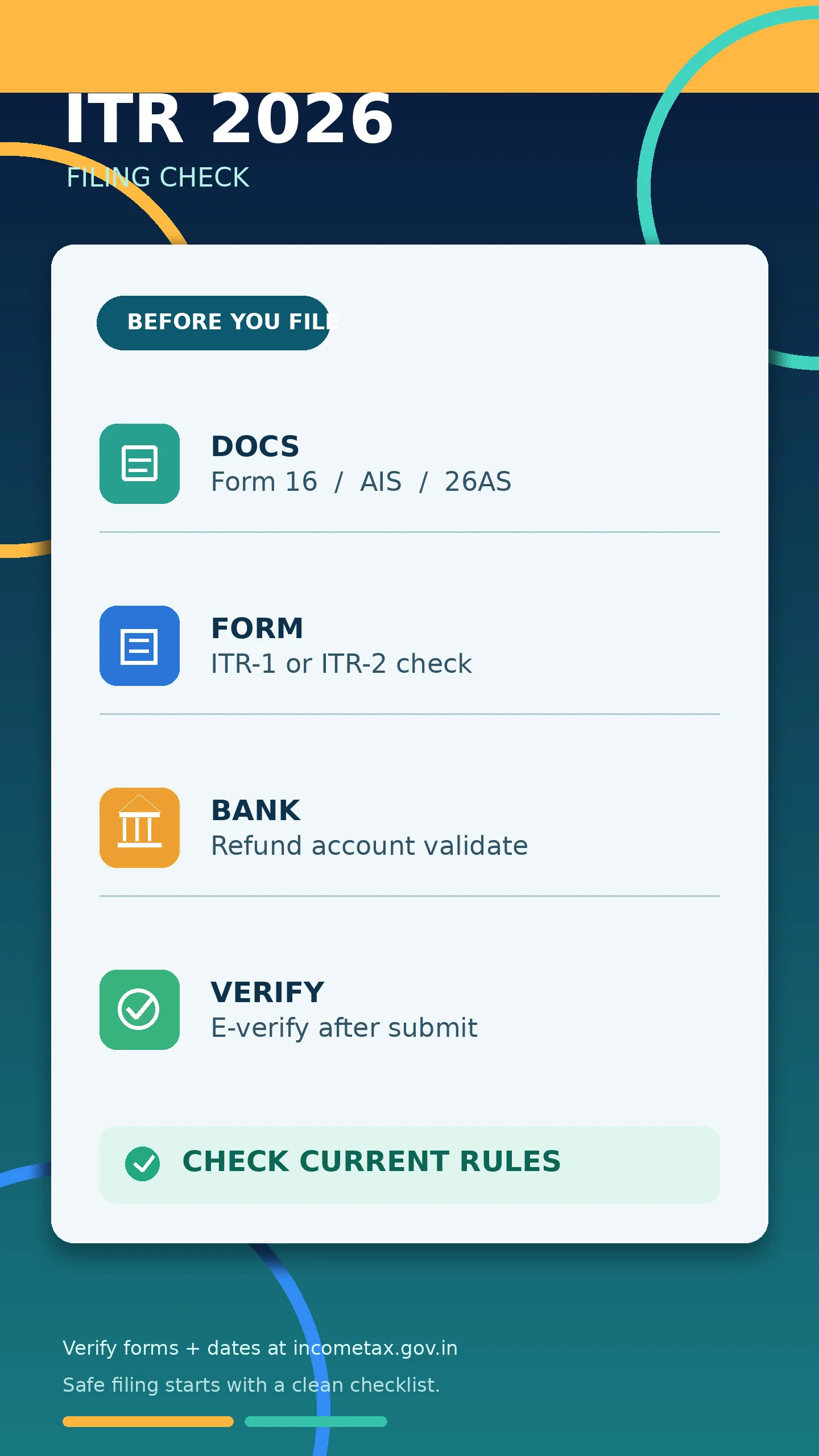
FD interest आम तौर पर आपकी “income from other sources” में जुड़ता है और applicable slab rate पर tax लगता है। Bank threshold cross होने पर TDS काट सकता है; TDS final tax नहीं, बल्कि credit/advance collection है। Form 26AS/AIS में entries check करें और return में सही interest report करें। Interest reinvest होने पर भी tax liability बन सकती है—maturity तक wait करने से tax हमेशा postpone नहीं होता। TDS threshold, senior-citizen relief, new tax regime और surcharge जैसे details financial year के current rules से verify करें। Tax-saving FD की lock-in और deduction eligibility अलग हो सकती है; इसे ordinary FD न समझें।
SIP और mutual-fund tax
SIP की हर instalment अलग purchase मानी जाती है, इसलिए holding period और cost अलग-अलग track होते हैं। Equity-oriented mutual funds में short-term और long-term capital gains की rates और exemption बदल सकती हैं; वर्तमान नियमों के अनुसार सामान्यतः 12 महीने के आसपास की holding classification relevant होती है, लेकिन exact treatment, threshold और rate को filing year के official rules से verify करें। Long-term gain exemption/threshold को permanent assumption न बनाएं।
Debt, hybrid, international और अन्य fund categories का tax treatment scheme classification, purchase date और law पर depend करता है। कुछ debt-heavy investments पर slab-rate treatment लागू हो सकता है। Exit load tax नहीं है; expense ratio return को reduce करता है। Dividend/IDCW को “extra free return” न मानें—distribution और taxation scheme rules के अनुसार होता है।
Tax saving के लिए गलत product न चुनें। पहले post-tax, post-inflation outcome और goal fit देखें; फिर CA/SEBI-registered investment adviser से personalised advice लें।
Inflation और real return
Nominal amount देखकर decision न लें। यदि FD से 6.5% pre-tax मिला और investor की effective tax rate 20% है, तो tax के बाद लगभग 5.2% बच सकता है—यह केवल उदाहरण/अनुमान है। यदि उसी अवधि में inflation 5.5% रही, तो real growth बहुत छोटी होगी। दूसरी ओर equity SIP long horizon में inflation को beat करने की संभावना देता है, लेकिन रास्ते में volatility, drawdown और negative years संभव हैं। Inflation assumption भी निश्चित नहीं। Education, healthcare और housing inflation headline CPI से तेज हो सकती है, इसलिए goal corpus में margin रखें।
किसे SIP चुनना चाहिए, किसे FD?
SIP की तरफ झुकाव तब समझ आता है जब income regular हो, emergency fund अलग रखा हो, goal कम-से-कम सात साल दूर हो और investor temporary fall देखकर बेचने वाला न हो। Broad diversified/index fund, reasonable cost और automatic contribution discipline मदद कर सकते हैं। हर SIP को equity न मानें; fund category को समझना जरूरी है।
FD की तरफ झुकाव तब हो सकता है जब goal की तारीख fixed हो, principal stability प्राथमिकता हो, horizon छोटा हो, या investor market volatility psychologically tolerate न कर पाए। FD ladder में अलग maturity dates, issuer diversification और adequate liquidity रखें। सारे पैसे को lock करने से emergency में महंगा borrowing न करना पड़े—इसका ध्यान रखें।
Hybrid answer अक्सर practical है: emergency fund और अगले कुछ साल के goal के लिए stable assets; long-term growth goal के लिए diversified market-linked allocation; goal के नजदीक धीरे-धीरे risk कम। Allocation उम्र के formula से नहीं, goal date और loss सहने की वास्तविक क्षमता से तय करें।
2026 decision checklist
1. Goal लिखें: amount, date और minimum acceptable certainty।
2. तीन से छह महीने का emergency reserve अलग रखें; high-interest debt पहले देखें।
3. Tax slab, existing investments और nominees की स्थिति समझें।
4. SIP में scheme type, portfolio, expense ratio, exit load और riskometer पढ़ें।
5. FD में issuer, effective rate, cumulative/non-cumulative option, premature terms और insurance coverage जाँचें।
6. Return को हमेशा उदाहरण/अनुमान मानें; guaranteed wording देखकर सावधान रहें।
7. Goal से 2–3 साल पहले equity risk घटाने की योजना रखें, अगर goal fixed है।
8. साल में कम-से-कम एक बार review करें; daily price checking से behaviour खराब हो सकता है।
9. Nominee और joint holding details update करें।
10. Complex tax या large corpus पर qualified tax professional/adviser की राय लें।
FACT box
> FACT | SIP बनाम FD 2026
> – SIP कोई guaranteed-return product नहीं; यह नियमित investment method है।
> – Equity mutual fund की NAV गिर सकती है और principal भी अस्थायी या स्थायी रूप से कम हो सकता है।
> – FD rate predictable हो सकता है, पर inflation, tax, issuer और liquidity risk रहते हैं।
> – FD interest और mutual-fund gains का tax treatment अलग है; हर instalment का holding period अलग हो सकता है।
> – ऊपर के सभी return figures उदाहरण/अनुमान हैं; इन्हें prediction या promise न समझें।
> – Deposit insurance, tax rates और thresholds के लिए current official rules देखें।
FAQ: 5 आम सवाल
1) क्या SIP हमेशा FD से ज्यादा return देता है?
नहीं। Long horizon में equity SIP ने कई periods में higher growth दी हो सकती है, लेकिन future guaranteed नहीं है। Short horizon या खराब market phase में SIP FD से कम भी दे सकता है। Comparison goal, tax, inflation और risk के साथ करें।
2) क्या FD में risk बिल्कुल नहीं होता?
नहीं। Price volatility कम होने के बावजूद issuer/credit, premature withdrawal, reinvestment, tax और inflation risk होते हैं। Eligible deposit-insurance rules और issuer concentration की जाँच करें।
3) ₹5,000 महीने से SIP शुरू करना ठीक है?
रकम से ज्यादा जरूरी है कि emergency reserve, high-cost debt और goal horizon clear हों। Small amount से discipline बन सकता है, पर fund category समझे बिना केवल past return देखकर शुरू न करें।
4) SIP और FD दोनों साथ रख सकते हैं?
हाँ, और कई households के लिए यह sensible buckets बनाता है। Near-term certainty के लिए FD और long-term growth के लिए suitable diversified SIP रखा जा सकता है। Allocation आपकी cash-flow और risk capacity पर निर्भर है।
5) SIP कब बंद या FD कब तोड़ना चाहिए?
सिर्फ market panic या headline पर नहीं। Goal बदलने, emergency, cash-flow stress या risk profile बदलने पर review करें। FD तोड़ने से पहले penalty और alternative liquidity cost देखें; SIP में goal पास आने पर full stop के बजाय planned de-risking बेहतर हो सकती है।
निष्कर्ष: “कौन बेहतर?” का practical जवाब
SIP बनाम FD में winner चुनने के बजाय job-to-be-done चुनिए। Fixed-date, short-term और capital-stability goal के लिए FD की predictability useful है। Long-term wealth creation और inflation-beating possibility के लिए diversified market-linked SIP की भूमिका हो सकती है, बशर्ते volatility सहने का समय और discipline हो। बहुत से investors के लिए जवाब “SIP और FD, अलग-अलग goals के लिए” होता है।
यह educational comparison है, personal investment recommendation नहीं। Advice लेने से पहले अपनी income, liabilities, tax status, insurance, emergency fund और goal dates किसी qualified SEBI-registered investment adviser/CA के साथ review करें। Product documents पढ़ें, current tax and deposit rules verify करें और guaranteed-return claims से सावधान रहें।
डिस्क्लेमर: ये शैक्षिक जानकारी है। रिटर्न उदाहरण/अनुमान हैं, गारंटी नहीं। टैक्स/उत्पाद नियम बदल सकते हैं—अपना सलाहकार/आधिकारिक स्रोत देखें।