 Vista
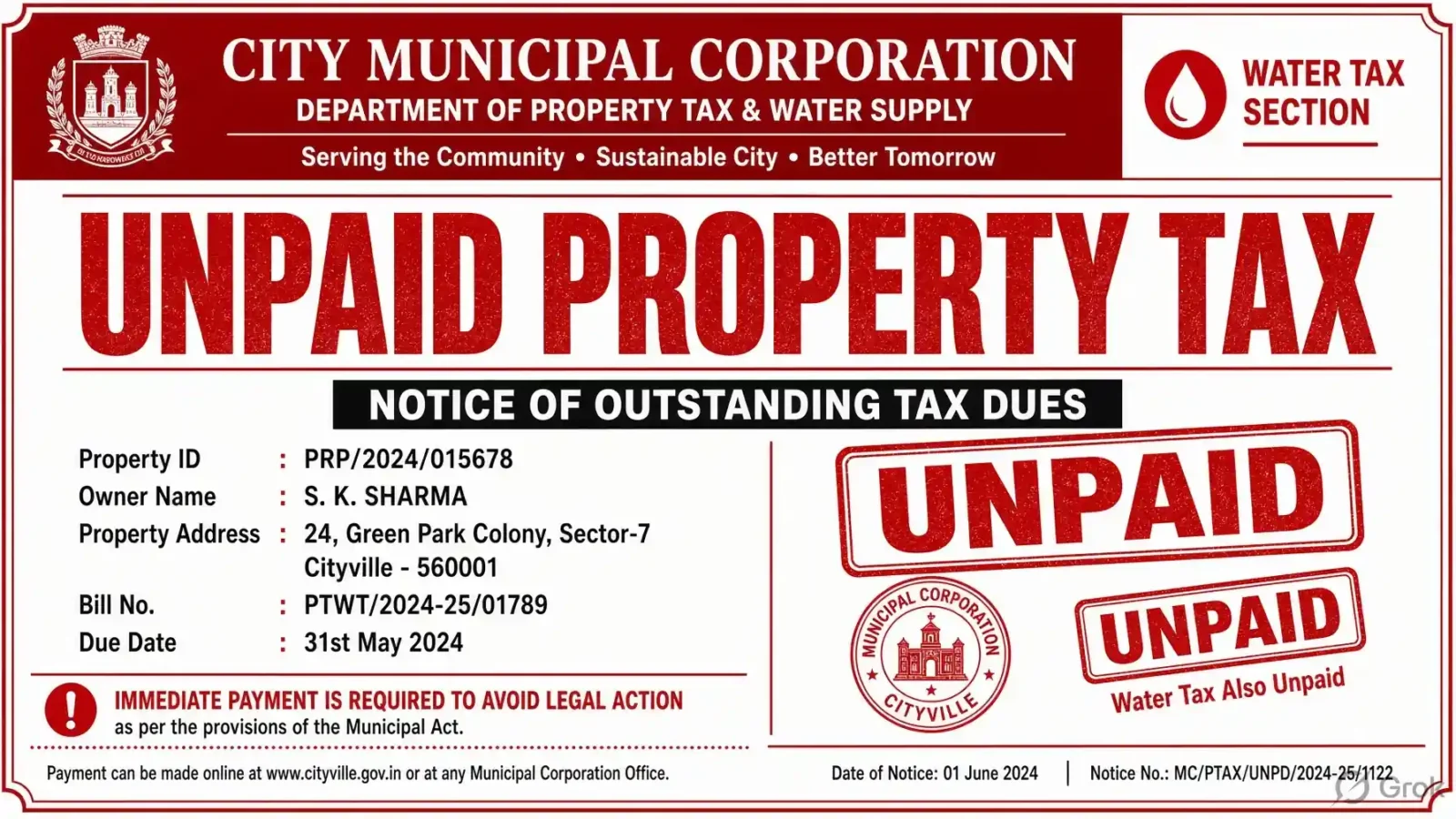
Property tax (house tax) and water tax are local taxes collected by your municipal corporation, municipality or panchayat. Delay usually leads to interest or penalty first, then notices, and for long-pending dues even attachment. Rates and procedure depend on your city and state.
What commonly happens when dues pile up
- Interest or penalty. Overdue amounts attract interest or a penalty as set by the local body. A news report from Shimla mentioned a 5 per cent penalty on pending bills, but this is not a national rate.
- Show-cause or demand notice. As arrears grow, the body sends notices. Under Bengaluru’s law, as described in one guide, the sequence is show-cause notice, demand notice and then an attachment order.
- Attachment. A Delhi advocate quoted in the Hindustan Times said that under the Delhi Municipal Corporation Act the authority can recover dues by attaching property, bank accounts, rent and movable property. Defaulter notices from NDMC and Mumbai’s BMC have been reported too.
- Water connection. A Chandigarh corporation official said those not paying despite the final notice could lose their water connection if residential, or face attachment if commercial. This is one city’s practice.
- Auction. After attachment some bodies can proceed to auction, which is a late and lengthy step.
Does the buyer inherit old dues?
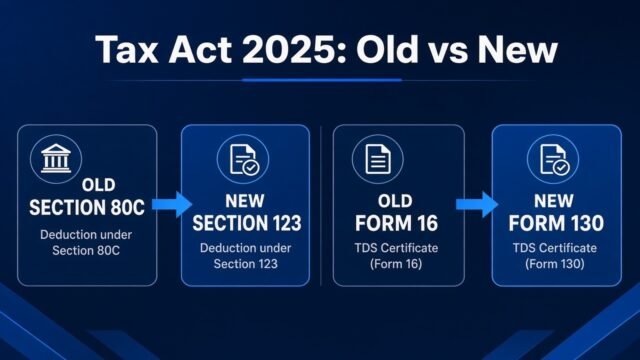
One report notes that Section 123 of the Delhi Municipal Corporation Act makes property tax the first charge on the property, binding successive owners. In practice a buyer may end up paying the previous owner’s arrears. Always check dues at the municipal office or portal before buying, and see our guide on land mutation and demarcation.
If you have dues, do this
- Get the full outstanding statement using your property ID, khata or assessment number from the local body’s portal or office.
- If the bill looks wrong (wrong area, wrong category, tax already paid), object in writing and attach old receipts.
- Ask whether an amnesty or penalty-waiver scheme is running. One source says authorities do not usually forgive dues, though special schemes can reduce penalties.
- Pay and keep the receipt, then confirm the online record is updated.
- If you receive a notice, respond before the date on it. See what to do when you receive a legal notice.
For disputes the body will not hear, use the where-to-complain directory.
Frequently asked questions
What if several years of tax are pending?
Several sources say penalty and interest can make the total much larger. Ask the local body for an exact statement and any available waiver.
Can I lose ownership by not paying?
Not automatically. But attachment followed by auction can ultimately lead to it, under state law and after a long process.
If my tenant pays, is that enough?
The liability sits with the owner on record. If a tenant pays, keep receipts in your name and agree the adjustment against rent in writing.
This is general information, not legal or tax advice. Rates, waivers and recovery steps vary by municipality and state. Confirm with your local body’s office or portal.
Also read: Stray Dog Menace in India: Where to Complain, ABC Rules and Supreme Court Directions | Neighbour Playing Loud Music at Night in India: Where to Complain and What the Law Says
Sources
- Hindustan Times (Delhi), 2020: recovery of unpaid property tax under the Delhi Municipal Corporation Act (PressReader)
- Assetly: Property Tax Arrears in India, What the Municipality Can Actually Do
- Business Standard: NDMC show-cause notices to 380 property tax defaulters
- Tribune India: Chandigarh corporation notices and warning on water connection and attachment
- Tribune India: 5 per cent penalty report from Shimla
- Lokmat Times: BMC attachment notices to major defaulters
- Housing.com: property tax relief and special schemes




















Share Your Opinion
Comments are closed on this post.