Why Do We Fear Darkness at Night? Understanding the Scientific Reasons
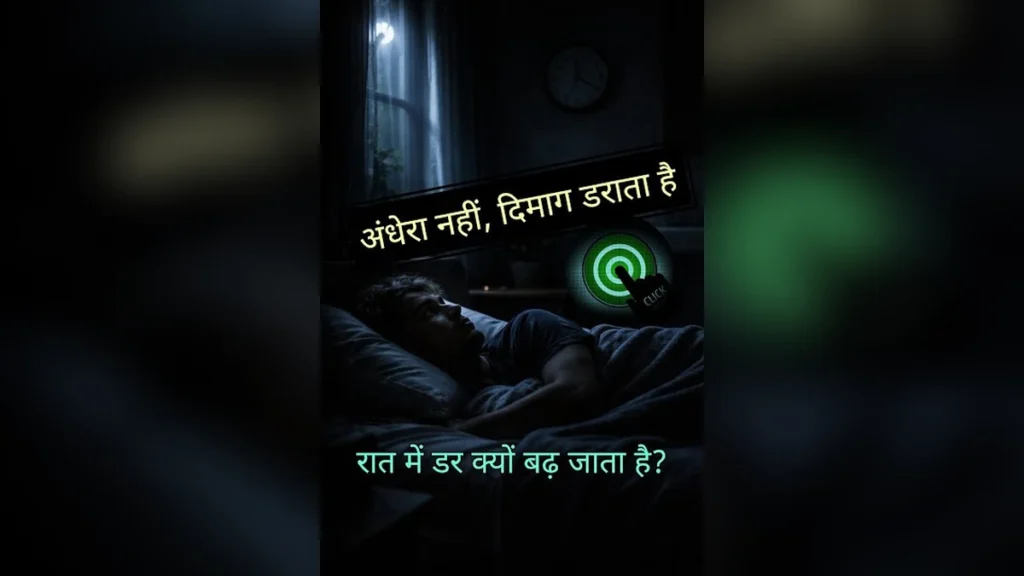
Many people search online asking, “Why do we fear darkness at night?” or “Is fear of darkness at night a disease?” The truth is, in most cases, it’s not an illness but a natural behaviour of our brain and senses. Things that seem normal during the day can appear frightening in the dark. The reason isn’t ghosts or supernatural entities, but rather the heightened activity of the human brain and senses at night.
The Scientific Reason for Fear of Darkness at Night

According to science, when night falls and darkness envelops everything, our eyes receive less visual information. In such situations, the brain starts to rely more heavily on other senses – like hearing, touch, and imagination. This is why:
- The ticking of a clock can suddenly seem very loud.
- A dripping tap can create a sense of unease.
- Even faint sounds from insects can grab your attention.
- A curtain moving in the wind might appear as a strange shape.
In reality, all these things happen during the day too. However, during daylight, our eyes and brain are busy processing the external world. When everything quiets down at night, the brain tends to focus more on minor stimuli.
Why Does Darkness Intensify Fear?
Darkness signals incomplete information to the brain. When the brain cannot clearly perceive something, it fills the void with its experiences and imagination. This is why people search for terms like “why does fear of darkness happen” or “fear of darkness at night.” While most people’s fear isn’t clinical Nyctophobia, it’s a common psychological reaction that can be amplified by stress, fatigue, and overthinking.
Why Do We Feel Fear When Waking Up at Night?
When a person suddenly wakes up from deep sleep, the brain isn’t fully active. This state is known as Sleep Inertia. During this time:
- The brain is in a state of confusion.
- Senses become highly active.
- Minor sounds can be perceived as threats.
This leads to questions like “why do I feel scared when I wake up at night?” or “night fear anxiety.” This reaction is a temporary disorientation as your brain transitions from sleep to wakefulness.
Why Do We Fear Sleeping Alone in the Dark?
When alone, the brain receives fewer signals of safety. This might not be noticeable during the day, but at night, combined with darkness and silence, this feeling can intensify. This is why people search for “why am I afraid to sleep alone?” or “raat me andhere se dar.” This fear often stems from a perceived lack of security and heightened alertness of the senses.
Is Fear of Darkness at Night a Disease?
No, in most instances, the fear of darkness at night is not a disease. It becomes a problem only when the fear becomes so intense that it interferes with daily activities or severely disrupts sleep. Mild fear, nervousness, or unease are all normal and part of the human brain’s protective system.
Managing Fear of Darkness
If your fear of darkness is mild and manageable, understanding its scientific basis can be reassuring. However, if it significantly impacts your life, consider these steps:
- Gradual Exposure: Slowly increase your tolerance by spending short periods in dimly lit rooms.
- Relaxation Techniques: Practice deep breathing, meditation, or mindfulness to calm your mind before sleep.
- Establish a Routine: A consistent bedtime routine can signal to your brain that it’s time to wind down.
- Comforting Environment: Use a night light if needed, ensure your bedroom feels safe and secure.
- Address Underlying Stress: If stress or anxiety is contributing, seek ways to manage it during the day.
If the fear is persistent and severe, it’s advisable to consult a healthcare professional or a therapist who can help identify the root cause and provide appropriate coping strategies.
Conclusion
The real reason for fear of darkness at night isn’t supernatural; it’s the heightened activity of our senses. When our vision is limited, our hearing and touch become more acute, and the brain may interpret minor stimuli as potential threats. If you’ve been searching for the “darkness fear reason,” understand that this fear is often your brain’s way of trying to keep you safe by being extra vigilant in low-visibility conditions.
Frequently Asked Questions (FAQs)
- What is the main scientific reason for fear of darkness at night?
The main scientific reason is that when vision is limited in the dark, the brain relies more on other senses like hearing and touch. It then tends to interpret ambiguous stimuli as potential threats to ensure safety. - Can fear of darkness be a sign of a mental health condition?
While mild fear is normal, severe and persistent fear of darkness, known as Nyctophobia, can be a specific phobia and may require professional help. It can also be linked to general anxiety disorders. - How does sleep inertia contribute to fear when waking up at night?
Sleep inertia is a state of grogginess and disorientation upon waking. During this phase, the brain is not fully alert, making it more susceptible to misinterpreting sensory input, leading to feelings of fear or anxiety. - What can I do if I’m afraid to sleep alone in the dark?
Try using a night light, practicing relaxation techniques before bed, establishing a calming bedtime routine, and gradually exposing yourself to darker environments. If the fear is intense, consider seeking professional guidance. - Is it normal for children to be afraid of the dark?
Yes, it is very common for children to develop a fear of the dark as their imagination grows. It’s usually a phase that they outgrow, but consistent reassurance and a comforting bedtime routine can help.