 Vista
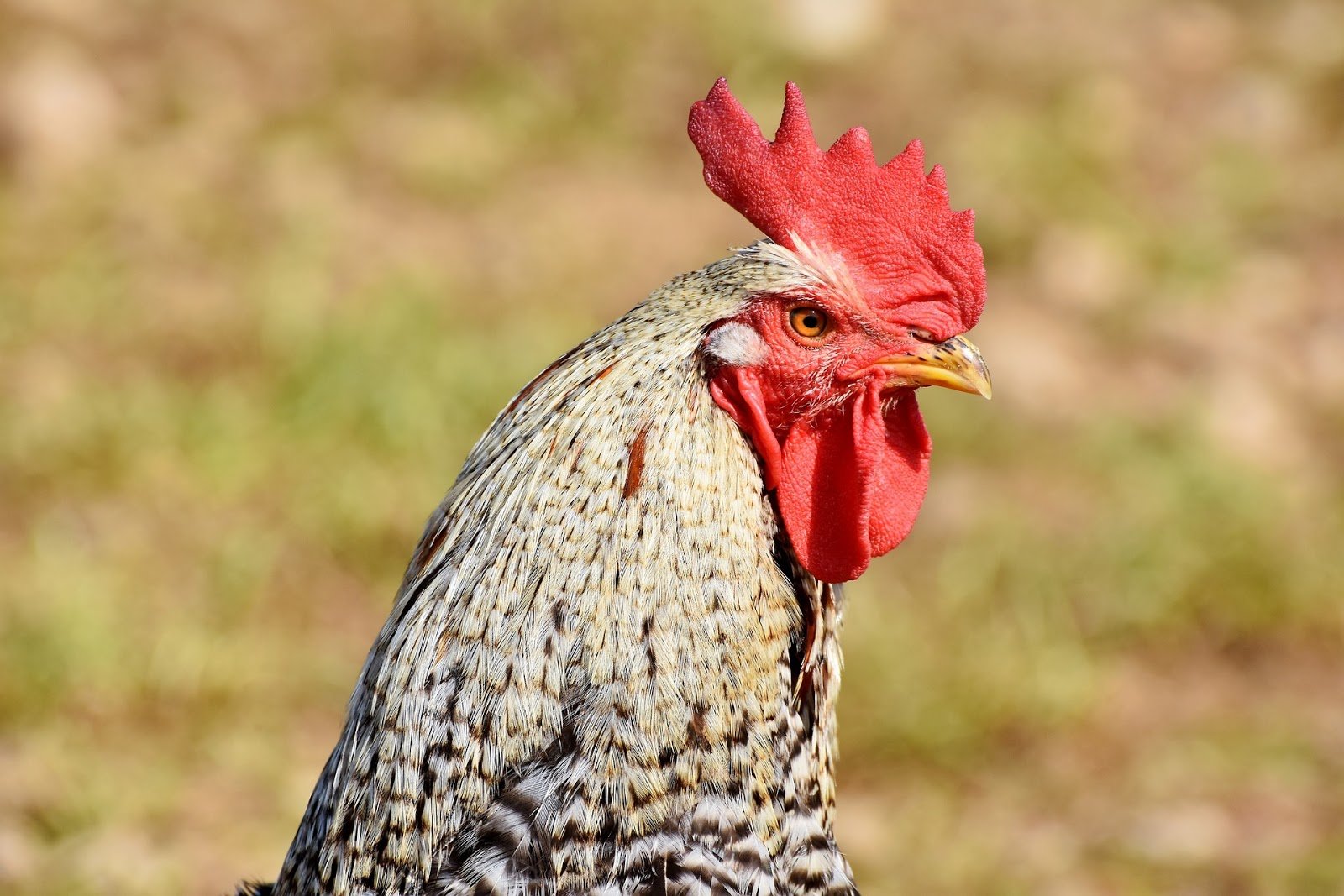
What are the benefits of eating chicken (murga)?
For those who enjoy non-vegetarian food, chicken, or ‘murga’ as it’s commonly known, is a delicious and nutritious option. Beyond its appealing taste, chicken offers several health benefits that make it a valuable part of a balanced diet. It is a good source of essential nutrients like protein, iron, and calcium, all vital for maintaining good health and bodily functions.
Protein Powerhouse for Muscle Growth
Chicken is particularly renowned for its high protein content. Protein is a fundamental building block for our bodies, essential for muscle repair and growth. This makes chicken an excellent food choice for individuals looking to build muscle mass or maintain a healthy physique. If you are underweight or aiming to improve your body composition, regular consumption of chicken can be beneficial.
Stronger Bones with Calcium
In addition to protein, chicken provides a good amount of calcium. Calcium is crucial for developing and maintaining strong bones and teeth. For individuals experiencing joint pain or bone-related issues, incorporating chicken into their diet may offer support. The calcium in chicken contributes to skeletal health, helping to prevent conditions associated with bone weakness.
Understanding Fat Content and Lean Choices
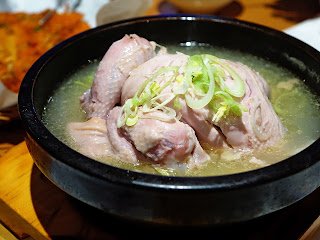
While chicken is nutritious, it’s important to be mindful of its fat content, especially certain parts. Chicken leg pieces can be higher in fat. For those concerned about weight management or looking to reduce fat intake, opting for chicken breast is advisable. Chicken breast is leaner, containing significantly less fat and a higher concentration of protein compared to other parts. Moderation is key; consuming 2-3 leg pieces per week is generally considered reasonable, as excessive intake could contribute to weight gain.
Digestive Considerations and Special Varieties
If you have a sensitive digestive system, it’s wise to consume chicken in moderation. Large portions might be difficult to digest for some. For those seeking a potentially healthier option, consider trying Kadaknath chicken. This indigenous breed is known for its good cholesterol profile, which may help in managing cholesterol-related concerns. Always consult with a healthcare provider or nutritionist for personalized dietary advice, especially if you have pre-existing health conditions.
FAQs about Eating Chicken
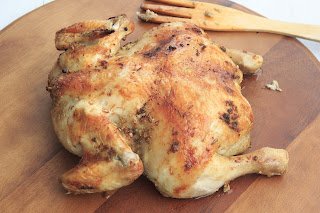
Is chicken good for weight loss?
Chicken breast, being low in fat and high in protein, can be beneficial for weight loss as protein helps in satiety, making you feel fuller for longer. However, fatty cuts and large portions, especially of fried chicken, can hinder weight loss efforts.
How much chicken should I eat per week?
General dietary guidelines suggest consuming moderate amounts of lean protein. For chicken, focusing on lean cuts like breast and limiting intake to a few servings per week (e.g., 2-3 leg pieces or equivalent breast portions) is often recommended. Individual needs may vary based on activity level and overall diet.
Can eating chicken cause high cholesterol?
While chicken itself contains cholesterol, the primary concern for blood cholesterol levels is often the saturated and trans fats consumed. Lean chicken breast has lower fat content. However, excessive consumption of fatty cuts or chicken prepared with unhealthy fats can contribute to elevated cholesterol levels. Kadaknath chicken is sometimes cited as having a better cholesterol profile.
What is the healthiest way to cook chicken?
The healthiest cooking methods for chicken involve minimal added fat. Grilling, baking, roasting, poaching, and stir-frying (with minimal oil) are excellent choices. Avoid deep-frying, as it significantly increases the fat and calorie content.
Are there any risks associated with eating chicken?
The main risks are related to foodborne illnesses if chicken is not handled or cooked properly. Always ensure chicken is cooked thoroughly to an internal temperature of 75°C (165°F) to kill harmful bacteria like Salmonella. Also, be mindful of portion sizes and preparation methods to manage fat and calorie intake.
In conclusion, chicken (murga) is a nutritious food that offers valuable protein, iron, and calcium. By choosing lean cuts, practicing moderation, and opting for healthy cooking methods, you can effectively incorporate chicken into your diet to support muscle health, bone strength, and overall well-being.



























Share Your Opinion
Comments are closed on this post.