Understanding and Managing Mental Stress
In today’s fast-paced world, stress has become a common companion for many. Work pressures, relationship dynamics, financial worries, and future uncertainties can all take a toll on our mental well-being. Symptoms like nervousness, anxiety, rapid heartbeat, sleeplessness, and constant restlessness are clear indicators of stress. If you’re experiencing these, know that you’re not alone, and there are accessible, effective home remedies to help you find mental peace and happiness.
1. Incorporate Meditation into Your Routine
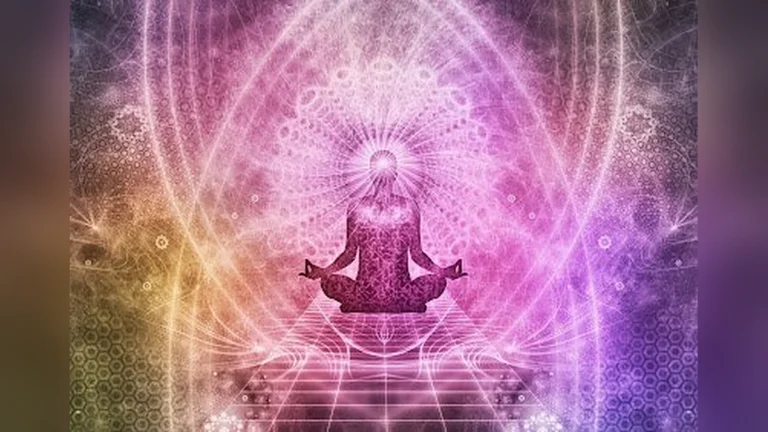
Meditation is an ancient practice for calming the mind and achieving inner peace. Regular meditation can lower stress hormones and promote positive brain changes, enhancing concentration and teaching you to live in the present moment. Start with 5-10 minutes daily in a quiet space. Close your eyes, focus on your breath, and let thoughts pass without judgment. Guided meditations can also be helpful. You should notice increased clarity and calmness within a few weeks.
2. Practice Deep, Slow Breathing
When stressed, our breathing often becomes shallow and rapid. Deep, slow breaths signal your body to relax. This activates the parasympathetic nervous system, which calms the stress response. Whenever you feel stressed, pause for a few minutes. Inhale slowly and deeply through your nose, allowing your belly to expand. Hold for a few seconds, then exhale slowly through your mouth or nose. Repeat 5-10 times. Techniques like ‘4-7-8 breathing’ (inhale for 4, hold for 7, exhale for 8) are also very effective.
3. Embrace Mindfulness
Mindfulness means being fully aware of the present moment, accepting your thoughts, feelings, and sensations without judgment. This helps detach from past worries and future anxieties. Practice mindfulness in daily activities. When eating, focus on the taste, smell, and texture. When walking, notice the sensation of your feet on the ground and the sounds around you. This practice fosters a deeper connection between your body and mind, reducing stress and increasing self-awareness.
4. Seek Out Joyful Moments
Joy is a powerful antidote to stress. Actively seeking happiness can significantly improve your mood. Engage in activities that bring you joy and a smile. Watch your favorite movies, go to the cinema with friends, watch comedy shows, or read humorous books. Spend time with people who make you laugh and bring positive energy. Try to find joy in small things, like watching a sunrise, playing with children, or spending time with a pet. Practicing gratitude can also enhance feelings of happiness.
5. Listen to Soothing Music
Music has a remarkable ability to calm the mind and regulate emotions. Listening to slow, melodious music can reduce cortisol levels and release ‘feel-good’ endorphins. Create a playlist of calm, relaxing music. Classical music, instrumental pieces, nature sounds (like rain or ocean waves), or soothing bhajans/mantras can provide peace. Whenever you feel stressed or restless, put on your headphones and immerse yourself in music for a while. It’s a quick and effective stress reliever.
6. Use Inspiring Mobile Wallpapers
We look at our phones multiple times a day. Your mobile wallpaper can subtly influence your mood and mental state. An inspiring or calming wallpaper serves as a constant reminder of positivity. Set a wallpaper featuring a natural scene (mountains, sea, forest), an inspirational quote, a picture of your deity, or anything that brings you joy and peace. Choose wallpapers with calm, soothing colors. This small change can provide positive energy throughout the day and inspire calmness during stressful moments.
7. Spend Time with Loved Ones
Social connections and the support of loved ones are crucial for managing stress. Loneliness can amplify stress, while spending time with family and friends provides a sense of security and belonging. Regularly connect with your family members and friends. Share meals, go out, play games, or simply talk. If you live far apart, stay in touch via phone calls, video calls, or online games. Sharing your feelings and concerns can lighten your mental load and help you find solutions.
8. Integrate Yoga and Exercise
Physical activity is a potent stress reducer. Exercise releases endorphins, natural mood lifters. Yoga, in particular, combines physical postures (asanas), breathing exercises (pranayama), and meditation, benefiting both body and mind. Aim for at least 30 minutes of physical activity daily, such as brisk walking, running, cycling, swimming, or gym workouts. Yoga poses and pranayama techniques like Anulom Vilom and Bhramari are very effective for stress reduction and mental calm. Regular exercise improves physical health and enhances mental clarity and resilience.
9. Ensure Adequate, Quality Sleep
Sleep deprivation is a major stress contributor. Insufficient sleep impairs bodily and mental functions, leading to irritability and stress. Quality sleep is essential for physical and mental recovery. Aim for 7-9 hours of quality sleep each night. Maintain a consistent sleep-wake schedule, even on weekends. Keep your bedroom quiet, dark, and cool. Avoid caffeine and alcohol before bed. Turn off electronic devices at least an hour before sleep, as their blue light can disrupt sleep patterns.
10. Adopt a Balanced, Nutritious Diet
What you eat directly impacts your mood and mental health. A balanced, nutritious diet provides the energy and nutrients your body and brain need to function optimally, thereby reducing stress levels. Include fresh fruits, vegetables, whole grains, lean proteins, and healthy fats in your diet. Limit processed foods, excessive sugar, caffeine, and alcohol, as they can destabilize your mood and increase anxiety. Staying hydrated is also crucial, as dehydration can worsen stress symptoms.
11. Connect with Nature
Spending time in nature is a powerful way to reduce stress and calm the mind. Exposure to greenery, fresh air, sunlight, and natural landscapes has a positive impact on mental health, often referred to as ‘green therapy’. Take short walks in a park daily, work in your garden, or sit by a lake or river. Sunlight is a natural source of Vitamin D, which helps improve mood. The serene sounds and sights of nature help you stay present and momentarily escape your worries.
12. Pursue Your Hobbies
Engaging in hobbies and activities you enjoy is a great way to de-stress and bring joy into your life. When you’re absorbed in something you love, your mind shifts focus from worries to the activity itself. Whether it’s reading, writing, painting, learning music, gardening, cooking, or acquiring a new skill, embrace any hobby that excites you. Dedicate some time each day or week to your hobbies. This fosters creativity and brings new energy and purpose to your life.
13. Express Your Emotions Healthily
Suppressing emotions can increase stress. Expressing them in a healthy way is vital for mental well-being, helping you understand and cope with problems. Talk to trusted friends, family members, or a counselor. Journaling is also an effective way to express your feelings. If you feel anger or frustration, channel it constructively through exercise, art, or even shouting in a safe space. Acknowledging and expressing your emotions makes you emotionally stronger.
Conclusion
Mental stress is a reality of modern life, but overcoming it is entirely possible. The 13 remedies discussed are simple, effective, and easily integrated into your daily routine. Remember, stress management is an ongoing process. Don’t try to implement all remedies at once; gradually adopt the methods that feel most comfortable and effective for you. Be patient, be kind to yourself, and prioritize your mental peace. By adopting these practices, you can undoubtedly lead a calmer, happier, and more stress-free life.