Understanding Breakup Pain: It’s Real
It’s crucial to acknowledge that the pain of a breakup is a genuine, multifaceted experience. It’s not a sign of weakness. Scientifically, the brain regions activated during emotional distress from a breakup often overlap with those involved in physical pain. The drop in dopamine, a feel-good hormone associated with the relationship, can lead to feelings of emptiness and unease, similar to withdrawal symptoms in addiction. As social beings, the loss of a deep connection impacts not just emotions but also our sense of identity, future plans, and security. Accepting this pain is the first step towards healing.
Alcohol: A Temporary Numbness or a New Problem?
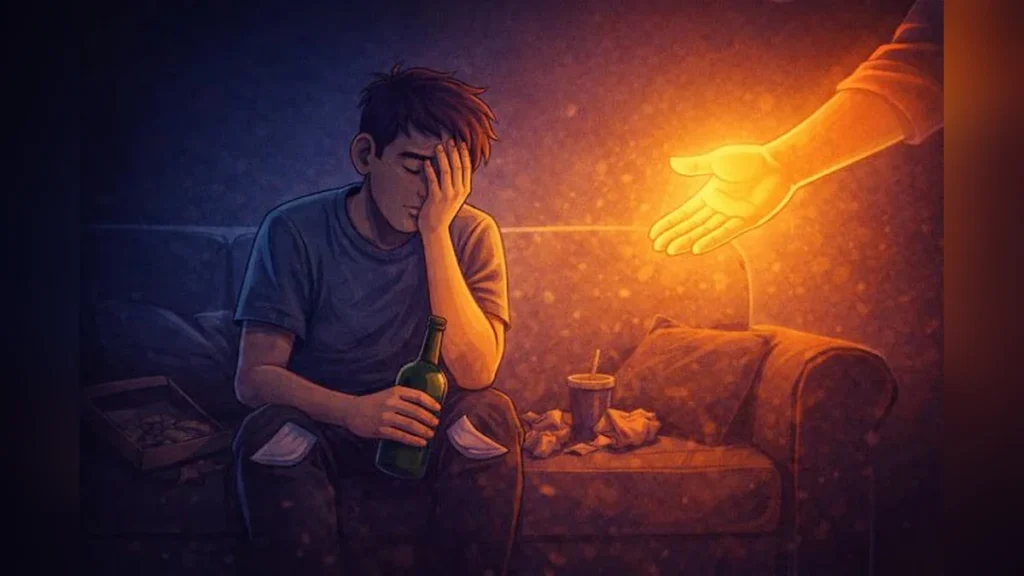
When emotional pain becomes overwhelming, alcohol can seem like an easy escape. It offers a temporary numbing effect, pushing reality away for a short while. However, this relief is illusory. As the effects of alcohol wear off, the pain often returns with greater intensity, compounded by guilt and the physical discomfort of a hangover.
What Happens When You Drink After a Breakup?
- Temporary Numbness: Alcohol depresses the central nervous system, temporarily dulling feelings of pain, anxiety, and sadness.
- Escapism: It provides a brief respite from problems, creating an illusion of freedom from pain.
- The Rebound Effect: Once the alcohol wears off, the emotional pain often resurfaces, sometimes stronger than before, along with guilt and hangover symptoms.
The Serious Downsides of Drinking Post-Breakup
Instead of resolving pain, alcohol can create a host of new and more significant issues:
1. Worsening Mental Health
- Increased Depression and Anxiety: Alcohol is a depressant and can exacerbate symptoms of depression and anxiety in the long run.
- Mood Swings: It destabilizes mood, leading to irritability, anger, or sadness.
- Negative Thoughts: In a vulnerable state, alcohol can amplify negative thoughts, potentially including suicidal ideation.
2. Impaired Decision-Making
- Poor Choices: Under the influence, you might make regrettable decisions, such as contacting your ex, posting impulsively on social media, or engaging in other harmful behaviors.
- Strained Relationships: Intoxication can lead to negative interactions with friends and family, damaging your crucial support system.
3. Hindering the Healing Process
- Emotional Blockage: Alcohol prevents you from processing your emotions effectively. Suppressing pain doesn’t eliminate it; it often deepens it. True healing requires feeling and working through emotions.
- Risk of Dependence: Emotional vulnerability significantly increases the risk of developing a dependence on alcohol.
4. Negative Impact on Physical Health
- Sleep Disruption: While alcohol might induce sleep, it severely degrades its quality, leaving you feeling tired and unwell.
- Weakened Immunity: Excessive alcohol consumption compromises your immune system, making you more susceptible to illness.
- Organ Damage: Chronic alcohol use can lead to serious digestive and liver problems.
Healthy Ways to Cope with Breakup Pain
You can navigate breakup pain effectively without resorting to alcohol. These methods might be challenging but lead to genuine, lasting recovery:
1. Acknowledge and Express Your Feelings
- Allow Yourself to Grieve: Crying is a natural way to release emotions, not a sign of weakness.
- Journaling: Writing down your thoughts and feelings can help you understand and process them.
- Talk to Someone Trusted: Sharing with a friend, family member, or counselor can provide relief and reduce feelings of isolation.
2. Prioritize Self-Care
- Physical Activity: Exercise, yoga, or walking releases endorphins, natural mood boosters.
- Healthy Diet: Nourish your body with nutritious food and avoid excessive junk food.
- Sufficient Sleep: Quality sleep is vital for both mental and physical well-being.
3. Engage in New Interests and Activities
- New Hobbies: Learn a new skill like playing an instrument, painting, or a new language.
- Socialize: Spend time with friends and family. Meet new people, but avoid rushing into new romantic relationships.
- Travel: Exploring new places can calm the mind and offer a fresh perspective.
4. Set Boundaries (No Contact Rule)
- No Contact: Temporarily cutting off contact with your ex is often essential for healing and moving forward.
- Social Media Distance: Unfollow or mute your ex on social media to avoid being triggered by their activities.
5. When to Seek Professional Help
If the pain is so intense that it interferes with your daily life, if you experience persistent sadness, or if you have suicidal thoughts, seek help from a professional counselor or therapist immediately. This is a sign of strength and a wise step towards recovery.
Conclusion: You Will Get Through This, Stronger
Breakup pain is a difficult phase, but it is not permanent. Alcohol offers a deceptive and destructive path that will not lead you out of this pain but rather pull you deeper into a mire. Believe in yourself, embrace your emotions, and navigate this period using healthy coping mechanisms. Remember, you will emerge from this pain, a stronger, wiser, and better person.