Your legs become restless when you lie down, then movement brings relief
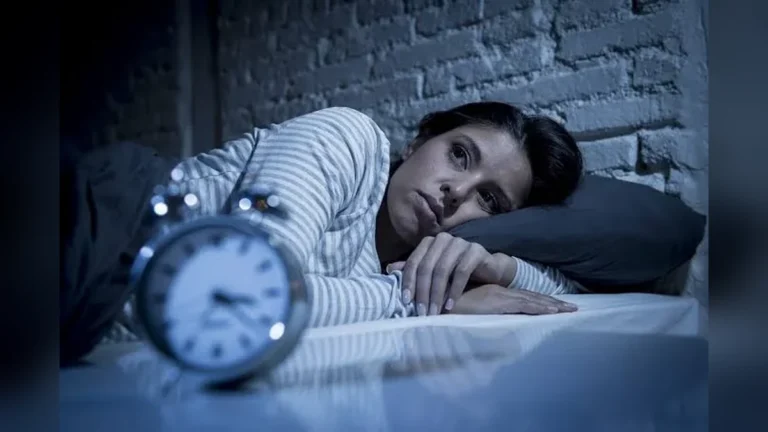
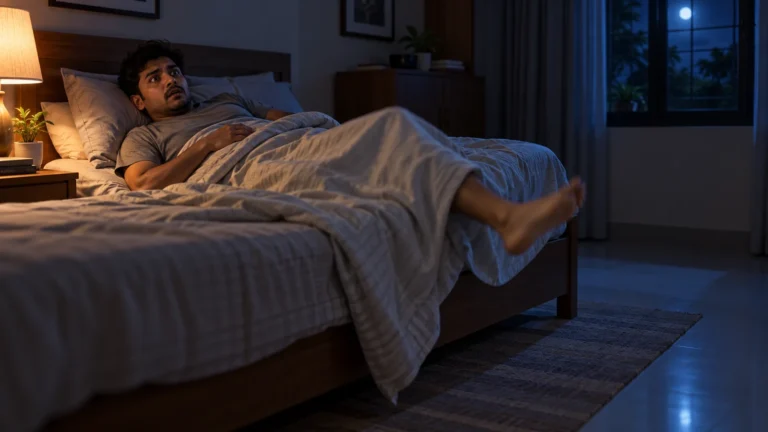
After a long day, you lie down hoping to sleep. Instead, your legs feel unsettled, with a crawling or pulling sensation and an urge to move. Walking briefly helps, but the discomfort returns when you rest. This illustrative scene shows how a nighttime symptom can wear down both sleep and confidence before its cause is understood.
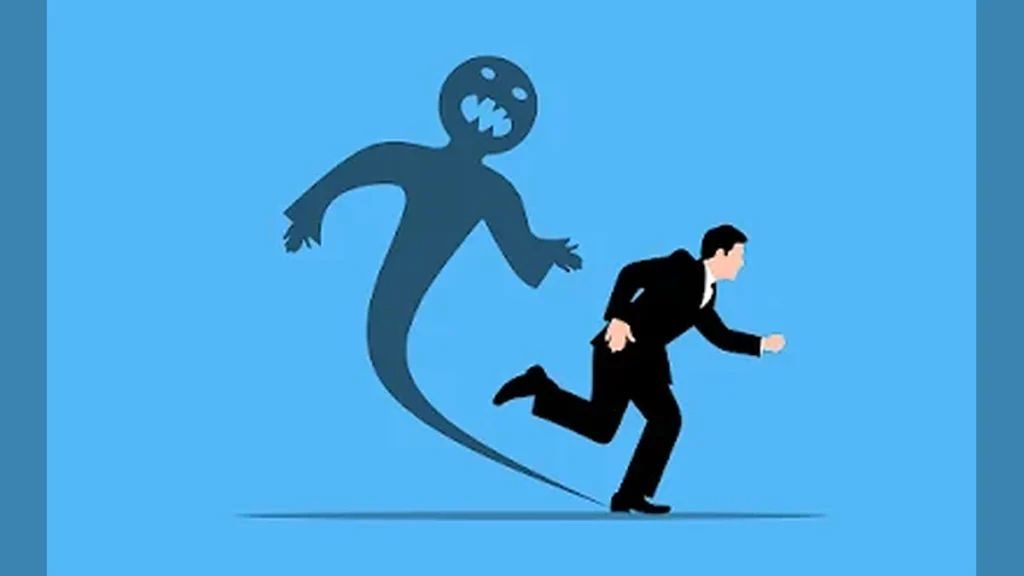
Restless legs at night does not establish a supernatural presence, and it is not necessarily a habit someone can simply decide to stop. An urge to move the legs is an important feature of restless legs syndrome, or RLS. However, every leg pain or crawling sensation should not be given that diagnosis.
This guide helps you describe a pattern rather than identify a condition on your own. Notice what happens at rest, how movement affects it and whether evening symptoms differ from daytime symptoms. Reading the name of a disorder is not a reason to start iron or sleeping medicine without appropriate assessment.
The pattern matters more than a single uncomfortable sensation
RLS can involve an urge to move the legs with unpleasant sensations. Worsening at rest or during inactivity, temporary improvement with movement and greater evening or nighttime difficulty are important features. NINDS describes this pattern. One isolated sensation is not enough to identify the condition or exclude other possibilities.
For example, sitting through a film or lying down may feel difficult while walking provides some relief. This is an observation for a clinical conversation, not a home pass-or-fail test. Patterns can vary, and other causes must be considered. A clinician needs a history, rather than a single answer to a checklist.
Note whether discomfort returns when movement stops. That does not mean walking all night is the treatment. Repeated sleep disruption can affect work, mood and family routines. Describe the frequency and impact clearly. Asking for help is reasonable even when a symptom sounds minor to someone who has not experienced it.
Keep cramps, sleep starts and tingling separate
A painful muscle that stays tight can represent a cramp-like complaint. A brief movement as sleep begins can resemble a hypnic jerk. In RLS, the urge to move while resting is important. These descriptions should not be combined under one vague label of nighttime twitching or treated as the same problem.
Tingling, numbness or burning can also occur with nerve-related complaints. Symptoms that remain through the day or are not affected by movement provide different context. These comparisons help you describe the experience, rather than select a diagnosis yourself. More than one problem can be present, so a familiar label must not end assessment prematurely.
Observed leg movements during sleep are not sufficient to establish RLS. Periodic limb movements and a person’s waking urge to move are different concepts. A partner can report what they saw, but the person’s own sensations and history also matter. A video alone cannot reliably identify the condition or choose a treatment.
FACT: mentioning iron and dopamine does not establish your cause
Iron-related and dopamine-related processes are discussed in RLS biology. This does not mean every person has low blood iron or a proven imbalance of one chemical. A universal supplement recommendation would be inappropriate. A symptom cannot establish brain iron status or identify a particular biological mechanism in an individual.
The recent AASM guideline places iron assessment and treatment decisions within clinical context. It also highlights augmentation, or treatment-related worsening, with some older dopamine-related medicines. Choosing medication online, increasing a dose or abruptly stopping current treatment is not an appropriate response. Discuss the symptoms and any treatment change with the prescriber.
Source: NINDS: Restless legs syndrome
Information that can help guide a medical appointment
Record the onset, differences between evening and daytime, what happens when sitting or lying down and how long movement helps. Mention relevant family history, pregnancy, kidney-related illness or a known previous iron deficiency. These details can guide questions without independently proving a diagnosis or making one treatment inevitable.
Bring a list of prescribed and nonprescription medicines, including recent changes. Some medicines can influence symptoms, but do not stop them independently. A clinician can select iron-related investigations and assess other possibilities where appropriate. A scan or overnight sleep study is not automatically required for every person who describes restless legs.
A normal blood count does not necessarily answer every question about iron status. Do not compare a laboratory result with an internet cutoff and start treatment yourself. Iron tablets, injections and other RLS medicines involve different decisions. Suitability, risks and follow-up depend on the individual rather than a general article or another person’s prescription.
Practical sleep support and a short symptom diary
A regular sleep schedule, suitable daytime activity and attention to evening caffeine are practical starting points. Note when you consume tea, coffee or energy drinks. There is no guarantee that a routine will cure the symptoms. If sleep remains significantly affected, seek assessment rather than spending months on repeated lifestyle experiments alone.
When there is no new swelling, injury or urgent warning sign, gentle walking or stretching may provide temporary relief for some people. Do not force stretches through pain or use strenuous activity as a test. Dangerous heat, sleeping on a hot object or forceful massage is not necessary for ordinary comfort.
Record bedtime, symptom timing, a simple description of severity, the effect of movement and next-day tiredness. Explain to family that movement is not always deliberate disruption. A short record can help without constant monitoring. Public recordings and frightening experiments are not treatments and can make an already distressing complaint harder to discuss.
Advice: when to seek assessment and when a leg complaint is urgent
Discuss recurring symptoms with a clinician if they prevent sleep, affect work or mood or do not improve with ordinary supportive measures. A new unclear pattern can also justify assessment. Referral or different treatment may be appropriate depending on the findings. One particular medicine or dose cannot be guaranteed for everyone.
New pain, swelling, redness or warmth in one leg should not be tested by walking or massage on the assumption that it is RLS. Obtain prompt medical advice; another cause such as a clot may need assessment. Associated breathlessness or chest pain needs emergency assistance. In India, use 112 for emergency support.
If symptoms become earlier in the day or more troublesome during treatment, tell the prescriber. Seek a review rather than changing the dose independently. The useful approach is a clear description and safe help. Finding a medical name can guide a conversation, but it does not provide an individual treatment plan.
Frequently asked questions
Does nighttime restlessness prove a supernatural cause?
No. Describe the urge at rest, movement-related relief and timing. Seek assessment when appropriate rather than selecting a supernatural explanation.
Are RLS and a sleep-onset jerk the same?
No. RLS involves an urge to move at rest; a sleep start is a brief movement. The pattern matters, and a home description does not establish a diagnosis.
Should I start iron tablets myself?
No. Iron assessment and treatment depend on clinical context. Do not choose tablets or injections solely from symptoms or an internet laboratory cutoff.
Is walking a permanent cure?
Movement may provide temporary relief in some people. It is not a guaranteed cure. Persistent sleep disruption deserves assessment.
When is a leg symptom urgent?
New one-sided pain or swelling warrants prompt advice. Breathlessness or chest pain alongside it requires emergency help; do not dismiss the symptoms as RLS.
Related reading
Racing Heart at Night and Fear of Dying: Panic or Another Cause?
Sources and review
Information reviewed: 18 October 2026. The opening scene is illustrative, not a reported case.
AASM: Updated guideline for RLS and PLMD
AASM clinical practice guideline, 2025
MHA: Emergency response support system — 112
This is general information, not an individual diagnosis or treatment. Seek professional help for severe or persistent symptoms.