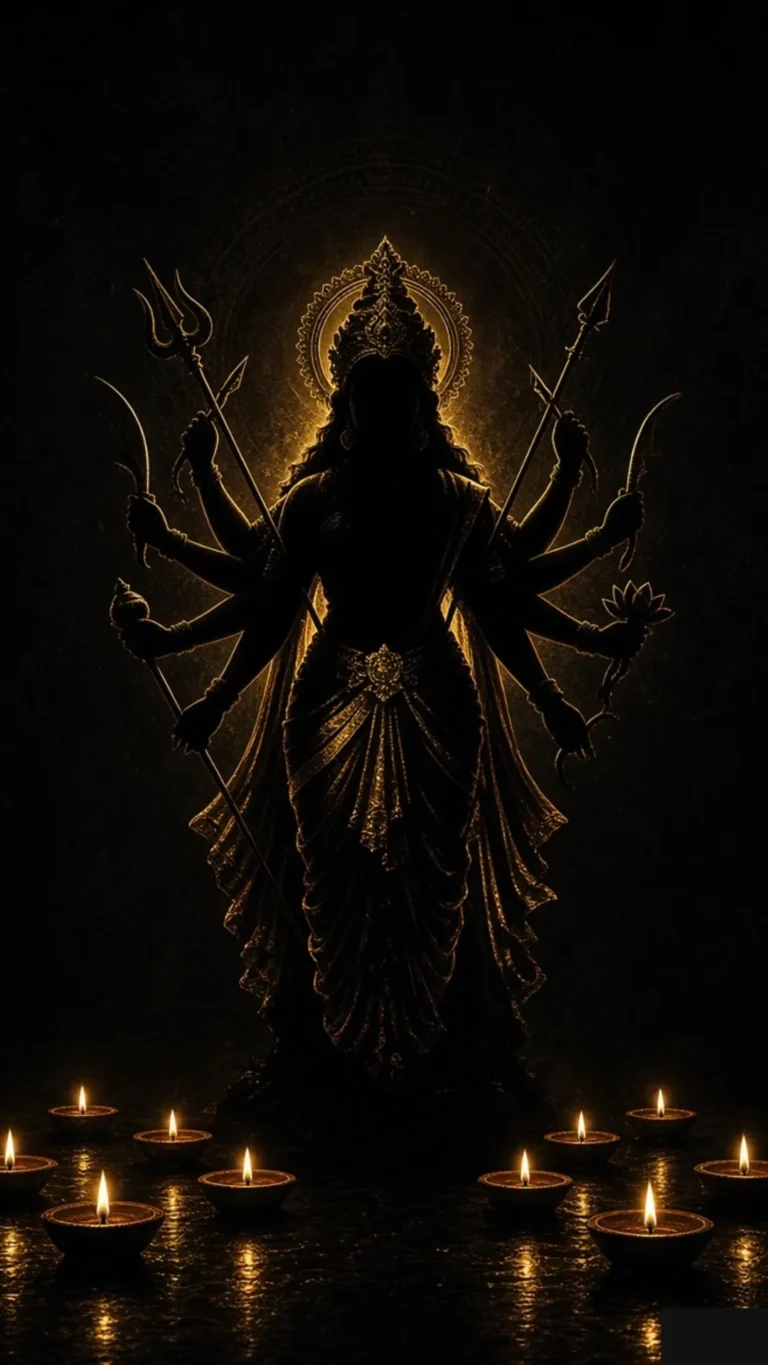
Lord Shiva, affectionately known as Mahadeva, Nataraja, and Bholenath, is the ultimate reality and cosmic consciousness in Sanatana Dharma. As the Supreme Being who encompasses creation, preservation, and dissolution, worshiping Mahadeva brings immense peace, liberation, and spiritual transformation. Among the various hymns and prayers dedicated to Shiva, the om jai shiv omkara aarti stands out as one of the most sublime, soulful, and universally chanted devotional songs across Indian homes and temples.
Singing the om jai shiv omkara aarti with pure devotion, especially during evening prayers or on sacred occasions like Somvar (Mondays), Pradosham, and Mahashivratri, fills the heart with divine vibrations. It honors Lord Shiva not only as the destroyer of ignorance and evil but also as the supreme lord who encompasses the divine trinity of Brahma, Vishnu, and Mahesh. In this detailed devotional guide, we present the sacred text, explain the spiritual procedure for performing the Aarti, explore its deep meanings, and highlight the benefits of invoking Lord Shiva’s blessings.
The Spiritual Significance of Om Jai Shiv Omkara Aarti
The term ‘Aarti’ is derived from the Sanskrit word ‘Aaratrika’, which signifies the removal of darkness or distress. When a devotee lights a flame and waves it in front of the deity while singing praises, it symbolizes lighting the inner lamp of spiritual wisdom to banish the dark shadows of ego, ignorance, and worldly attachments.
The om jai shiv omkara aarti begins with the sacred monosyllable ‘Om’, which is the primordial vibration of the universe. The lyrics lovingly articulate the divine form of Mahadeva, describing His ornaments, His divine consorts, His cosmic weapons, and His unified existence with Brahma and Vishnu. By reciting this Aarti, devotees acknowledge that the diverse manifestations of the cosmos spring from one supreme eternal truth.
When and How to Recite Om Jai Shiv Omkara Aarti
While Mahadeva is easily pleased (Ashutosh) by genuine love and simple water, performing the Aarti with mindfulness and traditional worship customs enhances the spiritual atmosphere of your home altar.
Ideal Timing for Recitation
- Sandhya Kala (Evening Twilight): Reciting the Aarti during dusk creates a tranquil environment after a long day of worldly activities.
- Mondays (Somvar): Monday is dedicated to Lord Shiva, making it an auspicious day for special pujas and Aarti.
- Pradosh Vrat & Mahashivratri: During these highly sacred periods, chanting the Aarti amplifies divine grace and spiritual merit.
Step-by-Step Worship Ritual
- Purification: Take a bath and wear clean clothes. Prepare a quiet worship space facing East or North.
- Lighting the Lamp: Light a ghee lamp (Diya) or burn pure camphor (Kapoor) on an Aarti plate. Camphor represents the burning away of ego without leaving any residual residue.
- Offerings: Offer fresh water, Panchamrit (a mixture of milk, curd, honey, sugar, and ghee), fresh Bilva leaves (Belpatra), white flowers, and sacred ash (Bhasma) to the Shiva Lingam or image.
- Waving the Aarti: Hold the Aarti plate in your right hand and move it gently in a clockwise circular motion before the deity, starting from the feet up to the crown, while singing the om jai shiv omkara aarti with emotional surrender.
- Taking the Blessings: After concluding the Aarti, cup your hands over the divine flame and lightly touch your eyes and forehead to accept the light of truth and divine energy.
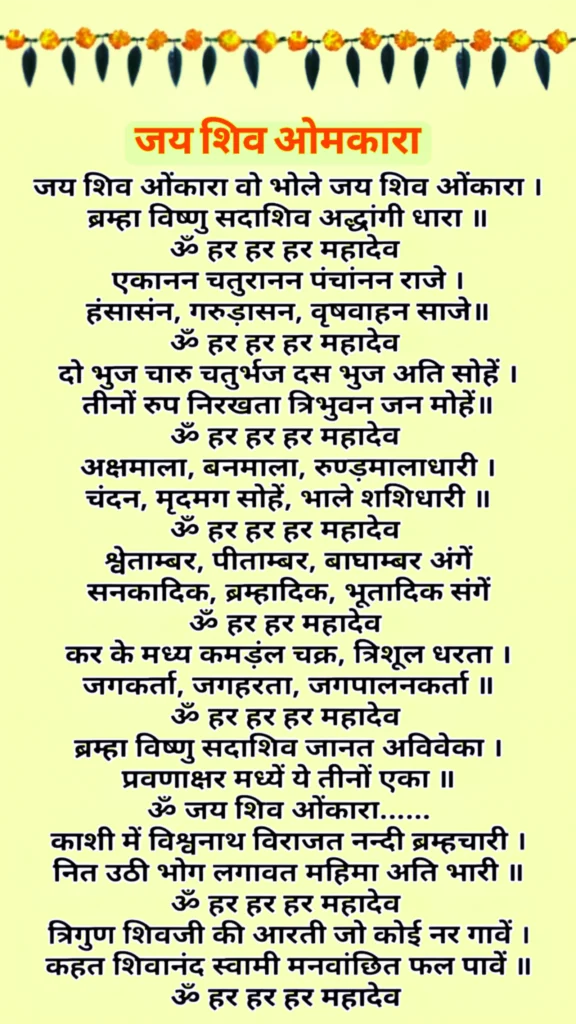
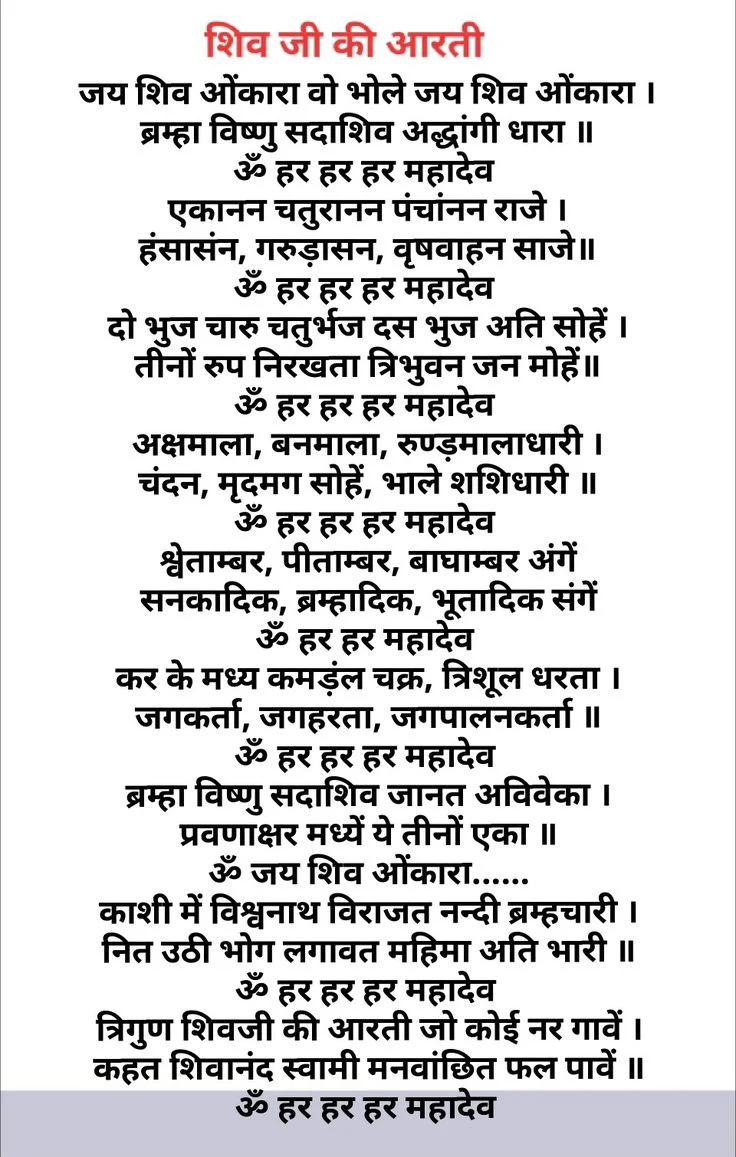
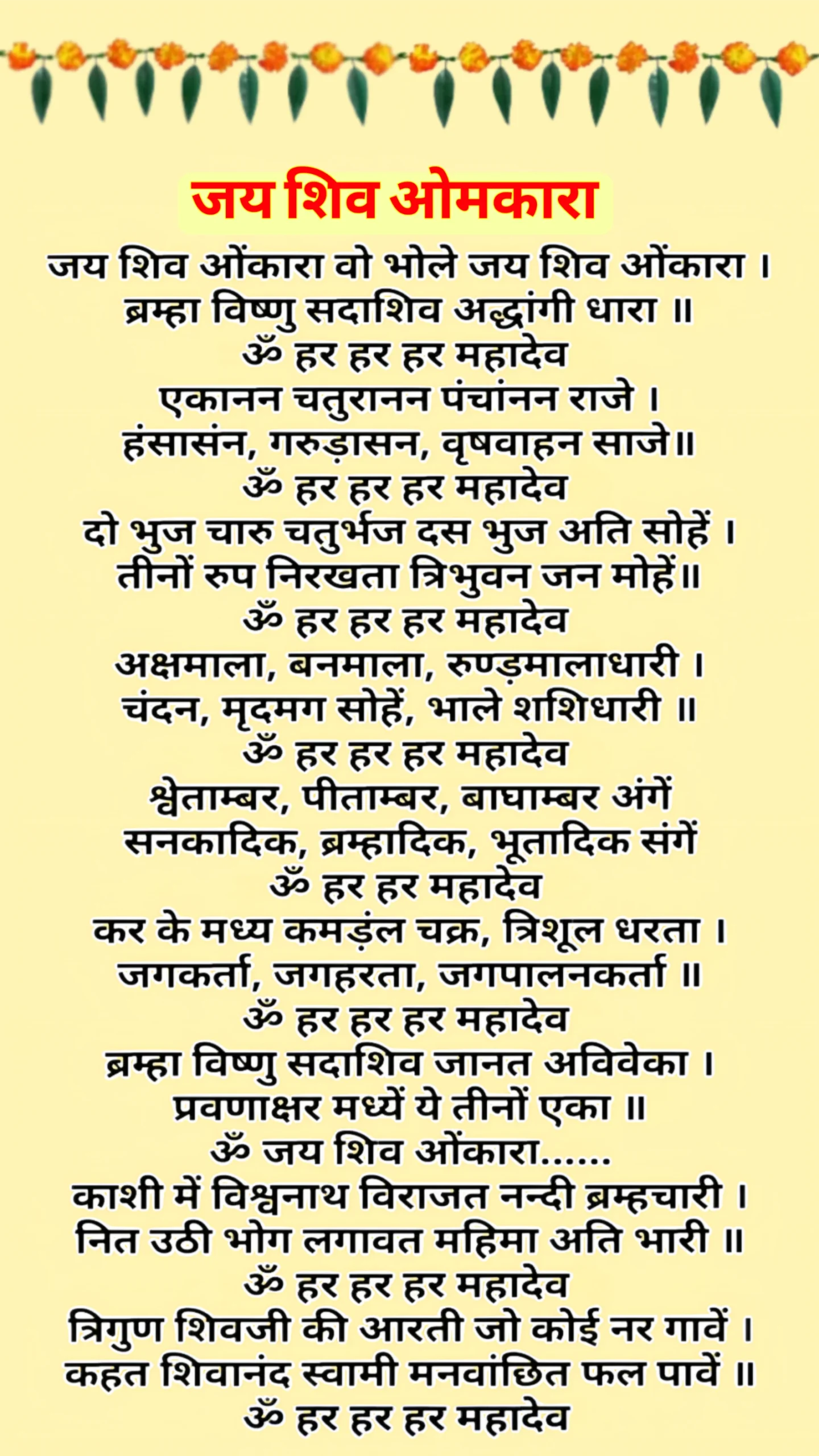
Full Om Jai Shiv Omkara Aarti Lyrics in Hindi (Complete Path)
Below are the sacred lyrics and devotional verses for chanting the Aarti with deep devotion:
आरती का आध्यात्मिक प्रभाव
आरती के शब्दों में ब्रह्मांड के रचयिता, पालनकर्ता और संहारक शिव का वर्णन है। यदि आप विशेष अवसरों पर महाशिवरात्रि व्रत की आरती ॐ जय शिव ओंकारा का पाठ करते हैं, तो यह आपके आध्यात्मिक अनुभव को और गहरा कर देता है।
- आरती को शुद्ध मन और एकाग्रता के साथ पढ़ें।
- शिव जी को बेलपत्र और जल अर्पित करना अत्यंत फलदायी माना गया है।
- आप इन छवियों को अपने प्रियजनों के साथ साझा कर सकते हैं।
हमारी वेबसाइट पर आपको जय शिव ओंकारा आरती इमेज का एक बेहतरीन संग्रह मिलेगा, जिसे आप आसानी से डाउनलोड कर सकते हैं। इसके अलावा, आप ओम जय शिव ओंकारा आरती लिरिक्स के विभिन्न संस्करणों का लाभ उठा सकते हैं। महादेव की कृपा आप सभी पर बनी रहे, यही हमारी कामना है।
Verse-by-Verse Meaning of Om Jai Shiv Omkara
Understanding the underlying devotional thoughts of the Aarti elevates your worship from mechanical ritual to pure spiritual contemplation. Here is an overview of the spiritual themes expressed in the tradition of this prayer:
- Unity of the Trinity: The opening verses glorify Shiva as the Supreme Lord who embodies Brahma (the creator), Vishnu (the preserver), and Sadashiva (the ultimate reality). It highlights His cosmic iconographic form where Goddess Parvati sits as His divine half (Ardhanarishvara).
- Cosmic Manifestations: The verses vividly describe the various divine forms—one face (Ekana), four faces (Chaturanan), and five faces (Panchanan)—representing Shiva’s multi-faceted presence controlling all dimensions of time and space.
- Adornments and Attire: The hymn describes His sacred adornments, including the rosary of Rudraksha beads (Akshimala), garlands of skulls (Rundamala), and forest flowers. It glorifies Him draped in white robes, yellow silks, and tiger skin (Baghambar), symbolizing supreme detachment from worldly comfort.
- Sacred Instruments: The Aarti depicts Shiva holding the Trishula (Trident representing three Gunas and dimensions of time), Kamandalu (water pot symbolizing purity), and Chakra, continuously sustaining cosmic harmony.
- Ignorance vs. Knowledge: A poignant verse points out that ignorant minds view Brahma, Vishnu, and Shiva as completely separate deities, whereas spiritually awakened souls recognize them as one indivisible consciousness residing within the sacred Om sound.
Spiritual Benefits of Reciting Om Jai Shiv Omkara Aarti
Regularly engaging in the sacred singing of the om jai shiv omkara aarti brings profound spiritual and psychological benefits to the life of a devotee:
- Inner Peace & Stress Relief: The rhythmic tune and soothing sound vibrations calm an agitated mind, reducing anxiety, fear, and daily mental stress.
- Removal of Negative Energies: Performing Aarti with pure camphor purifies the physical ambiance and dispels negative energies, restoring harmony in the household.
- Destruction of Ego & Obstacles: Lord Shiva is the ultimate destroyer of pride and spiritual impediments. Chanting His praises fosters humility and overcomes life’s hurdles.
- Spiritual Awakening: Meditating upon the symbolic attributes of Shiva inspires deep contemplation, aiding practitioners on the path of inner realization and devotion (Bhakti).
- Family Harmony: Conducting evening Aarti together as a family nurtures mutual love, spiritual values, and a peaceful domestic atmosphere.
Frequently Asked Questions (FAQ)
1. What is the significance of singing the om jai shiv omkara aarti?
The Aarti honors Lord Shiva as the supreme cosmic energy encompassing creation, sustenance, and dissolution. Singing it expresses heartfelt gratitude, surrenders ego, and invites divine blessings for spiritual growth and mental peace.
2. Can I sing Om Jai Shiv Omkara Aarti without a idol at home?
Yes, Lord Shiva is omnipresent and worshiped both in form (Sakar) and as formless light (Nirakar). You can light a lamp in front of a Shiva Lingam, a picture of Mahadeva, or simply focus your devotion internally while reciting the Aarti.
3. Why is camphor used during Shiva Aarti?
Camphor burns completely without leaving any residue, symbolizing the total annihilation of the human ego before the divine light. Its fragrance also purifies the surrounding air and enhances concentration.
4. What offerings are pleasing to Lord Shiva during Aarti?
Lord Shiva loves simplicity. Offering clean water, fresh milk, Bilva leaves (Belpatra), Dhatura flowers, white sweets, and sacred ash (Bhasma) with pure love brings immense grace.
5. Is it necessary to stand while singing the Aarti?
Traditionally, devotees stand respectfully while waving the Aarti flame as a gesture of reverence and total alertness in the presence of the Almighty. However, elderly or unwell devotees may sit comfortably with sincere devotion.
Disclaimer
This article is written for devotional, educational, and cultural reflection. Spiritual rituals, traditions, and scriptural interpretations may vary according to regional customs, specific family lineages, and personal faith traditions. Devotees are encouraged to perform worship with pure heart, sincerity, and love.