What Are Wisdom Teeth?
Humans develop two sets of teeth throughout their lives: deciduous (baby) teeth and permanent teeth. The first set, consisting of 20 milk teeth, appears in early childhood. As these fall out, permanent teeth replace them. A full set of adult teeth comprises 32 teeth, including incisors, canines, premolars, and molars. The wisdom teeth are the third set of molars, located at the very back of each jaw. In total, there are four wisdom teeth, one in each quadrant of the mouth.
Children typically have 28 permanent teeth by the time they reach adolescence, with the final four wisdom teeth emerging much later. This is why many people believe they have 28 teeth until their wisdom teeth start to appear.
When Do Wisdom Teeth Erupt?
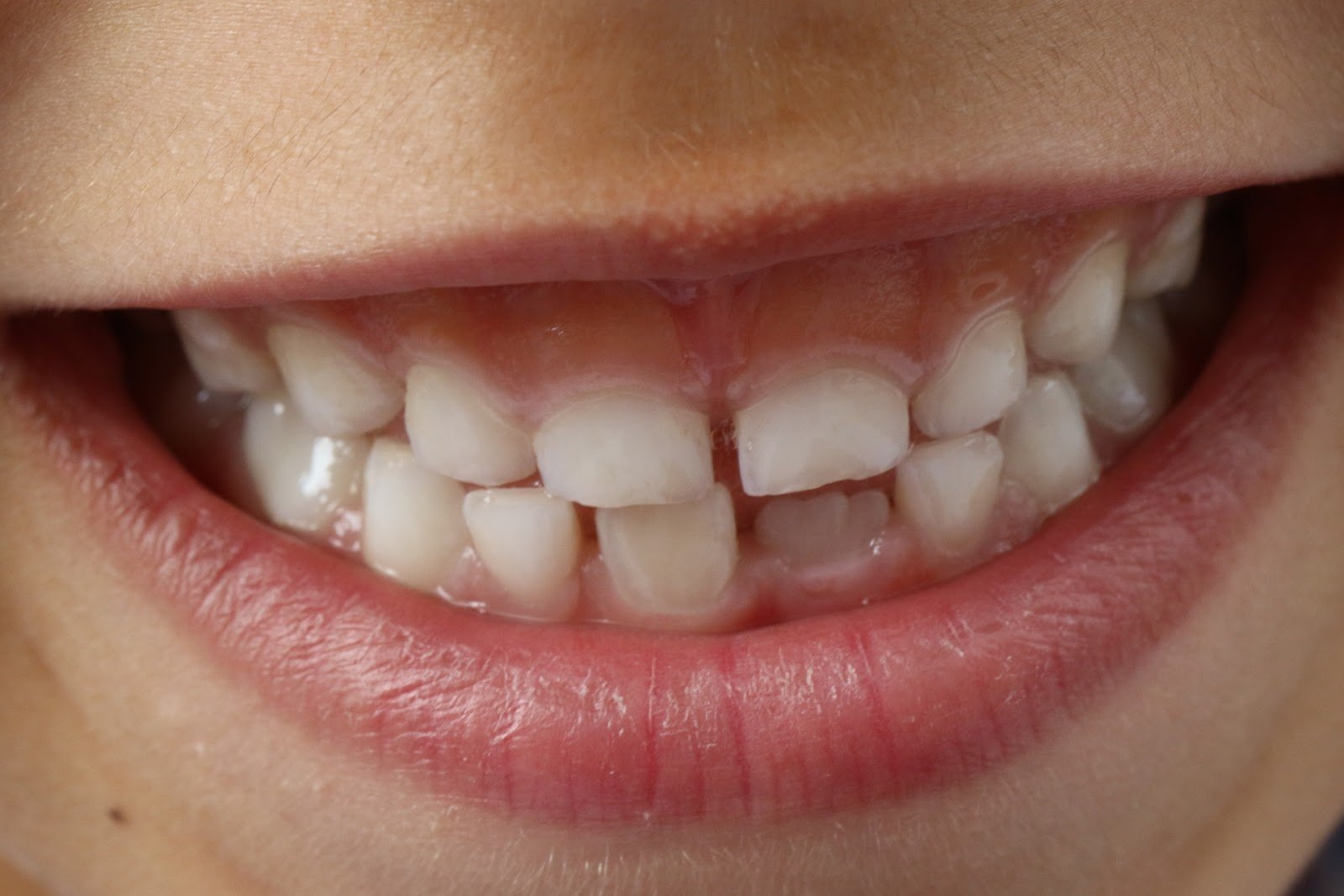
The eruption of wisdom teeth, often referred to as ‘अकल दाढ़’ in Hindi, usually occurs between the ages of 18 and 25. This period is traditionally associated with the onset of adulthood and the development of maturity, hence the name ‘wisdom’ teeth. However, the exact timing can vary significantly from person to person. Some individuals may experience their eruption earlier, while others might not see them emerge until their late twenties or even thirties. In some cases, wisdom teeth may never erupt at all or only partially emerge.
Signs and Symptoms of Wisdom Tooth Eruption
The process of wisdom teeth emerging can sometimes be accompanied by noticeable signs and symptoms. These can range from mild discomfort to more significant issues, especially if the teeth are impacted (unable to erupt fully). Common symptoms include:
- Jaw Pain or Stiffness: Discomfort around the back of the jaw.
- Swollen Gums: The gum tissue around the emerging tooth may become red and swollen.
- Mild Fever: A slight increase in body temperature can sometimes occur.
- Headaches: Pain radiating from the jaw area.
- Difficulty Opening Mouth: Jaw stiffness might make it hard to open the mouth wide.
- Bad Breath or Taste: If the teeth are difficult to clean, it can lead to oral hygiene issues.
It’s important to note that not everyone experiences these symptoms. Some people’s wisdom teeth erupt without any noticeable problems.
What to Do When Wisdom Teeth Emerge
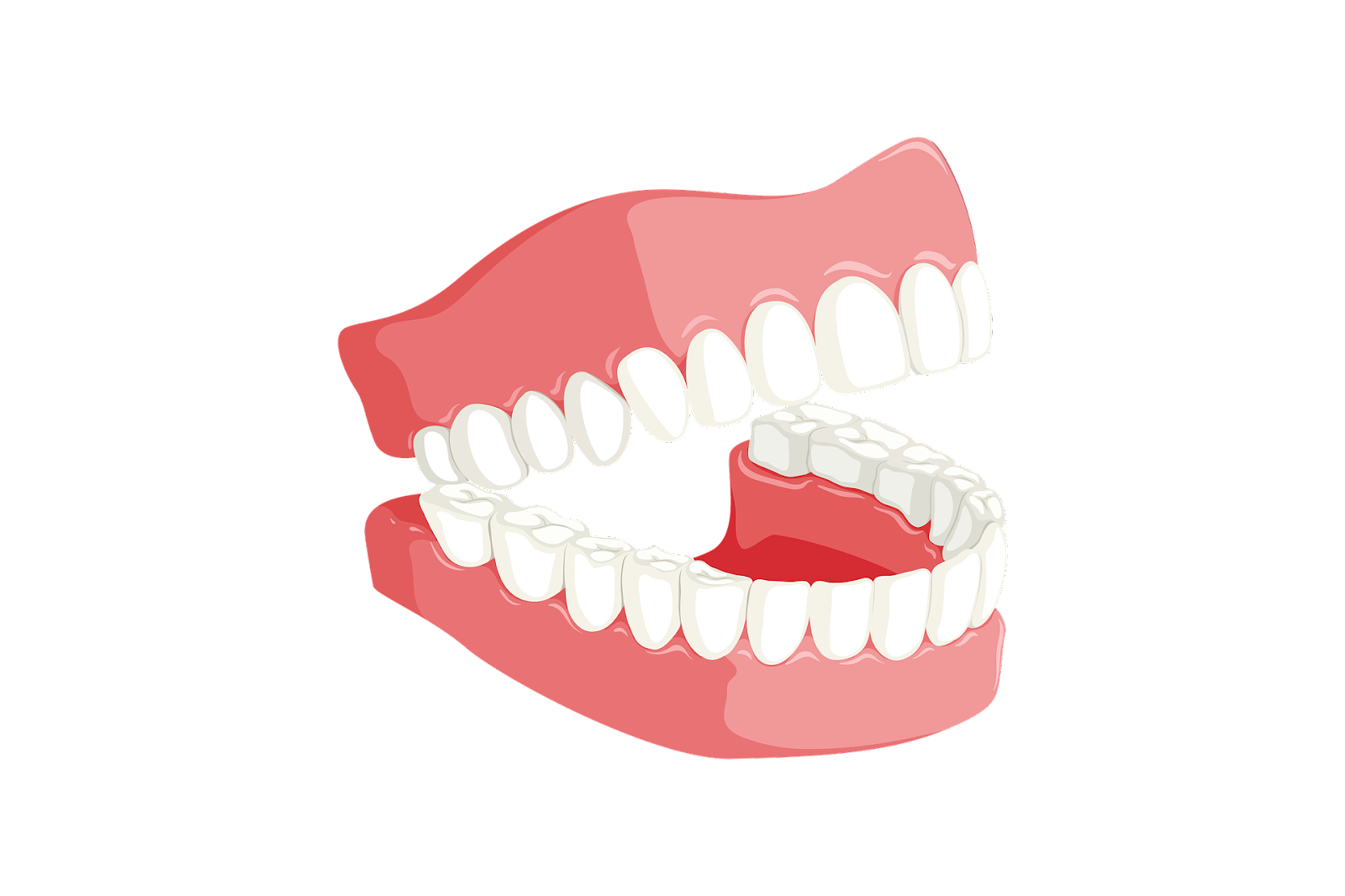
Wisdom teeth eruption is a natural physiological process. If you experience mild discomfort, good oral hygiene practices are usually sufficient. This includes regular brushing and flossing, paying special attention to the back of your mouth. Rinsing with warm salt water can also help soothe inflamed gums.
However, if you experience severe pain, swelling, or signs of infection, it is crucial to consult a dentist. Dentists can assess the position of your wisdom teeth using X-rays and determine if they are impacted or causing other dental problems. In cases of impaction, or if the wisdom teeth are crowding other teeth or leading to decay, a dentist might recommend extraction. This is a common dental procedure aimed at preventing future complications.
Frequently Asked Questions About Wisdom Teeth
Do all people get wisdom teeth?
While most people develop four wisdom teeth, it is not uncommon for some individuals to have fewer, or in rare cases, none at all. Some wisdom teeth may also remain impacted and never fully erupt.
What should I do if my wisdom teeth are causing pain?
For mild pain, maintaining good oral hygiene and using warm salt water rinses can help. If the pain is severe, or if you notice significant swelling, redness, or signs of infection, it is essential to see a dentist for a professional evaluation and treatment options.
Which teeth are called wisdom teeth?
Wisdom teeth are the third molars, located at the very back of the mouth. There are typically four of them, one in each corner of the jaw.
What is the English term for ‘अकल दाढ़’?
The English term for ‘अकल दाढ़’ is ‘wisdom teeth’.
When do wisdom teeth typically start to come in?
Wisdom teeth usually begin to erupt between the ages of 18 and 25, though this can vary. This is why they are called ‘wisdom’ teeth, as they appear around the age when people are considered to be gaining more maturity.
Is there a specific age for wisdom teeth eruption?
There isn’t a fixed age for wisdom teeth to erupt. They generally start appearing after adolescence, typically between 18 and 25 years old, but the timeline can differ for each individual.