
What is Nauthapa? A Blend of Science and Tradition
Nauthapa marks the period when the sun enters the Rohini Nakshatra, typically in late May and early June. Astronomically, the angle between the Earth and the sun during this time causes the sun’s rays to fall most directly and intensely on Northern India. This results in temperatures that can be 3-7°C higher than usual, leading to unbearable heat. In 2024, cities like Delhi recorded temperatures as high as 52.3°C, highlighting the severity of this heatwave. While Nauthapa is scientifically explained by celestial positioning, traditional beliefs in India associate a hotter Nauthapa with a good monsoon. Regardless of the belief, Nauthapa serves as a critical period for our health, urging us to be mindful of nature’s changes and adapt our lifestyles accordingly.
Impact of Nauthapa on the Body
When ambient temperatures soar above 45°C, our bodies work overtime to maintain a core temperature of around 37°C. The primary cooling mechanism is sweating. However, excessive sweating leads to rapid loss of water and essential electrolytes, resulting in dehydration. If left unaddressed, dehydration can escalate into more severe heat-related illnesses:
- Dehydration: Early signs include thirst, fatigue, headache, and dizziness.
- Heat Exhaustion: As dehydration worsens, symptoms may include heavy sweating, cold and clammy skin, nausea, vomiting, muscle cramps, and fainting.
- Heatstroke: This is the most dangerous and life-threatening condition. The body loses its ability to cool down, and its temperature can exceed 104°F (40°C). Symptoms include hot, dry, or red skin (lack of sweating), rapid pulse, confusion, seizures, and unconsciousness. Heatstroke is a medical emergency requiring immediate medical attention.
Effective Measures to Prevent Heatstroke and Beat the Nauthapa Heat
Protecting yourself and your family during Nauthapa requires adopting simple yet effective strategies:
1. Prioritize Hydration
- Drink Plenty of Water: Sip water regularly, even if you don’t feel thirsty. Aim for at least 8-10 glasses daily for adults.
- Replenish Electrolytes: Consume ORS (Oral Rehydration Solution) mixes, lemon water (shikanji), buttermilk, coconut water, or fresh fruit juices (like watermelon and muskmelon). These help restore lost fluids and minerals.
- Avoid Dehydrating Drinks: Steer clear of caffeinated beverages (tea, coffee), alcohol, and overly sweet drinks, as they can further dehydrate the body.
2. Adopt a Suitable Diet
- Light Meals: Opt for light, easily digestible, and less spicy foods. Lentils, rice, yogurt, and green vegetables are good choices.
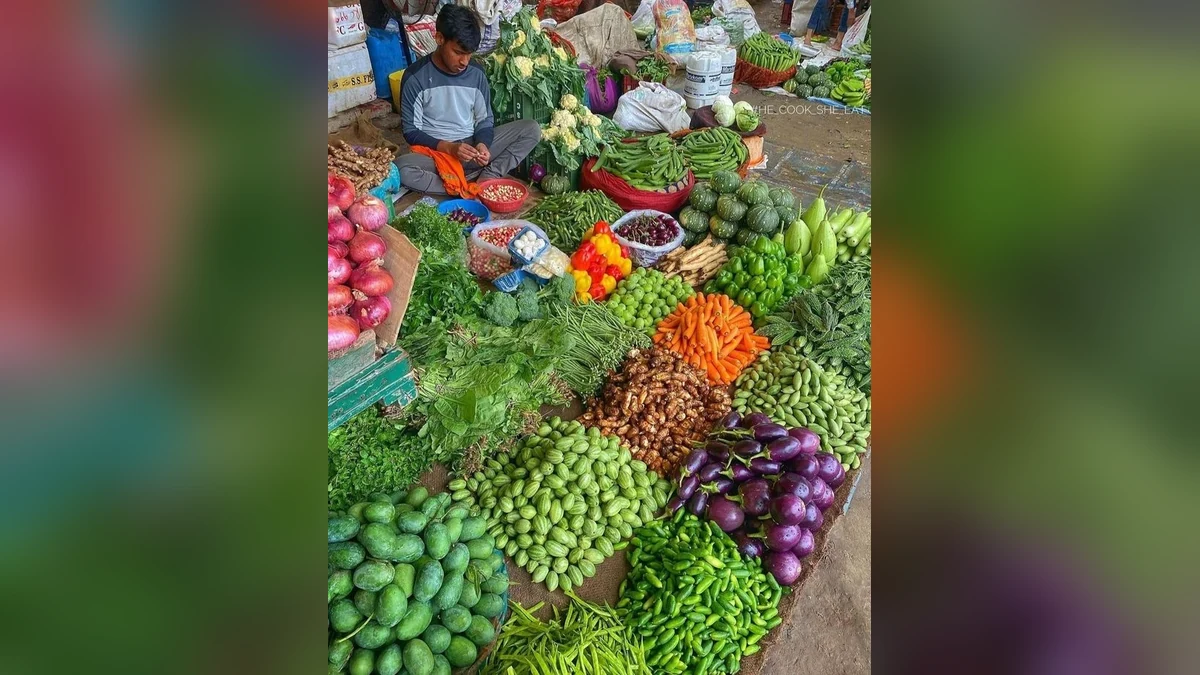
- Seasonal Fruits and Vegetables: Include water-rich produce like watermelon, muskmelon, cucumber, and tomatoes in your diet.
- Small, Frequent Meals: Avoid large meals. Eat smaller portions throughout the day.
- Avoid Fried and Heavy Foods: These are difficult to digest and can increase body temperature.
3. Dress Appropriately and Keep Your Home Cool
- Light, Loose Clothing: Wear cotton, light-colored, and loose-fitting clothes to allow air circulation and facilitate sweat evaporation.
- Protect Your Head: Use a hat, scarf, or umbrella when venturing outdoors during peak sun hours.
- Keep Your Home Cool: During the day, use thick curtains or bamboo mats on windows. Open windows in the evening when the temperature drops. Use coolers or air conditioners. Sprinkling water on the floor or placing wet cloths can also help cool the environment.
4. Modify Your Daily Routine
- Avoid Peak Hours: Stay indoors between 11 AM and 4 PM when the sun is strongest.
- Limit Strenuous Activity: Avoid heavy physical labor or intense exercise during these hours. If necessary, schedule them for early morning or late evening.
- Cool Showers: Taking cool showers once or twice a day can help regulate body temperature.
- Listen to Your Body: If you feel fatigued, dizzy, or weak, rest immediately and consume fluids.
5. Special Care for Vulnerable Groups
- Children, Elderly, and Pregnant Women: These groups are more susceptible to heat. Ensure they stay hydrated and comfortable.
- Regular Check-ups: Make sure they are resting adequately and their environment is cool.
- Pets: Provide ample water for your pets and keep them in a cool, shaded area.
What to Do in an Emergency (Symptoms and First Aid)
Recognizing the signs of heat-related illnesses and acting promptly is crucial:
- Heat Exhaustion: Symptoms include heavy sweating, weakness, dizziness, nausea, headache, and muscle cramps. First Aid: Move the person to a cool place, loosen clothing, offer water, and apply cool, wet cloths or sponge the skin.
- Heatstroke: Symptoms include body temperature above 104°F (40°C), hot and dry skin (no sweating), confusion, seizures, and unconsciousness. This is a life-threatening emergency! First Aid: Call for emergency medical help immediately. While waiting, move the person to a cool area, loosen clothing, and apply cold packs to the neck, armpits, and groin. Do not give fluids if the person is unconscious.
Nauthapa: More Than Just Heat, It’s an Opportunity
While Nauthapa brings intense heat, it also presents an opportunity to align with nature and become more health-conscious. It teaches us to adapt our lifestyles to the seasons, respect natural cycles, and prepare for the coming monsoon. By taking necessary precautions, we can navigate this challenging period safely and emerge stronger.
Frequently Asked Questions
Q1: What are the main dangers during Nauthapa?
The main dangers during Nauthapa are extreme heat leading to dehydration, heat exhaustion, and potentially life-threatening heatstroke. The high temperatures can overwhelm the body’s natural cooling mechanisms.
Q2: How can I stay hydrated effectively during Nauthapa?
To stay hydrated, drink water consistently throughout the day, even without feeling thirsty. Supplement with ORS, lemon water, buttermilk, and coconut water to replenish electrolytes. Avoid dehydrating drinks like alcohol and excessive caffeine.
Q3: What kind of food should I eat during Nauthapa?
Opt for light, easily digestible foods. Include plenty of water-rich fruits and vegetables like watermelon, cucumber, and tomatoes. Avoid heavy, spicy, and fried foods that can increase body heat.
Q4: What are the early signs of heatstroke?
Early signs of heatstroke include a body temperature above 104°F (40°C), hot and dry skin (lack of sweating), confusion, rapid pulse, and potential loss of consciousness. It is a medical emergency requiring immediate attention.
Q5: Is it safe for children and the elderly to go out during Nauthapa?
It is generally advisable for children and the elderly to avoid going out during the peak heat hours of Nauthapa (typically 11 AM to 4 PM). They are more vulnerable to heat-related illnesses and require special care and hydration.


















Share Your Opinion
Comments are closed on this post.