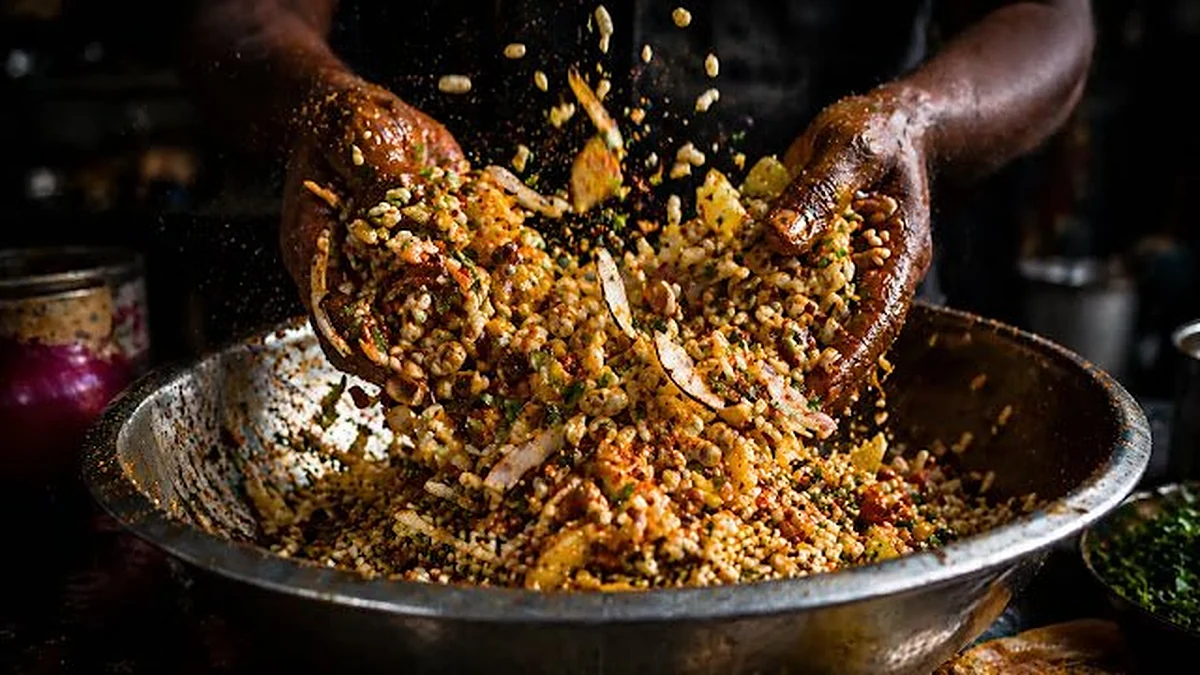
What is Jhalmuri?
Jhalmuri is a popular and flavorful street food originating from Eastern India, particularly West Bengal and Bangladesh. The name itself, derived from ‘Jhal’ (spicy) and ‘Muri’ (puffed rice), hints at its characteristic taste. It’s more than just a snack; it’s a cultural experience, often enjoyed in the evenings or as a quick bite on the go. Traditionally, Jhalmuri is a vibrant mix of various ingredients, creating a delightful culinary experience that appeals to a wide range of people due to its simplicity and accessibility.
Key Ingredients and Their Nutritional Value
To understand the health implications of Jhalmuri, it’s essential to examine its components:
- Muri (Puffed Rice): The base of Jhalmuri, primarily providing carbohydrates. It’s low in calories but also very low in fiber.
- Chopped Onions, Tomatoes, Cucumber: These fresh vegetables add vitamins, minerals, and some fiber, contributing to the snack’s freshness and crunch.
- Boiled Potatoes: Often included, these add extra carbohydrates and potassium.
- Roasted Peanuts: A good source of protein, healthy fats, and fiber, offering a nutritious boost.
- Roasted Gram/Lentils: Another source of protein and fiber, helping to promote satiety.
- Mustard Oil: Crucial for its pungent flavor and aroma. However, the quantity used can significantly impact its health profile.
- Spices (Turmeric, Chili Powder, Cumin, Coriander, Garam Masala, Black Salt, Salt, Chaat Masala): These create the signature spicy and tangy taste.
- Chopped Green Chilies and Coriander Leaves: For added flavor and freshness.
- Lemon Juice: Provides tanginess and Vitamin C.
- Optional additions: Tamarind water, sweet chutney, or fine sev might also be included.
Potential Health Benefits of Jhalmuri (When Prepared Mindfully)
When Jhalmuri is made with careful consideration and the right ingredients, it can offer several benefits:
- Low-Calorie Base: Puffed rice itself is low in calories, making it a light snack base.
- Source of Fiber: Vegetables like onions, tomatoes, and cucumber, along with roasted gram and peanuts, contribute dietary fiber, aiding digestion and promoting fullness.
- Vitamins and Minerals: Fresh vegetables provide essential vitamins like A and C, and various minerals. Lemon juice is a good source of Vitamin C.
- Energy Booster: The carbohydrates in puffed rice offer a quick energy release, useful for combating mid-day slumps.
- Satiating Snack: The presence of fiber and protein from ingredients like peanuts and roasted gram can help you feel fuller for longer, potentially curbing overeating.
- Healthier Alternative: When prepared at home with controlled ingredients, it can be a tastier and comparatively better option than many packaged snacks like chips or biscuits.
The Hidden Risks and Downsides of Street-Style Jhalmuri
The reality, especially with Jhalmuri from street vendors, often involves hidden drawbacks:
- Excessive Oil: Street vendors frequently use large amounts of mustard oil to enhance flavor. While mustard oil has healthy fats, excessive consumption increases calorie intake and can contribute to weight gain.
- High Sodium Content: The liberal use of salt, black salt, chaat masala, and other spice mixes significantly raises the sodium levels. High sodium intake is linked to increased risk of high blood pressure and heart problems.
- Hygiene Concerns: Street food preparation may not always adhere to strict hygiene standards. Uncovered ingredients, unwashed hands, and contaminated water can lead to gastrointestinal infections like diarrhea and food poisoning.
- Nutritional Imbalance: Jhalmuri is predominantly carbohydrate-rich. Protein and healthy fat content can be low, especially if peanuts or gram are used sparingly. This makes it more of an ‘energy snack’ than a balanced meal, failing to provide sustained satiety.
- Overuse of Spices: Its spicy nature can cause acidity, heartburn, or digestive issues for some individuals.
- Unhealthy Additives: Some vendors might add sweet chutneys (high in sugar) or other processed ingredients to enhance taste, diminishing any potential health benefits.
- Low Fiber and Protein: If prepared with just puffed rice and minimal additions, the fiber and protein content can be very low, leading to quick hunger pangs.
How to Make Jhalmuri Healthier at Home
If you wish to enjoy Jhalmuri without compromising your health, preparing it at home is the best approach:
- Reduce Oil: Use a very small amount of olive oil or sesame oil, or omit oil entirely.
- Increase Vegetables: Add generous amounts of fresh vegetables like carrots, cabbage, bell peppers, and sprouts.
- Boost Protein: Incorporate boiled chickpeas, roasted peanuts, or sprouted lentils. Small cubes of paneer can also be added.
- Control Salt and Spices: Use salt and spices according to your preference, keeping black salt and chaat masala in moderation.
- Ensure Hygiene: Use fresh, thoroughly washed ingredients.
- Avoid Sugary Chutneys: If you prefer sweetness, use homemade, low-sugar chutneys made from dates or tamarind.
Is Jhalmuri Really a Healthy Diet Snack?
Calling Jhalmuri a ‘healthy diet snack’ is an overstatement, particularly when purchased from street vendors. It can be a delicious and light snack, but its healthiness is entirely dependent on how it’s prepared and its ingredients. When made at home with controlled oil, salt, and spices, and packed with fresh vegetables and protein sources, it can indeed be a nutritious, low-calorie option. However, daily consumption of street-style Jhalmuri, laden with oil, salt, and spices, is not advisable for your health.
Conclusion
Jhalmuri is a delightful Indian street food with an irresistible taste. However, before labeling it a ‘healthy diet snack,’ it’s crucial to consider its ingredients and preparation methods. Moderation and mindful preparation are key to making it a nutritious part of your diet. Enjoy the flavor, but do so wisely!
FAQs
Can I eat Jhalmuri daily for weight loss?
Eating Jhalmuri daily for weight loss is generally not recommended, especially if it’s from street vendors due to high oil and sodium content. If prepared at home with controlled ingredients (low oil, high vegetables, moderate spices), it can be a part of a balanced diet, but portion control is still essential.
What are the main health risks of eating street-style Jhalmuri?
The main health risks include high intake of unhealthy oils, excessive sodium from salt and spices, potential contamination due to poor hygiene, and nutritional imbalance (high carbs, low protein/fiber), which can lead to digestive issues, high blood pressure, and weight gain.
Is puffed rice (muri) healthy?
Puffed rice (muri) itself is a low-calorie, carbohydrate-rich food. While it can be a light snack base, it’s very low in fiber and essential nutrients. Its healthiness depends on what it’s combined with. As part of a balanced mix with vegetables and protein, it can be acceptable, but on its own, it offers limited nutritional value.
How much oil is too much in Jhalmuri?
For a healthy snack, ideally, Jhalmuri should contain very little to no added oil. Street-style Jhalmuri often uses several tablespoons of oil per serving, which is excessive. At home, aim for no more than a teaspoon of healthy oil, or skip it altogether.
Can Jhalmuri cause acidity?
Yes, Jhalmuri can cause acidity for some individuals, especially if it’s very spicy, contains excessive amounts of certain spices like chaat masala, or if prepared with ingredients that don’t agree with your digestive system. The high spice and chili content are common culprits.





















Share Your Opinion
Comments are closed on this post.