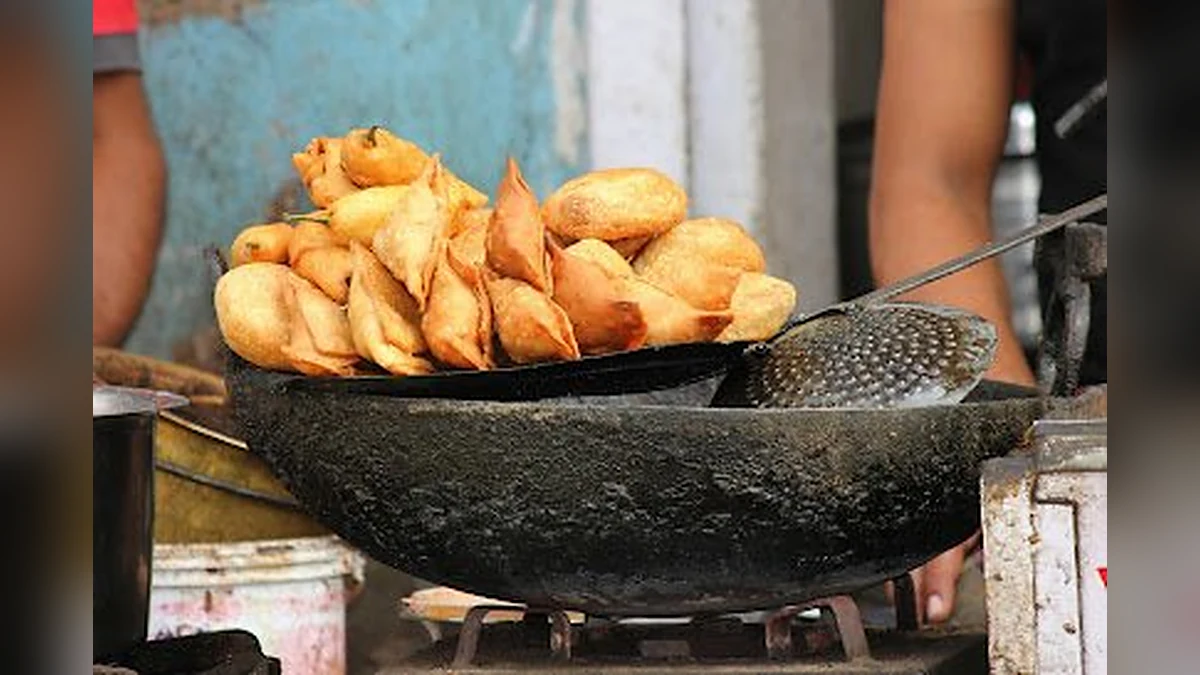
It’s a common challenge for parents: children are naturally curious and often drawn to the colourful, enticing world of outside food. While occasional treats are fine, a persistent habit of eating junk food can lead to health issues and affect a child’s development. Many packaged items contain chemicals that can be addictive, making children crave them more and potentially leading them to reject nutritious home-cooked meals. This can result in weakness and hinder their growth. This article provides practical ways to help your child break free from the habit of eating outside food.
Understanding the Appeal of Outside Food
Children are often attracted to outside food for several reasons. The vibrant packaging, the taste, and the social aspect of eating with friends can all play a role. Sometimes, children might feel they aren’t getting their favourite foods at home, leading them to seek them elsewhere. It’s important for parents to understand these underlying reasons to address the habit effectively.
Strategies to Discourage Outside Food Consumption

1. Educate and Explain
For children old enough to understand, start by explaining why eating outside food isn’t good for them. Use simple terms to convey the potential health risks. Sometimes, a clear explanation is enough to make a difference.
2. Highlight the Health Risks
Discuss the negative consequences of consuming junk food. You can explain how it might lead to stomach aches, fevers, or other health problems. Using examples of other children who have fallen ill after eating outside food can be impactful, illustrating the need for doctor visits and potential treatments.
3. Recreate Favourites at Home
If children often crave specific outside treats, try making healthier versions at home. Dedicate a few days a week to preparing their favourite dishes. This way, they get to enjoy tasty food that is also good for them, reducing the temptation to buy from outside.
4. Plan Outings and Healthy Treats
Use outings as a positive reinforcement tool. Promise to take them to a park, mall, or their favourite spot if they cooperate. When you do go out, ensure you offer them healthy and enjoyable food options that align with their preferences and nutritional needs.
5. Monitor Social Influences
Children can pick up habits from their peers. Pay attention to the company your child keeps. If their friends frequently eat outside food, they might be more inclined to do the same. Encourage friendships with children who have balanced eating habits.
6. Manage Pocket Money Wisely
Giving children too much pocket money can enable them to buy outside food impulsively. Instead of cash, consider offering alternatives or discussing the value of saving. If they do receive money, guide them on how to use it responsibly.
7. Make Home Food Appealing
The taste and variety of outside food can be very attractive. Make home-cooked meals more appealing by incorporating different flavours and presentations. When children find their home food delicious and engaging, they are less likely to be drawn to unhealthy alternatives.
8. Use Rewards and Promises
Motivate your child by promising small rewards, like a new toy or stationery, for sticking to healthy eating habits. Fulfilling these promises can create a positive association with good behaviour and healthy choices.
9. Teach Financial Literacy
Educate your child about the value of money and saving. Encourage them to save a portion of their allowance in a piggy bank. Explain how saved money can be used to purchase something more significant or valuable later on, fostering a sense of responsibility and delayed gratification.
10. Avoid Harsh Discipline
Scolding or punishing children for eating outside food can often backfire, making them more secretive or defiant. Instead of harsh methods, use gentle persuasion and consistent guidance. A firm but kind approach is usually more effective in the long run.
Conclusion
Changing a child’s eating habits takes patience and consistency. By understanding the reasons behind their cravings and implementing these strategies, parents can effectively guide their children towards healthier choices. Remember that as children grow, they naturally become more aware of their health and the importance of good nutrition. For younger children, these methods provide a supportive framework to build a foundation for a lifetime of healthy eating.
Frequently Asked Questions (FAQs)

Q1: When will my child stop eating outside food?
A1: Your child will likely stop eating outside food when they begin to understand the negative health consequences associated with it and when home-cooked meals become more appealing and consistently available.
Q2: My child insists on eating outside food. What should I do?
A2: For persistent demands, you can employ a firmer but gentle approach. Combine the strategies mentioned above, such as making home food tastier, explaining health risks, and using positive reinforcement. Consistency is key.
Q3: My child refuses to eat home-cooked meals. How can I encourage them?
A3: Try making home-cooked meals more flavourful and visually appealing. Involve your child in the cooking process, offer choices within healthy options, and ensure a pleasant mealtime environment. Gradually introducing new dishes can also help.




















Share Your Opinion
Comments are closed on this post.