Breathe Easier: Practical Ways to Keep Your Home’s Air Clean
In today’s urban environments, air pollution is a growing concern. The constant presence of smog, dust, and harmful gases can impact our health, especially for vulnerable groups like children and the elderly. While we can’t always control outdoor air quality, we can take significant steps to ensure the air in and around our homes is as clean as possible. This article explores simple, effective, and often low-cost strategies to purify the air in your living space, including your balcony, courtyard, and immediate surroundings.
1. Embrace Nature: The Power of Plants

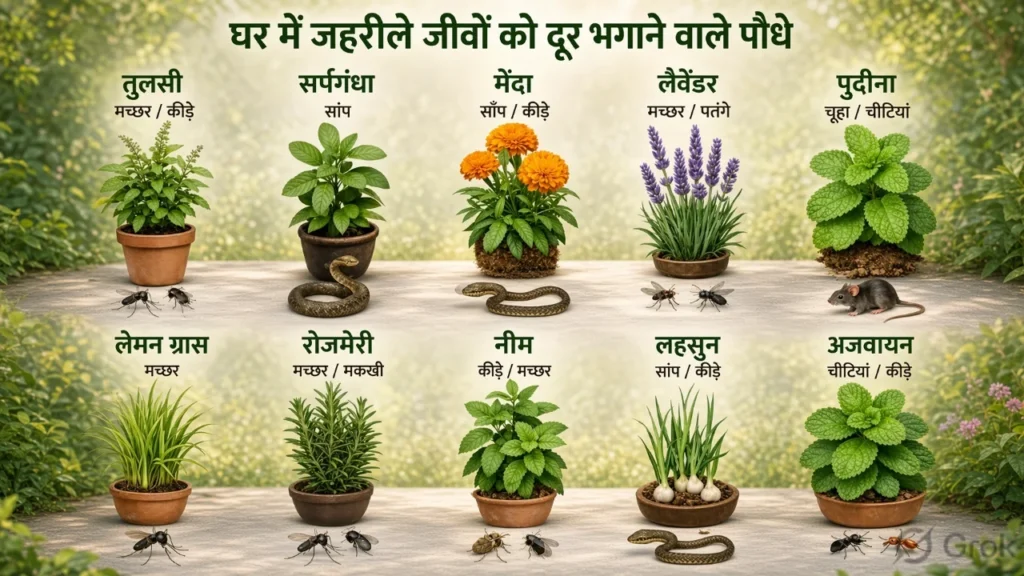
One of the most accessible and effective methods for improving air quality is by incorporating more plants into your home and surroundings. Plants like Neem, Peepal, Tulsi (Holy Basil), Aloe Vera, Money Plant, Snake Plant, and Amla are excellent choices. They not only release oxygen but also absorb common indoor pollutants such as carbon dioxide and volatile organic compounds (VOCs) like formaldehyde. Even a few potted plants on your balcony or windowsill can make a difference. Regular watering not only helps the plants thrive but also contributes to a fresher atmosphere and a sense of calm.
2. Combat Dust and Fumes at the Source
Addressing pollution at its origin is crucial. If you have unpaved roads near your home, consider sprinkling water regularly to suppress dust, or work with your community to pave them. Vehicle emissions are a major source of pollution; avoid parking vehicles directly in front of your home if possible. When sweeping your home, especially in the morning and evening, lightly moisten the broom to prevent dust from becoming airborne. If waste burning is an issue in your locality, engage with neighbours to explain the severe health risks associated with it.
3. Manage Indoor Air Circulation

Preventing indoor pollutants from escaping and outdoor pollutants from entering is key. Ensure your windows are fitted with fine mesh screens to act as a barrier. Always use the kitchen chimney or exhaust fan while cooking to vent smoke and fumes outside. While incense sticks and candles can add fragrance, they also release fine particulate matter (PM2.5). Consider using natural alternatives like camphor or cloves, which release a pleasant aroma and can help purify the air to some extent.
4. Harness Natural Air Purifiers
Beyond plants, several natural elements can help cleanse your indoor air. Himalayan pink salt lamps are believed to reduce negative ions in the air, potentially improving air quality. Placing bowls of activated charcoal or bamboo charcoal around your home can absorb odours and excess moisture effectively. These are inexpensive and traditional methods that can contribute to a healthier indoor environment.
5. Be Mindful During Festivals
Indian festivals often involve fireworks, which significantly contribute to air pollution. While awareness is growing, and many opt for ‘green’ or low-emission fireworks, consider even more eco-friendly alternatives. Celebrating with sky lanterns or flower-based festivities can be enjoyable without the harmful smoke. A single day of celebration should not compromise the air quality for the rest of the year, leading to long-term health issues.
6. Community Action for Cleaner Air
Individual efforts are powerful, but collective action can create a more substantial impact. Initiate or join neighbourhood tree-planting drives. Work with your local municipal body to ensure regular waste collection, reducing the need for open burning. If a local factory or generator is causing excessive pollution, report it to the relevant authorities. United efforts within a community can lead to significant improvements in local air quality.
Small steps, consistently taken, can lead to significant changes. Start today with a single potted plant, a bit of water sprinkled on the ground, or by ensuring your kitchen exhaust is on. Within a few months, you may notice a tangible difference in the freshness of your morning air, with children breathing more freely and experiencing fewer headaches. Keeping the air around your home clean is not a complex scientific challenge; it requires a little attention and dedication. Taking that first step for yourself and your family is essential. Clean air is our right, and keeping it clean is our shared responsibility.
Frequently Asked Questions
What are the best plants for cleaning indoor air?
Some of the most effective air-purifying plants include Snake Plant (Sansevieria trifasciata), Spider Plant (Chlorophytum comosum), Peace Lily (Spathiphyllum wallisii), Aloe Vera (Aloe barbadensis miller), and various types of Ficus. These plants are known for their ability to absorb common indoor pollutants.
How can I reduce dust and pollution coming from outside my home?
You can reduce external dust and pollution by fitting fine mesh screens on windows and doors, regularly sprinkling water on unpaved areas around your home, and ensuring good ventilation practices indoors. Community efforts to pave roads and prevent waste burning also play a significant role.
Are incense sticks and candles bad for indoor air quality?
Yes, burning incense sticks and candles can release fine particulate matter (PM2.5) and other volatile organic compounds into the air, which can negatively impact indoor air quality. It’s advisable to use them sparingly or opt for natural alternatives like camphor or essential oil diffusers.
What are some natural ways to purify the air at home?
Natural methods include using air-purifying plants, placing bowls of activated charcoal or bamboo charcoal to absorb odours and moisture, and using Himalayan pink salt lamps, which are thought to release negative ions that can help cleanse the air.
How can community action help improve local air quality?
Community action can be very effective. This includes organizing tree-planting drives, advocating for regular waste collection services to prevent burning, reporting polluting factories or generators, and collectively working towards paving unpaved roads to reduce dust. United efforts can lead to a healthier environment for everyone in the locality.