Why is Water So Important in Summer?
Our bodies are composed of about 60-70% water, and it’s essential for nearly every bodily function. During the hot Indian summers, we lose significant amounts of water and electrolytes through sweat. If this fluid loss isn’t replenished, it can lead to dehydration, which can have serious health consequences.
Key Benefits of Drinking Water
- Body Temperature Regulation: Water helps dissipate heat from the body through sweat, maintaining a stable internal temperature.
- Digestive Health: It aids in digestion, nutrient absorption, and prevents constipation.
- Energy and Brain Function: Adequate hydration keeps energy levels up and supports cognitive functions. Dehydration can cause fatigue and poor concentration.
- Skin Health: Water keeps the skin hydrated, making it look healthy and supple.
- Kidney Function: It helps the kidneys flush out toxins and can reduce the risk of kidney stones.
- Joint Lubrication: Water provides lubrication for joints, ensuring smooth movement.
- Weight Management: Sometimes thirst is mistaken for hunger. Drinking enough water can help curb unnecessary snacking, supporting weight management efforts.
Recognizing Dehydration
It’s vital to identify the signs of dehydration early:
- Intense thirst
- Dry mouth
- Infrequent urination or dark-colored urine
- Fatigue and lethargy
- Dizziness or headache
- Muscle cramps
- Dry skin
How Much Water Should You Drink in Summer in India?
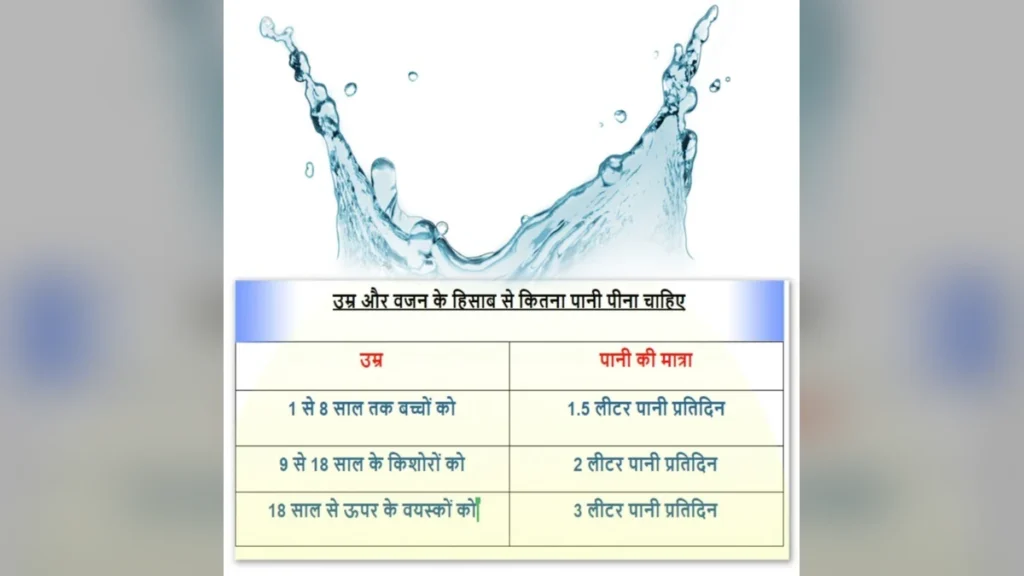
The amount of water needed varies based on age, weight, gender, activity level, and environmental factors. There’s no single ‘magic’ number for everyone. However, here’s a general guideline and chart to help you adjust your intake:
1. General Adults (18-60 Years)
- Men: Typically around 3.7 litres (about 15-16 glasses) of water and other fluids per day.
- Women: Typically around 2.7 litres (about 11-12 glasses) of water and other fluids per day.
This includes drinking water, other beverages (like juices, tea, soups), and water from water-rich foods (like fruits and vegetables).
2. Water Calculation Based on Weight (Approximate Method)
A common rule of thumb is to drink approximately 30-35 ml of water per kilogram of body weight.
Example: If you weigh 60 kg, you should aim for about 60 x 30 ml = 1800 ml or 1.8 litres of water. This amount may need to increase if you are active.
More precise calculation: Divide your body weight in pounds by 2 to get the approximate ounces of water needed daily. (Note: 1 ounce ≈ 30 ml).
3. For Children (By Age Group)
Children need less water than adults, but staying hydrated is crucial, especially in summer:
- 1-3 years: Approximately 1.3 litres (5-6 glasses)
- 4-8 years: Approximately 1.7 litres (7-8 glasses)
- 9-13 years: Approximately 2.1-2.4 litres (9-10 glasses)
- 14+ years: Similar to adults, adjusted for activity and heat.
4. Special Circumstances
- Pregnant Women: Need about 3 litres of fluids daily.
- Breastfeeding Women: Require about 3.8 litres of fluids daily.
- Active Individuals/Exercisers: Drink extra water before, during, and after exercise. You might need an additional 0.5 to 1 litre per hour of strenuous activity.
- Elderly: Thirst sensation can decrease with age. Encourage regular sips of water even if not feeling thirsty.
- Illness: During fever, vomiting, or diarrhoea, fluid loss increases. It’s essential to consume more water and electrolyte-rich fluids.
Smart Tips for Staying Hydrated
- Sip Regularly: Drink water in small amounts throughout the day rather than gulping large quantities at once.
- Carry a Water Bottle: Keep a water bottle with you to remind yourself to drink.
- Start Your Day with Water: Drink 1-2 glasses of water upon waking to help detoxify and boost metabolism. Drinking water stored overnight in a copper vessel is also considered beneficial in India.
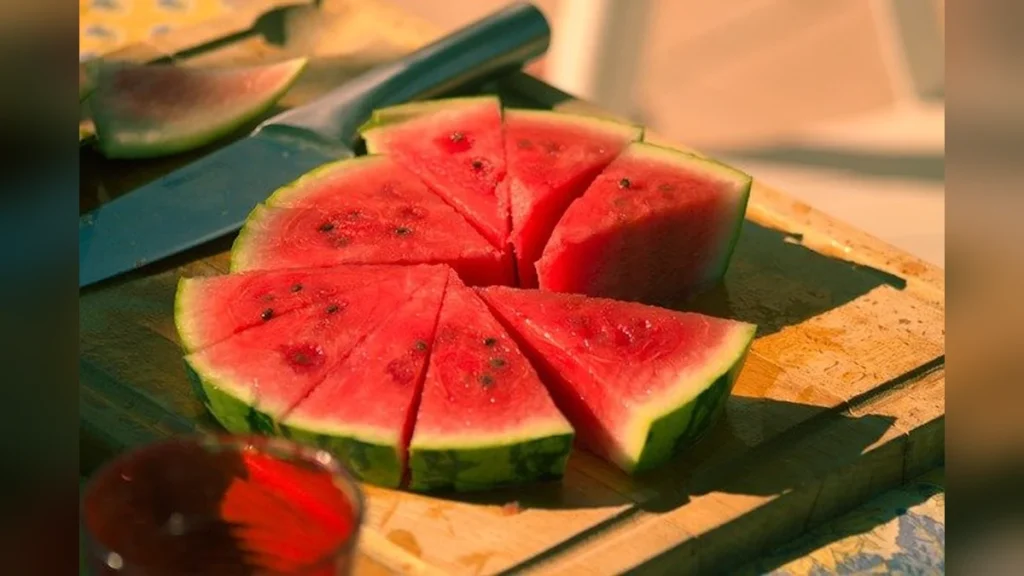
- Eat Water-Rich Foods: Include fruits and vegetables like cucumber, tomatoes, watermelon, muskmelon, oranges, and strawberries in your diet.
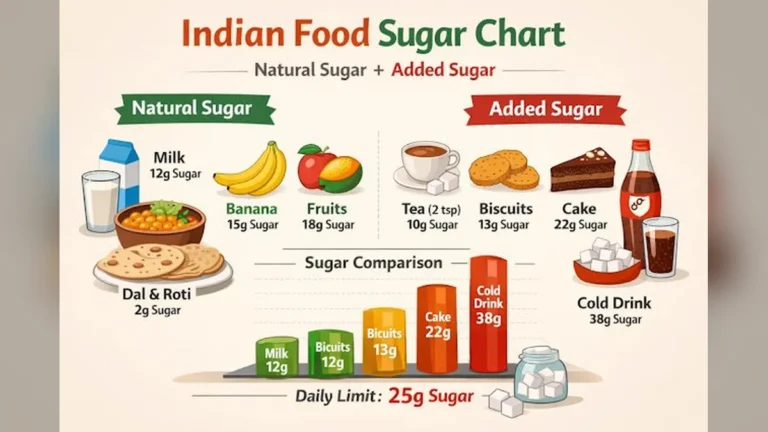
- Avoid Sugary Drinks: Steer clear of sodas, colas, and overly sweet juices, as they can contribute to dehydration.
- Monitor Urine Color: Light yellow or clear urine indicates good hydration. Dark yellow or brown can be a sign of dehydration.
- Use Reminders: Set alarms or use hydration tracker apps if you tend to forget to drink water.
Conclusion
Staying hydrated during the Indian summer is vital for your health and well-being. The charts and tips provided should help you understand your daily water needs and protect yourself from the heat. Listen to your body and adjust your water intake accordingly. Stay healthy, stay hydrated!
Frequently Asked Questions (FAQs)
1. How much water should a 70kg person drink daily in summer in India?
A 70kg person should aim for approximately 70 kg * 30-35 ml/kg = 2100-2450 ml (2.1-2.4 litres) of water daily. This can increase with physical activity and high temperatures.
2. Is it okay to drink cold water in summer?
While cold water can be refreshing, some believe it can temporarily constrict blood vessels and affect digestion. Room temperature or slightly cool water is generally recommended for optimal hydration and digestion.
3. What are the best natural drinks for hydration in Indian summers?
Excellent choices include nimbu pani (lemonade), coconut water (nariyal pani), lassi, chaas (buttermilk), and fresh fruit juices diluted with water. These also help replenish electrolytes.
4. Can I rely solely on fruits and vegetables for hydration?
Water-rich fruits and vegetables contribute significantly to your fluid intake, but they are usually not sufficient on their own, especially during intense heat or high activity. It’s best to supplement with plain water and other healthy fluids.
5. What happens if I don’t drink enough water in summer?
Insufficient water intake can lead to dehydration, characterized by symptoms like thirst, fatigue, headache, dizziness, and in severe cases, heatstroke and other serious health issues.