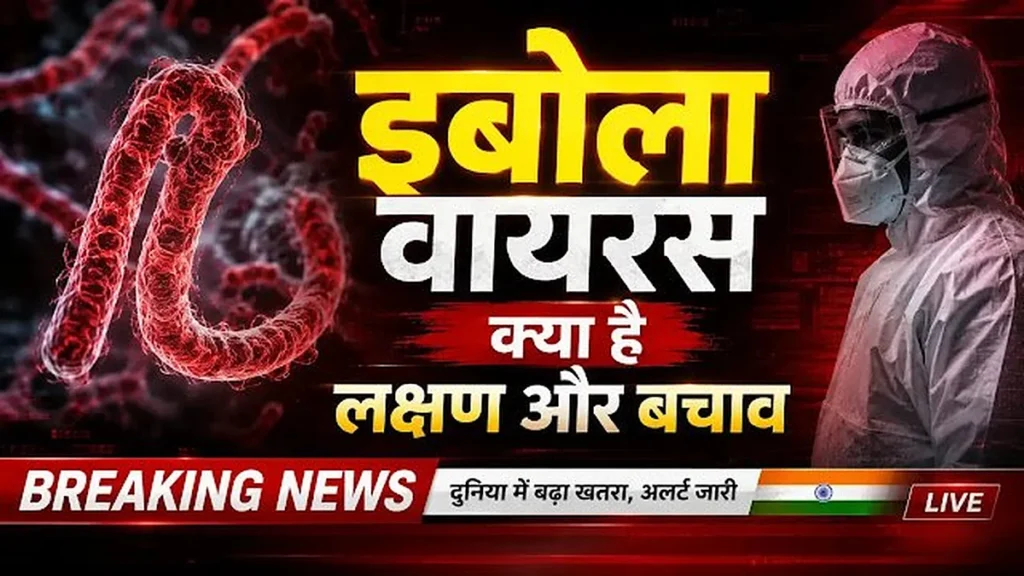
What is Ebola disease?
Ebola disease is a serious illness caused by certain viruses. Symptoms may begin 2 to 21 days after exposure and can include fever, weakness, headache, vomiting and diarrhoea. Symptoms alone cannot establish whether someone has Ebola.
How does it spread?
Infection can spread through contact with the blood or other bodily fluids of someone who is ill with Ebola or has died from it, or through contaminated objects. Follow public health guidance if you have had a possible exposure.
What if symptoms develop after a possible exposure?
Call a healthcare provider or local public health service promptly. Explain the symptoms and relevant travel or contact history before arriving so staff can advise you and take precautions. Avoid close contact and sharing items contaminated with bodily fluids while waiting for instructions.
Current risk and treatment
For current outbreak information, check WHO and local public health advisories. Early supportive care matters. Vaccines and treatments are available for some forms of Ebola disease, and their use depends on the virus and public health advice.