What is Daruharidra? Understanding Tree Turmeric
The name “Daruharidra” often sparks curiosity, leading many to wonder if it’s related to alcohol or if it can cure alcohol addiction. This confusion is widespread online, with some websites falsely claiming that Daruharidra can help overcome alcohol dependence. However, the truth is quite different. Daruharidra has no connection to alcohol; it is a powerful Ayurvedic herb whose name originates from the Sanskrit word “daru,” meaning “wood” or “medicine.” In ancient times, medicine itself was referred to as “daru.” This article aims to clarify the genuine benefits of Daruharidra, its correct usage, how it differs from common turmeric, and the truth behind the misconceptions surrounding its name.
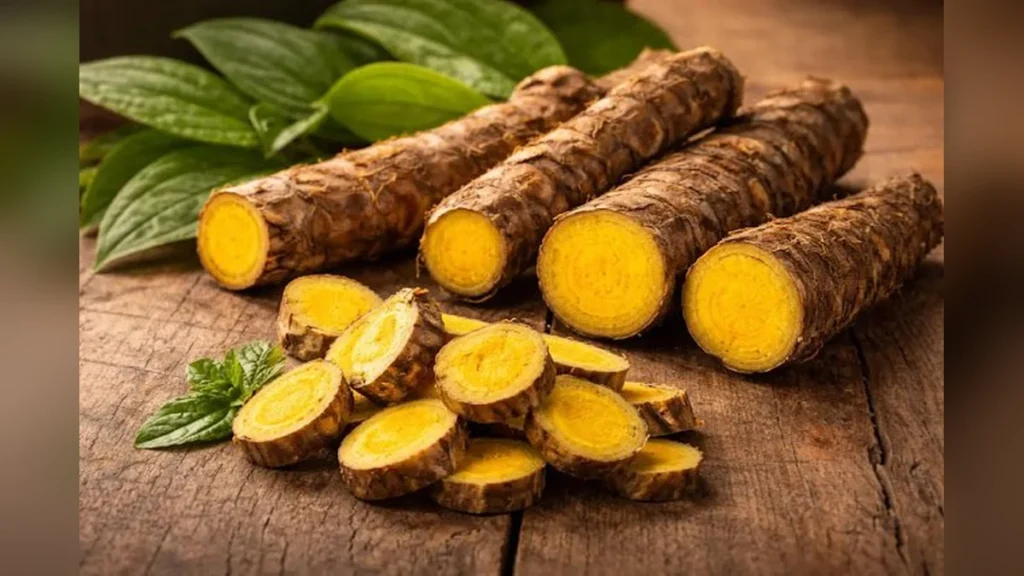
Daruharidra’s botanical name is Berberis aristata. It is a thorny shrub primarily found in the Himalayan regions of Nepal, Sri Lanka, and within India in Uttarakhand, Himachal Pradesh, and Jammu and Kashmir. Growing up to 2-3 meters in height, it features small yellow flowers. It’s called “Daruharidra” because its wood and bark, when cut, reveal a deep golden-yellow color, reminiscent of turmeric. In English, it is known as Tree Turmeric or Indian Barberry. It is crucial to understand that this is entirely different from the common turmeric (Curcuma longa) used in kitchens. The most significant chemical compound in Daruharidra is Berberine, a potent alkaloid possessing anti-bacterial, anti-inflammatory, and anti-diabetic properties. For thousands of years, Ayurveda has utilized Daruharidra to treat various ailments.
The Truth Behind the Name: “Daru” Means Medicine, Not Alcohol

The most significant misconception associated with Daruharidra stems from its name. In Sanskrit, “daru” signifies “wood” or “medicine.” Historically, all forms of medicine were called “daru.” Just as we use “pharmacy” today, in the past, a “daruwala” was a dispenser of medicine, not alcohol. Over time, language evolved, and “daru” came to mean alcohol. However, in the Ayurvedic name “Daruharidra,” “daru” still refers to “from the wood” – indicating turmeric derived from the wood (bark). It has no connection to alcohol.
Does Daruharidra Cure Alcohol Addiction? The Scientific Reality
Numerous online sources claim that consuming Daruharidra can eliminate the craving for alcohol, with some even suggesting it can be secretly administered. This information is entirely false and potentially dangerous. There is no scientific research or Ayurvedic text that proves Daruharidra can cure alcohol addiction. Alcohol addiction is a complex brain disease affecting the brain’s dopamine system. No single herb can reverse this chemical imbalance. It is vital to be wary of remedies falsely advertised for alcohol cessation. Scams by self-proclaimed healers often exploit such myths. For individuals seeking to overcome alcohol addiction, the recommended path involves medical treatment and counseling, not unverified herbal concoctions.
While Daruharidra cannot cure addiction, it can play a supportive role in liver health and aid in repairing some of the damage caused by alcohol consumption. It is essential to distinguish between treating addiction and supporting recovery.
The Genuine Benefits of Daruharidra: Harnessing the Power of Berberine
Supports Liver Detoxification and Repair
One of Daruharidra’s most significant benefits is for liver health. The Berberine it contains helps protect liver cells and aids in repairing damaged ones. In Ayurveda, a decoction of Daruharidra has been traditionally used for jaundice. Berberine is also beneficial for fatty liver conditions, with research indicating it can reduce fat accumulation in the liver. For individuals recovering from alcohol-induced fatty liver disease after quitting alcohol, Daruharidra, under medical guidance, can be a supportive supplement.
Effective in Blood Sugar Control
Multiple studies on Berberine suggest its efficacy in lowering blood sugar levels in Type 2 diabetes. It enhances insulin sensitivity and improves glucose metabolism. Some research has found Berberine’s effects comparable to diabetes medications like Metformin. Blood sugar issues are common among individuals who consume alcohol excessively. While Daruharidra can help stabilize blood sugar, individuals with diabetes should consult a doctor before use, as it may interact with their medications.
Beneficial for Skin Infections and Wound Healing
Daruharidra possesses strong anti-bacterial and anti-fungal properties, making its paste highly effective for treating skin infections, boils, acne, and wounds. Ayurveda refers to it as “vran shodhan” (wound healer). To prepare a paste, mix Daruharidra powder with water or honey and apply it to the affected area. Ayurvedic practitioners also use it for chronic skin conditions like eczema and psoriasis.
A Boon for Eyes: The Use of Rasanjana
In Ayurveda, “Rasanjana” is prepared from Daruharidra and is used for various eye ailments. This preparation involves boiling Daruharidra bark in water to create a concentrated extract. It has been used for eye infections, conjunctivitis, and improving eyesight. However, it is crucial to consult an Ayurvedic doctor before applying any preparation to the eyes, as improperly made Rasanjana can cause harm.
Improves Digestion and Gut Health
Daruharidra strengthens digestive function by combating harmful bacteria in the gut and promoting the growth of beneficial ones. A decoction of Daruharidra is beneficial for diarrhea, dysentery, and stomach infections. Berberine’s positive impact on gut health is vital for overall immunity. Incorporating Daruharidra into the diet after quitting alcohol can aid in improving digestion.
Distinguishing Between Common Turmeric and Daruharidra
Many people confuse common turmeric with Daruharidra, but they are distinct plants. Common turmeric (Curcuma longa) is a rhizome used as a spice in cooking, with Curcumin as its primary active compound. It’s used in food, topical applications for injuries, and with milk. Daruharidra (Berberis aristata) is the wood and bark of a thorny shrub, with Berberine as its main active compound. It is used medicinally, not in cooking, and has a very bitter taste, unlike the mildly pungent and earthy flavor of common turmeric. Both possess anti-inflammatory and anti-bacterial properties, but their mechanisms differ: Curcumin primarily reduces inflammation, while Berberine combats infections and helps control blood sugar.
How to Use Daruharidra: Correct Methods and Dosage
Daruharidra can be consumed in several forms. As a powder, take half to one teaspoon (2-3 grams) with lukewarm water or honey twice daily. For a decoction, boil 5-10 grams of bark in 200ml of water until reduced by half, then strain and drink. A paste for topical application can be made by mixing the powder with water or honey.
Precautions:
- Pregnant women should avoid Daruharidra.
- Individuals on diabetes medication should consult a doctor due to the risk of hypoglycemia.
- Avoid prolonged use without expert advice.
- Children should not be given Daruharidra without consulting an Ayurvedic practitioner.
Frequently Asked Questions (FAQ)
Q1: Does Daruharidra cure alcohol addiction?
No. This is a common misconception. Daruharidra has no scientifically proven connection to curing alcohol addiction. Alcohol addiction is a brain disease that requires medical treatment.
Q2: Where can I find Daruharidra?
Daruharidra is available at Ayurvedic medicine stores in powder, capsule, or decoction form. You can also purchase it online from trusted Ayurvedic brands. Reputable brands like Patanjali, Baidyanath, and Dabur offer products containing Daruharidra.
Q3: Can I use Daruharidra instead of common turmeric?
No. They are different plants with distinct uses. Common turmeric is for culinary purposes, while Daruharidra is a medicinal herb taken in limited quantities. Daruharidra is very bitter and not suitable for daily cooking.
Q4: What are the side effects of Daruharidra?
Excessive consumption can lead to stomach upset, diarrhea, or vomiting. It may pose a risk of miscarriage in pregnant women. When taken with diabetes medication, it can cause dangerously low blood sugar. Always use the correct dosage and consult a healthcare professional.
Q5: What is the difference between Berberine supplements and Daruharidra?
Berberine supplements contain isolated Berberine compounds. Daruharidra contains Berberine along with other beneficial compounds that work synergistically. Ayurveda often prioritizes the use of the whole herb.
Q6: Can Daruharidra cure liver damage?
Daruharidra supports and protects the liver. It can be helpful for fatty liver and mild liver damage. However, for severe conditions like cirrhosis, medical treatment is essential, and herbs alone are insufficient.
Expert Advice
Daruharidra is undoubtedly a valuable Ayurvedic herb. It’s crucial to dispel the confusion surrounding its name. If someone claims “Daruharidra will cure your alcohol addiction,” be skeptical, as they may be misinformed or attempting to deceive. Seek professional medical help for alcohol addiction. For concerns related to liver health, skin conditions, or diabetes, consult a qualified Ayurvedic practitioner for appropriate guidance on using Daruharidra.