Understanding Alcohol’s Impact on Your Body
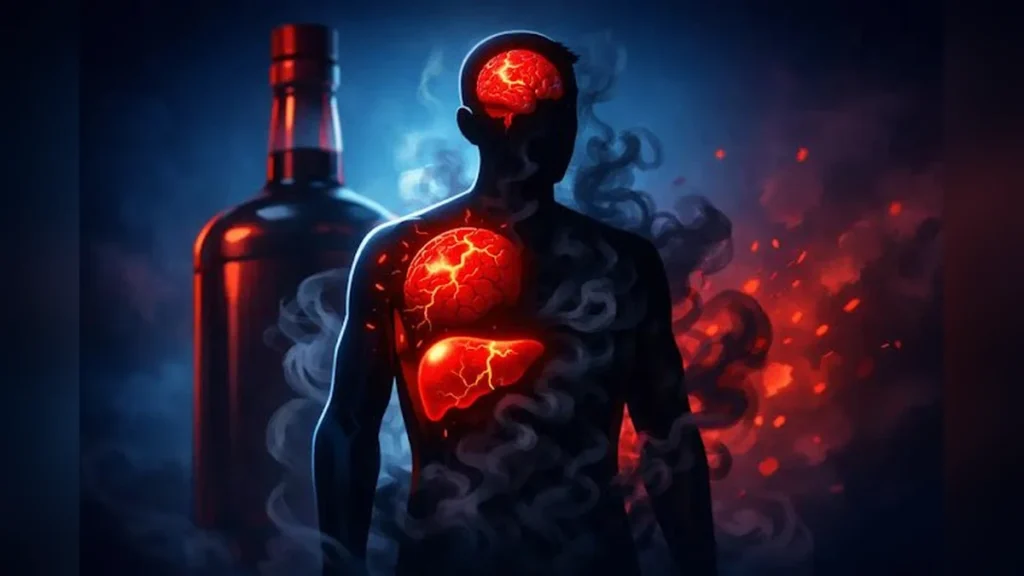
Waking up at 4 AM with a racing heart, a drenched bed, and hands that tremble uncontrollably is a harsh reality for many. The urge to reach for a drink to quell the rising panic is strong, but this cycle of dependency has devastating consequences. While we often associate alcohol’s harm with long-term issues like liver cirrhosis or cancer, its effects on the nervous system and brain can be immediate and profound. This article delves into the ‘body horror’ that alcohol can inflict, affecting nearly every organ and system, not just in the long run, but from the very first drink.
1. The Brain and Nervous System: From Euphoria to Enslavement 🧠
Alcohol’s primary target is your brain. It initially interferes with neurotransmitters, creating a false sense of pleasure and relaxation. However, this is short-lived and leads to significant disruption.
Immediate Effects:
- Impaired judgment and decision-making
- Loss of coordination and balance
- Slurred speech
- Memory lapses
These effects are due to imbalances in neurotransmitters like GABA and dopamine. When alcohol levels drop, the brain struggles to readjust, leading to withdrawal symptoms.
Withdrawal Symptoms:
- Shaky hands (tremors)
- Intense anxiety and panic attacks
- Insomnia
- Hallucinations
- In severe cases, seizures and Delirium Tremens (DTs), a life-threatening condition.
Long-Term Effects:
Chronic alcohol consumption can cause irreversible damage to brain cells, leading to persistent memory problems, reduced cognitive function, difficulty learning, and even brain shrinkage.
2. The Liver: The Body’s Overwhelmed Filter 🩸
The liver is responsible for processing alcohol, but it bears the brunt of the toxic effects.
Alcoholic Fatty Liver Disease:
The initial stage where fat accumulates in the liver, causing it to swell. It’s often asymptomatic and reversible if alcohol consumption stops.
Alcoholic Hepatitis:
A severe inflammation of the liver, potentially causing jaundice, abdominal pain, and fever. This can be life-threatening.
Liver Cirrhosis:
The most severe stage, where healthy liver tissue is replaced by scar tissue, leading to permanent liver damage and failure. There is no cure for cirrhosis.
3. Heart and Circulatory System: A Strained Heart ❤️
Alcohol weakens the heart muscle and affects blood circulation.
Alcoholic Cardiomyopathy:
Weakening of the heart muscle, impairing its ability to pump blood effectively. Symptoms include fatigue, shortness of breath, and swelling.
High Blood Pressure:
Alcohol consumption can elevate blood pressure, increasing the risk of heart disease and stroke.
Arrhythmias:
Irregular heartbeats can be triggered or worsened by alcohol intake.
4. The Digestive System: Internal Damage 🔥
The digestive tract is directly exposed to alcohol, leading to significant harm.
Esophagus and Stomach:
Alcohol irritates the lining, increasing the risk of acid reflux, gastritis, and ulcers.
Pancreatitis:
Inflammation of the pancreas, causing severe abdominal pain, vomiting, and digestive issues. This can be fatal.
Nutrient Malabsorption:
Alcohol interferes with the body’s ability to absorb essential vitamins and minerals, particularly B vitamins, leading to malnutrition.
5. The Immune System: Increased Vulnerability 🛡️
Alcohol weakens the immune system, making the body more susceptible to infections.
- Increased risk of pneumonia, tuberculosis, and other viral infections.
6. Bones, Muscles, and Skin: External and Internal Toll 🦴💪
Bones:
Alcohol can reduce bone density, increasing the risk of osteoporosis and fractures.
Muscles:
Chronic alcohol use can lead to muscle weakness and pain.
Skin:
Alcohol dehydrates the body, making skin dry, dull, and prematurely aged. It can also contribute to facial redness (rosacea).
7. Mental Health: Deepening Darkness 🌑
Alcohol often exacerbates existing mental health conditions or triggers new ones.
- Depression and Anxiety: While alcohol may offer temporary relief, it ultimately worsens these conditions.
- Mood Swings: Unpredictable mood changes are common and strain relationships.
- Increased Suicide Risk: Alcohol consumption significantly elevates the risk of suicidal thoughts and attempts.
Conclusion: Alcohol’s Effects – An Invisible Adversary
The impact of alcohol on the body is far-reaching, acting as an invisible enemy that erodes your brain, heart, digestive system, immune function, and mental well-being. The tremors, panic attacks, insomnia, and internal pain experienced by those dependent on alcohol are part of a daily struggle. It’s crucial to recognize that alcohol addiction is a disease, and recovery is possible. Seeking help is a sign of strength, not weakness. If you or someone you know is caught in this cycle, reaching out to a doctor, counselor, or a trusted friend is the first step towards healing. You are not alone, and recovery is achievable.
Frequently Asked Questions
What are the immediate effects of alcohol on the body?
Immediately after drinking, alcohol can impair judgment, coordination, speech, and memory. It also affects mood and can lead to a false sense of relaxation.
Can alcohol cause panic attacks?
Yes, alcohol withdrawal is a common cause of panic attacks. Even during consumption, alcohol can disrupt neurotransmitters, leading to anxiety and panic, especially as the effects wear off.
How does alcohol affect the nervous system?
Alcohol disrupts neurotransmitter function, initially causing euphoria but leading to impaired nerve signaling. Chronic use can cause permanent nerve damage, affecting cognitive functions, coordination, and sensation.
What are the signs of liver damage from alcohol?
Early signs can be subtle or absent, but as damage progresses, symptoms may include fatigue, abdominal pain, jaundice (yellowing of skin and eyes), swelling in the legs and abdomen, and confusion.
Is it possible to recover from alcohol addiction?
Yes, recovery from alcohol addiction is absolutely possible. It often involves professional help, such as therapy, support groups, and sometimes medical treatment for withdrawal symptoms and underlying health issues. The first step is acknowledging the problem and seeking help.