What is National Pollution Control Day?
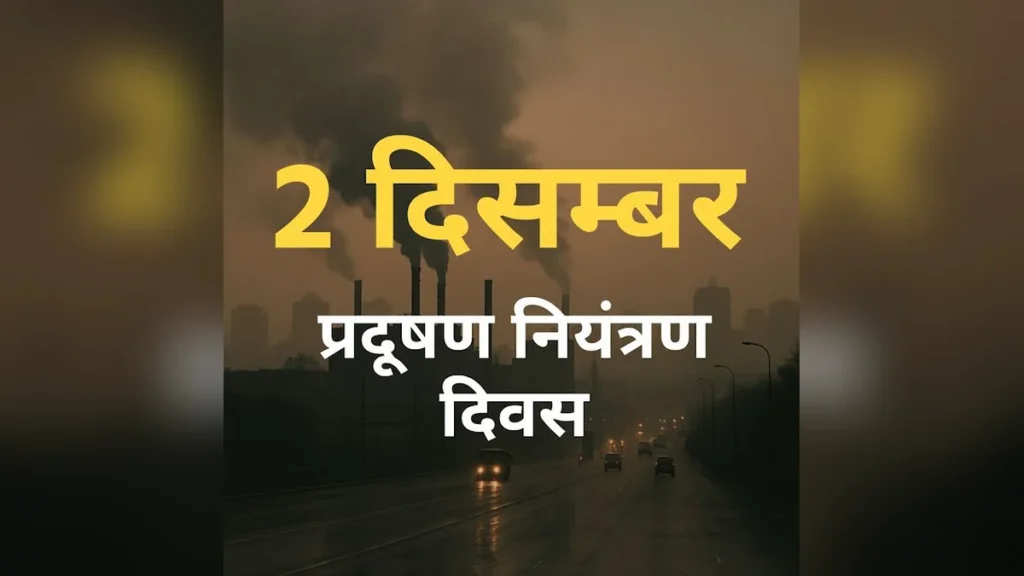
National Pollution Control Day is observed every year on December 2nd. This day is dedicated to remembering the tragic Bhopal gas tragedy of 1984 and aims to raise public awareness about air, water, and noise pollution. It encourages people to take active steps towards controlling pollution and protecting the environment.
Why is Pollution Control So Important?
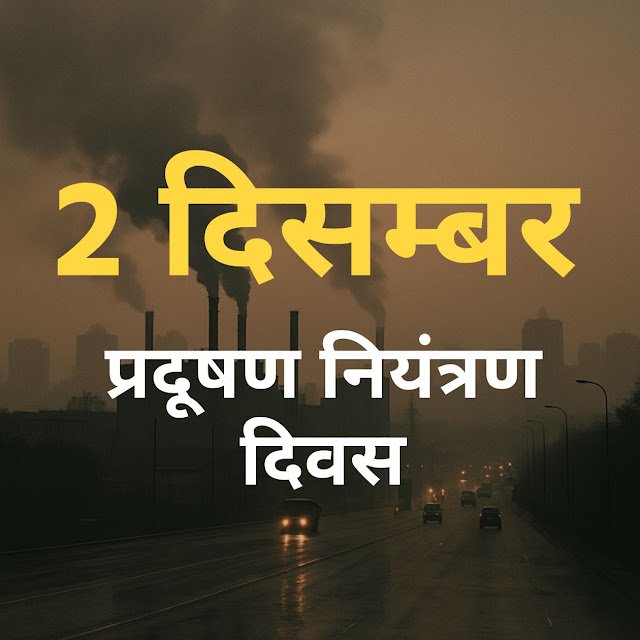
In today’s world, rapid industrialization, increasing vehicular traffic, and inadequate waste management systems are leading to alarming levels of pollution. This not only harms the environment but also poses significant threats to public health and economic stability. Controlling pollution is essential for a sustainable future, ensuring cleaner air to breathe, safer water to drink, and a healthier planet for all living beings.
Understanding the Causes of Pollution
Pollution stems from various sources, broadly categorized as:
- Air Pollution: Primarily caused by the emission of harmful gases from industries, vehicles, and burning fossil fuels. Dust and particulate matter also contribute significantly.
- Water Pollution: Occurs when industrial waste, sewage, agricultural runoff (pesticides and fertilizers), and plastic waste contaminate rivers, lakes, and oceans.
- Noise Pollution: Generated by loud sounds from traffic, construction sites, industrial machinery, and loud music, which can have detrimental effects on human health and wildlife.
- Land Pollution: Caused by improper disposal of solid waste, including plastics, electronic waste, and hazardous materials, leading to soil degradation.
Practical Steps for Pollution Control
Controlling pollution requires a collective effort from individuals, communities, and industries. Here are some practical steps:
Individual Actions:
- Choose Sustainable Fuels: Opt for cleaner fuels and energy alternatives in your homes and businesses to reduce smoke and emissions.
- Improve Transportation Habits: Utilize public transport, carpool, cycle, or walk whenever possible to reduce vehicular emissions.
- Effective Waste Management: Practice waste segregation at home (wet and dry waste), reduce, reuse, and recycle. Choose products with minimal packaging.
- Conserve Water and Energy: Reduce your consumption of water and electricity, as their production often contributes to pollution.
- Plant Trees: Participate in local tree-planting drives and help protect existing green spaces.
Community and Industrial Actions:
- Promote Green Spaces: Advocate for and maintain parks and green belts in urban areas.
- Enforce Industrial Standards: Ensure industries adhere to strict pollution control norms and invest in cleaner technologies.
- Public Awareness Campaigns: Organize and participate in campaigns to educate the public about pollution and its consequences.
- Improve Waste Disposal Systems: Support and implement efficient municipal waste management and recycling programs.
Frequently Asked Questions (FAQs)
Q1: When was National Pollution Control Day established and why?
National Pollution Control Day was established to commemorate the Bhopal gas tragedy, which occurred on the night of December 2-3, 1984. It serves as a reminder of the catastrophic consequences of industrial accidents and the importance of industrial safety and pollution control measures.
Q2: What is the most effective step an individual can take to control pollution?
While many actions contribute, consistently segregating household waste for proper disposal and recycling, and regularly using public transport or carpooling have a direct and significant impact on reducing pollution at the source.
Q3: How does pollution affect public health?
Pollution can lead to a wide range of health problems, including respiratory diseases (like asthma and bronchitis), cardiovascular issues, skin allergies, and in severe cases, can be carcinogenic. Air pollution is a major contributor to premature deaths globally.
Q4: What role do trees play in pollution control?
Trees play a vital role by absorbing carbon dioxide (a greenhouse gas) and releasing oxygen. They also help filter pollutants from the air, reduce noise levels, prevent soil erosion, and provide habitats for wildlife, contributing to a healthier ecosystem.
Conclusion
National Pollution Control Day is more than just a date on the calendar; it’s a call to action. By understanding the causes and impacts of pollution, and by adopting simple, practical measures in our daily lives, we can all contribute to a cleaner, healthier environment for ourselves and future generations. Let’s commit to making conscious choices that protect our planet.