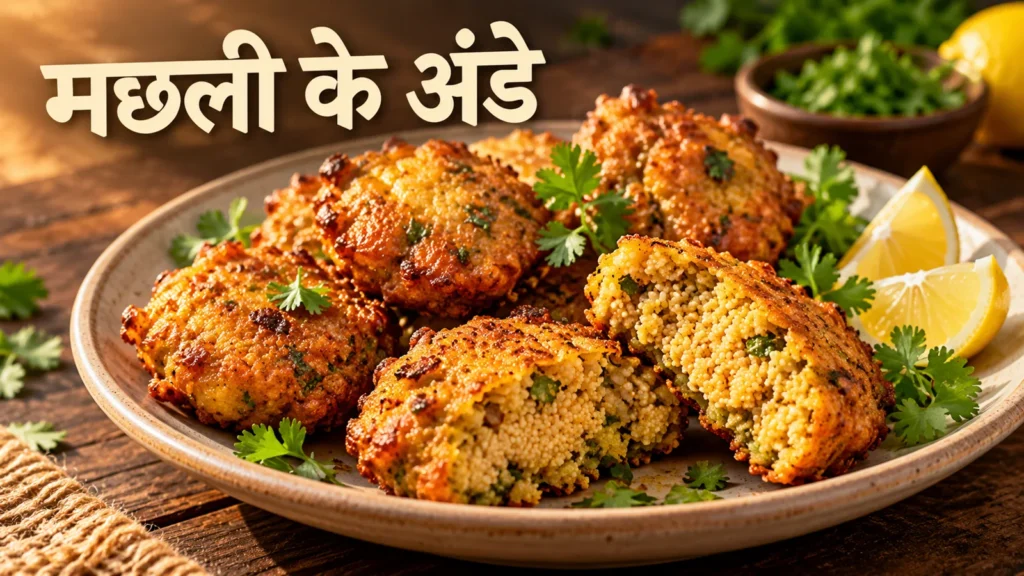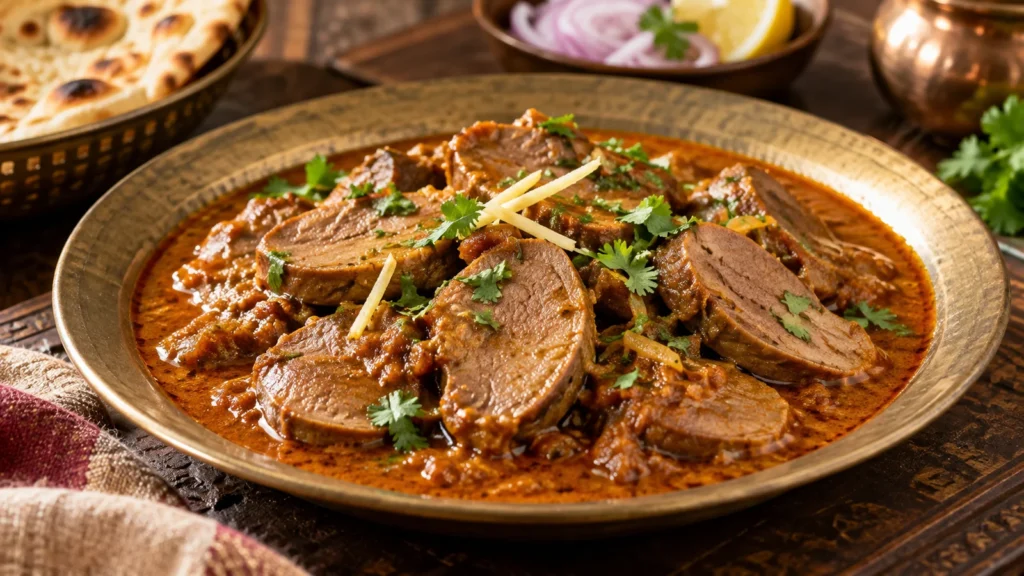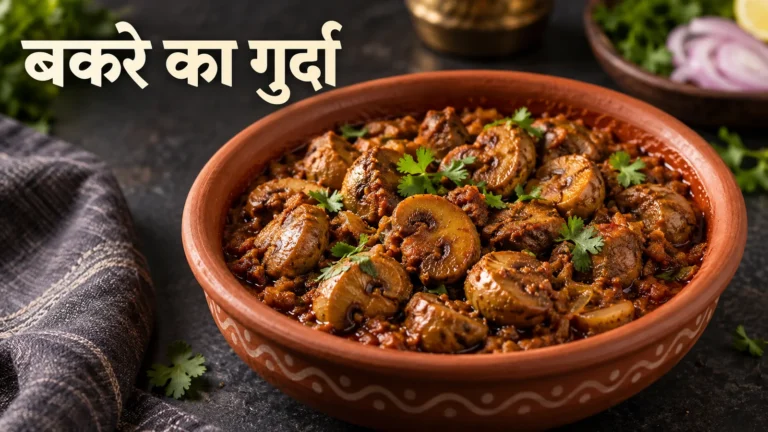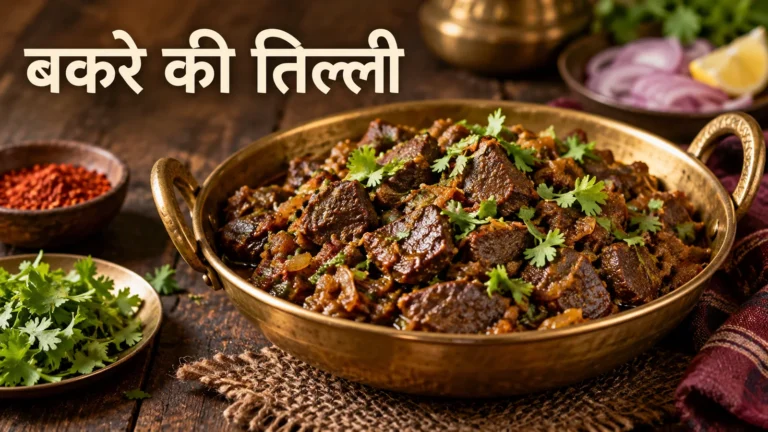
Understanding Your Meat Choices: Fish, Chicken, or Goat?
When it comes to non-vegetarian diets, fish, chicken, and goat meat are often the top choices for protein and energy. Each offers distinct nutritional advantages, but which one truly stands out for your health? Historically, these meats have been considered sources of strength. In today’s health-conscious world, understanding their specific benefits is key to aligning your diet with your wellness objectives. This article delves into the nutritional profiles, health advantages, and important considerations for fish, chicken, and goat meat, helping you select the best option for your needs.
Fish: A Treasure Trove of Nutrients
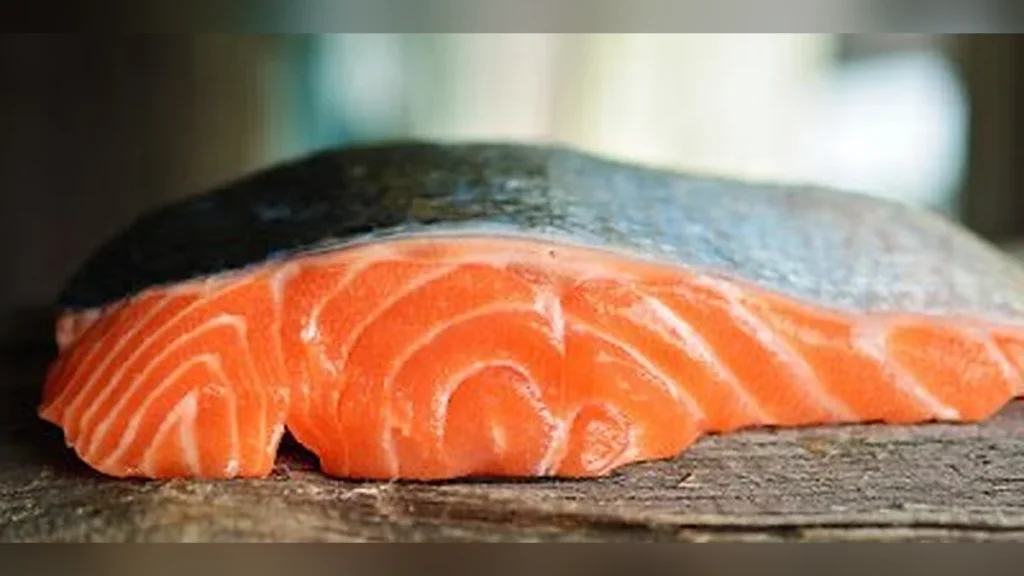
Often categorized as ‘white meat’, fish is widely regarded as one of the healthiest animal protein sources. Oily fish varieties like salmon, mackerel, sardines, and tuna are particularly noted for their exceptional nutritional value.
Omega-3 Fatty Acids and Heart Health
Fish is an excellent source of Omega-3 fatty acids, specifically EPA (eicosapentaenoic acid) and DHA (docosahexaenoic acid). These are crucial for cardiovascular health, helping to lower bad cholesterol (LDL) and raise good cholesterol (HDL), thereby reducing the risk of heart disease and stroke. Omega-3s also play a role in reducing inflammation and managing blood pressure.
Brain and Eye Benefits
The Omega-3s found in fish are vital for brain development and function, enhancing memory, concentration, and learning capabilities. For pregnant women, fish consumption is highly beneficial for the developing brain and eyes of the foetus. It may also help lower the risk of age-related eye conditions like macular degeneration.
Protein and Vitamin D
Fish is a high-quality protein source, essential for muscle building and repair. It’s also a good natural source of Vitamin D, which is important for bone health, immune function, and mood regulation.
Digestibility and Lightness
Compared to chicken or goat meat, fish is generally lighter and easier to digest, making it a suitable choice for individuals with sensitive digestive systems.
Chicken: The Lean Protein Powerhouse
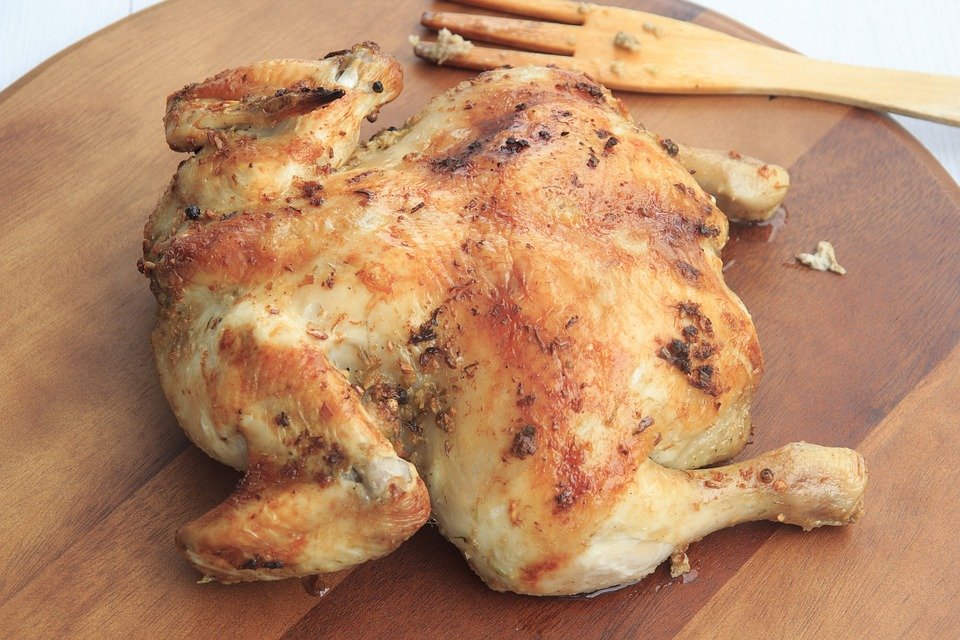
Chicken is a globally popular meat for good reason: it’s versatile, readily available, and packed with nutrients.
High-Quality Protein
Chicken, especially the breast, is a prime source of lean protein, offering a high protein-to-fat ratio. It provides all the essential amino acids necessary for muscle development, weight management, and bodily repair.
Vitamins and Minerals
Chicken is a good source of B vitamins (B6 and B12), vital for energy production and nervous system health. It also contains minerals like selenium, niacin, and phosphorus, which support the immune system, metabolism, and bone health.
Weight Management and Muscle Building
With its high protein and low-fat content, chicken is ideal for those aiming to lose or maintain weight. It promotes satiety and aids in muscle building.
Ease of Preparation and Versatility
Chicken can be prepared in numerous ways – baked, grilled, roasted, boiled, or curried – making it a convenient staple for daily meals.
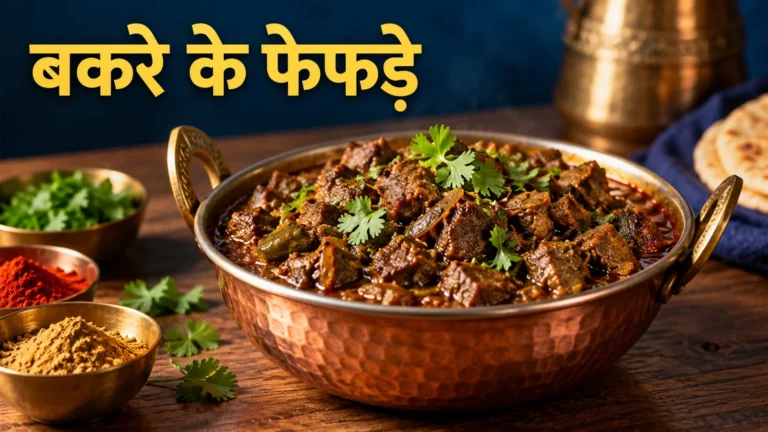
Goat Meat: A Symbol of Traditional Strength
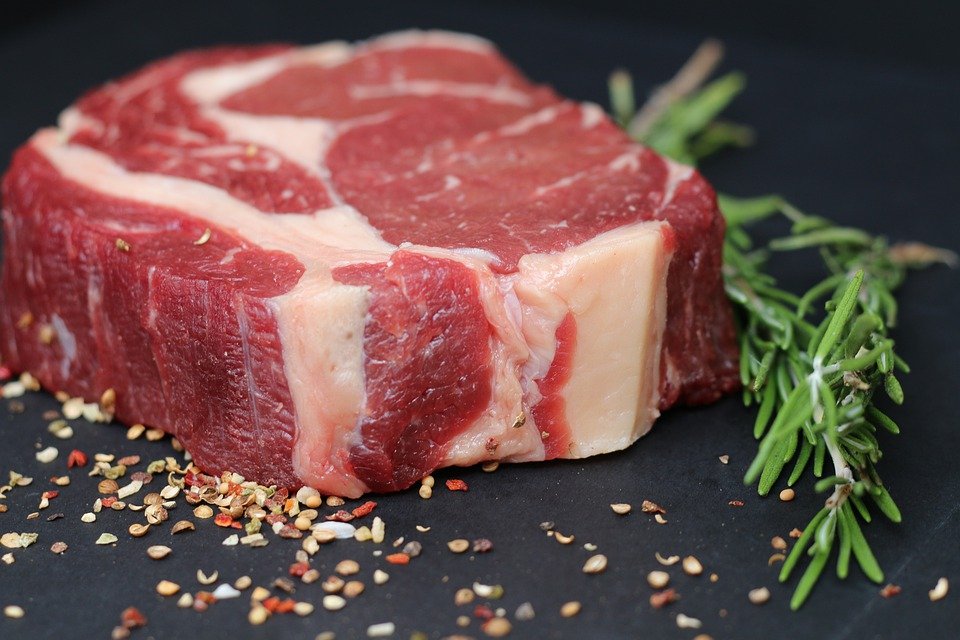
Goat meat, often classified as ‘red meat’, is a traditional and favoured food in many parts of the Indian subcontinent and the Middle East. It’s known for its rich flavour and nutritional density.
Iron and Energy
Goat meat is an excellent source of iron, particularly heme iron, which the body absorbs easily. This helps prevent anaemia (iron deficiency) and maintain energy levels.
Protein and Amino Acids
Like chicken, goat meat is rich in high-quality protein, essential for muscle growth and overall body repair. It contains a variety of essential amino acids crucial for proper bodily functions.
Zinc and Immunity
Goat meat is a good source of zinc, important for a strong immune system, wound healing, and cell growth. It also helps maintain testosterone levels.
Nutritional Density and Traditional Significance
Compared to some other red meats, goat meat can be lower in fat and cholesterol, especially if lean cuts are chosen. Traditionally consumed during festivals and special occasions, it’s often associated with boosting strength and stamina.
Choosing the Best for Your Needs
Now that we’ve explored the individual benefits, the best choice for you depends on your personal needs, health goals, and dietary preferences.
- For Heart Health and Brain Function: If you prioritize cardiovascular health, brain function, and Omega-3 fatty acids, fish (especially oily varieties) is your top pick.
- For Lean Protein and Weight Management: If your goal is to consume lean protein, build muscle, and manage weight, chicken is an excellent, versatile option.
- For Iron and Energy: If you are dealing with iron deficiency, anaemia, or seeking an energy-boosting food, goat meat can be very beneficial. It’s also good for those needing more nutrient-dense food.
It’s important to remember that the nutritional profile of these meats can vary based on their source, diet, and cooking method. Grilling, baking, or boiling are always healthier alternatives to frying.
Expert Advice for a Balanced Diet
Ultimately, fish, chicken, and goat meat all have their place as nutritious options. The ‘best’ choice isn’t about one meat being superior, but about balance and meeting your body’s specific requirements. If you need Omega-3s, opt for fish. For lean protein and gym-goers, chicken is great. If you’re addressing iron deficiency, goat meat is a good choice. How you prepare them is crucial – baking, grilling, steaming, or making soups are healthier than deep-frying with excessive oil and spices. Variety is key; don’t rely on just one type. Incorporate all in moderation and listen to your body. Consulting a doctor or nutritionist is always advisable, especially if you have underlying health conditions.
Conclusion
In summary, fish, chicken, and goat meat are all nutritious and provide strength to the body. Fish is a powerhouse of Omega-3 fatty acids and Vitamin D, excellent for heart and brain health. Chicken is a great source of lean protein and B vitamins, ideal for muscle building and weight management. Goat meat is rich in iron and zinc, important for energy and the immune system. The ‘best’ option for you will hinge on your individual health needs and dietary goals. The most important takeaway is to maintain variety in your diet, cook these meats using healthy methods, and incorporate them as part of a balanced meal. Remember, for a healthy lifestyle, fruits, vegetables, grains, and legumes are just as vital as meat.
Frequently Asked Questions
Is goat meat healthier than chicken?
Goat meat can be leaner than some cuts of chicken and is richer in iron. However, chicken breast is a very lean source of protein. The healthiness depends on the cut and preparation method for both.
Which meat is best for weight loss: fish, chicken, or goat?
Lean cuts of chicken and fish are generally considered best for weight loss due to their lower fat content and high protein, which promotes satiety. Goat meat can also be part of a weight loss diet if lean cuts are chosen and prepared healthily.
Are there any side effects of eating too much goat meat?
Eating excessive amounts of any red meat, including goat meat, can be associated with higher cholesterol and fat intake, potentially increasing the risk of heart disease if not balanced with a healthy diet and lifestyle. Moderation is key.
Which meat provides the most protein?
Chicken breast typically offers the highest amount of protein per serving among these three options, closely followed by fish and then goat meat, depending on the specific cut.
Can I eat fish, chicken, and goat meat every day?
While these meats offer nutritional benefits, a balanced diet includes variety. Eating only one type of meat daily might lead to an imbalance of nutrients. It’s advisable to rotate your protein sources and include plant-based proteins, fruits, vegetables, and whole grains.