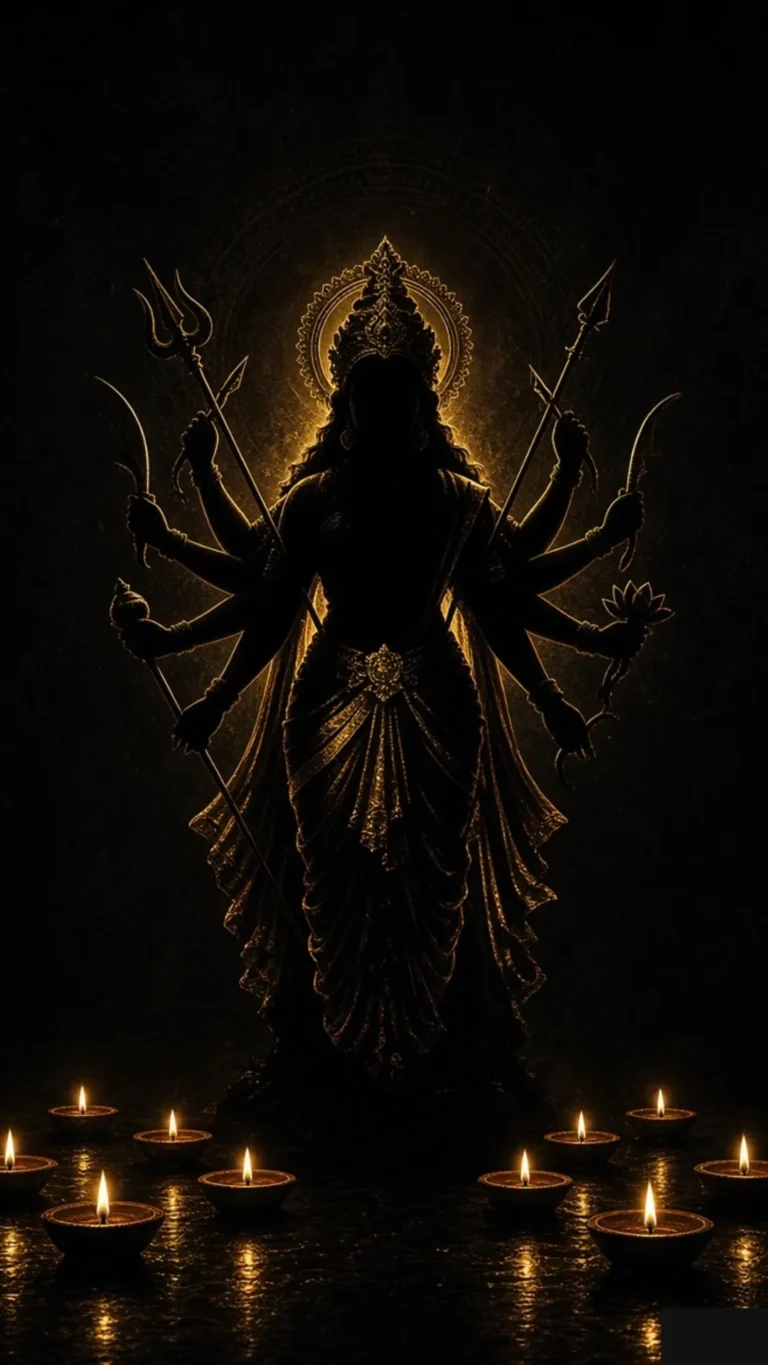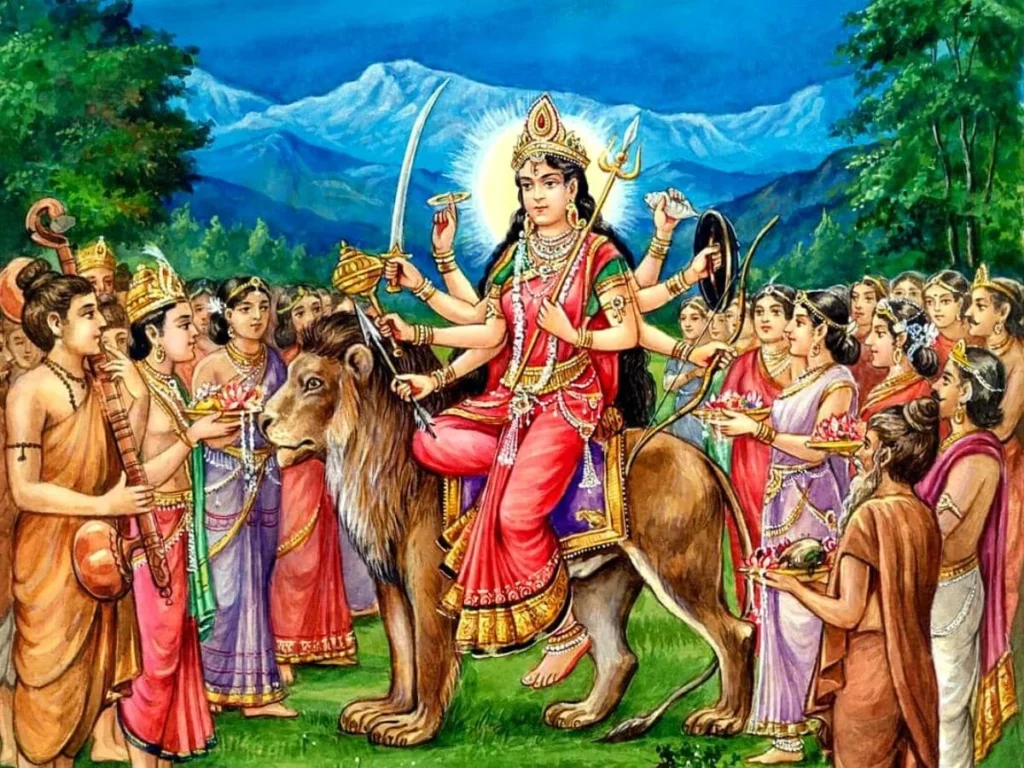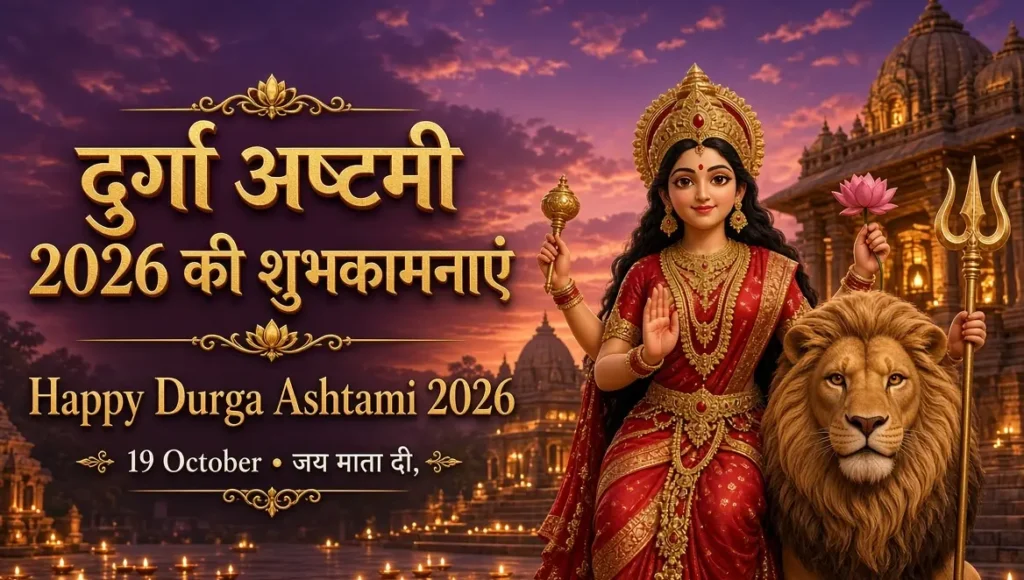
In Sanatana Dharma, the Divine Mother is worshiped as Adi Shakti—the primordial cosmic energy responsible for the creation, preservation, and dissolution of the universe. When worldly burdens weigh heavy and challenges appear insurmountable, seekers and householders alike seek refuge in Maa Durga. Among the most beloved and potent devotional hymns dedicated to the Goddess is the Sri Durga Chalisa. Chanting these sacred verses fills the practitioner’s home with positive vibrations, calms an agitated mind, and kindles an unwavering flame of courage within the soul.
Whether you are preparing for the sacred nine nights of Navratri or wishing to establish a daily spiritual discipline, having authentic access to the durga chalisa lyrics allows you to sing Her glories with clarity and devotion. In this comprehensive guide, you will find the complete text of the stotra in original Devanagari Hindi, along with its spiritual context, ideal recitation method (vidhi), and profound life blessings.
What is the Sri Durga Chalisa?
The word Chalisa is derived from the Hindi word chalis, meaning forty. The Durga Chalisa is a forty-verse poetic prayer composed in rhythmic Awadhi/Hindi that praises the infinite attributes, manifestations, and heroic deeds of Goddess Durga. Framed by opening and concluding couplets (dohas), the main body consists of forty chaupais (quatrains) that chronicle how the Mother protects the righteous and vanquishes demonic forces.
Unlike complex Vedic rituals that require formal initiation and strict adherence to classical Sanskrit meters, the Chalisa was composed so that every devotee—regardless of caste, background, or linguistic training—could approach the Divine Mother with sincere love and shraddha. In every verse, the poet reminds us that the supreme motherly force is not distant or unapproachable; She is immediately present wherever Her name is remembered with a pure heart.
Spiritual Preparation and Recitation Method (Vidhi)
While Maa Durga values pure devotion above rigid ritualism, performing the path with mindfulness and sanctity creates an auspicious atmosphere that deepens one’s spiritual experience. Here is a traditional, heart-centered method to chant the Chalisa:
- Purity and Timing: The most auspicious periods for chanting are during the quiet hours of Brahma Muhurta (early morning before sunrise) or Sandhya Kaal (dusk). Take a bath and wear fresh, clean clothing. Red and yellow colors are considered especially dear to the Goddess.
- Sacred Altar: Sit facing East or North on a clean wool or cotton mat (asana). Place an image or murti of Maa Durga on a raised platform covered with a clean red cloth.
- Lighting the Lamp: Light an oil or pure cow ghee deepam, and burn fragrant dhoop or incense. The flame represents the dispelling of inner ignorance by divine light.
- Offerings: Offer fresh red flowers (such as hibiscus or rose), unbroken rice grains (akshat), a pinch of sindoor or kumkum, and fresh water. You may also offer simple naivedya such as fruits, batasha, or sweets.
- Invocation (Sankalpa): Close your eyes for a moment, steady your breathing, and offer salutations to Lord Ganesha to remove obstacles. Calmly state your inner intent or simply surrender your worries at the Mother’s lotus feet.
- Focused Chanting: Recite the hymn slowly with reverence, articulating each syllable clearly. Let your attention rest on the motherly presence of the Goddess.
Full Durga Chalisa Lyrics in Hindi (Complete Path)
Recite the sacred hymn below with complete devotion, faith, and concentration:
श्री दुर्गा चालीसा के बोल (सम्पूर्ण लिरिक्स हिंदी में)
यहाँ श्री दुर्गा चालीसा के सम्पूर्ण बोल दिए गए हैं, जिनका पाठ कर आप माँ दुर्गा की असीम कृपा प्राप्त कर सकते हैं:
॥ दोहा ॥
नमो नमो दुर्गे सुख करनी । नमो नमो दुर्गे दुःख हरनी ॥
निरंकार है ज्योति तुम्हारी । तिहूँ लोक फैली उजियारी ॥
॥ चौपाई ॥
१. शशि ललाट मुख महाविशाला । नेत्र लाल भृकुटि विकराला ॥
२. रूप मातु को अधिक सुहावे । दरश करत जन अति सुख पावे ॥
३. तुम संसार शक्ति लै कीना । पालन हेतु अन्न धन दीना ॥
४. अन्नपूर्णा हुई जग पाला । तुम ही आदि सुन्दरी बाला ॥
५. प्रलयकाल सब नाशन हारी । तुम गौरी शिव शंकर प्यारी ॥
६. शिव योगी तुम्हरे गुण गावें । ब्रह्मा विष्णु तुम्हें नित ध्यावें ॥
७. रूप सरस्वती को तुम धारा । दे सुबुद्धि ऋषि मुनिन्ह उबारा ॥
८. धरयो रूप नरसिंह को अम्बा । प्रगट भई फाड़कर खम्बा ॥
९. रक्षा करि प्रहलाद बचायो । हिरण्याकुश को स्वर्ग पठायो ॥
१०. लक्ष्मी रूप धरो जग माहीं । श्री नारायण अंग समाहीं ॥
११. क्षीरसिन्धु में करत विलासा । दयासिन्धु दीजै मन आसा ॥
१२. हिंगलाज में तुम्हीं भवानी । महिमा अमित न जात बखानी ॥
१३. मातंगी धूमावति माता । भुवनेश्वरी बगला सुखदाता ॥
१४. श्री भैरव तारा जग तारिणी । छिन्न भाल भव दुःख निवारिणी ॥
१५. केहरि वाहन सोह भवानी । लांगुर वीर चलत अगवानी ॥
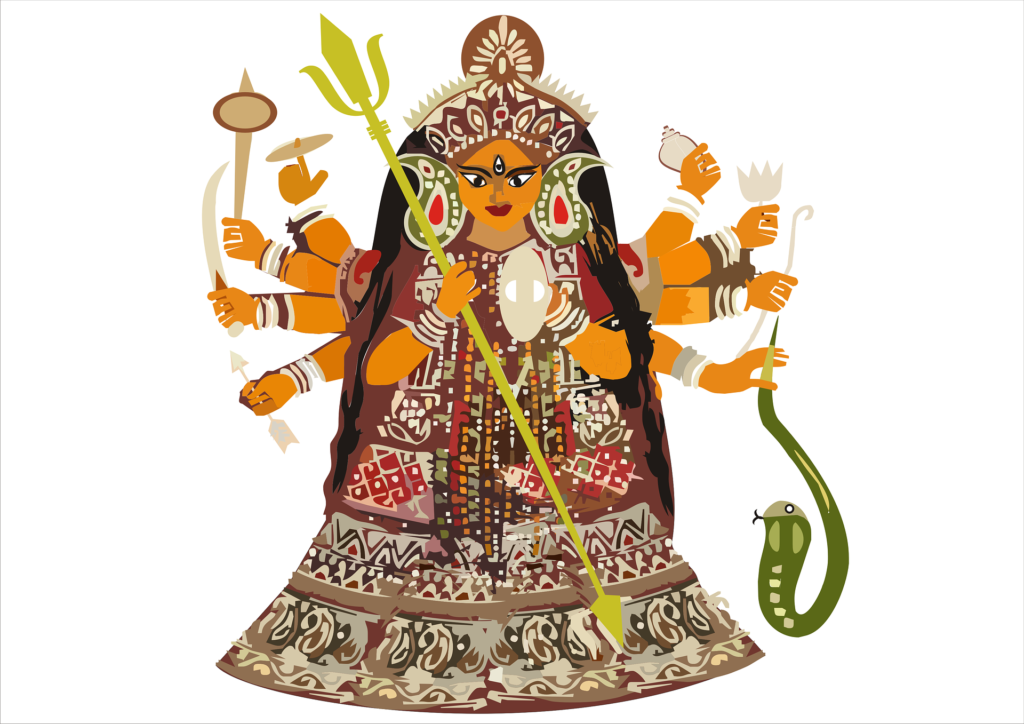
१६. कर में खप्पर खड्ग विराजै । जाको देख काल डर भाजै ॥
१७. सोहे अस्त्र और त्रिशूला । जाते उठत शत्रु हिय शूला ॥
१८. नगरकोट में तुम्हीं विराजत । तिहुँ लोक में डंका बाजत ॥
१९. शुम्भ निशुम्भ दानव तुम मारे । रक्तबीज शंखन संहारे ॥
२०. महिषासुर नृप अति अभिमानी । जेहि मधुरिपु दीन दयानी ॥
२१. चण्ड मुण्ड सब तुम ही संहारे । देवन के भय तुम ही निबारे ॥
२२. हर प्रकार के संकट हरनी । सिद्धि अष्ट सिद्धि नव निधि देनी ॥
२३. सुख संपत्ति सब तुम ही देवा । कष्ट हरौ जन की करि सेवा ॥
२४. चरण शरण जब तुम जन आवै । तब दुःख दरिद्र निकट न आवै ॥
२५. शक्तिहीन बलहीन जो प्राणी । आस तुम्हारी तिन हीं बानी ॥
२६. स्तुति करहिं सब सुर नर नारी । कृपा करहु जननी अब हमारी ॥
२७. प्रेम भक्ति से जो जस गावै । दुःख दरिद्र निकट न आवै ॥
२८. ध्यावे तुम्हें जो नर मन लाई । जन्म मरण ताको छुट जाई ॥
२९. जोगी सुर मुनि कहत पुकारी । योग न हो बिन शक्ति तुम्हारी ॥
३०. शंकर आचारज तप कीनो । काम क्रोध जीति सब लीनो ॥
३१. निशिदिन ध्यान धरो शंकर को । काहु काल नहिं सुमिरो तुमको ॥
३२. शक्ति रूप का मरम न पायो । शक्ति गई तब मन पछतायो ॥
३३. शरणागत हुई कीर्ति बखानी । जय जय जय जगदम्ब भवानी ॥
३४. भई प्रसन्न आदि जगदम्बा । दई शक्ति नहिं कीन विलम्बा ॥
३५. मोको मातु कष्ट अति घेरो । तुम बिन कौन हरै दुःख मेरो ॥
३६. आशा तृष्णा निपट सतावे । मोह मद मत्सर सब डरावे ॥
३७. शत्रु नाश करो महारानी । सुमिरौ इकचित्त तुम्हें भवानी ॥
३८. करो कृपा हे मातु दयाला । ऋद्धि सिद्धि दै करहु निहाला ॥
३९. जब लग जिऊँ दया फल पाऊँ । तुम्हरौ जस मैं सदा सुनाऊँ ॥
४०. दुर्गा चालीसा जो नित गावै । सब सुख भोग परम पद पावै ॥
॥ दोहा ॥
शरणगत प्रतिपालिनी, सब की करहु सहाय ।
जय जय जय जगदम्बिके, सुर नर मुनि जन गाय ॥
आधुनिक जीवन में दुर्गा चालीसा की प्रासंगिकता
आज के भागदौड़ भरे जीवन में जहाँ तनाव और चिंताएँ आम बात हैं, वहाँ दुर्गा चालीसा का पाठ एक मानसिक शांति और शक्ति का स्रोत प्रदान करता है। यह हमें अपनी आंतरिक शक्ति से जुड़ने और जीवन की चुनौतियों का सामना करने का आत्मविश्वास देता है। यह पाठ हमें सिखाता है कि बुराई पर अच्छाई की जीत हमेशा होती है और माँ दुर्गा हमेशा अपने भक्तों के साथ खड़ी रहती हैं। चाहे आप घर पर हों या यात्रा में, कुछ मिनट निकालकर इस चालीसा का पाठ करना आपके दिन को सकारात्मक ऊर्जा से भर सकता है।
Spiritual Meaning and Key Themes of the Hymn
Understanding the deeper allegorical and theological layers of the hymn transforms mere verbal recitation into a potent meditative practice. The text weaves together three foundational teachings of the Shakta tradition:
1. The Universal Mother as the Supreme Source
The opening lines proclaim that the Mother is both formless cosmic light (Nirankar hai jyoti tumhari) and the affectionate caretaker of the worlds. She manifests as Annapurna to nourish physical bodies with grain and sustain life, as Saraswati to grant divine intellect to sages, and as Lakshmi seated beside Lord Narayana to bestow abundance. By reminding us that the Trinity—Brahma, Vishnu, and Shiva—constantly meditate upon Her, the stotra establishes that dynamic action throughout creation is energized solely through Shakti.
2. The Inner Victory Over Ego and Impurities
The battle narratives within the Chalisa—such as the slaying of Mahishasura, Shumbha, Nishumbha, and Raktabija—are not merely historical mythological events. In spiritual philosophy, they symbolize the destruction of human inner vices. Mahishasura represents haughty pride and arrogance; Raktabija represents recurring negative thought patterns and desires that multiply when suppressed incorrectly. When you chant the durga chalisa lyrics, you invoke the Divine Mother’s sharp sword of wisdom to cut down these negative psychological tendencies within your own mind.
3. The Lesson of Adi Shankaracharya and Humility
Verses 30 through 34 reference a famous episode involving the great philosopher Adi Shankaracharya. The legend recounts that during intense penance, the Acharya recognized Shiva as supreme consciousness but momentarily neglected Shakti, the animating power. Depleted of energy and unable to move, he realized that consciousness without kinetic energy is inert. Upon surrendering before the Mother with songs of praise, his vitality was instantly restored. This narrative serves as an eternal reminder to devotees that intellectual wisdom must always remain united with humble devotion.
Transformative Benefits of Regular Recitation
Devotees who recite the Chalisa with steady discipline experience multi-dimensional benefits across their physical, emotional, and spiritual lives:
- Dissipation of Fear and Anxiety: Just as Maa Durga rides the fierce lion (kehari vahana) and holds weapons that frighten time (Kala) itself, chanting Her name dispels irrational fears, panic, and self-doubt, instilling profound inner fortitude.
- Warding Off Negative Energies: The vibrational resonance of these verses acts as a protective spiritual armor (Kavacham), cleansing the practitioner’s living space of stagnant or malefic influences.
- Clarity and Mental Balance: Modern life constantly confronts us with anger, jealousy, greed, and confusion. Consistent reflection on the Mother stabilizes emotions, clears mental fog, and promotes inner harmony.
- Material and Spiritual Abundance: As verse 22 promises, the Mother bestows the eight supernatural attainments (Ashta Siddhi) and nine forms of wealth (Nav Nidhi), meeting righteous material needs while guiding the soul toward spiritual liberation.
Frequently Asked Questions (FAQ)
1. When is the best day or time to chant Durga Chalisa?
While the Chalisa can be recited on any day, Tuesdays and Fridays are traditionally dedicated to the Goddess. Chanting during the Navratri festival, on Ashtami, or on Navami tithi yields magnified spiritual merits. Dawn and dusk are the most tranquil times for practice.
2. Can women recite the Durga Chalisa during menstruation?
Traditional customs often suggest resting from formal external altar rituals during this period. However, devotional remembrance (manasik japa or silent mental chanting) and listening to the stotra require no physical restrictions, as the Divine Mother never abandons Her children.
3. How many times should I chant the Chalisa each day?
Beginners may chant it once daily with complete attention. Those seeking resolution during difficult life transitions or spiritual crises often undertake a vow (anushthana) of reciting it 3, 7, 11, or 21 times daily for a set number of consecutive days.
4. Is initiation (diksha) required to read Durga Chalisa?
No, initiation is not required. Unlike certain beej mantras that demand precise technical guidance from a guru, the Chalisa is a stotra meant for universal welfare and can be chanted freely by any seeker with pure faith.
5. What if I make mistakes in Hindi pronunciation?
Maa Durga is known as Bhava-grahi Janani—the Mother who looks at the devotee’s emotional sincerity rather than flawless scholarship. Make a genuine effort to learn the correct pronunciation, but rest assured that Her love responds to genuine devotion over technical perfection.
A Note on Devotional Practice
Spiritual hymns in the Hindu tradition are intended to elevate inner awareness, cultivate devotion, and bring peace to the practitioner. Ritual guidelines mentioned here serve to enhance discipline and focus. Always approach your daily spiritual practices with heartfelt sincerity, kindness toward all beings, and an open heart, which remain the greatest offerings to the Divine Mother.