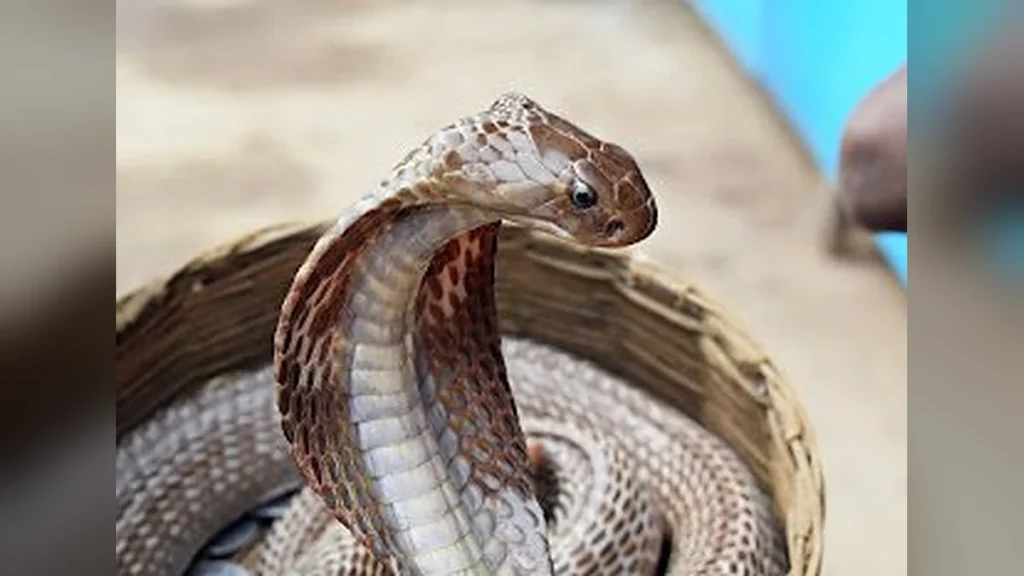
Understanding Why Snakes Enter Homes
Snakes are often drawn to homes for several reasons. Understanding these can help you take steps to prevent them from entering:
- Shelter and Security: Snakes seek safe, quiet places to hide from predators and rest.
- Food Sources: The presence of rodents, frogs, or other small creatures can attract snakes looking for a meal.
- Water and Moisture: Especially during dry or hot weather, snakes may enter homes in search of water, often found in bathrooms, kitchens, or basements.
- Warmth: In colder months, snakes might seek warmth inside homes or garages.
What to Do Immediately If You See a Snake
If you encounter a snake in your home, it’s crucial to remain calm and follow these steps:
- Stay Calm and Maintain Distance: Panic can lead to mistakes. Keep a safe distance from the snake.
- Do Not Disturb the Snake: Avoid trying to poke, prod, or capture the snake. This can provoke it and lead to an attack.
- Provide an Escape Route: If possible, open doors or windows leading outside to give the snake a way to leave on its own.
- Keep Children and Pets Away: Ensure that children and pets are kept at a safe distance from the snake.
Natural and Home Remedies to Deter Snakes
These methods aim to deter snakes without causing them harm:
1. Garlic and Onion
The strong sulfurous compounds in garlic and onions are unpleasant to snakes. You can crush garlic cloves or chop onions and place them in areas where snakes are likely to appear. A mixture of crushed garlic in mustard oil, sprayed around potential entry points, can also be effective.
2. Naphthalene Balls (Mothballs)
The pungent odor of naphthalene balls can deter snakes. Place them in corners, cracks, near windows, or other potential entry points. Use with caution and keep them out of reach of children and pets, as they can be toxic.
3. Vinegar
Vinegar, particularly white vinegar, can be an effective snake repellent due to its acidic nature, which can irritate a snake’s skin. Spray vinegar directly in areas where snakes have been seen or are likely to enter. It can also be used around ponds or pool edges.
4. Ammonia
The strong smell of ammonia is disliked by snakes. You can soak pieces of cloth in ammonia and place them in areas where snakes might enter. Avoid direct spraying, as ammonia can be harmful to humans and pets.
5. Lemongrass and Citronella
The natural oils in lemongrass and citronella have scents that snakes tend to avoid. Planting lemongrass in your garden or spraying a mixture of citronella oil and water can help keep snakes away while adding a fresh scent to your home.
6. Sulfur Powder
The smell of sulfur powder is also unappealing to snakes. Sprinkling it around the perimeter of your home can create a barrier that discourages them from approaching.
Preventive Measures to Keep Snakes Away
Prevention is always better than cure. Implementing these measures can significantly reduce the chances of snakes entering your home:
- Maintain a Tidy Home and Yard: Keep your home and garden clean. Mow the grass regularly and remove piles of leaves, wood, and debris, as these provide hiding spots for snakes.
- Clear Clutter and Dense Vegetation: Remove woodpiles, stone piles, old tires, and other clutter from around your property. Trim dense bushes and vegetation, especially near the house walls.
- Seal Cracks and Holes: Inspect your home’s foundation, walls, doors, and windows for any cracks or openings. Seal them with cement or sealant. Ensure openings for pipes and cables are also sealed.
- Control Rodent and Insect Populations: Rodents and insects are a primary food source for snakes. By controlling these pests, you make your home less attractive to snakes.
- Ensure Proper Lighting and Moisture Management: Keep outdoor areas well-lit at night. Address any damp areas and fix leaky pipes, as snakes are attracted to moisture.
- Install Snake Fencing: In areas with a high snake population, consider installing specialized snake fencing around your garden or property. This fencing should be buried slightly and angled outwards to prevent snakes from climbing over.
When to Call a Snake Expert
In certain situations, calling a professional snake expert is the safest and most effective option:
- If the Snake Appears Venomous or Large: Do not attempt to handle a snake that you suspect is venomous or is unusually large.
- If the Snake is Hidden or Not Leaving: If the snake has hidden in an inaccessible spot or is not leaving your property, seek professional help.
- If You Feel Unsafe: If you feel uncomfortable or unsafe dealing with the snake, contact your local wildlife control or a professional snake catcher immediately.
What NOT to Do When You See a Snake
- Do not try to provoke or capture the snake: This is the most critical rule. Attempting to handle a snake can lead to a defensive bite.
- Do not panic: Stay calm to make rational decisions and avoid mistakes.
- Do not attempt to kill venomous snakes: Killing snakes can be illegal in many areas and is dangerous.
- Do not use unknown chemicals: Avoid using any chemicals without knowing their effects, as they can harm the snake and the environment.
Conclusion
Deterring snakes from your home requires a combination of caution, knowledge, and proactive measures. The goal should always be to ensure the safety of both humans and the snakes, encouraging them to remain in their natural habitats. By implementing the natural deterrents and preventive strategies outlined above, you can create a safer environment. Remember, if a situation feels beyond your control or you feel unsafe, always reach out to a professional snake expert.
Frequently Asked Questions
Q1: What is the most effective natural snake repellent?
While there’s no single ‘most effective’ natural repellent for all situations, combinations of strong scents like garlic, onion, ammonia, and essential oils from lemongrass or citronella are commonly used and can be effective in deterring snakes from specific areas.
Q2: How can I stop snakes from coming into my house?
To stop snakes from entering your house, focus on sealing all entry points like cracks and holes in the foundation and walls. Keep your yard clean, remove potential hiding spots like debris piles, and control rodent populations, as they attract snakes.
Q3: Are mothballs safe to use as a snake repellent?
Mothballs (naphthalene) can deter snakes due to their strong odor, but they are toxic. They should be used with extreme caution, placed only in areas inaccessible to children and pets, and their use is generally not recommended as a primary or safe long-term solution.
Q4: What should I do if a snake is in my bedroom?
If a snake is in your bedroom, stay calm, do not approach it, and keep children and pets away. Open the door to the bedroom and any windows leading outside to give the snake an escape route. If the snake does not leave or you feel unsafe, call a professional snake catcher.
Q5: Can essential oils deter snakes?
Yes, certain essential oils, particularly those from plants like lemongrass and citronella, have strong scents that snakes tend to avoid. Diluting these oils in water and spraying them around potential entry points can act as a deterrent.