What is the James Webb Space Telescope?
The James Webb Space Telescope (JWST), often referred to by its acronym, is a revolutionary space observatory developed through a collaboration between NASA, the European Space Agency (ESA), and the Canadian Space Agency (CSA). It is widely considered the successor to the venerable Hubble Space Telescope, but with significantly enhanced capabilities. JWST is approximately 100 times more powerful than Hubble, allowing it to observe the universe in infrared light with unprecedented sensitivity and resolution.
Why Was the James Webb Space Telescope Built?
The primary objective behind the creation of the JWST is to explore the hidden mysteries of the distant universe. This powerful telescope is designed to look further back in time and space than any previous instrument. Its mission includes studying the formation of the very first galaxies that emerged after the Big Bang, understanding the birth of stars and planetary systems, and searching for signs of potential life on exoplanets. JWST aims to unlock new dimensions in space research, providing insights into cosmic evolution and our place within it.
How Does the James Webb Space Telescope Work?
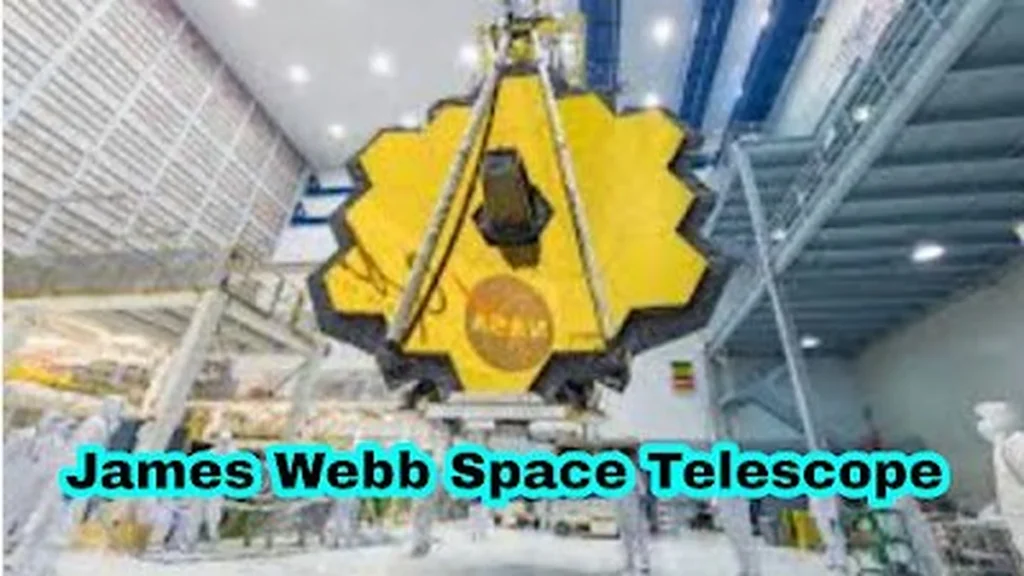
The James Webb Space Telescope operates by detecting infrared light emitted by celestial objects. Unlike visible light, infrared light can penetrate the cosmic dust clouds that often obscure the view of nascent stars and galaxies. JWST’s large, segmented primary mirror, made of 18 hexagonal gold-coated beryllium segments, collects this faint infrared radiation. This light is then focused onto a suite of highly sensitive scientific instruments located behind the mirror.
Key components and operational principles include:
- Large Primary Mirror: Its 6.5-meter diameter mirror is the largest ever deployed in space, crucial for gathering maximum light.
- Infrared Observation: JWST observes in the infrared spectrum (from near-infrared to mid-infrared), allowing it to see through dust and detect the redshifted light from the earliest cosmic epochs.
- Sunshield: A massive, five-layered sunshield, the size of a tennis court, protects the telescope from the heat of the Sun, Earth, and Moon. This is essential because JWST must remain extremely cold (below -220 degrees Celsius or -370 degrees Fahrenheit) to detect faint infrared signals without interference.
- Orbit: JWST orbits the Sun at the second Sun-Earth Lagrange point (L2), about 1.5 million kilometers (nearly 1 million miles) from Earth. This location provides a stable thermal environment and an unobstructed view of the cosmos.
The data collected by JWST’s instruments is then transmitted back to Earth for analysis by scientists worldwide. The sheer power of JWST is often illustrated by the fact that if it were placed on the Moon, it could theoretically detect a bumblebee on Earth. The investment in JWST, costing approximately 9.7 billion US dollars, reflects the immense scientific potential it holds for unraveling the universe’s deepest secrets.
What are the Key Scientific Goals of JWST?
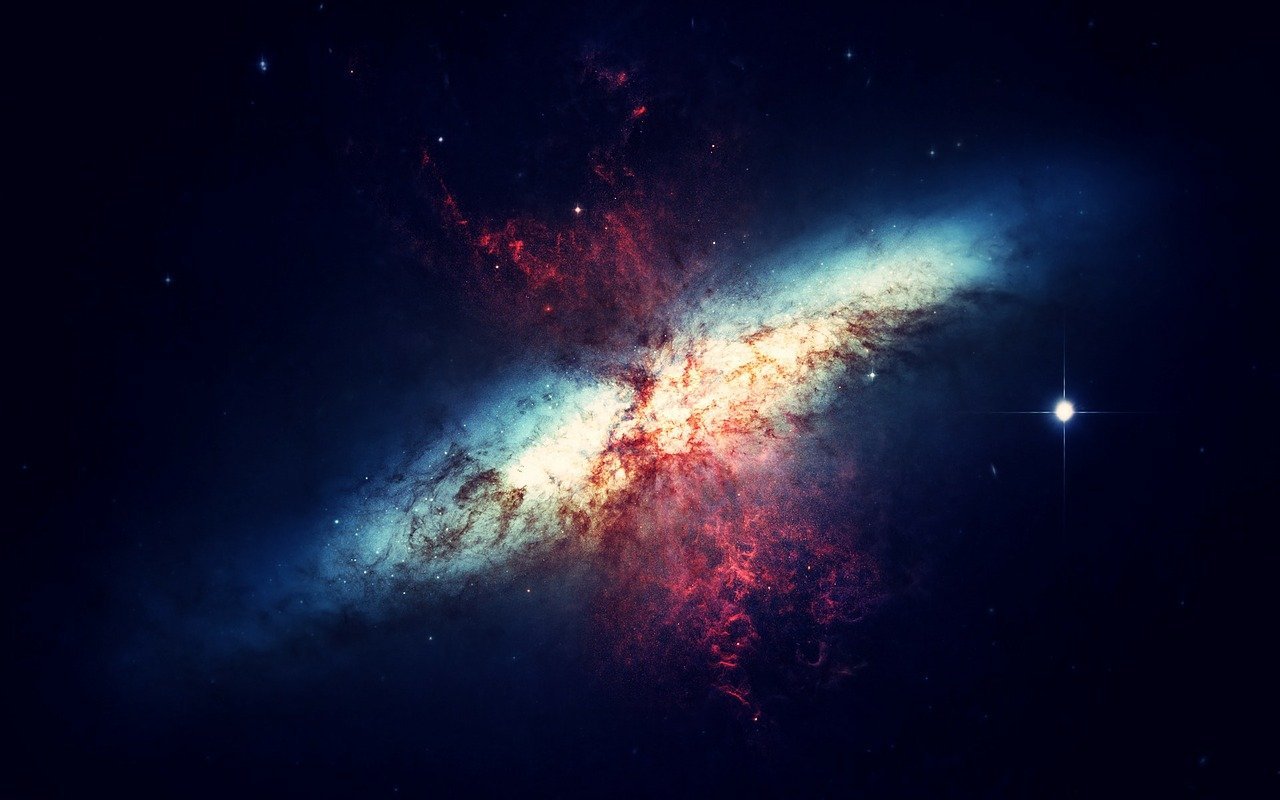
The James Webb Space Telescope is designed to address several fundamental questions in astronomy and cosmology:
- The Early Universe: To study the formation and evolution of the first galaxies and stars that formed after the Big Bang.
- Galaxy Evolution: To understand how galaxies assemble and change over cosmic time.
- Star and Planet Formation: To observe the birth of stars and planetary systems within dusty nebulae.
- Exoplanets and Origins of Life: To characterize the atmospheres of exoplanets and search for the building blocks of life.
How is JWST Different from Hubble?
While both the Hubble and Webb telescopes are powerful observatories, they differ significantly in their capabilities and scientific focus. Hubble primarily observes in visible and ultraviolet light, with some near-infrared capability. JWST, on the other hand, is optimized for infrared observation. This allows JWST to see farther back in time, as the light from the earliest stars and galaxies has been stretched into infrared wavelengths due to the expansion of the universe (redshift). Additionally, JWST’s much larger mirror and advanced instruments provide greater sensitivity and resolution for infrared studies.
What Discoveries Has JWST Made So Far?
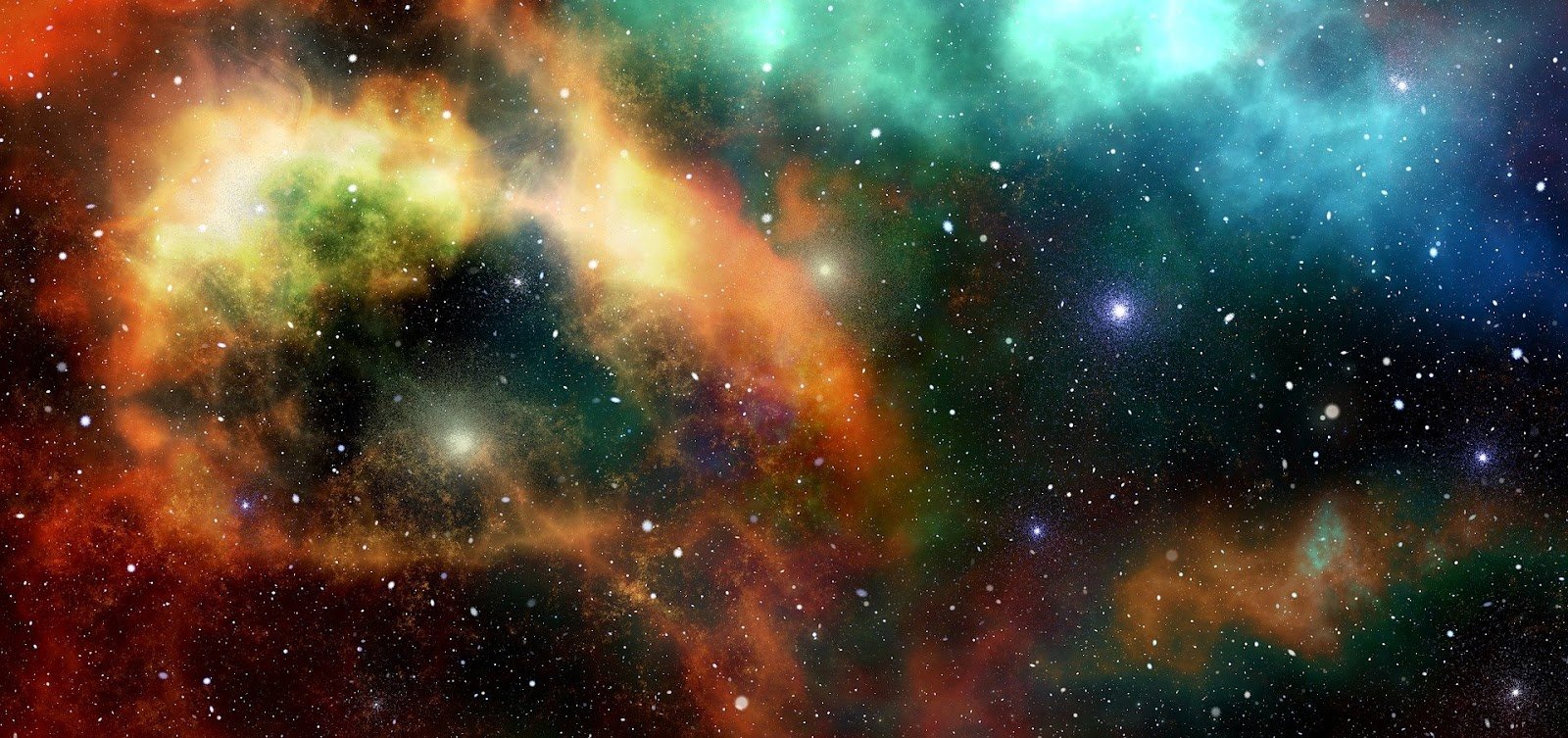
Since its operational debut, the James Webb Space Telescope has already delivered groundbreaking scientific results. It has provided stunningly detailed images of nebulae, captured the most distant galaxies ever observed, and offered new insights into the composition of exoplanet atmospheres. These early discoveries hint at the transformative impact JWST will have on our understanding of the cosmos.
Frequently Asked Questions (FAQs)
Q1: What is the main purpose of the James Webb Space Telescope?
The main purpose of the James Webb Space Telescope is to observe the universe in infrared light, allowing scientists to study the earliest galaxies, the formation of stars and planets, and the potential for life on exoplanets.
Q2: How much did the James Webb Space Telescope cost to build?
The development and construction of the James Webb Space Telescope cost approximately 9.7 billion US dollars.
Q3: Where is the James Webb Space Telescope located?
The JWST is located at the second Sun-Earth Lagrange point (L2), about 1.5 million kilometers (nearly 1 million miles) away from Earth.
Q4: Can the James Webb Space Telescope see planets in our solar system?
Yes, JWST can observe planets within our solar system, though its primary focus is on more distant and ancient cosmic phenomena.
Q5: What is the difference between JWST and Hubble?
JWST observes primarily in infrared light and is much more powerful and sensitive than Hubble, which observes mainly in visible and ultraviolet light. JWST can see farther back in time and through cosmic dust.
The James Webb Space Telescope represents a new era in astronomical exploration. Its advanced capabilities promise to revolutionize our understanding of the universe, from the faintest whispers of the Big Bang to the intricate processes of planetary formation. As JWST continues its mission, we can anticipate a wealth of new discoveries that will shape our cosmic perspective for decades to come.