The Alarming Decline in River Water Levels: A Global Concern
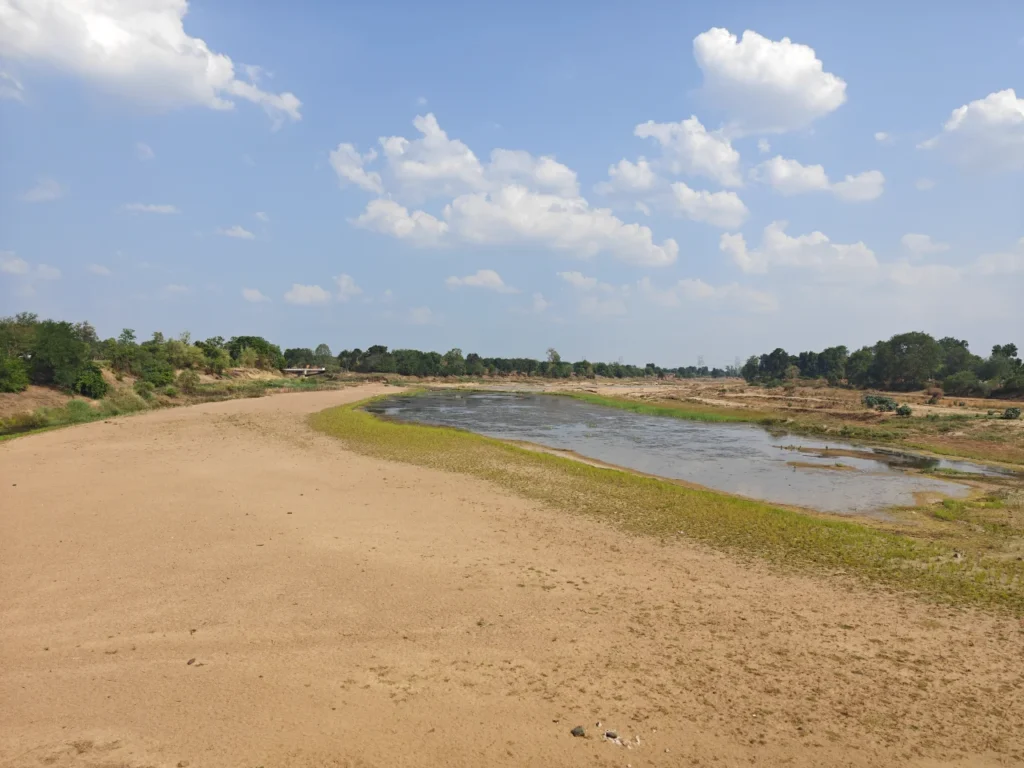
Have you noticed rivers that once flowed robustly now appear diminished, or even dry in places? This isn’t just a localized issue; it’s a growing global phenomenon impacting communities, economies, and ecosystems. Rivers, the lifeblood of civilizations, are facing unprecedented stress. From major arteries to smaller tributaries, water levels are dropping, signaling a critical water crisis. This article examines the primary drivers behind this decline, its far-reaching consequences, and actionable solutions to preserve these vital water resources.
Major Causes of Declining River Water Levels

The reduction in river water levels is a complex issue stemming from a combination of natural and human-induced factors.
1. Climate Change and Global Warming
Rising global temperatures have profound effects on the water cycle. Glaciers, which act as crucial water sources for many rivers, are melting at an accelerated rate. While this might temporarily increase river flow, it depletes the long-term, stable water supply. Furthermore, climate change disrupts rainfall patterns, leading to more extreme weather events like intense floods that wash away water, and prolonged droughts that starve rivers of replenishment. Increased evaporation from water bodies due to higher temperatures also contributes significantly to water loss.
2. Excessive Water Extraction
Human demand for water, particularly for agriculture, is a major contributor to river depletion. Agriculture, especially the cultivation of water-intensive crops, requires vast amounts of water, placing immense pressure on river systems and groundwater. Rapid urbanization and industrialization further exacerbate this issue, as cities and industries draw heavily on rivers and groundwater for their daily operations and expansion. The over-extraction of groundwater is particularly concerning, as rivers and aquifers are often interconnected; reduced groundwater levels can directly impact river flow by diminishing recharge.
3. Deforestation and Land Use Changes
Forests play a vital role in maintaining healthy river systems. Deforestation leads to increased soil erosion, causing rivers to become silted up, reducing their depth and capacity. Trees help in retaining soil moisture and facilitating groundwater recharge; their absence means water runs off the land more quickly. Encroachment on riverbanks through illegal construction and rampant sand mining disrupts natural river flow, alters river morphology, and diminishes water-holding capacity. The destruction of wetlands, which act as natural sponges for rivers, also directly impacts water levels.
4. Pollution and Siltation
The discharge of untreated industrial effluents, sewage, and domestic waste into rivers severely degrades water quality and harms aquatic ecosystems. Siltation, caused by soil erosion and other factors, reduces the depth of rivers, diminishing their water-holding capacity and slowing down their flow. This accumulation of sediment can transform a flowing river into a stagnant channel.
5. Impact of River Projects and Dams
Large-scale hydroelectric projects and irrigation dams, while often crucial for development, significantly alter the natural flow of rivers. They regulate water release, which can lead to water scarcity in downstream areas and disrupt the ecological balance of the river system. The cumulative impact of multiple dams on a single river can be substantial.
Devastating Impacts of Declining River Levels
The consequences of diminishing river water levels are profound and wide-ranging, affecting both the environment and human societies.
1. Environmental Consequences
The most direct impact is on aquatic life. As rivers shrink or become polluted, fish, turtles, and other aquatic organisms face extinction, leading to a significant loss of biodiversity. The delicate balance of riverine ecosystems is disrupted, affecting plant and animal life dependent on these habitats. Furthermore, the reduced flow and lack of replenishment contribute to a further decline in groundwater levels, creating a detrimental cycle.
2. Impacts on Human Life
The most immediate human impact is a shortage of potable water, affecting both rural and urban populations. Agriculture suffers immensely due to a lack of irrigation water, leading to crop failures, economic hardship for farmers, and threats to food security. The ripple effect extends to the national economy, impacting industries reliant on water. Water scarcity and the use of contaminated remaining water increase the risk of waterborne diseases. In severe cases, water scarcity can lead to social displacement as people are forced to migrate in search of water-rich areas.
Solutions and the Path Forward

Addressing the decline in river water levels requires a concerted, multi-faceted approach involving governments, communities, and individuals.
1. Water Conservation and Prudent Use
Implementing rainwater harvesting systems at household and community levels can capture and store precious rainfall, aiding groundwater recharge. In agriculture, adopting modern irrigation techniques like drip and sprinkler irrigation, and promoting less water-intensive crops can significantly reduce water demand. At the domestic and industrial levels, conscious water usage, fixing leaks, and implementing water recycling technologies are crucial.
2. Afforestation and River Rejuvenation
Planting trees along riverbanks helps prevent soil erosion and aids groundwater recharge. Cleaning rivers of plastic waste and removing accumulated silt can restore their depth and natural flow. Protecting and restoring wetlands is also vital, as they play a critical role in maintaining river health and regulating water flow.
3. Policy Changes and Public Awareness
Governments must enact and strictly enforce robust water management policies. Curbing illegal sand mining and imposing penalties on offenders is essential. Public awareness campaigns are critical to educate citizens about the severity of the water crisis and the importance of water conservation. Engaging local communities in river conservation and water management initiatives fosters a sense of ownership and responsibility.
4. Technological Solutions
Wastewater treatment technologies can enable the reuse of domestic and industrial wastewater, reducing the demand on fresh water sources. In coastal regions facing extreme water scarcity, desalination plants can convert seawater into potable water, though this is often energy-intensive and costly.
Conclusion
The decline in river water levels is a global crisis with particularly acute implications for densely populated nations. It is not merely an environmental issue but a fundamental challenge to human survival and prosperity. Rivers are more than just water sources; they are the arteries of our civilization and culture. Through collective action, scientific innovation, and unwavering commitment, we can work towards saving our rivers and ensuring a water-secure future for generations to come. It is time to act decisively to prevent our rivers from drying up.
Frequently Asked Questions
Q1: What are the main reasons why river water levels are declining?
The primary causes include climate change leading to altered rainfall patterns and increased evaporation, excessive water extraction for agriculture and industry, deforestation which increases siltation and reduces groundwater recharge, and pollution that degrades water quality.
Q2: How does climate change affect river water levels?
Climate change causes glaciers to melt (initially increasing flow, then depleting sources), alters rainfall patterns leading to droughts and floods, and increases evaporation rates, all of which impact the volume of water in rivers.
Q3: What are some practical solutions for conserving water at home?
Simple steps include fixing leaky faucets, taking shorter showers, using a bucket instead of a hose for washing cars, and collecting rainwater for gardening. Educating family members about water’s value is also key.
Q4: Can afforestation help in increasing river water levels?
Yes, planting trees along riverbanks helps prevent soil erosion, which reduces siltation and improves water quality. Trees also help in retaining soil moisture and promoting groundwater recharge, indirectly benefiting river flow.
Q5: What is the role of governments in addressing river water scarcity?
Governments play a crucial role by implementing and enforcing strict water management policies, investing in water infrastructure like treatment plants, regulating water usage, curbing illegal activities like sand mining, and promoting public awareness campaigns.