What Causes the Urge to Drink Alcohol First Thing in the Morning?
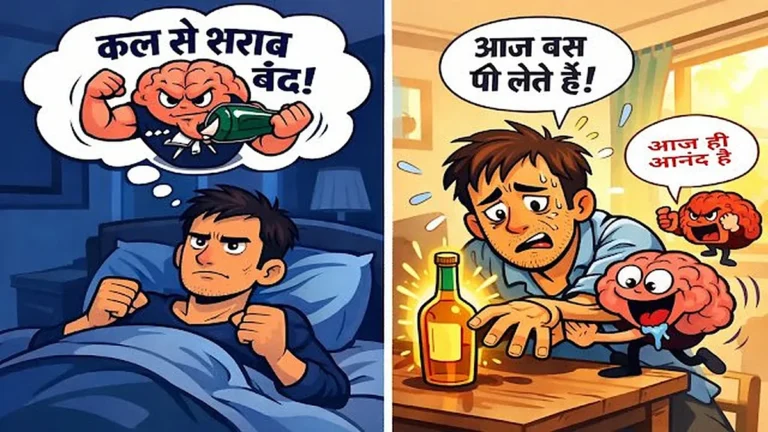
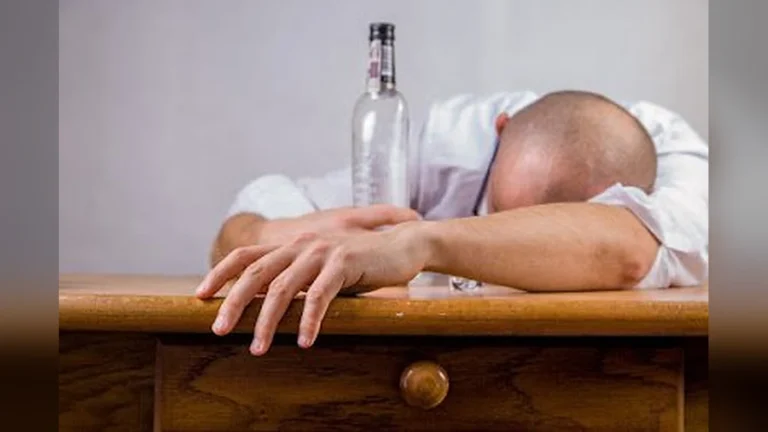
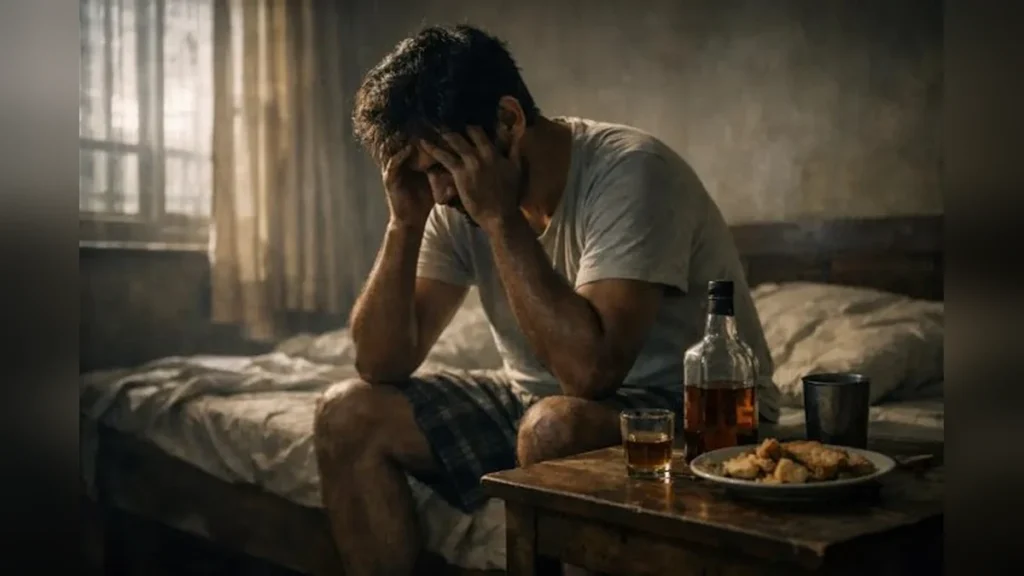
For many struggling with alcohol addiction, a dangerous pattern emerges: the first thought upon waking is of alcohol. Not tea, not breakfast, not family – just the immediate urge for a drink. Often, this is dismissed as a sign of weakness or poor willpower. However, the reality is far more complex. This craving is primarily a psychological and neurological issue, stemming from a brain that has become dependent on alcohol over years of use. If someone reaches a stage where their first morning need is alcohol, it can be a final warning. Ignoring it is perilous. This article is for those experiencing this themselves or for those with loved ones going through it.
It’s a Brain Condition, Not Just Physical Weakness

When a person consumes alcohol heavily for an extended period, their brain adapts to a point where it craves intoxication before any other activity. It ceases to be a choice; the brain’s reward system has been fundamentally rewired. A typical person might think about showering, having tea, eating breakfast, or going to work upon waking. However, for someone with severe alcohol dependence, the brain’s primary signal is: “Have a drink first, then do everything else.” The brain begins to believe it cannot make decisions, function, or think clearly without alcohol. Basic needs like hygiene, eating, commuting, or interacting with family become secondary to the immediate need for a drink. Understanding how alcohol addiction develops is crucial, as it demystifies the persistent morning craving. It is a direct result of changes in brain chemistry.
What’s Actually Happening Inside the Brain?
Let’s delve deeper without overly technical jargon. Our brain produces a chemical called Dopamine, often referred to as the “feel-good” chemical. It’s released when we experience pleasure, achieve goals, or receive praise, making us feel good. Alcohol hijacks this dopamine system. It floods the brain with dopamine, far exceeding natural levels from activities like eating, listening to music, or exercising. The brain becomes accustomed to this “super reward” and begins to devalue other, natural rewards. Over time, the brain adjusts to a point where it requires alcohol simply to feel normal. Without it, dopamine levels plummet, leading to feelings of emptiness, restlessness, and unexplained sadness. The brain immediately signals for alcohol, believing it will restore normalcy.
The Role of Cortisol: Why Morning Cravings Are Most Intense
Another factor exacerbates morning cravings. In the morning, the body naturally increases Cortisol, a stress hormone, to help wake us up and increase alertness. However, in an alcohol-dependent brain, this cortisol spike can trigger anxiety and restlessness. The brain then interprets alcohol as the solution to this anxiety. This is why morning cravings are often more intense than those experienced later in the day.
When the Brain Prioritizes Intoxication: This is Dependency
In an intoxicated state, the brain experiences a false sense of relief. Anxiety lessens, fear subsides, and restlessness calms. Hand tremors may stop, and chest tightness can ease. Within minutes, the individual might feel “okay” and capable of functioning. However, this temporary relief reinforces a dangerous cycle: “Discomfort = Drink Alcohol = Relief.” The brain is compelled to repeat this pattern. This isn’t a lack of willpower; it’s a rewiring of the brain. Just as the body craves food when hungry, an addicted brain craves alcohol at the onset of withdrawal. This is why simply vowing to quit often fails. Vows are logical, but cravings are driven by brain chemistry, which logic alone cannot override.
Morning Alcohol Craving: It’s a Final Warning
Addiction specialists consider morning cravings among the most severe warning signs. If an individual reaches a stage where:
- Their first thought upon waking is alcohol.
- They feel unable to do anything without drinking.
- Food or water seems unappealing compared to alcohol.
- They experience physical symptoms like tremors or anxiety without alcohol.
This indicates complete dependence on alcohol. Medically termed Severe Alcohol Use Disorder, this stage requires professional medical help, not just willpower or home remedies.
Common Symptoms in Individuals Experiencing Morning Drinking
If someone you know is in this situation, look for these signs:
- Intense urge to drink alcohol immediately upon waking.
- Hand and leg tremors, especially in the morning, regardless of weather.
- Sweating.
- Vision disturbances or blurred vision.
- Sudden rapid heartbeat.
- Persistent anxiety and restlessness.
- Symptoms of depression.
- Interrupted or absent sleep.
- Loss of appetite or nausea.
- Fear of eating due to potential vomiting.
- Recurring thoughts of “just one drink, then I’ll be fine.”
These symptoms suggest a serious medical condition affecting the mind and nervous system, not merely a bad habit. Ignoring them can be life-threatening.
Understanding the Difference: Morning Craving vs. Withdrawal
Many confuse morning craving with withdrawal, but there’s a distinction, and understanding it is vital. Craving is an intense psychological desire – “I really want to drink.” Withdrawal, on the other hand, is the body’s physical reaction to the absence of alcohol, manifesting as tremors, sweating, seizures, and severe anxiety. When both occur simultaneously, as is common in the morning drinking stage, resisting becomes nearly impossible. Telling someone in this state to “just be strong” is as ineffective as telling someone with a fever to “just think cool thoughts.” This is a medical condition requiring medical treatment.
Another Dangerous Aspect of Morning Drinking
Individuals who drink in the morning often do so on an empty stomach, as they lack appetite or prioritize alcohol. Drinking on an empty stomach doubles the damage. Alcohol directly irritates the stomach lining, places a greater burden on the liver without the buffer of food, and causes blood sugar to drop rapidly, intensifying cravings. This creates a vicious cycle: drinking on an empty stomach leads to increased cravings, which leads to more drinking and an inability to eat. At this stage, many experience rapid weight loss, pale complexions, sunken eyes, and severe nutritional deficiencies. A lack of Thiamine (Vitamin B1) is particularly dangerous, potentially leading to Wernicke-Korsakoff syndrome, a severe brain disorder.
What Needs to Be Done at This Stage?
If someone is experiencing morning alcohol cravings, tremors, and inability to function without drinking, immediate steps are crucial:
- Consult an Addiction Specialist or Psychiatrist: This is the primary and most critical step. Government hospitals often offer these services free or at a low cost. Doctors can prescribe medications to safely manage withdrawal symptoms.
- Get Evaluated for Depression and Anxiety: Many individuals with alcohol dependence have underlying depression or anxiety disorders that alcohol masks. If these are not treated, the risk of relapse remains high even after quitting alcohol.
- Seek Family Support – The Right Way: Shaming, guilt-tripping, or forcing the individual is counterproductive. True family support involves patience, non-judgmental listening, and assisting in seeking medical help.
- Do Not Leave Them Alone – Do Not Quit Cold Turkey: Abruptly stopping alcohol at this stage can trigger a medical emergency, including seizures, Delirium Tremens, and other severe complications. Always quit under medical supervision.
- Avoid “Easy Cure” Scams: In desperate situations, people may fall for unverified cures or fraudulent treatments. Addiction at this level requires professional medical intervention, not quick fixes.
A Crucial Understanding for Everyone
If your body craves alcohol upon waking, it doesn’t mean you are weak, a bad person, or lack willpower. Your brain is playing a trick on you, a trick learned over years. It’s directing you towards the path of least resistance – intoxication – because alcohol temporarily alleviates withdrawal symptoms. This is not a solution; it’s a trap that, the deeper you fall, the harder it becomes to escape. This seemingly easy path can destroy your health, family, relationships, and life. However, escape is possible. With the right help, treatment, and support, millions have recovered from even this severe stage. Understanding the path to recovery is the first step.
Common Mistakes Made During Morning Craving
- “I’ll just drink today, I’ll quit tomorrow.” This is the most common excuse. Every morning becomes “one last time,” perpetuating the cycle of addiction.
- Ignoring the Morning Craving: Dismissing it as “just a phase” is dangerous. Morning craving is a serious warning sign that must be addressed.
- Not Eating: Many skip meals and drink alcohol first thing. This severely damages the liver, stomach, and pancreas. Even if appetite is low, try to consume something light like a banana, milk, or biscuits.
- Fear of Seeking Medical Help: Worries about judgment or shame prevent many from seeing a doctor. Addiction specialists deal with these issues daily and offer non-judgmental support. If you’re hesitant, bring a trusted family member.
- Focusing Only on Alcohol, Not the Root Cause: Morning craving is a symptom. The underlying issues might be pain, loneliness, depression, or anxiety. Addressing these root causes is essential for lasting recovery.
A Word of Advice
Those who reach the stage of morning drinking often feel immense shame, believing they’ve fallen too low to recover. This shame prevents them from seeking help, which is the biggest obstacle. My direct advice is to set aside shame and immediately seek help from the nearest government hospital. Visit the psychiatry department and state, “I have an alcohol addiction, and I need help.” This simple admission is the most difficult yet crucial step towards recovery. For families, if a loved one is drinking upon waking, understand the gravity of the situation. It’s no longer just a bad habit. Stop shaming and guilt-tripping; focus on facilitating medical help. Your decisive action can save a life.
Key Takeaways at a Glance
- Morning alcohol craving signifies the most severe stage of addiction.
- It’s not a lack of willpower but a change in brain chemistry.
- Dopamine and Cortisol interact to intensify morning cravings.
- Abruptly stopping alcohol at this stage can be dangerous; seek medical help.
- The “just one last time” mindset is a common trap in addiction.
- Investigating underlying depression and anxiety is crucial.
- Government hospitals offer free or low-cost de-addiction services.
- Seeking help is a sign of strength and wisdom, not weakness.
Frequently Asked Questions (FAQ)
How dangerous is morning drinking?
Morning drinking is extremely dangerous. It signals that both the body and mind are fully dependent on alcohol. The risk of liver damage, pancreatitis, brain damage, and heart problems significantly increases. It must be taken seriously and addressed immediately.
Can morning cravings be overcome with willpower alone?
At this stage, relying solely on willpower is extremely difficult and can be physically dangerous. Morning cravings are part of withdrawal, a medical condition requiring medical support. While willpower can be a component of recovery, it is insufficient on its own.
Does drinking something else instead of alcohol reduce cravings?
To some extent, yes. Consuming warm tea, lemon water, or something sweet can stabilize blood sugar and slightly reduce cravings. However, if withdrawal symptoms like tremors, sweating, or anxiety are present, these home remedies are inadequate. Seek medical advice.
Can a person who drinks in the morning live a normal life?
Yes, but only with proper treatment. After medical detoxification, counseling, and a sustained recovery process, many individuals return to normal lives. However, the longer the delay, the more challenging recovery becomes.
Should alcohol be stopped suddenly at this stage?
Absolutely not. It can be dangerous. At the morning drinking stage, the body is so dependent that sudden cessation can lead to seizures, Delirium Tremens, and severe complications. Always quit gradually or under medical supervision.
What if I feel ashamed to go to the doctor?
This is a common feeling, but remember that addiction specialists and psychiatrists see patients with these issues daily. They offer non-judgmental support. If you’re hesitant to go alone, bring a trusted family member.
What should family members do?
First, stop shaming and guilt-tripping; it worsens the situation. Focus on facilitating medical help. If the individual is unwilling, seek guidance from an addiction counselor on how to approach them. Be patient; recovery is a process, not an overnight event.
If you or a loved one are in this situation, these articles can provide further understanding and direction:
- How to Quit Alcohol – The Truth and the Right Path
- The Truth About Fake Medicines for Alcohol De-addiction
- Why Do People Fear Death When Quitting Alcohol?
A Final Word
The relief alcohol provides in the morning is not true relief. It’s merely a temporary suppression of withdrawal, a deceptive bargain that becomes more costly each time. True relief comes from teaching the brain that life without intoxication is possible – that one can wake up, have tea without tremors, and start the day without fear. This path is difficult and long, but it is the only one that can save you, your life, and your loved ones. Seeking help is not a sign of weakness; it is a sign of wisdom. And there is no better day to start than today.