
What is This ‘Mental Scrolling’?
When we talk about ‘mental scrolling,’ we mean the uncontrolled flow of thoughts that continues in our minds, especially when we’re not actively engaged in anything else. It’s similar to scrolling on a phone, but instead of your finger moving, your thoughts, fantasies, fears, plans, and memories come one after another. This can involve analyzing the day’s events, getting caught in a web of future worries, or repeatedly replaying past incidents. This state often intensifies when we try to relax, like before sleeping or when sitting quietly.
The Science of Dopamine and Your Brain’s Addiction

Our brains have a neurotransmitter called dopamine, often called the ‘feel-good’ chemical. It provides feelings of pleasure and reward, motivating us to repeat certain actions. Social media and smartphone apps expertly leverage this dopamine system. Every like, comment, notification, or new video gives us a small ‘hit’ of dopamine. This unpredictable reward encourages the brain to seek more. When we constantly use our phones, our brains become accustomed to this continuous dopamine flow, creating a habit of constantly seeking new and stimulating content. When you turn off your phone, this external source of dopamine suddenly stops. However, the brain still craves that stimulation. It begins to sift through its internal ‘files’ – memories, plans, worries – to compensate for the dopamine deficit or simply to keep itself occupied. This is when the mind starts to ‘scroll’ internally.
The Power of Habit and Neural Pathways
Our brains are incredibly adaptable. When we repeatedly perform an action, the neural pathways associated with that activity strengthen. Constant phone use, especially scrolling, creates very robust pathways. These pathways involve the habit of quickly processing information, seeing new things, and staying continuously stimulated. Even when the physical action of using the phone stops, these strong neural pathways don’t immediately quiet down. They try to remain active according to their ingrained habit. It’s like a road that’s always busy because cars constantly travel on it, even if traffic temporarily lessens. The brain continues to race thoughts along that ‘busy road’ because it’s bound by that habit.
Information Overload and Constant Stimulation
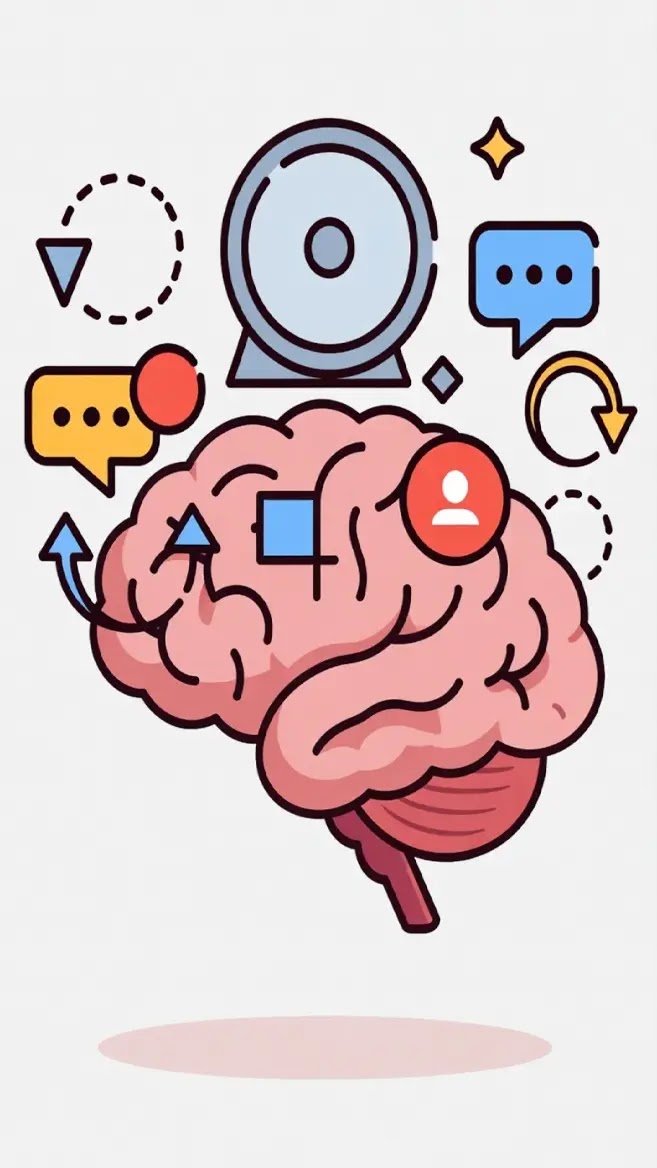
We live in an ocean of information today. We are surrounded daily by countless news items, messages, emails, social media posts, and other digital content. Our brains are constantly processing this massive amount of information, leading to a form of ‘overload.’ When we turn off our phones, the external flow of information may cease, but a ‘backlog’ of previously absorbed information remains. The brain continues to process this backlog or generate new thoughts related to it. It replays the day’s events, tries to complete unfinished conversations, or considers future plans. This constant stimulation prevents the brain from quieting down, and it continues to ‘scroll’ within its internal world.
Psychological Factors: Anxiety, FOMO, and Unfinished Business
Deeper psychological reasons also contribute to mental scrolling:
- Anxiety and Stress: Daily worries, future uncertainties, or unresolved problems keep the mind restless. When the phone is off, these anxieties can become more pronounced, and the mind wanders trying to solve them.
- FOMO (Fear Of Missing Out): The habit of staying constantly connected makes us feel like we might be missing something important. Even when the phone is off, this fear can linger subconsciously, compelling the mind to constantly wonder ‘what’s happening out there?’
- Unfinished Processes: Many tasks, conversations, or thoughts remain incomplete during the day. Our minds naturally seek closure. When we are quiet, these unfinished processes resurface, and the mind tries to mentally complete them, initiating an endless stream of thoughts.
Why Does This Happen More at Night?
This mental scrolling is often felt more intensely at night, especially just before sleep. Several factors contribute:
- Lack of External Stimulation: During the day, we are often busy with work, conversations, or other activities that keep our minds externally engaged. At night, when it’s quiet and external stimulation decreases, the mind has ample time to wander in its internal world.
- Processing the Day: Nighttime is when the brain processes the day’s information, emotions, and experiences. It’s a kind of ‘cleanup’ process where the brain sorts and organizes things.
- Preparing for Sleep: Before sleeping, the mind often starts thinking about the next day’s plans, morning tasks, or upcoming important events, keeping the cycle of thoughts going.
- Blue Light Effect: Prolonged phone use at night emits blue light, which can disrupt melatonin (the sleep hormone) production, keeping the brain more alert and making it harder to calm down.
How to Stop This Mental ‘Scrolling’
It’s important to understand that this habit cannot be changed overnight, but with consistent effort, you can learn to calm your mind:
Small Steps Towards a Digital Detox
Cultivate a healthier relationship with your phone. Keep your phone away at least an hour before sleep. Declare your bedroom a ‘no-phone zone.’ Schedule specific times during the day when you won’t use your phone. This will gradually help your mind detach from digital stimulation.
Mindfulness and Meditation
Practicing mindfulness helps you stay in the present moment. Focus on your breath for a few minutes. When thoughts arise, let them come and go without judgment. Gradually, your mind will learn to quiet down. Meditation is also very effective for focusing the mind and reducing the flow of thoughts.
A Relaxing Bedtime Routine
Create a calm and relaxing bedtime routine. This could include reading a light book (not an e-reader), taking a warm bath, doing gentle stretching exercises, or listening to calming music. Avoid caffeine and heavy meals before bed.
Understanding Your Thoughts
When your mind starts scrolling, simply observe your thoughts. Don’t try to stop them; just notice what they are. You can also practice journaling, where you write down all your thoughts and worries in a notebook. This helps the mind reduce its burden of thoughts.
Physical Activities
Regular exercise reduces stress and improves sleep quality. Physical activities help the brain release endorphins (natural painkillers and mood boosters), keeping the mind calm and positive.
Social Connection
Step away from the digital world and connect with people in real life. Spend time with friends and family. This real-world connection provides satisfaction and reduces reliance on digital platforms.
Conclusion
The mind continuing to scroll after the phone is turned off is a modern challenge, but it’s not entirely beyond your control. It’s a result of our brain’s dopamine habits, strong neural pathways, information overload, and certain psychological factors. Acknowledging this problem and trying to understand it is the first step. By incorporating the above-mentioned strategies into your routine, you can gradually learn to calm your mind, free it from the constant stimulation of the digital world, and live a more focused and peaceful life. Remember, your mind is a powerful tool, and directing it is in your hands.
FAQs
Why does my mind keep thinking about random things after I stop using my phone?
This happens because your brain is accustomed to constant stimulation from your phone, particularly the dopamine hits from social media and notifications. When this external stimulation stops, your brain seeks internal stimulation by replaying memories, worries, or plans to maintain its active state.
Is it normal for my mind to race at night even when I’m trying to sleep?
Yes, it’s quite common. At night, external distractions decrease, allowing the day’s unprocessed thoughts, anxieties, and future plans to surface. The brain’s natural tendency to process information can also contribute to this racing mind.
How can I reduce the ‘mental scrolling’ before bed?
To reduce mental scrolling before bed, establish a relaxing bedtime routine that doesn’t involve screens. Activities like reading a physical book, gentle stretching, or mindfulness exercises can help calm your mind. A digital detox an hour before sleep is also highly recommended.
What is the role of dopamine in this ‘mental scrolling’ phenomenon?
Dopamine is released when we experience pleasure or reward. Smartphone use, especially social media, provides frequent, unpredictable dopamine hits. When this external source is removed, the brain may continue to seek that reward by replaying thoughts or memories, leading to mental scrolling.
Can mindfulness and meditation actually help stop overthinking after phone use?
Yes, mindfulness and meditation are effective tools. They train your brain to focus on the present moment and observe thoughts without judgment. This practice helps reduce the automatic, habitual nature of mental scrolling and overthinking.