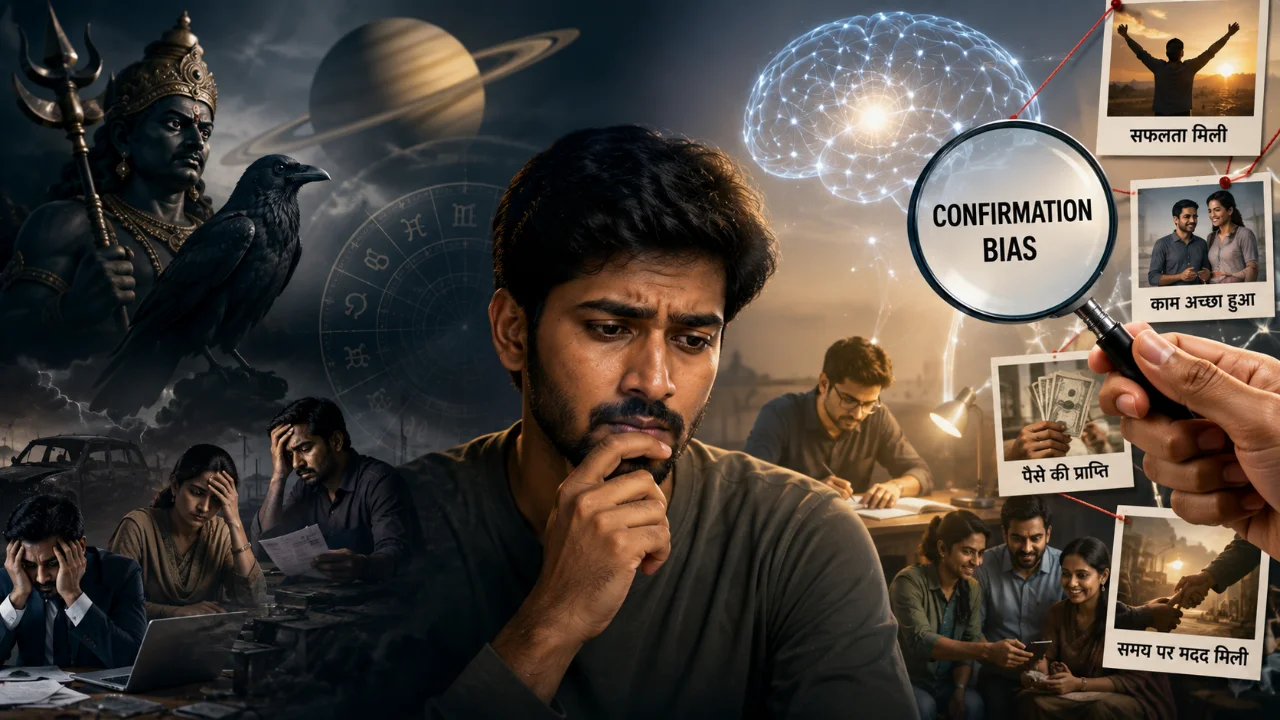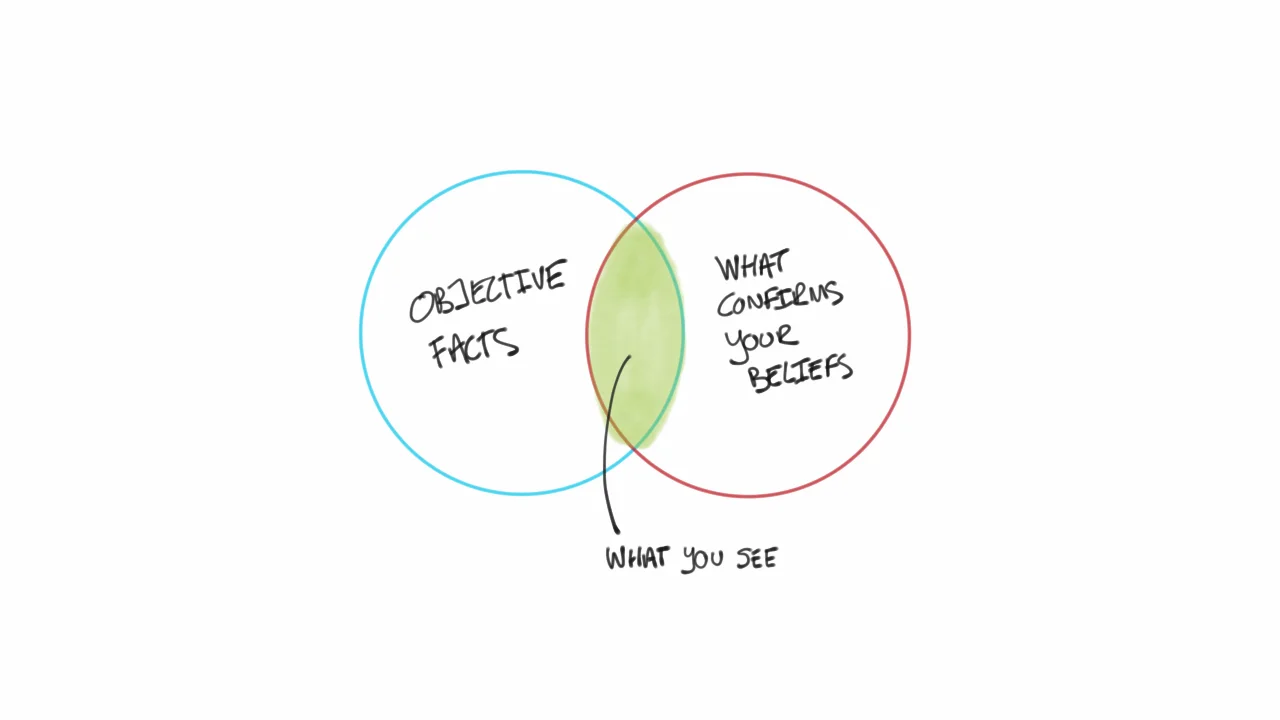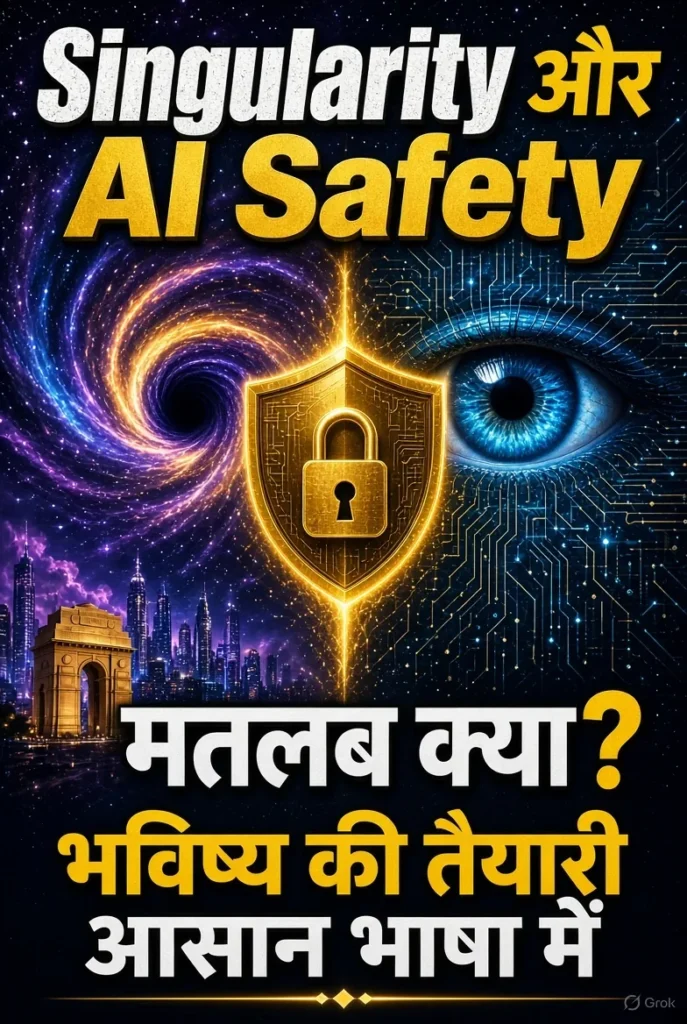
भाई, YouTube पर एक शब्द बार-बार आता है — Singularity और AI Safety। कोई बोलता है “एक दिन AI इंसान से आगे निकल जाएगा,” कोई कहता है “दुनिया खत्म।” डर वाली भाषा आसान है, समझ मुश्किल। इस गाइड में आसान हिंदी में: singularity मतलब क्या, AI safety/alignment क्या है, और भारत के reader के लिए डर नहीं — समझदारी वाली तैयारी।
Singularity मतलब क्या? — आसान भाषा में
“Technological singularity” एक विचार/hypothesis है। सरल कहें तो: जब artificial intelligence इतनी तेज़ और सक्षम हो जाए कि वो खुद अपने सुधार का इंजन बन जाए — और बदलाव की रफ्तार इंसान की सामान्य समझ/नियंत्रण से आगे निकल जाए। जैसे कार की स्पीड इतनी हो कि ब्रेक और स्टीयरिंग का अनुभव पुराना पड़ जाए। ये science-fiction वाला “exact date” नहीं है; ये एक debate वाला scenario है।
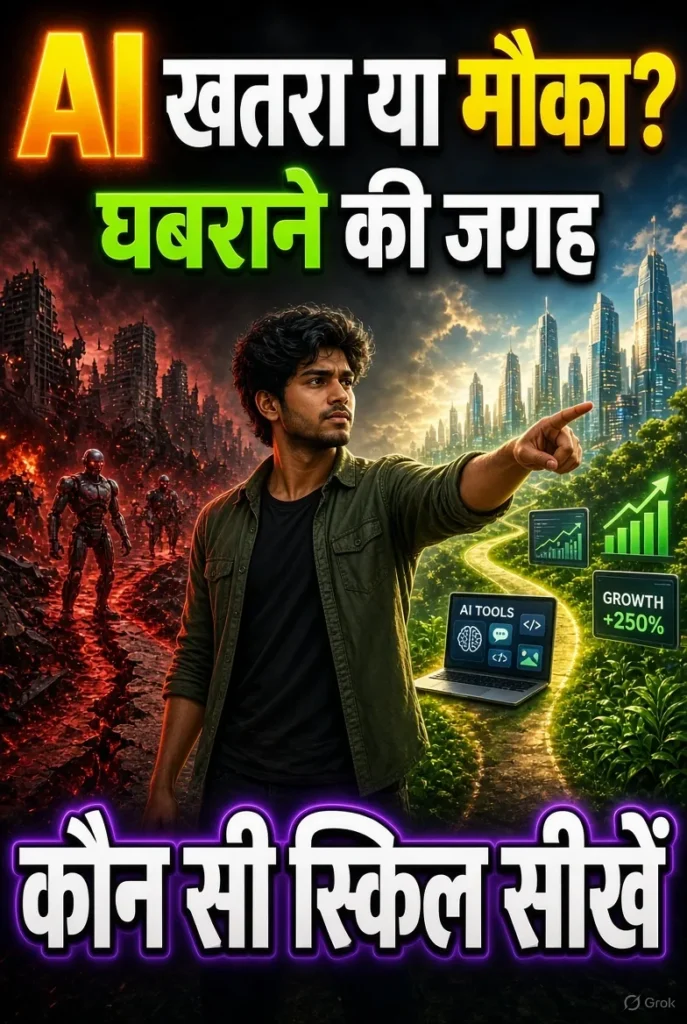
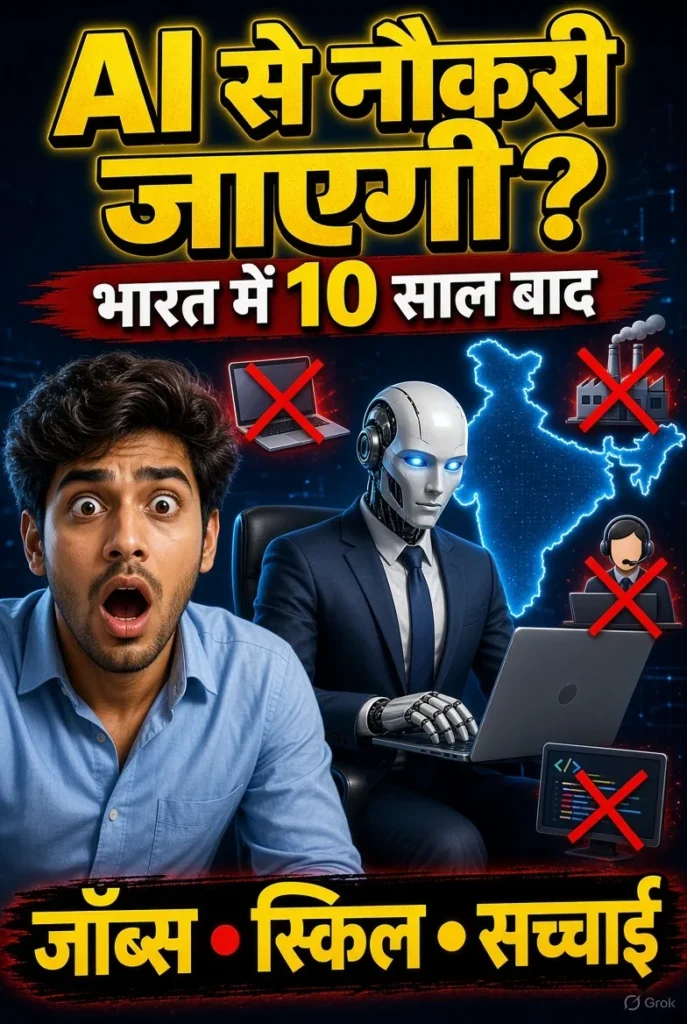
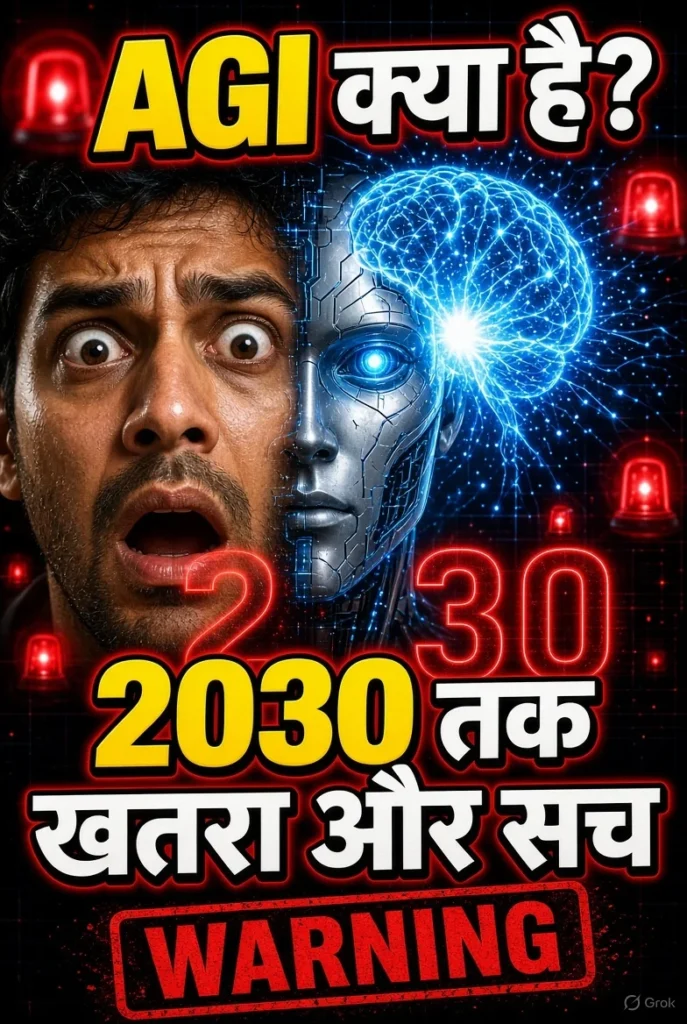
भारत में अक्सर singularity को “2030 में सब खत्म” वाले thumbnail से जोड़ दिया जाता है। वो marketing है, syllabus नहीं। असल सवाल ये नहीं कि कोई calendar date सही है या गलत। असल सवाल: अगर systems और powerful होते गए, तो हम उनके लक्ष्यों, safety, और human control को कैसे समझें? यहीं Singularity और AI Safety एक साथ आते हैं — एक future-talk, दूसरा आज का discipline।
याद रखो: आज के chatbots, image tools, और coding assistants impressive हैं, लेकिन “हर काम में इंसान-जितना general, खुद को uncontrollably improve करते हुए” वाली full singularity claim अभी consensus नहीं है। Experts disagree करते हैं — timeline पर भी, feasibility पर भी। इसलिए हमारा tone: curiosity हाँ, doomsday calendar नहीं। समझ बढ़ाओ; panic playlist बंद करो।
AI Safety क्या है? — ढाल, न कि सिर्फ डर
AI Safety का मतलब सिस्टम को इस तरह बनाना/चलाना कि वो unintended harm न करे। आसान उदाहरण: कार में seatbelt, airbag, speed limit — ये “गाड़ी बंद करो” नहीं कहते; ये कहते हैं “तेज़ जाओ, लेकिन safely।” AI में भी यही spirit: useful capability + safeguards। Safety सिर्फ “future robot apocalypse” नहीं; आज की चीज़ें भी इसमें आती हैं — privacy leaks, biased decisions, deepfake fraud, wrong medical-ish advice, और systems का misuse।
भारत के लिए practical AI safety रोजमर्रा में दिखती है। OTP/password chat में न डालना। Fake celebrity video पर पैसे न भेजना। Exam/assignment में unchecked AI पर पूरा भरोसा न करना। Office में client data को random tool में paste न करना। ये “boring” लगते हैं, लेकिन यही safety की नींव है। जब लोग सिर्फ cinema वाले future से डरते हैं और आज के fraud/privacy को ignore करते हैं — तो तैयारी अधूरी रह जाती है।
Companies और researchers safety पर इसलिए बात करते हैं क्योंकि powerful tools के side-effects बड़े हो सकते हैं। लेकिन “safety research हो रही है” का मतलब ये नहीं कि तुम्हें कुछ नहीं करना। User-level hygiene + civic awareness + skill building — तीनों मिलकर personal readiness बनाते हैं। Vista Hub का angle साफ है: डर बेचना आसान है; समझ बेचना ज़रूरी है।
📌 FACT BOX — साफ बात
- Singularity = hypothetical point जहाँ AI-driven change इंसान की सामान्य नियंत्रण-क्षमता से तेज़/जटिल हो जाए — exact date वाला guaranteed event नहीं।
- AI Safety = systems को harmful/unintended outcomes से बचाने का काम (आज + भविष्य दोनों)।
- Alignment = AI के लक्ष्यों/व्यवहार को human values और intended purpose के करीब रखना।
- इस लेख में कोई गढ़ी हुई “X% doom” या “Y साल में खतरा 100%” संख्या fact के रूप में नहीं है।
- भारत reader के लिए: privacy, fraud awareness, skills, और verify-before-share — ये आज की सबसे काम की तैयारी है।
Alignment आसान शब्दों में — “जो बोला, वही करे”
Alignment का सीधा मतलब: AI वही करे जो हम चाहते हैं — सिर्फ surface words नहीं, असल intent भी। Example: तुम कहते हो “जल्दी पहुँचो।” एक ना समझ सिस्टम शॉर्टकट में लाल बत्ती तोड़ दे। इंसान context समझता है: जल्दी + safely + कानून के अंदर। Alignment research कोशिश करती है कि AI systems human intent, constraints, और values को बेहतर पकड़ें — shortcuts से “goal हिट” करके नुकसान न पहुँचाएँ।
आज के tools में भी soft-alignment दिखता है: refusals on dangerous requests, safety filters, “I might be wrong — verify” जैसी भाषा। Perfect नहीं है। Model गलत भी बोल सकता है (hallucination)। Filter कभी overblock करता है, कभी underblock। इसलिए alignment कोई magic switch नहीं — ongoing engineering + policy + evaluation का काम है। Research community में disagreement भी है: कितना urgent, कौन से methods सही, कैसे measure करें।
तुम्हारे लिए practical takeaway: AI को “perfect obedient genie” मत समझो। Clear instructions दो, constraints बताओ, output check करो। “Delete all files older than 30 days” जैसे irreversible commands बिना review के मत चलाओ — अगर कभी agent/automation use करो। Intent साफ लिखना, edge-cases सोचना, और human-in-the-loop रखना — ये everyday alignment hygiene है। बड़े labs का research अलग लेयर है; तुम्हारा control zone यहीं से शुरू होता है।
डर क्यों फैलता है — और क्या छोड़ना चाहिए
डर इसलिए फैलता है क्योंकि uncertainty + power fantasy + algorithm एक साथ आते हैं। “AI will end everything” वाला title click लाता है। Thriller movies ने भी robot-doom imagery दी है। Social media reward करता है extreme takes को। नतीजा: भारत के student/job-seeker/parent के दिमाग में या तो freeze, या “रातों-रात AI guru” वाला दूसरा extreme। दोनों unhealthy हैं।
क्या छोड़ें: invented timelines को destiny मानना। Anonymous “insider leaks” पर life decisions। Fake stats वाले growth/doom charts बिना source। “Only 6 months left — buy this course” वाले pressure funnels। Celebrity deepfakes को proof मानना। और हाँ — हर AI debate को political identity war बनाना। Topics serious हो सकते हैं; लेकिन seriousness = careful thinking, not louder shouting।
क्या रखें: healthy skepticism। Primary sources पढ़ने की आदत (lab blogs, serious explainers, policy notes — जितना accessible हो)। Local harm vectors पर ध्यान — fraud, misinformation, job-task shifts, privacy। Skills पर निवेश। Community से पूछना: “Tumhare office/college में AI practically कैसे use हो रहा है?” Rumors से बेहतर lived reality। डर को ignore मत करो; उसे specific, checkable risks में तोड़ो। Vague dread से action नहीं निकलती।
| Concept | आसान मतलब | भारत में practical angle |
|---|---|---|
| Singularity | Hypothetical ultra-fast AI-driven change | Date-panic से बचो; trends + skills देखो |
| AI Safety | Harm / unintended outcomes कम करना | Privacy, fraud, misuse, wrong advice |
| Alignment | Intent + values के करीब व्यवहार | Clear prompts, constraints, human review |
| Capability | AI क्या-क्या कर सकता है | Tools practice + verify output |
| Governance | Rules, norms, accountability | Policy debates follow करो; civic awareness |
आज की असली तैयारी — भारत reader के लिए
भविष्य की तैयारी का मतलब rocket science PhD नहीं। मतलब: आज के AI tools को समझना, verify करना, और अपने काम/पढ़ाई में responsibly लगाना। Students: concept clarity + critical thinking। Job seekers: skill stack (tools + communication + domain)। Small business: customer trust मत बेचना — automation जहाँ helpful हो, human touch जहाँ ज़रूरी हो। Parents: बच्चों को “AI always right” मत सिखाओ; “assistant that needs checking” सिखाओ।
Safety checklist घर पर लगाओ। एक: sensitive data hygiene। दो: deepfake/fraud awareness — video “सच” नहीं सिर्फ क्योंकि चेहरा familiar है। तीन: health/legal/finance पर chatbot = starting point हो सकता है, final authority नहीं। चार: news forwards को share करने से पहले pause। पाँच: digital footprint — जो AI से generate करो, वो भी जिम्मेदारी से। ये कदम cinematic नहीं लगते, लेकिन यही tomorrow के powerful tools के साथ जीने का muscle बनाते हैं।
Skills side भी जोड़ो। Prompting, AI literacy, critical thinking — इन पर हमने अलग गाइड भी लिखी है। Jobs वाले डर के लिए भारत-focused jobs/skill article पढ़ो। AGI definition और 2030 claims के “खतरा vs सच” वाले nuance के लिए AGI explainer देखो। Future debate और आज का practice एक-दूसरे के दुश्मन नहीं — दोनों साथ चल सकते हैं। बस priority साफ रखो: आज का invoice, exam, client, family safety पहले; speculative calendar बाद में।
Labs, policy, और citizen role — बिना conspiracy के
बड़ी AI labs safety/alignment research publically discuss करती हैं — evaluations, red-teaming, model specs, usage policies। Governments AI regulation, transparency, और accountability पर बात करती हैं। ये सब “secret doomsday countdown” नहीं; ये normal technology governance की कोशिशें हैं — जैसे cars, pharma, aviation में standards बने। Process messy होता है। Experts disagree करते हैं। Media कभी nuance काट देती है। तुम्हारा काम हर paper पढ़ना नहीं; basic vocabulary समझना है ताकि headline तुम्हें manipulate न कर सके।
Citizen role सीधा है। Vote और public debate जहाँ accessible हों, informed रहो। Workplace में ethical use norms push करो। Creators हो तो fearmongering से views मत कमाओ बिना context के। Teachers/parents: curiosity + caution सिखाओ। Students: research habits बनाओ — claim → source → alternative view। India में language diversity और digital divide भी real हैं — “global English Twitter debate” ही पूरी सच्चाई नहीं। Local context, local harms, local opportunities — अपनी ज़मीन से सोचो।
Conspiracy traps से बचो। हर outage को “AI went sentient” मत बनाओ। हर product launch को “singularity tomorrow” मत बनाओ। हर safety paper को “they know the end is near” मत बनाओ। Serious risks discuss हो सकते हैं बिना movie script के। Mature conversation = uncertainty admit करना + concrete near-term harms fix करना + long-term research support करना। Tumhara mental model यही रहे तो Singularity और AI Safety वाले keywords तुम्हें डराएँगे कम, समझाएँगे ज़्यादा।
Practical 7-दिन “समझदारी” plan
Day 1: singularity/AGI/safety शब्दों की अपनी definition लिखो — बिना YouTube खोले। Day 2: एक serious explainer या lab safety page skim करो; 5 lines note बनाओ “क्या सीखा / क्या अभी unclear है।” Day 3: अपने phone पर AI tool privacy settings देखो। Day 4: एक deepfake/fraud example family WhatsApp पर calmly explain करो (panic forward नहीं)। Day 5: अपने काम का एक task AI से करवाओ + खुद verify करो। Day 6: skill gap list — prompting / domain / communication में क्या कमज़ोर है। Day 7: reflection — किस डर ने समय खाया, किस action ने फायदा दिया।
ये plan “singularity survive kit” नहीं बेचता। ये attention hygiene सिखाता है। क्योंकि असल खतरा अक्सर ये होता है कि लोग या तो ignore करते हैं, या obsess करते हैं — दोनों में learning रुकती है। बीच का रास्ता: weekly learning + weekly practice + weekly verification। Tier-2/3 towns के लिए अच्छी बात: शुरुआत phone से हो सकती है। अंग्रेज़ी का इंतज़ार मत करो; Hinglish में भी clear thinking होती है।
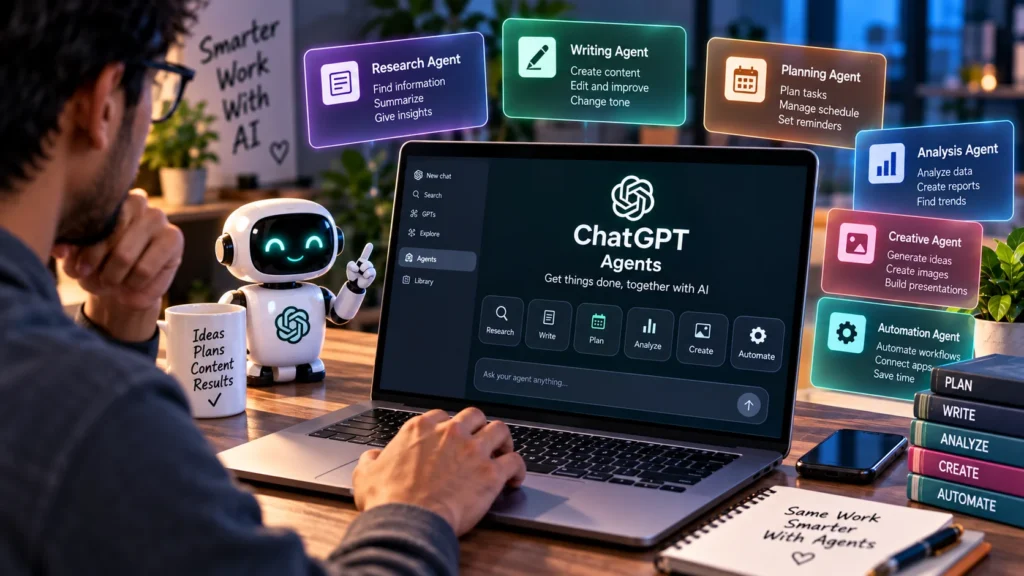
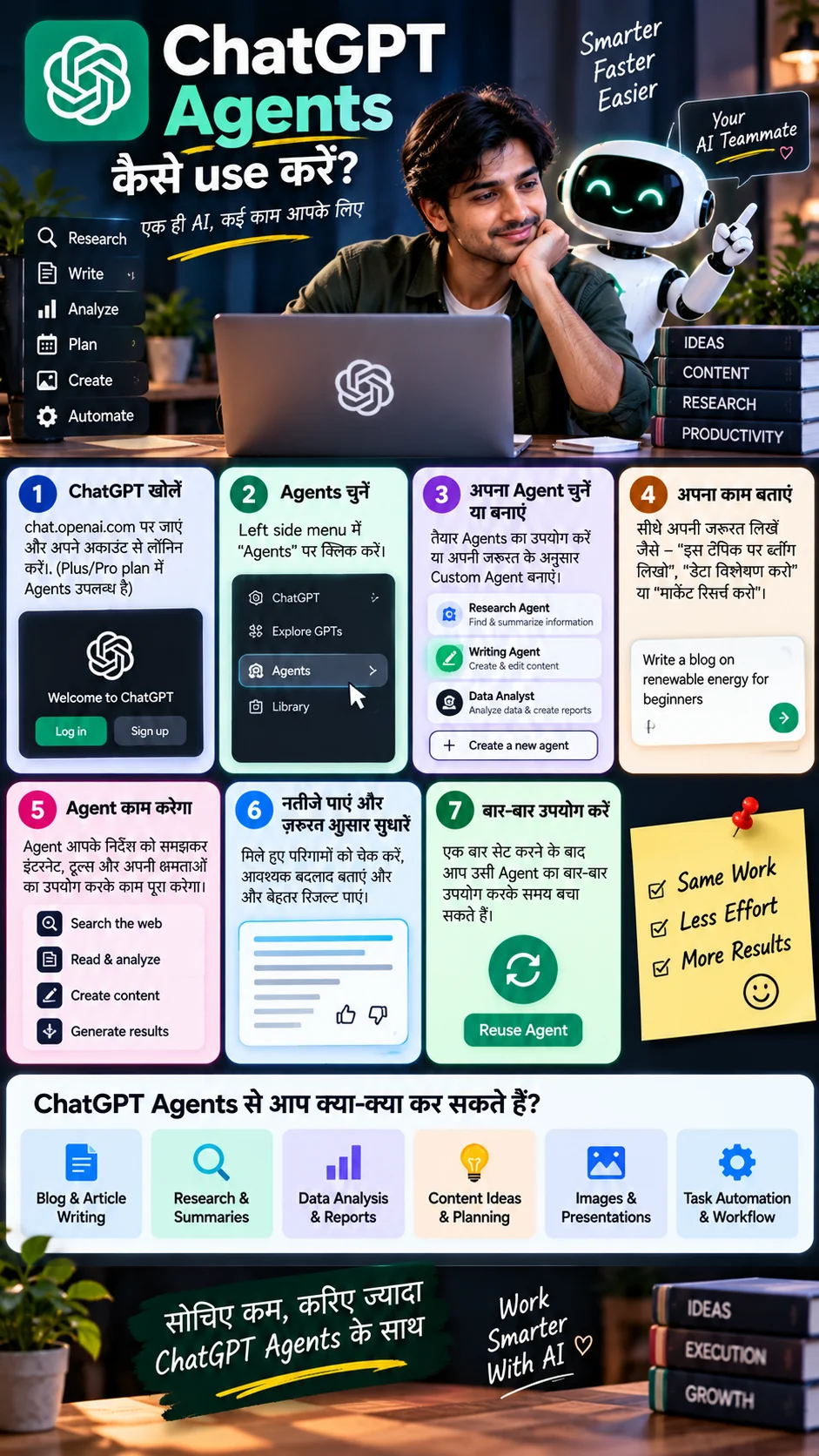
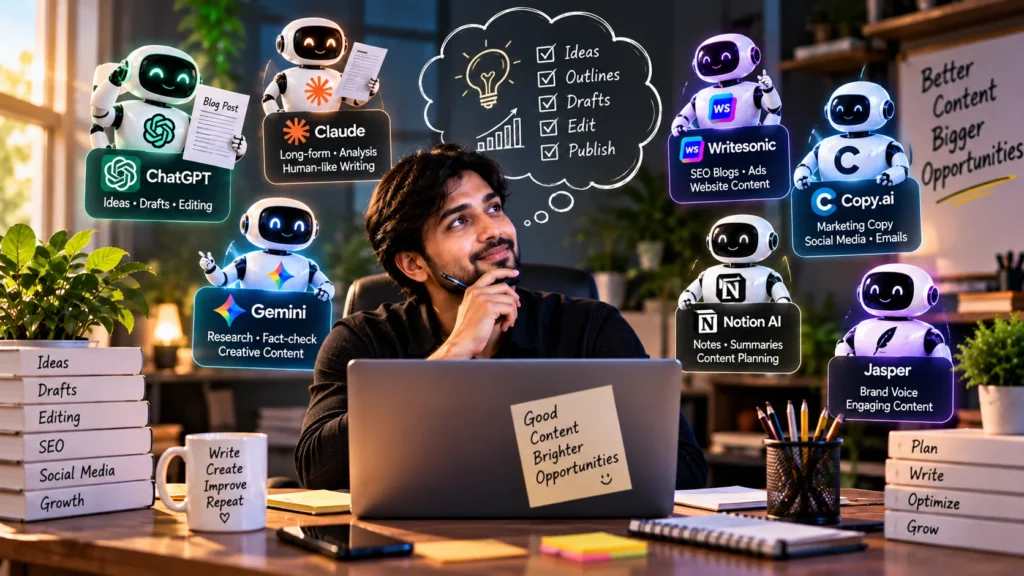
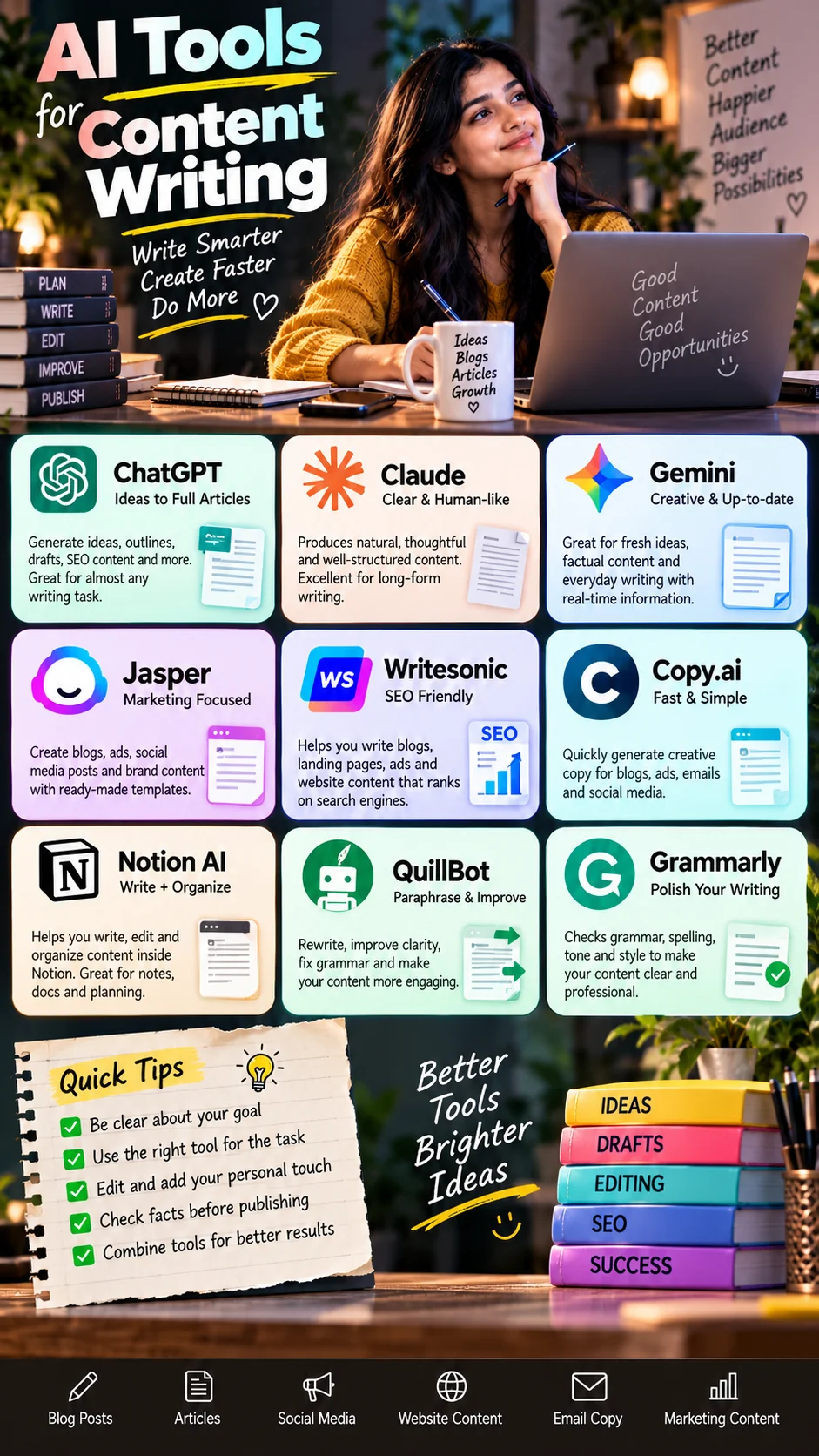
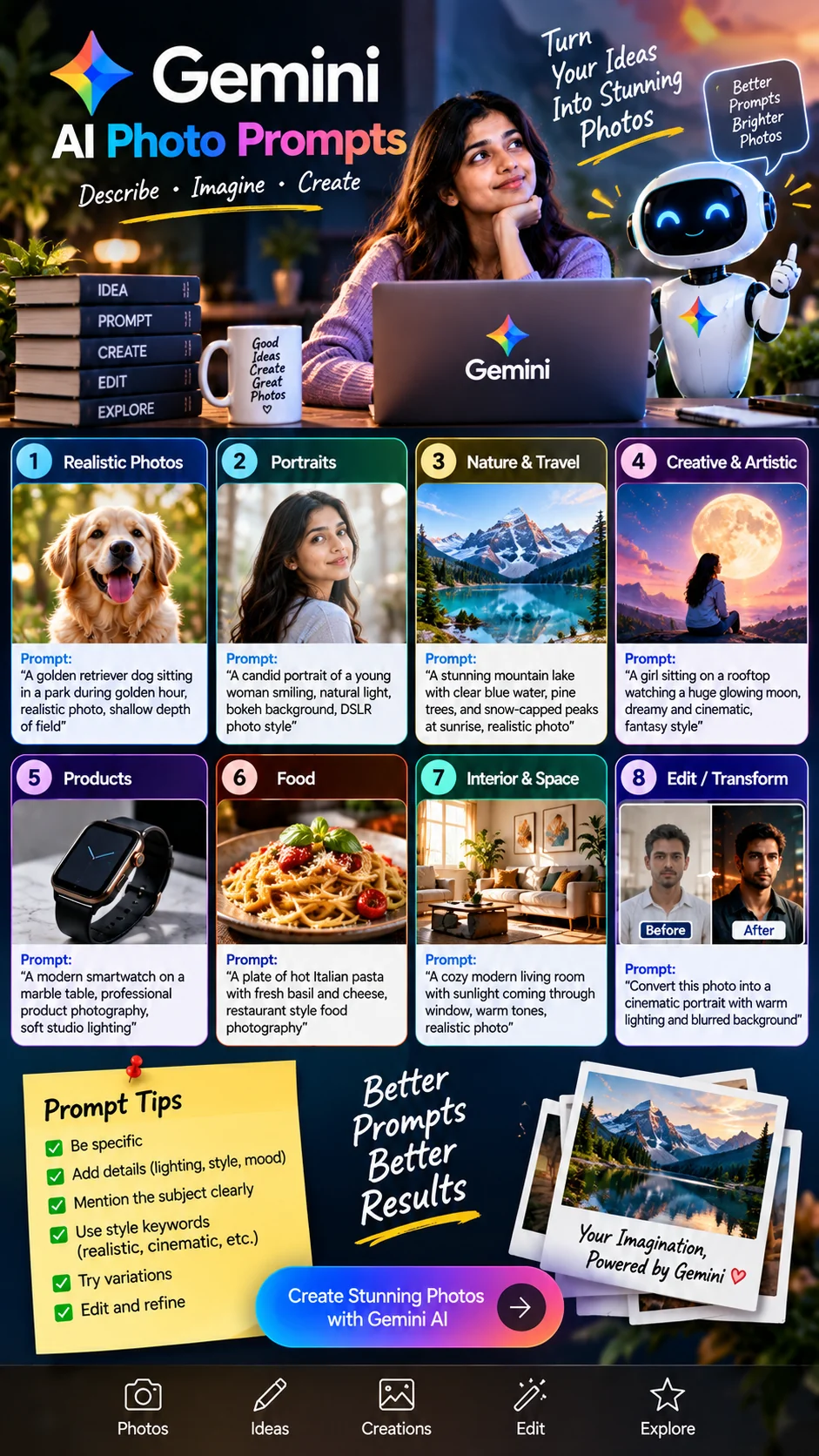
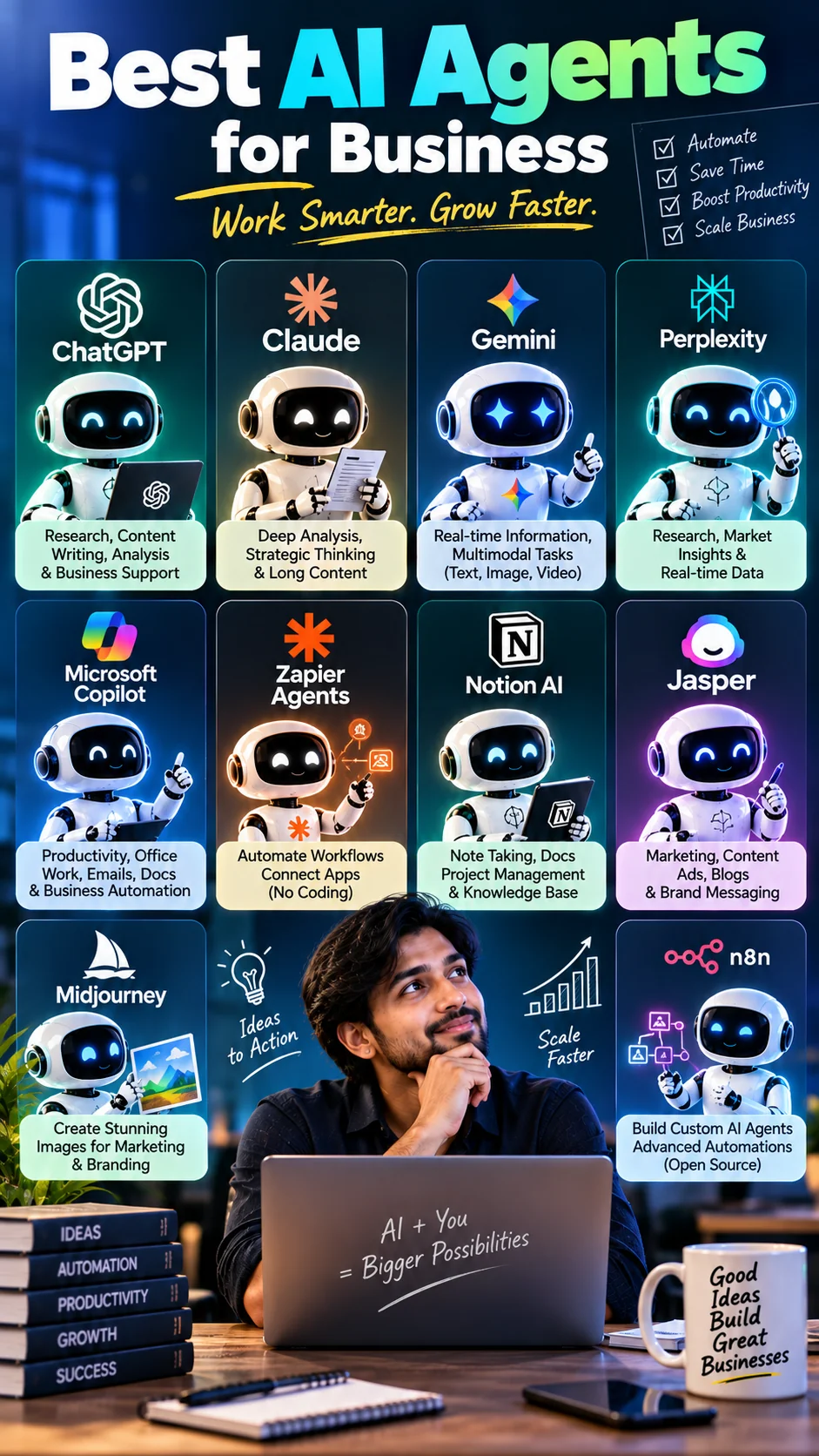
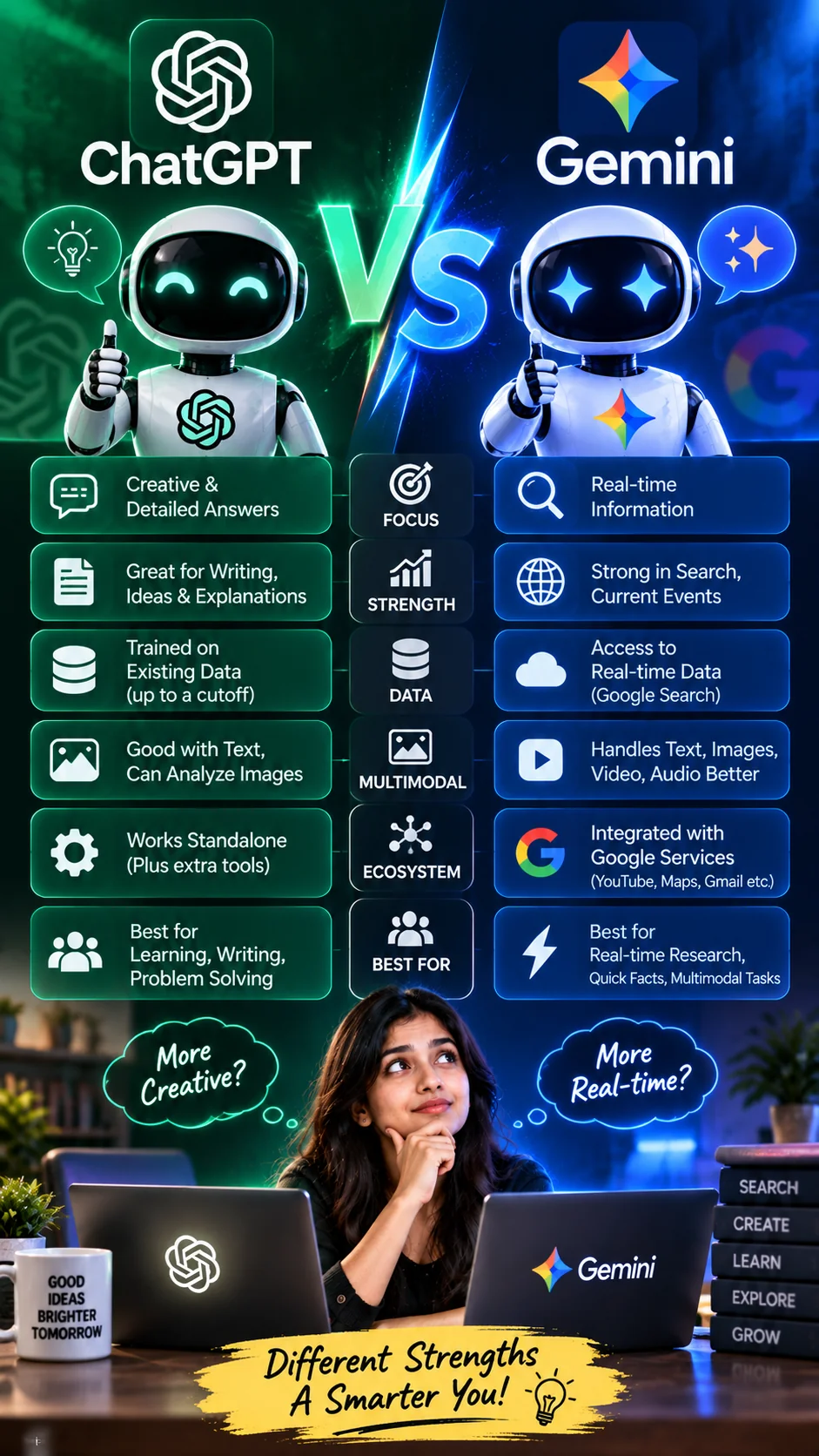
अगर और गहराई चाहिए तो related posts पढ़ो — AGI, jobs, deepfake, skills। Tools side के लिए ChatGPT Agents / content tools / ChatGPT vs Gemini भी useful हैं। Image fraud के लिए AI photo spotting गाइड देखो। एक बैठक में सब खत्म करने की ज़रूरत नहीं। एक concept साफ करो, फिर अगला। Future की तैयारी marathon है; 30-second reel नहीं।
Advice
भाई, सीधी बात — Singularity और AI Safety को horror movie मत बनाओ, और न ही “ignore करो सब झूठ है” वाले आराम में सो जाओ। बीच का रास्ता समझदारी है। Singularity एक hypothetical frame है; AI safety आज की ज़िम्मेदारी भी है। Alignment का essence तुम्हारे रोज़ के use में भी है: साफ इरादा, constraints, और human review। जब tool तेज़ जवाब दे, तब भी दिमाग online रखो — speed convenience है, truth certificate नहीं।
फेक आँकड़े और fixed doomsday dates से life plan मत बनाओ। Calendar वाली डर-बिक्री अक्सर course या click बेचती है, clarity नहीं। Privacy रखो — OTP, पासवर्ड, docs। Fraud से बचो — deepfake video “सबूत” नहीं। Skills बढ़ाओ — prompting, critical thinking, अपने domain की गहराई। Output verify करो — names, numbers, links। बच्चों और juniors को curiosity + caution दोनों दो। Office में “AI ने कहा इसलिए सही” वाली culture मत पलने दो; review को normal process बनाओ।
Students: concept खुद समझो, shortcut को learning मत समझो। Job वालों: task audit करो — कहाँ AI assist, कहाँ तुम्हारी judgment irreplaceable है। Business वालों: cost बचाना ठीक है, customer trust सस्ता मत बेचो। Parents: home में healthy talk रखो — ना denial, ना nightmare stories हर रात। Creators: views के लिए baseless doom मत फैलाओ; context दो। Har role में एक ही principle: powerful tools + weak judgment = risk; powerful tools + strong judgment = leverage।
Tumhara control zone छोटा लग सकता है, लेकिन वही सबसे real है — आज के 30–40 मिनट का learning, weekly verification habit, और safer defaults। Long game: adaptable रहो, honest रहो, panic merchants से दूरी रखो। जब कोई बोले “सब खत्म,” पूछो — क्या evidence? कब? किस assumption पर? जब कोई बोले “कुछ नहीं होगा,” पूछो — आज के fraud/privacy/skill shifts का क्या? सवाल पूछना ही पहली safety skill है। डर बाज़ार में सस्ता है; समझ महँगी लगती है — लेकिन टिकती वही है।
FAQ — Singularity और AI Safety
1) Singularity मतलब क्या होता है?
ये एक hypothetical idea है कि AI इतना सक्षम/तेज़ हो जाए कि बदलाव इंसान की सामान्य नियंत्रण क्षमता से आगे निकल जाए। कोई guaranteed calendar event नहीं; experts में disagreement है।
2) AI Safety और Alignment में फर्क क्या है?
AI Safety व्यापक छतरी है — harm कम करना (आज और भविष्य)। Alignment उसका महत्वपूर्ण हिस्सा है — सिस्टम का व्यवहार human intent/values के करीब रहे। रोज़मर्रा में: clear instructions + review + privacy/fraud caution।
3) क्या हमें अभी से panic करना चाहिए?
Panic helpful नहीं। बेहतर: skills, verification, privacy, deepfake awareness, और honest learning। Vague dread को specific, checkable actions में तोड़ो।
4) भारत में सबसे practical तैयारी क्या है?
AI tools literacy + critical thinking + domain skill, साथ में fraud/privacy hygiene। Jobs/skills और deepfake गाइड्स पढ़कर अपना plan बनाओ — thumbnail dates पर नहीं।
5) क्या इस लेख में doomsday percentages हैं?
नहीं। Vista Hub style: आसान भाषा, बिना गढ़े doom/growth आँकड़ों के। Uncertainty acknowledge करते हुए practical समझ।
Disclaimer: यह लेख informational explainer है — singularity/AI safety पर आसान परिचय। कोई guaranteed timeline, apocalypse prediction, या invented statistics नहीं। Research और policies बदलती रहती हैं। Career / financial / medical / legal निर्णय से पहले primary sources और qualified advisors से verify करें। Views informational हैं, advice-as-guarantee नहीं।