What are the health benefits of eating radish (mooli)?
Radish, or ‘mooli’ as it’s commonly known in many parts of India and among the NRI community, is more than just a crunchy salad ingredient. This humble root vegetable is a powerhouse of nutrients and offers a wide array of health benefits. Whether you enjoy it raw in salads, pickled, or cooked in curries, incorporating radish into your diet can significantly contribute to your overall well-being.
Boosts Immunity and Fights Infections
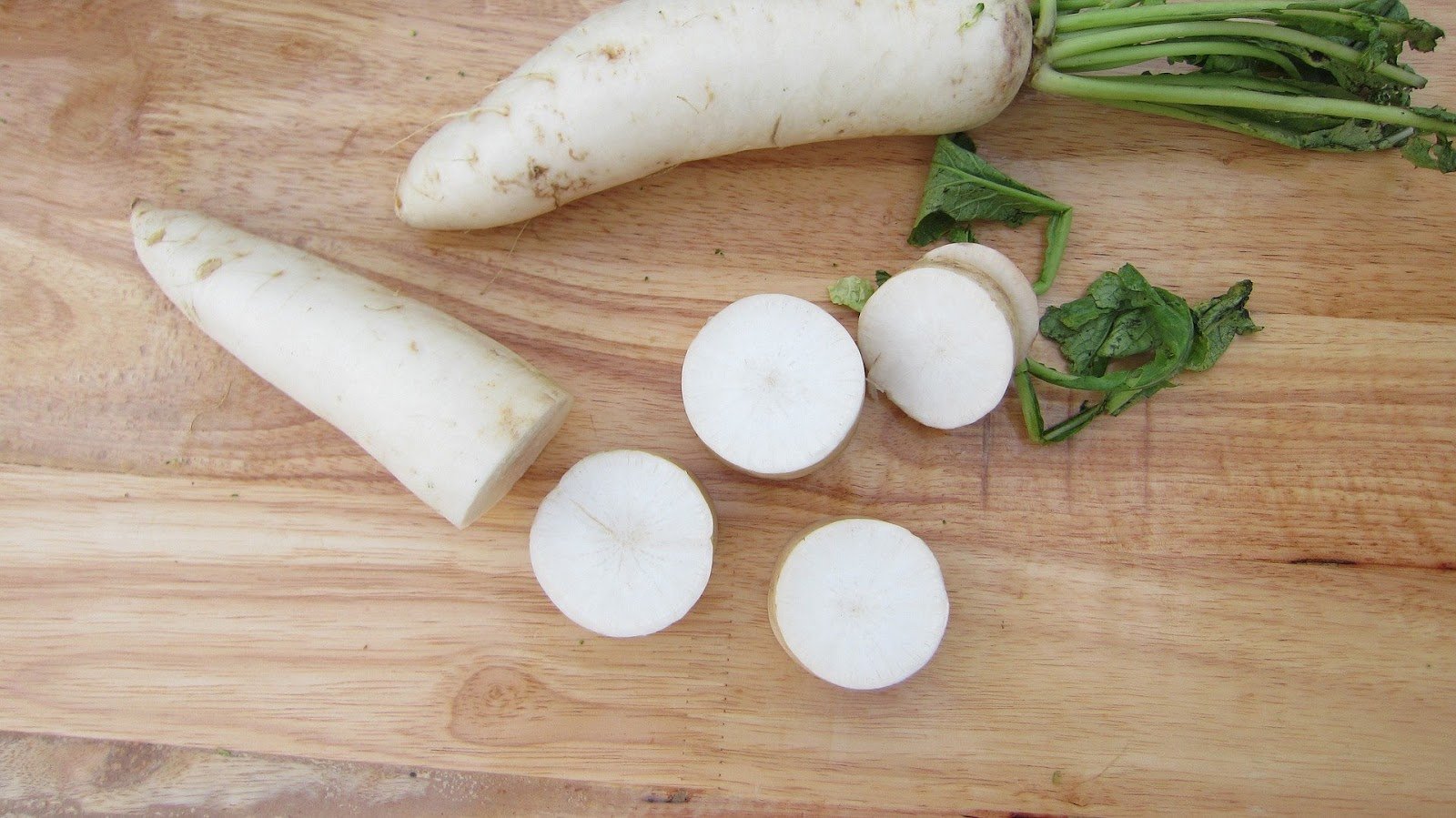
Radishes possess natural antibacterial properties that help ward off infections and strengthen your body’s defence mechanisms. Regular consumption can reduce the likelihood of falling ill. It’s often recommended to consume radish during the day, particularly in the morning or afternoon, to maximize its benefits.
Helps Manage Blood Pressure
For individuals concerned about high blood pressure, radish can be a beneficial addition to their diet. It contains a good amount of potassium, a mineral known to help regulate blood pressure levels. By consuming radish, you can contribute to keeping your blood pressure within a healthy range.
Benefits for Eye Health
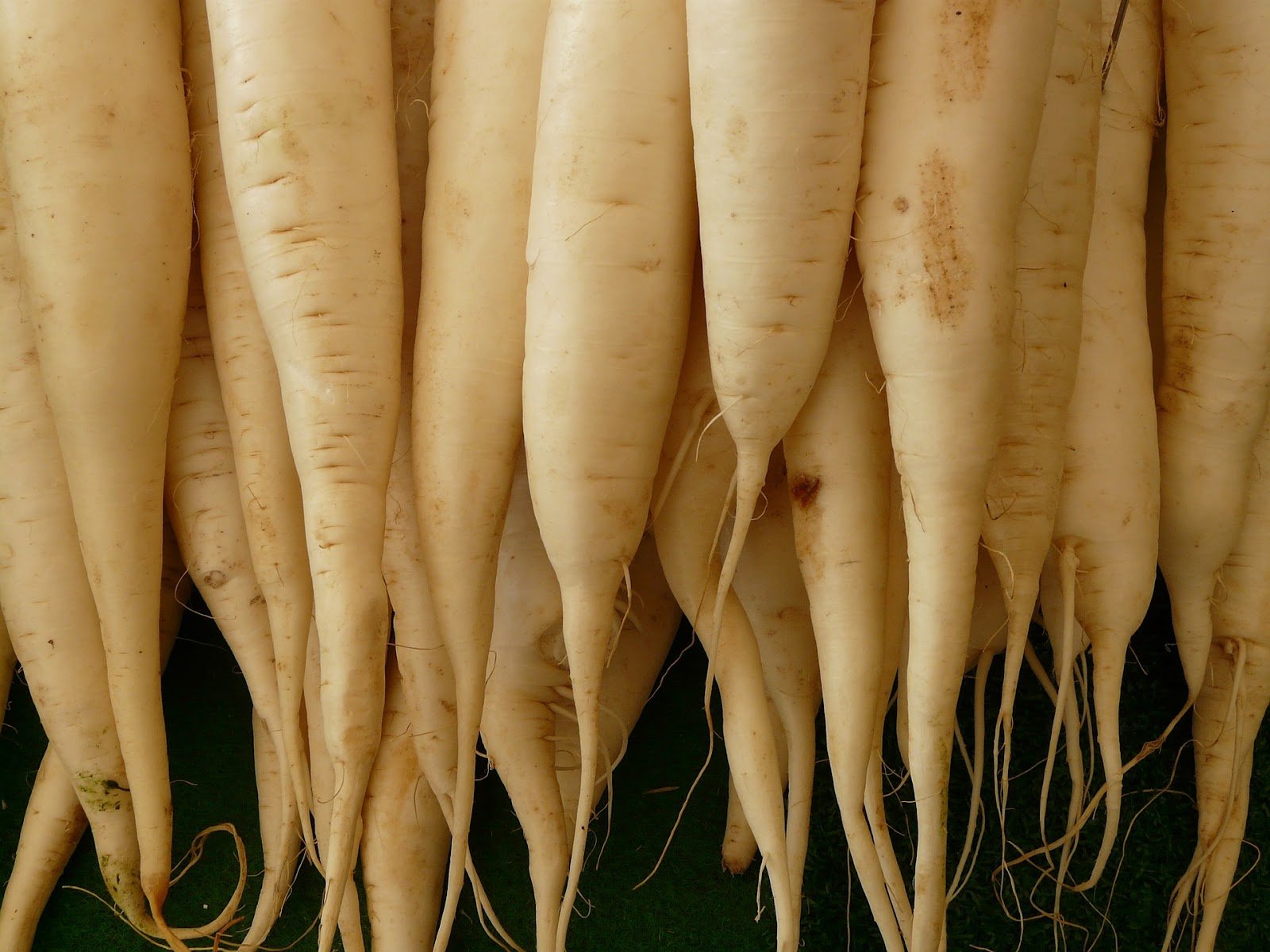
Rich in essential vitamins like A, B, and C, radishes are excellent for maintaining good vision. Vitamin A, in particular, is crucial for eye health. Including a radish in your daily diet can contribute to better eyesight and may help prevent age-related vision issues.
Aids in Digestion and Prevents Constipation
The high fiber content in radishes makes them an effective remedy for digestive problems. Fiber adds bulk to your stool, promoting regular bowel movements and preventing constipation. A healthy digestive system is key to overall health, and radish plays a supportive role.
Supports Kidney Health and Detoxification
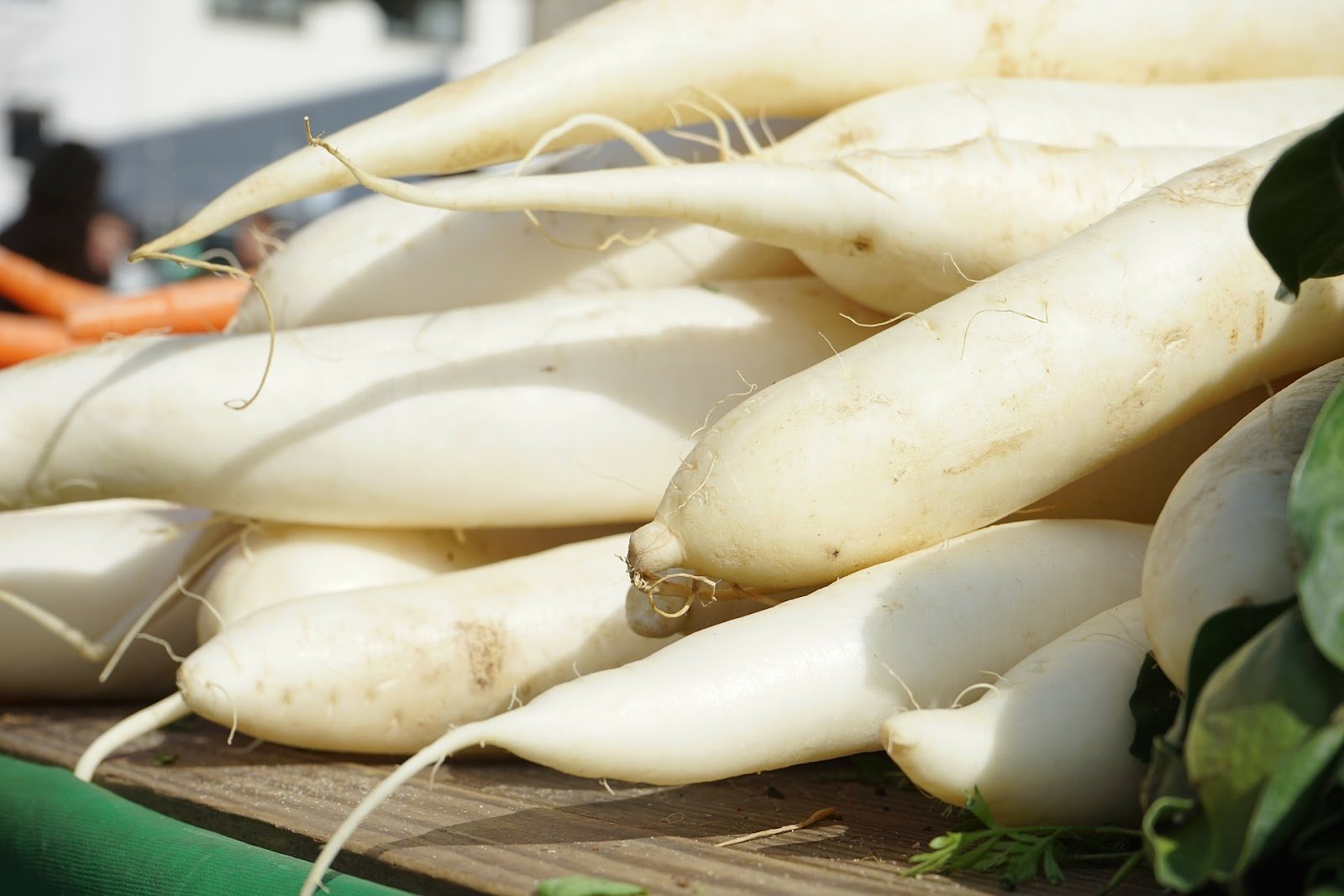
Radishes are known for their diuretic properties, which means they can help flush out toxins from the body. By promoting urination, radishes aid the kidneys in eliminating waste products and preventing the buildup of harmful substances. This detoxification process also contributes to a cleaner digestive system and improved overall health.
May Help Manage Blood Sugar Levels
For individuals managing diabetes, radish can be a beneficial food. Its consumption is not typically associated with a spike in blood sugar levels, making it a suitable option for diabetic patients looking for healthy additions to their diet. However, it’s always advisable to consult with a healthcare provider for personalized dietary advice.
Frequently Asked Questions about Radish (Mooli)
Q1: Is it good to eat radish every day?
Yes, eating radish daily can offer numerous health benefits due to its rich nutrient profile. However, moderation is key, and it’s advisable to listen to your body. If you have any specific health conditions, consulting a healthcare professional is recommended.
Q2: What are the side effects of eating radish?
Radish is generally safe for consumption. However, in some individuals, excessive intake might lead to gas or bloating, especially if consumed in large quantities or by those with sensitive digestive systems. People with certain medical conditions should consult their doctor before making significant dietary changes.
Q3: When is the best time to eat radish?
While radish can be consumed at any time, it is often suggested to eat it during the day, particularly in the morning or afternoon. This timing is believed to help in maximizing its digestive and nutritional benefits.
Q4: Can radish help with weight loss?
Radish is low in calories and high in fiber and water content, which can contribute to a feeling of fullness. This can be helpful for individuals trying to manage their weight as part of a balanced diet and healthy lifestyle.
Q5: How does radish benefit the skin?
The antioxidants and vitamins present in radish, particularly Vitamin C, can contribute to healthier skin by fighting free radicals and promoting collagen production. Its hydrating properties also help in maintaining skin moisture.
In conclusion, radish (mooli) is a nutritious and beneficial vegetable that deserves a regular spot in your diet. Its diverse health advantages, from boosting immunity to aiding digestion and supporting vital organ functions, make it a valuable addition for anyone seeking a healthier lifestyle.