Most people hunting a wet-haired girl want one frame — a body crawling out of a television. That frame belongs to 1998’s Ringu. The name is Sadako Yamamura. In India the query often lands as Sadako TV, Ringu film, seven-day ghost. All three repeat one error. Sadako is not only a “TV ghost.” She is a girl who died in a well, whose rage travels as a cassette.
The story comes from Koji Suzuki’s novel. Hideo Nakata’s film gave it a global face. The mother, Shizuko, was a medium. The daughter Sadako held more power. A crowd broke the mother. Dr. Ikuma, the father, pushed the girl down a well. She lived below for a time, then died. What remained became a curse — a videotape. A viewer’s clock runs seven days.
Okiku’s well, a new virus
A well-spirit is not new in Japan. The Okiku tale is centuries old — nine plates, a count, a well. Nakata walked that well into a 1990s living room. The change: Sadako does not stay in one house. She moves by copy. Show the tape, the curse slides. That is not the old ghost’s habit. It is a virus’s habit.
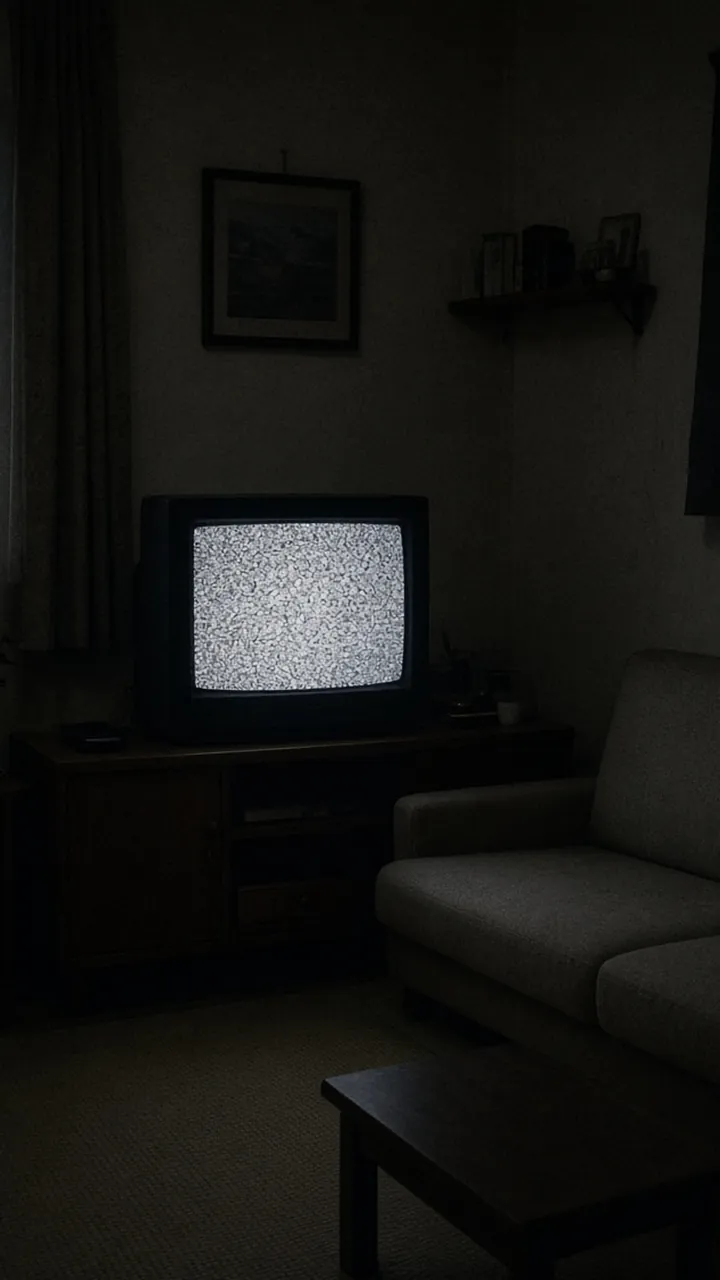
That is why she needs a page apart from Annabelle and Chucky. Annabelle is an object. Chucky is a killer who became a toy. Sadako is a broadcast. Fear comes from inside the same screen the audience is watching. The fourth wall drops there.
Seven days, and not Samara
A phone rings. A sentence: seven days. People fold the remake’s Samara into Sadako. Samara belongs to the 2002 American The Ring. Both have a well. Both have hair. Names, parents, the island, the horses — those are the remake. Samara gets the next chapter. This page keeps the Japanese well. Treating both as one face is lazy search.
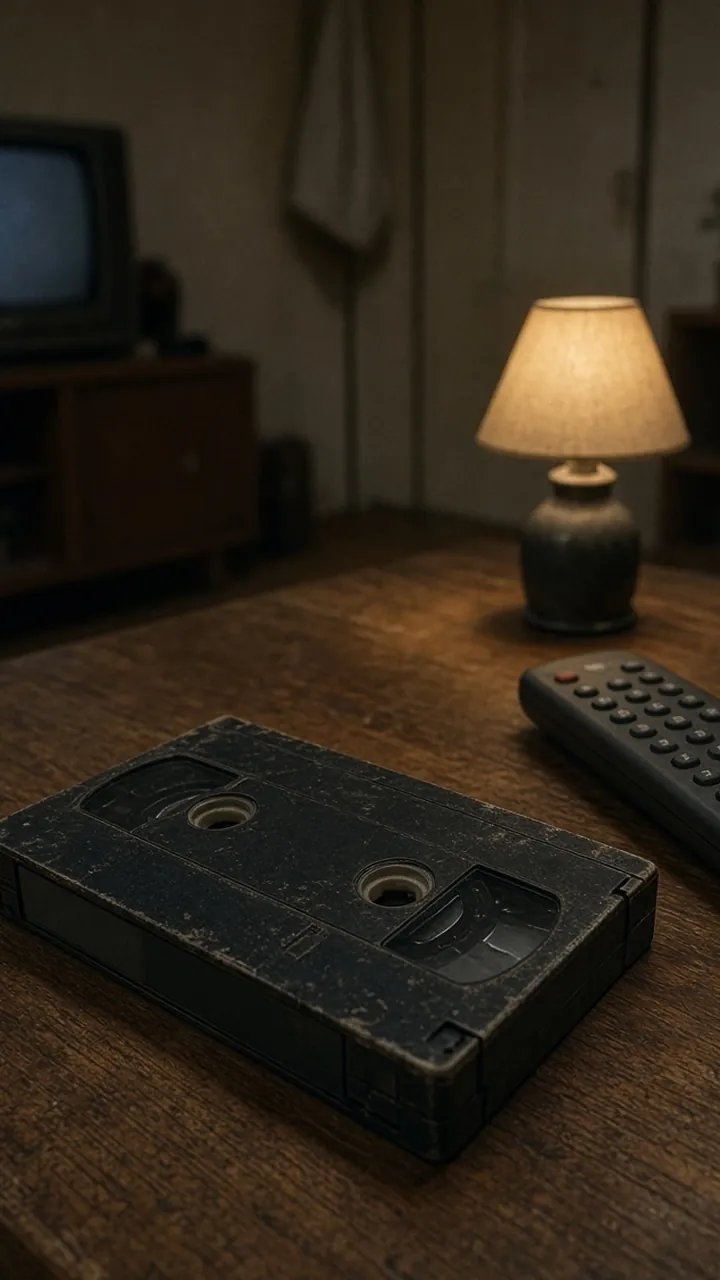
Kayako is locked in another house — stairs, a home’s curse, no tape leaving the door. Sadako leaves the house and enters the cable. Two roads in J-horror split here: rage of a place, and rage that copies.
Is Sadako real?
Wells in Japan are real. Okiku is folklore. Suzuki’s book is a novel. The 1998 film is a film. A school rumour about a cursed VHS existed; Nakata built a plot from that rumour. No official file says a girl climbs out of a tape to kill. What climbs is a camera move.
In India people ask if the tape is on the internet. Old cassettes are props now. Clips that circulate are film scenes or fan copies. Forwarding them as a “real curse” is a joke on the same virus the story warned about — copy, spread, live. The film’s way to survive is not moral. It is epidemic.
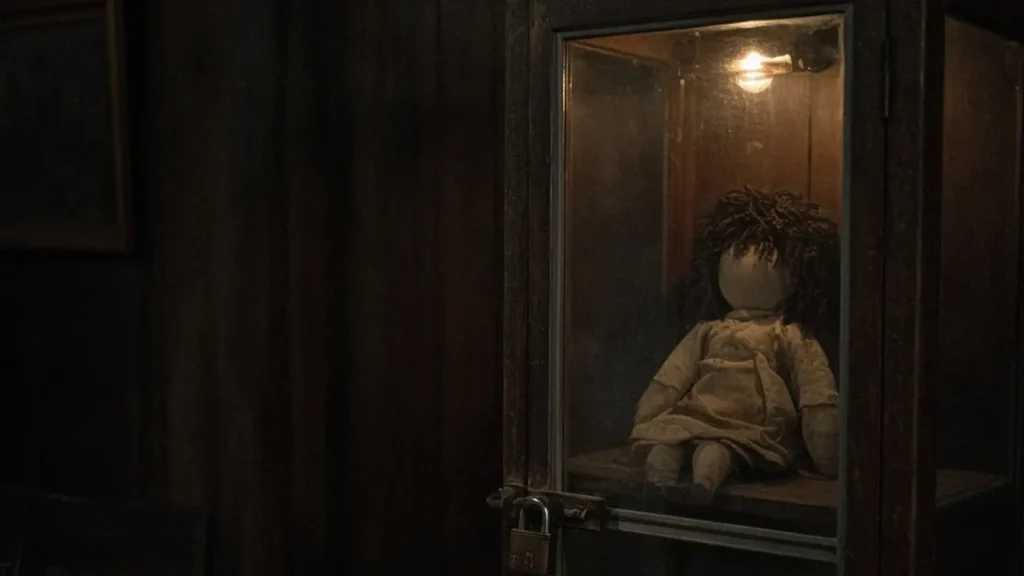
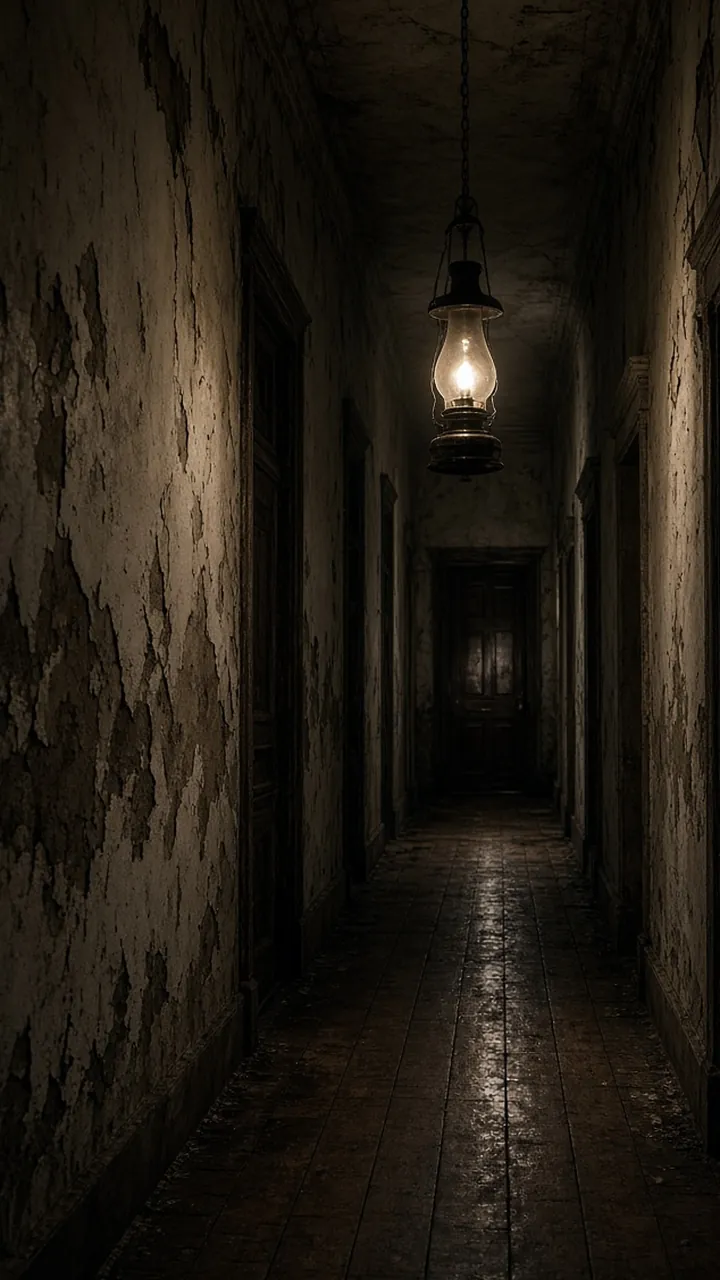
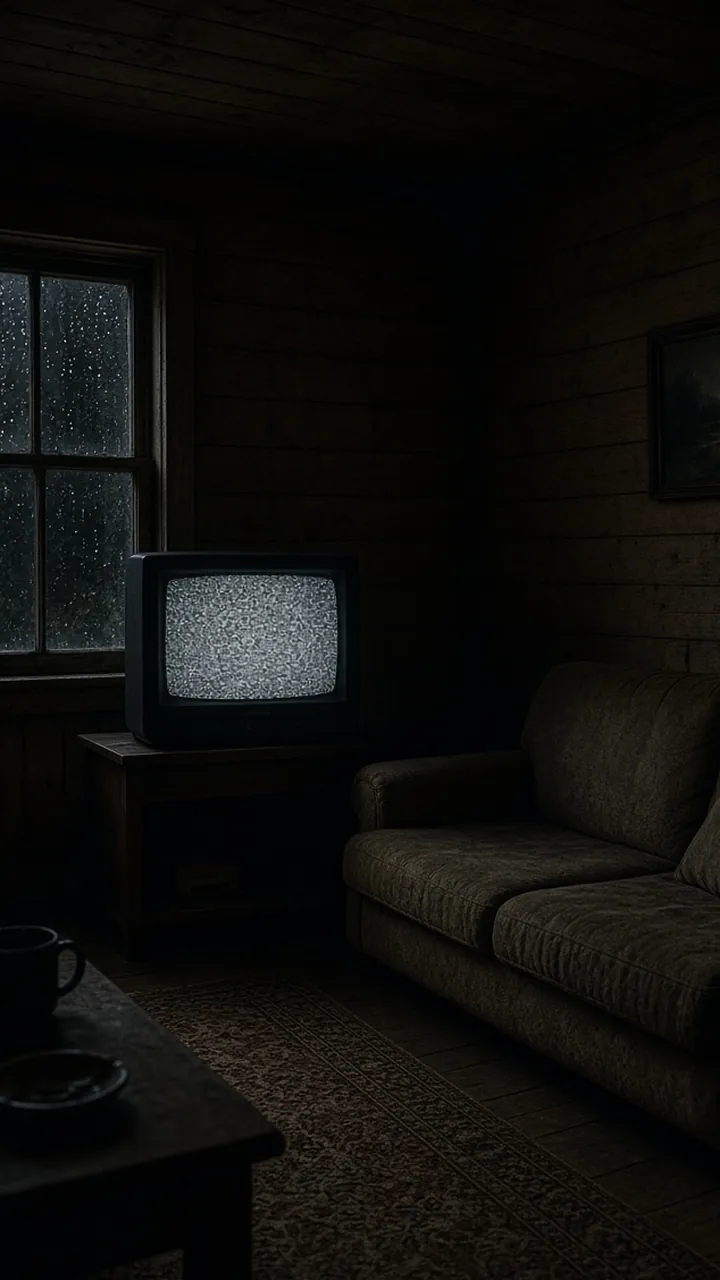
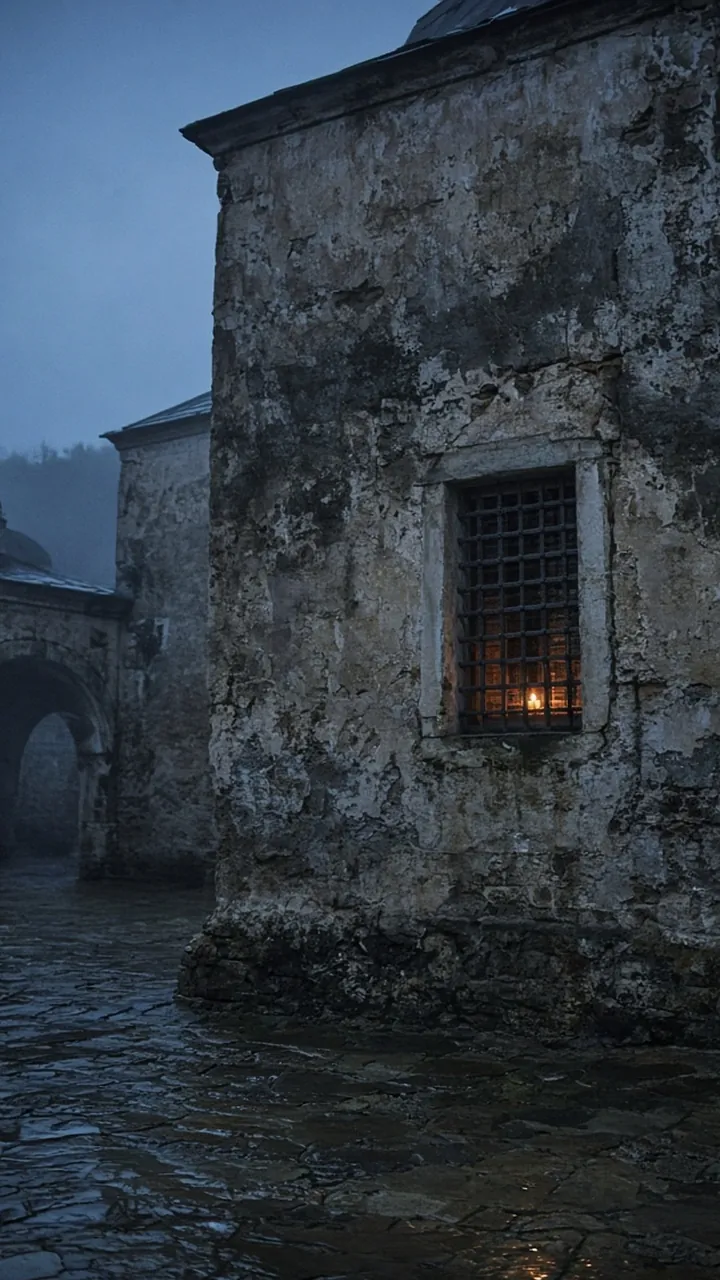
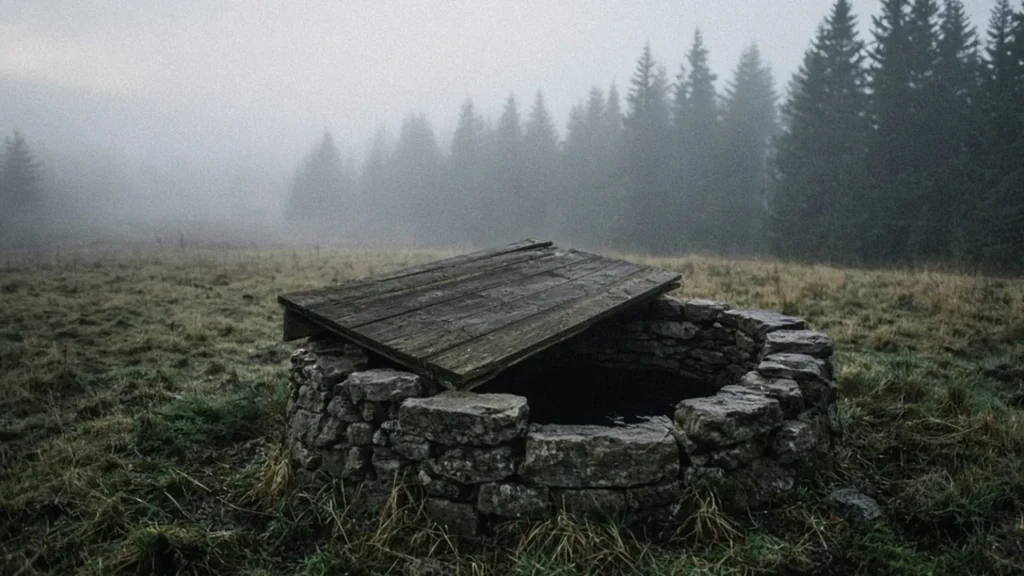
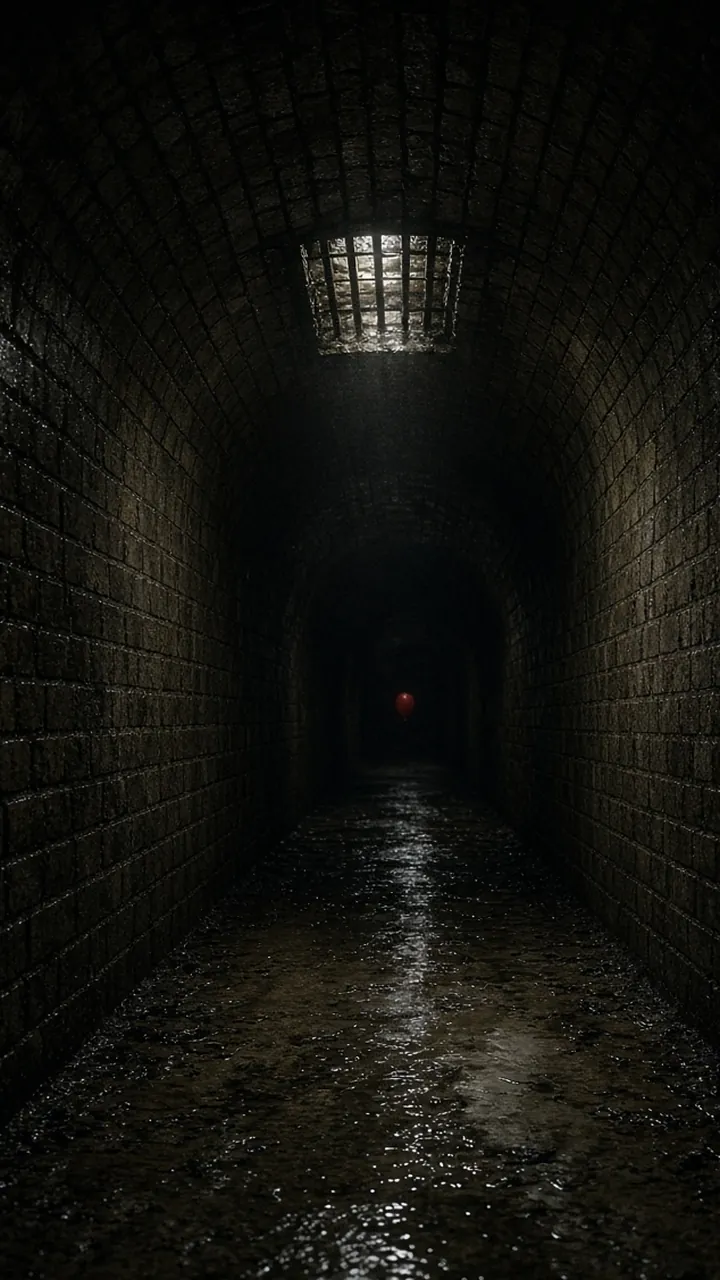
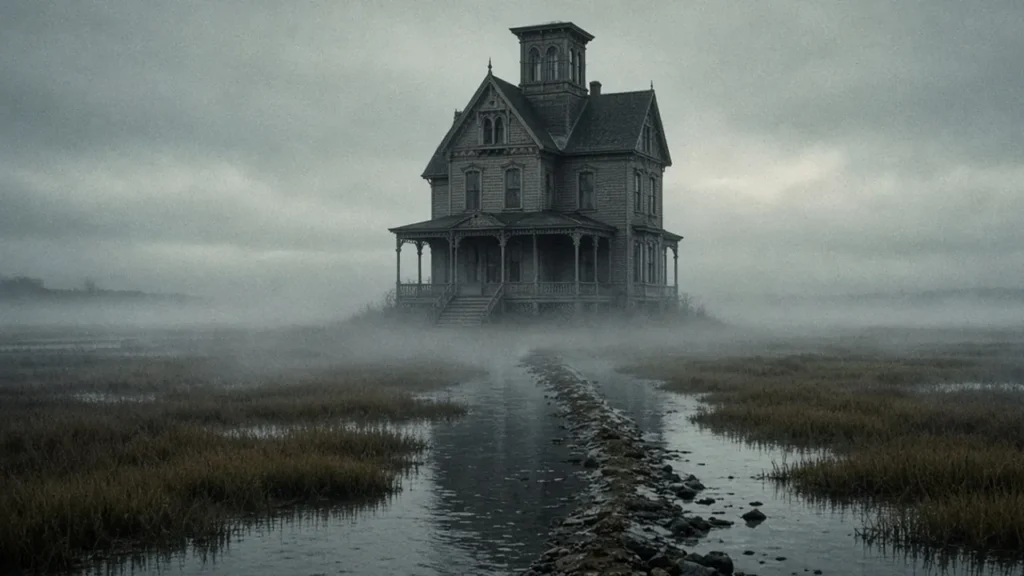
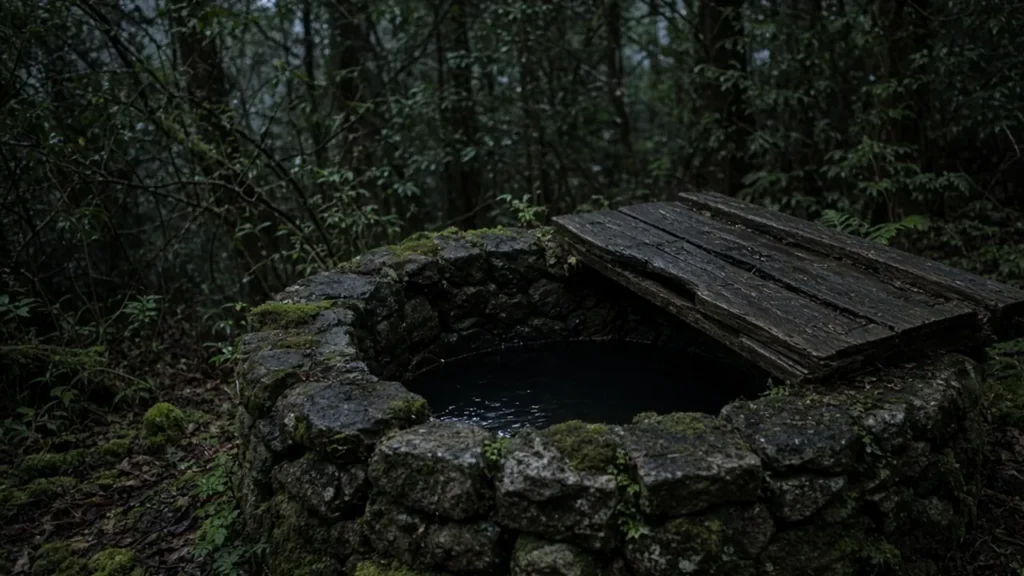
There is no face on this page on purpose. There is a well, static, a tape. The crawl frame is not rebuilt because that frame already lives online, and it belongs to a film. The mouth of a well is enough. Someone typing Sadako true story at night needs three lines. The girl is fiction. The well is old. Seven days is a camera rule. Switching off the TV does not lift the curse. Closing the story does.