Why Jatinga Bird Deaths Became One of India’s Most Famous Nature Mysteries
Jatinga, a small village in Assam, has attracted worldwide curiosity because of a strange natural event involving birds. For many years, stories about this place described it as a location where birds “commit suicide”. The phrase became popular because the event appeared unusual and difficult for ordinary people to understand.
However, science looks at the Jatinga mystery from a different perspective. There is no scientific evidence that birds intentionally decide to end their lives. Instead, researchers and nature observers focus on environmental conditions, weather patterns, visibility, light and possible disorientation to understand why unusual bird behaviour may occur in this area.
The story of Jatinga shows how humans often create explanations when they encounter something unfamiliar. Throughout history, many natural events were first considered mysterious because people did not have enough information about the processes behind them. Later, scientific observation helped explain many of those events.
Jatinga remains fascinating because it represents the connection between nature, curiosity and scientific investigation. The mystery is not about a dramatic story of birds making a decision. It is about understanding how living creatures interact with their surroundings.
When we hear about unusual events in nature, the first reaction is often surprise. But the better question is: what natural conditions could create this behaviour? That change in thinking helps us move from myths toward knowledge.
Jatinga Assam Mystery: How Did the Bird Suicide Myth Spread?
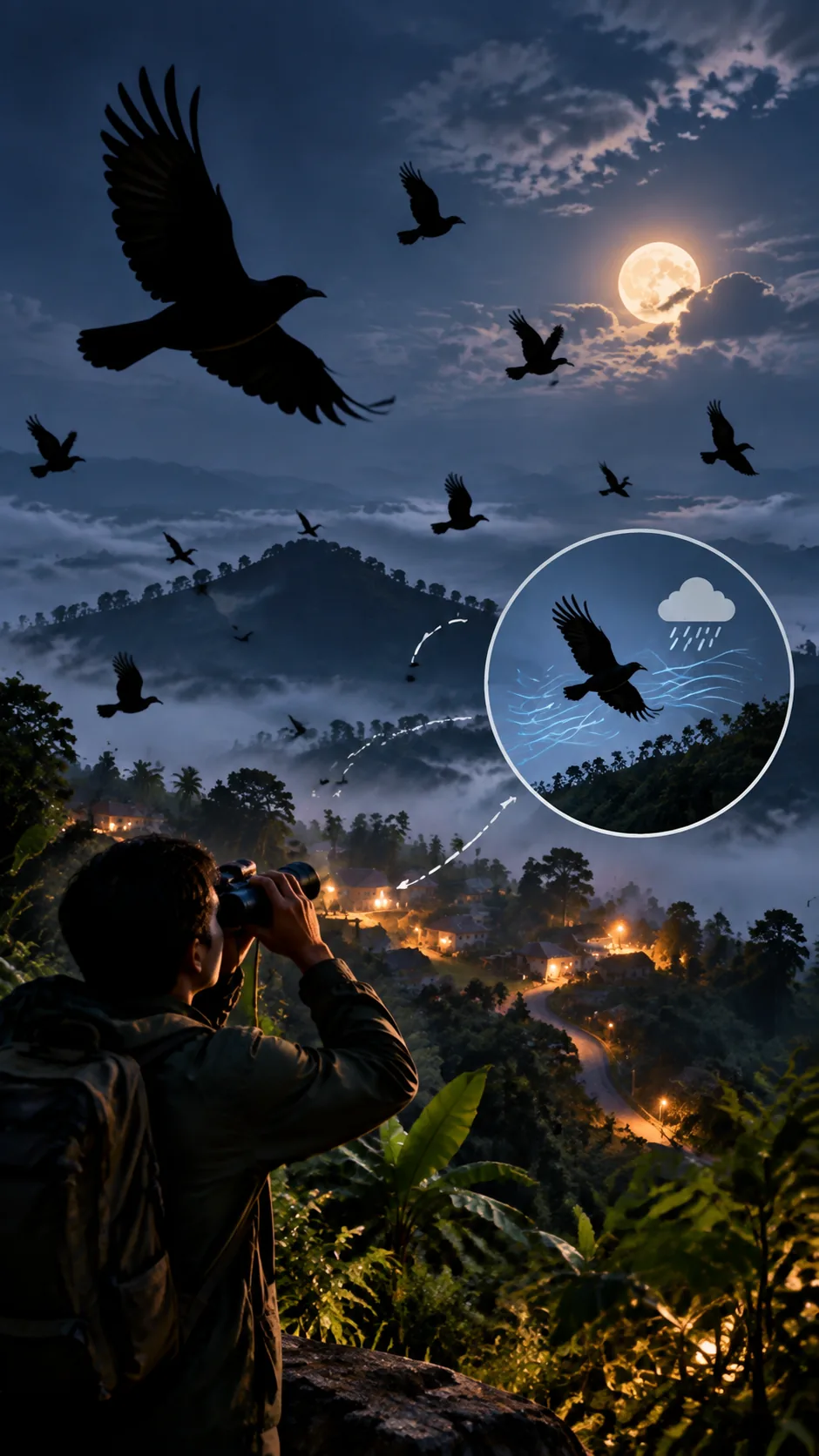
The phrase “Jatinga bird suicide” became widely known because it created a simple and dramatic explanation for a complex natural event. When people observed birds behaving differently under certain conditions, the event was given a name that made it easier to remember and share.
Before modern scientific information became easily available, many natural events were explained through local stories and beliefs. Communities often used the knowledge available to them at that time. These stories became part of local discussions and later spread to a wider audience.
However, the word “suicide” is not considered scientifically accurate when discussing animal behaviour in this context. Suicide involves intention and decision-making, while bird behaviour is influenced by biological systems and environmental signals.
Animals respond to their surroundings in ways that humans may not immediately understand. Weather changes, migration patterns, visibility conditions and natural instincts all play a role in how birds move and behave.
The Jatinga story teaches an important lesson about information. A popular explanation can become famous, but popularity does not always mean scientific accuracy. To understand nature, we need evidence, observation and careful study.
Weather, Light and Disorientation: What Science Suggests About Jatinga
Birds are highly connected with their environment. Their movement depends on many natural signals, including weather conditions, visibility, landscape features and other environmental factors. When these signals change, bird behaviour can also change.
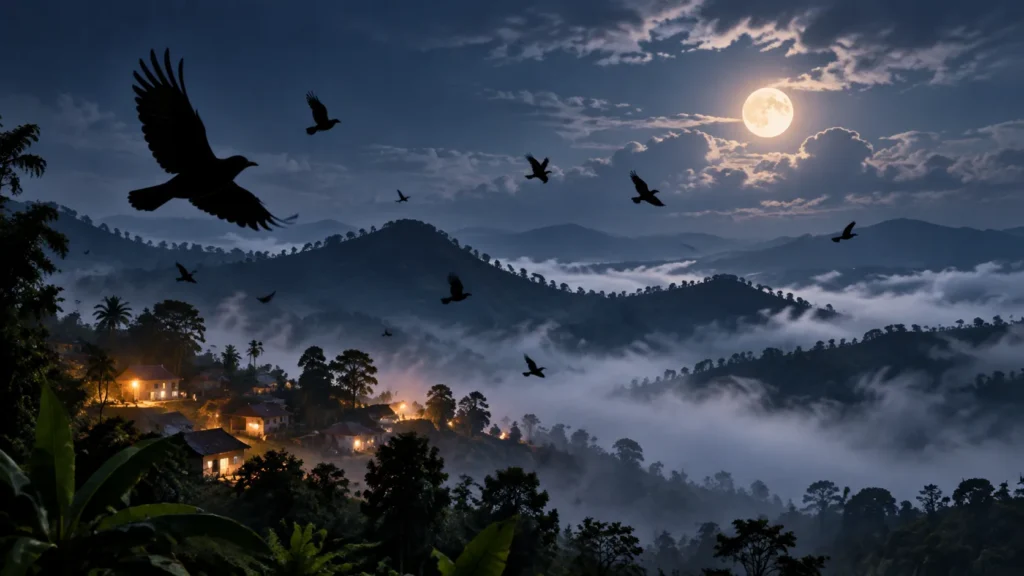
In the case of Jatinga, scientists and nature experts have discussed factors such as fog, wind, low visibility and artificial lighting as possible contributors to unusual bird movement during specific conditions.
Birds use natural abilities to navigate through their surroundings. During certain situations, these abilities may be affected by environmental changes. This does not mean birds are choosing a particular outcome. It means their normal behaviour may be influenced by conditions around them.
Nature often works through complicated systems. A small change in temperature, light or weather can affect animals in ways that humans may not notice immediately.
The Jatinga event is a reminder that animal behaviour should be understood through biology and ecology rather than human emotions. Instead of assuming that animals think and act exactly like humans, science studies how each species responds according to its own natural systems.
FACT: Jatinga is a famous natural phenomenon in Assam associated with unusual bird behaviour during specific conditions. Scientists do not describe it as bird suicide; environmental factors such as weather, light and possible disorientation are considered important in understanding the event.
Jatinga Bird Deaths: Separating Internet Stories From Scientific Understanding
The internet has made mysterious stories easier to spread. A short, dramatic explanation often attracts more attention than a detailed scientific explanation. The Jatinga mystery is one example where a catchy phrase became more famous than the actual scientific discussion.
When people search for “Jatinga bird deaths” or “Jatinga bird suicide”, they often find many different versions of the story. Some focus only on mystery, while others try to explain the natural side of the event.
Science does not remove the wonder from nature. Instead, it adds deeper understanding. Knowing that an event may be connected with environmental conditions does not make it less interesting. In many ways, it makes nature even more fascinating because it reveals how connected living beings are with their surroundings.
A responsible way to look at unusual events is to ask questions. What conditions are present? What patterns have been observed? What explanations are supported by evidence?
This approach helps prevent misinformation. It also encourages people to respect nature rather than turning every unexplained event into a frightening or exaggerated story.
Jatinga is not just a mystery about birds. It is also a lesson about how humans understand the natural world.
What Jatinga Teaches Us About Nature and Scientific Thinking
The story of Jatinga provides a valuable lesson about curiosity and learning. Nature is full of surprising events, and many of them encourage people to explore, research and ask questions.
Birds are an important part of ecosystems. Their behaviour is connected with seasons, climate, food sources, migration and environmental changes. Understanding these connections helps humans protect biodiversity and appreciate the complexity of the natural world.
The biggest lesson from Jatinga is that curiosity should be combined with scientific thinking. Being amazed by a natural event is good, but understanding it requires patience and reliable information.
Many mysteries in history have slowly become understandable as science developed. This does not make those mysteries boring. Instead, it shows the power of observation and learning.
Jatinga reminds us that nature does not always work in ways that are immediately obvious. Sometimes, the answer is not a dramatic story but a combination of many small natural factors working together.
How Should We Understand Natural Mysteries in the Modern Age?
Today, information travels faster than ever. A story from a small village can reach millions of people within hours. This makes it even more important to check information carefully.
Natural mysteries are interesting because they create curiosity. But curiosity should lead to learning, not confusion. When we read about unusual events, we should look for explanations based on science, research and observation.
Jatinga is a perfect example of why this approach matters. The event remains fascinating, but understanding it requires looking beyond the simple “suicide” label.
Science encourages people to stay curious while also being careful about conclusions. It allows us to appreciate nature without creating unnecessary fear or false stories.
The natural world is already amazing without adding myths. Every bird, forest, mountain and ecosystem has its own story. Learning those stories through science helps us develop a deeper connection with the planet.
Advice
When you come across a mysterious nature story online, take a moment before accepting the first explanation you see. Check whether the information comes from reliable sources and whether experts have studied the topic.
Mysteries are valuable because they encourage questions. But questions need evidence-based answers. A scientific explanation does not make a natural event less beautiful. Instead, it helps us understand the hidden systems working behind it.
The Jatinga story is a reminder that nature deserves curiosity and respect. Instead of searching only for dramatic explanations, try to understand the relationship between animals and their environment.
💡 Remember: The most surprising natural events often have natural explanations waiting to be discovered.
FAQ
Q1. Is the Jatinga bird suicide story scientifically proven?
No. Scientists do not consider it a proven case of birds intentionally choosing death. The event is studied as unusual bird behaviour connected with environmental conditions.
Q2. Where is Jatinga located?
Jatinga is a village in Assam, India, known internationally because of this unusual natural phenomenon.
Q3. Why is Jatinga famous?
Jatinga is famous because of reports of unusual bird behaviour during specific weather and environmental conditions.
Q4. What factors are linked with the Jatinga phenomenon?
Weather conditions, lighting and possible disorientation are among the natural factors discussed when explaining the event.
Q5. Should Jatinga be considered a mystery or a scientific topic?
It can be both. It is a fascinating natural event that continues to attract curiosity while being studied through scientific understanding.
Disclaimer: This article explains the Jatinga phenomenon from a nature and science education perspective. It does not present myths as proven facts.